Early Signs of Menopause: 10 Symptoms Many Women Notice in Their 30s and 40s
You may be in your 30s or 40s, feeling like you should still be in full stride, and then your body starts behaving in unexpected ways. Maybe you suddenly break into a sweat during a meeting, or your period becomes unpredictable for no clear reason. These shifts can feel confusing, draining, and sometimes lonely, especially when you are unsure whether it is stress, burnout, or something more.
In many cases, these changes are linked to perimenopause, the natural stage leading up to menopause. Recognizing the early signs can help you feel informed, prepared, and more in control. And once you understand what is happening, simple daily habits can make this transition much easier to manage.
What Is Perimenopause and Why Can It Begin in Your 30s or 40s?
Perimenopause is the transitional phase before menopause, when hormones such as estrogen and progesterone begin to rise and fall unevenly. According to research from the Mayo Clinic, some women start noticing symptoms in their late 30s, although the average age is closer to 45.
This process does not happen overnight. It develops gradually and can continue for several years. Most importantly, it does not mean your vitality is disappearing. Instead, it is your body moving into a new hormonal chapter.
The challenge is that the symptoms can appear subtly at first and affect many parts of daily life, including sleep, mood, energy, and menstrual cycles. Below are the 10 early signs of menopause that many women first notice.
10 Early Signs of Menopause Many Women Experience First
1. Irregular Periods
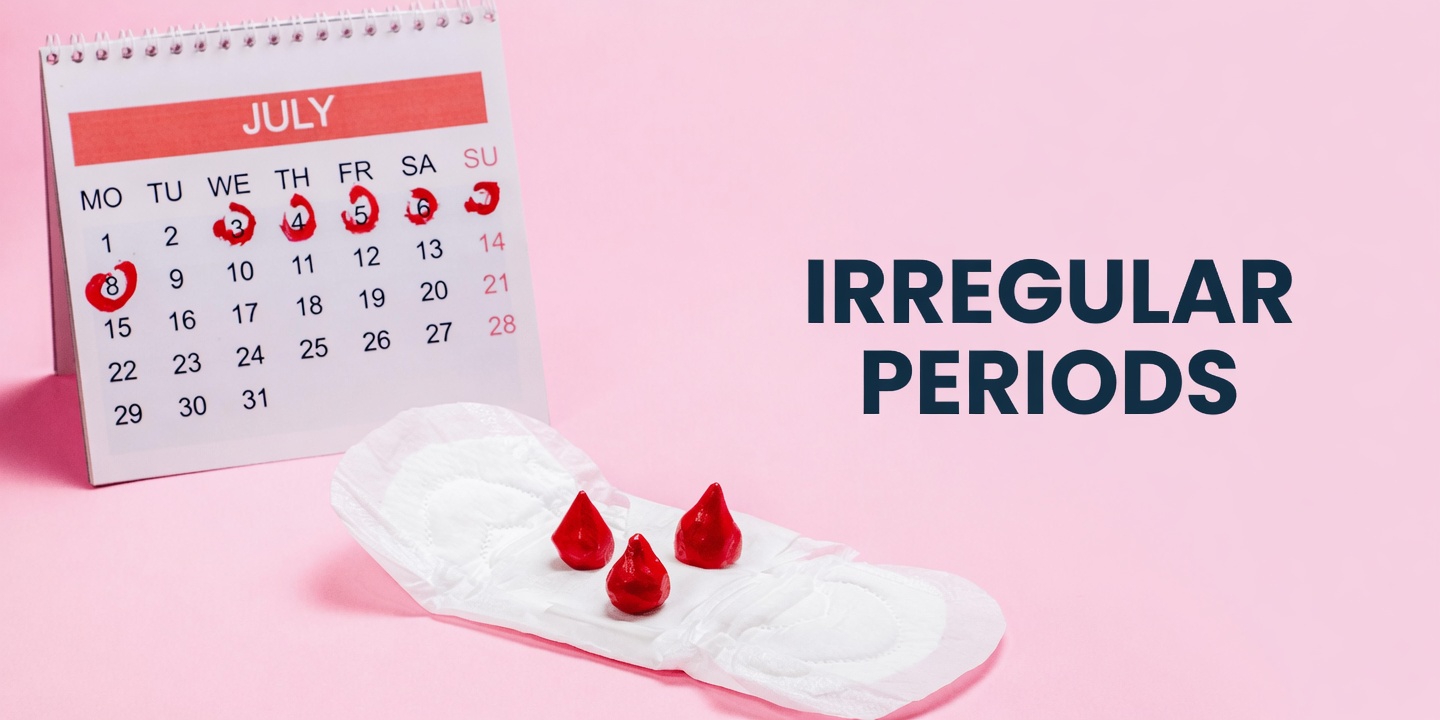
A changing menstrual cycle is often one of the earliest clues. Your periods may become:
- closer together
- farther apart
- lighter than usual
- heavier than usual
The Cleveland Clinic notes that if your cycle regularly shifts by seven days or more, it may be a sign of early perimenopause. Some women also experience skipped periods or spotting between cycles. This happens because ovulation becomes less consistent as hormone levels fluctuate.
2. Hot Flashes
A sudden wave of heat in your face, neck, or chest is one of the most recognized symptoms. Hot flashes may last anywhere from half a minute to several minutes. For some women, they happen only once in a while; for others, they occur several times a day.
These episodes are believed to be linked to estrogen changes that affect the body’s internal temperature control. Many women report that hot flashes seem to strike at the worst possible moments, including at work or while trying to sleep.
3. Night Sweats
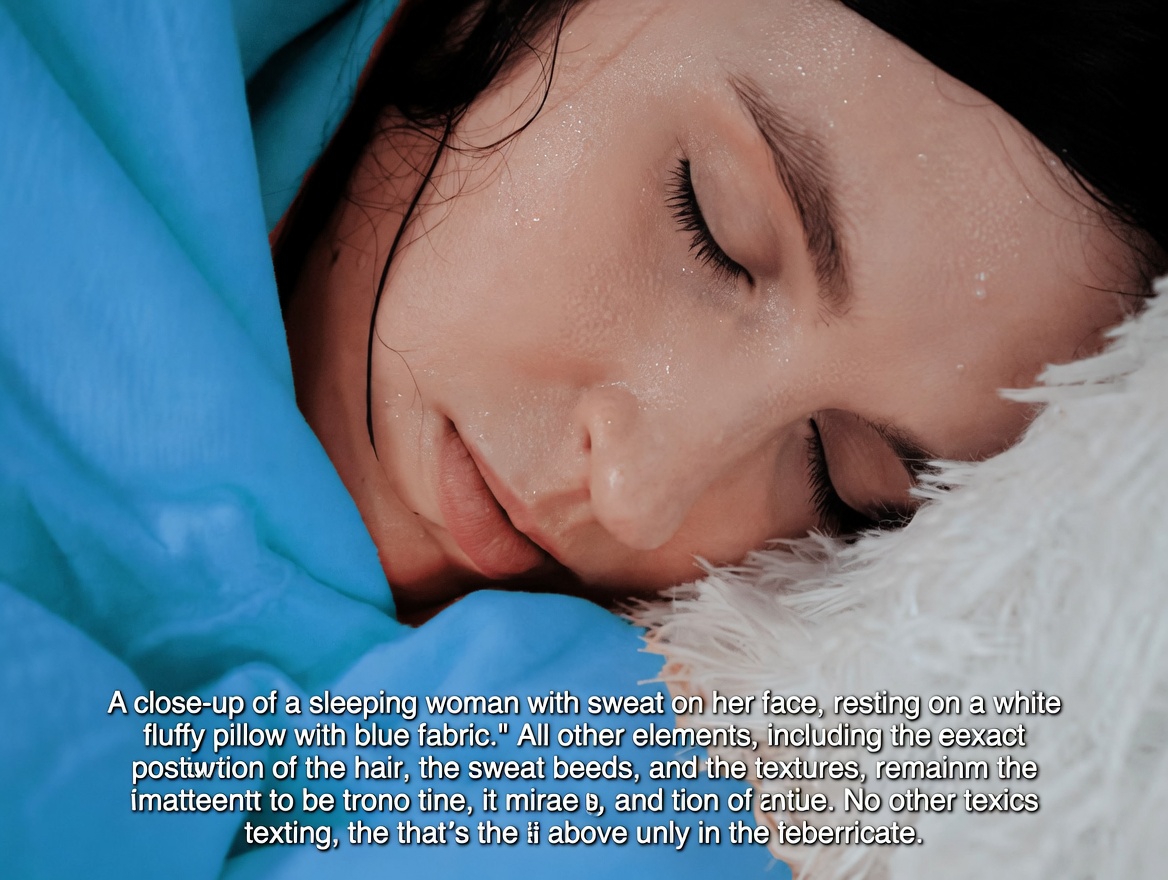
Night sweats are closely related to hot flashes, but they happen during sleep. You may wake up drenched, needing to change clothes or even your bedding. As a result, restful sleep becomes harder to maintain, and exhaustion often follows the next day.
Research suggests that up to 80% of women experience night sweats during this stage, making them a very common part of the menopause transition.
4. Sleep Problems
Even without night sweats, sleep can become more difficult during perimenopause. You may find it harder to fall asleep, stay asleep, or get deep, restorative rest. Hormonal fluctuations can interfere with your body’s normal sleep rhythm, leaving you tired and unfocused during the day.
5. Mood Swings and Irritability
If your emotions suddenly feel harder to manage, hormones may be playing a role. You might feel fine one moment and unusually irritable, emotional, or low the next. These mood changes are common because shifting hormone levels can influence brain chemicals such as serotonin.
The encouraging part is that these emotional shifts are often temporary and may improve with supportive lifestyle changes.
6. Fatigue and Low Energy
Many women in perimenopause describe a level of tiredness that goes beyond ordinary fatigue. Even after what should have been a full night of rest, you may still feel depleted. Hormonal adjustments, combined with sleep disruption, can leave you feeling worn down in a way that caffeine does not really fix.
7. Vaginal Dryness
This symptom is common but often not discussed enough. As estrogen declines, the body may produce less natural lubrication. That can lead to discomfort during intimacy, exercise, or even routine daily activities. It is a normal symptom of the transition and nothing to feel embarrassed about.
8. Changes in Libido
A lower sex drive is another early sign many women notice. This can be connected to several factors at once, including hormone shifts, vaginal dryness, poor sleep, and fatigue. WebMD reports that this issue is widespread, but it can often improve with communication, practical adjustments, and the right support.
9. Brain Fog and Memory Changes
If you walk into a room and forget why, lose your train of thought more easily, or have trouble concentrating, you are not alone. Brain fog is a frequent complaint during perimenopause. Studies suggest that estrogen plays a role in brain function, which may explain this mild forgetfulness. In most cases, it feels more like mental fuzziness than serious memory decline.
10. Weight Gain or Difficulty Losing Weight
You may notice that weight starts collecting more easily, especially around the midsection, even if your eating habits and activity level have not changed much. Hormonal shifts and a naturally slowing metabolism can both contribute. It can be frustrating, but manageable routine changes often help.
Symptoms Do Not Look the Same for Everyone
One important thing to remember is that these symptoms rarely appear all at once. Some women experience only a few, while others notice many. The pattern can vary widely from person to person.
Still, identifying these changes early can make a huge difference. Once you recognize what your body is telling you, you can respond more confidently rather than feeling caught off guard.
How Early Menopause Symptoms Show Up in Daily Life
Sometimes the signs are easier to understand through real-world examples. Many women describe experiences such as:
- waking up at 3 a.m. soaked in sweat and struggling to get back to sleep
- feeling a hot flash hit in the middle of dinner or an important event
- becoming unexpectedly emotional before a work meeting or presentation
- noticing that jeans suddenly feel tighter around the waist
- dealing with spotting or an off-schedule period at inconvenient times
These moments can feel frustrating and overwhelming, but they are also very common.
Simple Ways to Feel More in Control Starting Today
The good news is that you do not need to wait until symptoms become worse before taking action. Many women find relief through practical everyday habits like these:
- Track your cycle and symptoms in a journal or phone app to notice patterns.
- Dress in layers and keep a small fan nearby to manage hot flashes.
- Improve your sleep environment by making your bedroom cool, dark, and quiet.
- Cut back on screens before bed to support better sleep quality.
- Move your body regularly with activities like walking, stretching, or yoga.
- Choose balanced meals with whole foods, fiber, and healthy fats to support energy and weight management.
- Drink plenty of water and limit caffeine and alcohol, which may worsen sleep issues and hot flashes.
- Talk openly with someone you trust, whether that is a partner, friend, or family member.
One especially valuable habit highlighted by research is strength training several times a week. It may support bone health, metabolism, and mood during hormonal changes.
When to Speak With Your Doctor
Although these symptoms are often a normal part of perimenopause, some changes should not be ignored. It is a good idea to talk with your healthcare provider if you have:
- very heavy bleeding
- bleeding after sex
- symptoms that are disrupting daily life
- anything that feels unusually severe or concerning
A doctor can help rule out other possible causes and guide you toward options that match your needs.
Why Early Awareness Matters
Recognizing these 10 early signs of menopause can help you make small adjustments that lead to meaningful improvements in everyday life. Instead of feeling like your body is working against you, you can begin to understand and support it.
Women who learn about perimenopause early often feel less anxious and more confident as they move through this natural life stage.
FAQ: Common Questions About Early Menopause Signs
What is the difference between perimenopause and menopause?
Perimenopause is the transition period before menopause, when hormones fluctuate and periods begin to change. Menopause is officially reached after 12 straight months without a period. Most early symptoms begin during perimenopause.
Can these signs really start in your 30s?
Yes. While many women first notice symptoms in their mid-40s, some begin seeing changes in their late 30s. Genetics, lifestyle, and other health factors can all influence timing.
How can I tell whether my symptoms are from perimenopause or something else?
Tracking symptoms over time can help you identify patterns. If symptoms feel unusual, intense, or concerning, speaking with your doctor is the best way to get clarity and reassurance.
Final Thoughts
The early signs of menopause do not have to feel frightening or confusing. By paying attention to these common symptoms and making a few supportive lifestyle changes, you can move through perimenopause feeling more informed, empowered, and supported.