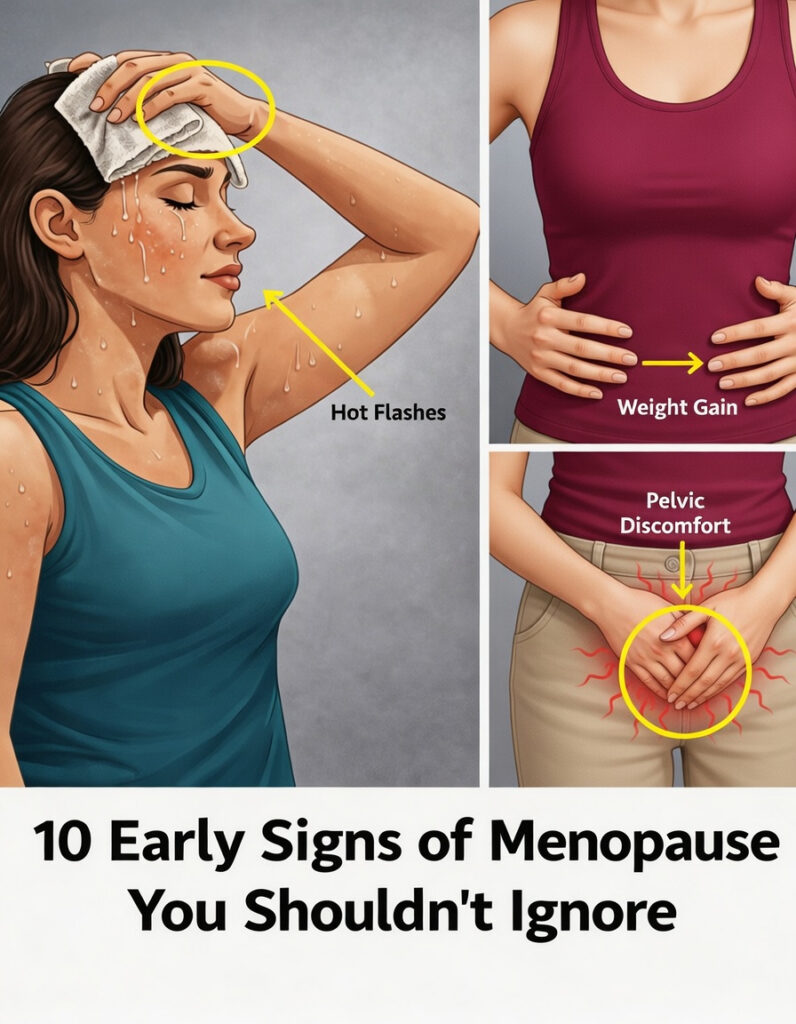
Early Menopause Signs: 10 Common Symptoms Women Should Recognize
Many women in their 40s and early 50s begin noticing unexpected changes in their bodies. A sudden burst of heat, unexplained exhaustion, or feeling emotionally off balance can appear without warning. These experiences often disrupt normal routines and leave women wondering what is going on.
The reassuring truth is that these shifts are often part of a natural life stage. When you understand the early signs of menopause, it becomes much easier to manage them with confidence and less fear. There is also an important link between many of these symptoms that often goes unnoticed, and recognizing it early can make the transition far more manageable.
What Is the Menopausal Transition?
Before menopause officially begins, the body goes through a phase known as perimenopause. This is the transitional period when hormone levels, especially estrogen, start to fluctuate and gradually decline. For many women, this process starts in their early 40s, although it may begin sooner for some.
According to the Mayo Clinic, the ovaries slowly produce less estrogen over a number of years. As a result, women may experience a wide range of physical and emotional symptoms. While each woman’s experience is different, these changes are extremely common around the world.
One important thing to remember is that symptoms rarely appear all at once. They often develop gradually, which makes them easy to mistake for stress, poor sleep, or simple aging. That is why noticing the early patterns can be so helpful.
10 Early Signs of Menopause You Should Not Ignore
Based on trusted medical sources such as the Mayo Clinic and Cleveland Clinic, these are some of the most commonly reported early menopause symptoms:
- Irregular periods
- Hot flashes and night sweats
- Sleep problems
- Mood swings or emotional changes
- Vaginal dryness
- Breast tenderness
- Fatigue
- Weight gain around the abdomen
- Brain fog or memory issues
- Reduced sex drive
Let’s look at each symptom more closely so you can better identify what may be happening in your own body.
1. Irregular Periods
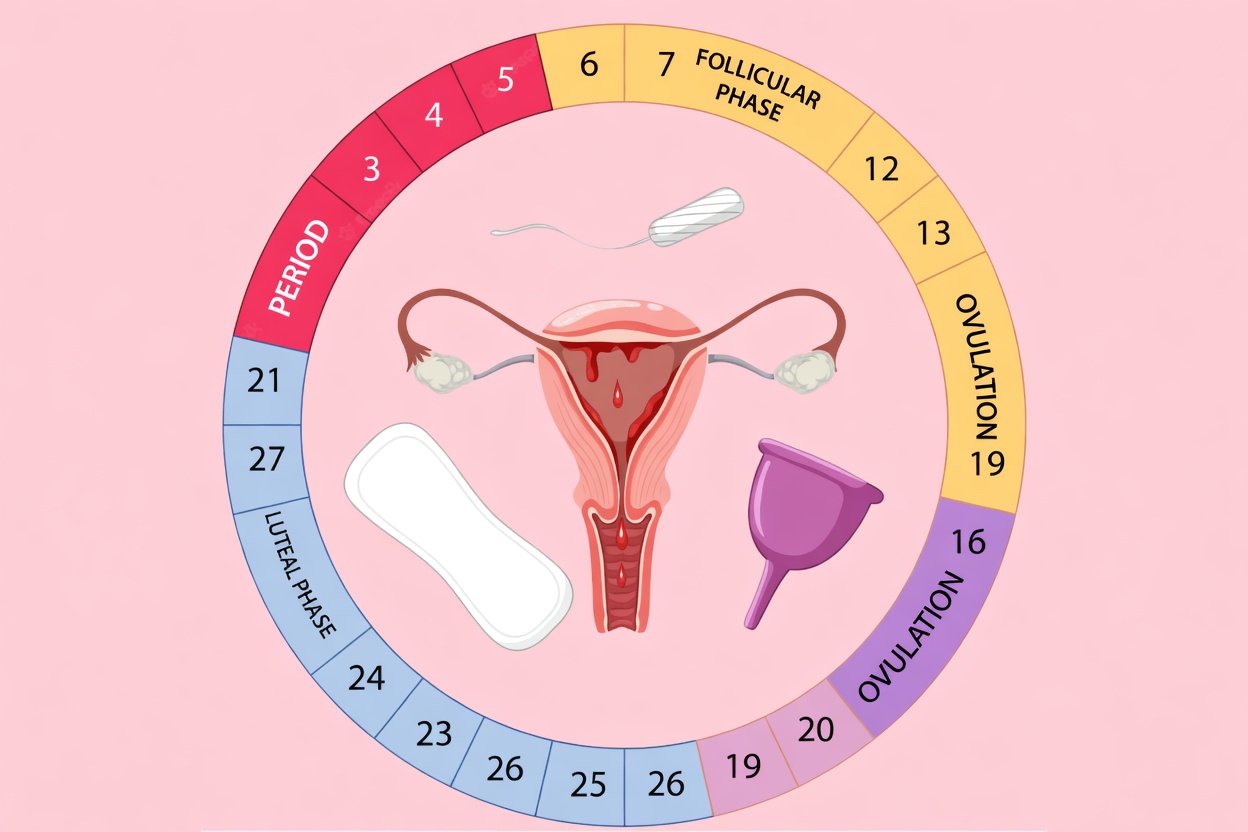
For many women, the first noticeable sign is a change in the menstrual cycle. Periods may become heavier, lighter, longer, shorter, or more unpredictable than before. You may even skip a month and then have a normal cycle again.
WebMD notes that cycle irregularity is one of the most common indicators that perimenopause has begun. These shifts may seem minor at first, but if they continue over time, they are worth paying attention to.
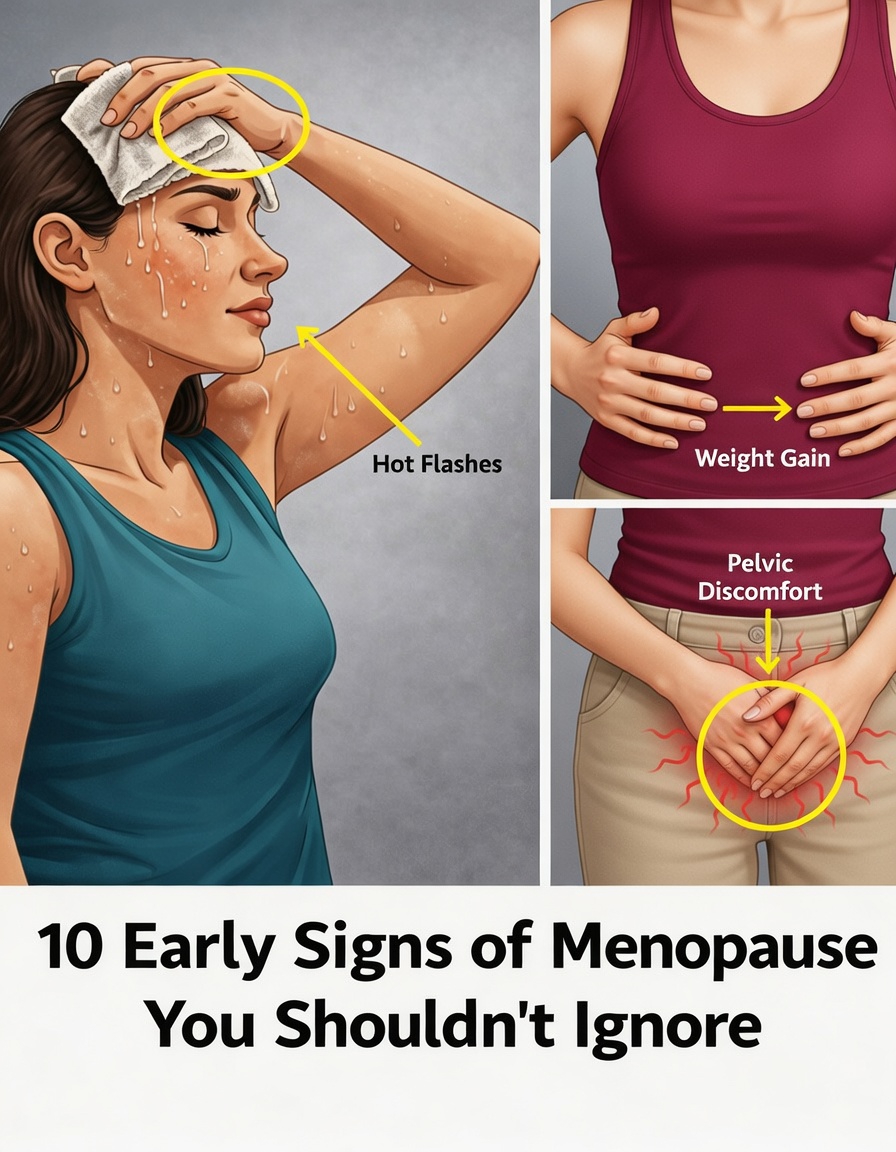
2. Hot Flashes and Night Sweats
Hot flashes are one of the most well-known symptoms of the menopausal transition. They often feel like a sudden rush of heat spreading through the chest, neck, and face. Sweating may follow, even if the room is cool.
Studies suggest that up to 80% of women experience these vasomotor symptoms during perimenopause and menopause. They can last only a few seconds or continue for several minutes.
What makes hot flashes difficult is their unpredictability. They may happen during a meeting, while driving, or in the middle of the night, leaving you uncomfortable and frustrated.
3. Sleep Disturbances
Many women discover that sleep becomes more difficult even before other symptoms become obvious. You may wake frequently, struggle to fall asleep, or feel tired despite spending enough time in bed.
The Mayo Clinic explains that hormonal fluctuations are often a major reason behind these sleep changes. Even mild night sweats can interrupt deep rest and leave you feeling drained the next day.
Poor sleep can also intensify other symptoms, making everything feel more overwhelming.
4. Mood Changes
Emotional shifts are another common early sign of menopause. You may feel more irritable, anxious, sensitive, or emotionally reactive than usual. Some women describe it as feeling unlike themselves for no clear reason.
Hormonal changes can play a real role in this. Women who have experienced PMS-related mood changes or postpartum emotional shifts may notice these symptoms more strongly.
The good news is that recognizing the cause can help reduce self-blame. Instead of assuming you are overreacting, you can approach yourself with more patience and understanding.
5. Vaginal Dryness and Discomfort
Lower estrogen levels can affect natural lubrication, which may lead to vaginal dryness or irritation. This can cause discomfort during intimacy, exercise, or even regular daily activities.
According to the Cleveland Clinic, vaginal dryness may begin earlier than many women expect and can show up before more obvious menopause symptoms. Because it is often discussed less openly, many women are surprised by it.
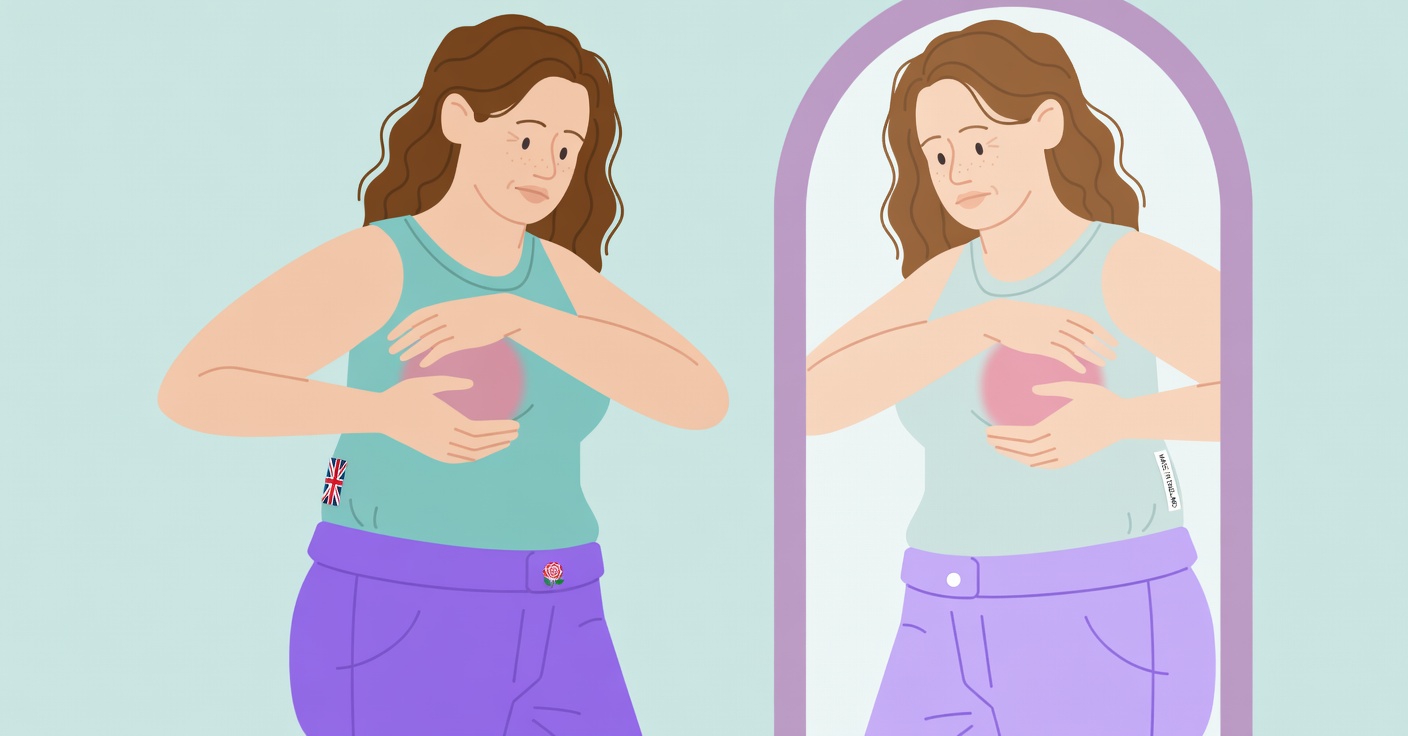
6. Breast Tenderness
Hormonal changes during perimenopause can also cause breast sensitivity or a feeling of fullness. For some women, it may feel similar to breast tenderness experienced during earlier hormonal shifts in life.
While this symptom is not always talked about as often as hot flashes, it can still be part of the normal menopausal transition.
7. Ongoing Fatigue
Feeling tired all the time is another frequent complaint during this stage. Even if you sleep the same number of hours, you may still feel low on energy by midday.
Fatigue is often connected to interrupted sleep, hormonal adjustments, and the body’s effort to adapt to ongoing changes. Many women find this symptom especially frustrating because it can affect work, exercise, and family life.
8. Weight Gain and Slower Metabolism
Another common early change is gradual weight gain, particularly around the midsection. This can happen even when your eating habits and activity level have stayed mostly the same.
The Mayo Clinic links this to metabolic changes that occur during the menopausal transition. It is not simply a matter of motivation or discipline. The body is changing, and that affects how weight is managed.
9. Brain Fog
Many women in perimenopause notice trouble concentrating, forgetting small things, or struggling to find the right words. This is often called brain fog.
Harvard Health notes that these temporary cognitive changes are common during the transition and usually improve over time. Although brain fog can be unsettling, it does not automatically mean something serious is wrong.
10. Changes in Sex Drive
A reduced interest in sex is also a natural symptom for many women during this phase. Hormonal changes, fatigue, vaginal dryness, and emotional stress can all contribute.
Because this shift can happen gradually or suddenly, it sometimes catches women off guard. Understanding that it is a common part of the menopausal transition can help remove shame or unnecessary guilt.
The Overlooked Connection Between These Symptoms
Here is the surprising link many women miss: a lot of early menopause symptoms are connected through the body’s regulation of hormones, temperature, and sleep.
For example:
- Hot flashes can disrupt sleep
- Poor sleep can worsen mood swings and fatigue
- Fatigue can make brain fog and emotional sensitivity feel stronger
- Hormonal fluctuations can affect all of these at the same time
This means that improving one area may help ease several others. Supporting sleep, reducing overheating, and caring for your overall well-being can create a positive ripple effect.
Simple Daily Habits That May Help You Feel Better
Many women find relief through small lifestyle adjustments. These are not medical treatments, but they can help support comfort during the menopausal transition:
- Track your cycle and symptoms in a notebook or app
- Wear layers so you can adjust easily during hot flashes
- Keep your bedroom cool and dark for better sleep
- Follow a regular bedtime routine to support rest
- Drink enough water throughout the day
- Choose balanced meals with vegetables, protein, and whole foods
- Stay active with gentle movement such as walking, yoga, or swimming
- Use breathing exercises when stress or mood changes feel intense
- Talk openly with trusted friends or a healthcare professional
The most important thing is not perfection. Consistency with simple habits often makes a bigger difference than people expect.
Why Recognizing Early Menopause Signs Matters
Noticing these symptoms early gives you the chance to respond before they become more disruptive. Women who understand what is happening in their bodies often feel less anxious and more in control.
This stage of life is not a sign that something is wrong. It is a normal biological transition into a new chapter. When you know what to expect, uncertainty becomes understanding.
And that hidden connection mentioned earlier matters more than most women realize. Many early menopause symptoms improve when you focus on better sleep, gentle daily movement, hydration, and self-compassion. It is not about fighting your body. It is about supporting it as it moves through a natural change.