Early Warning Signs of a Stroke: What You Need to Know
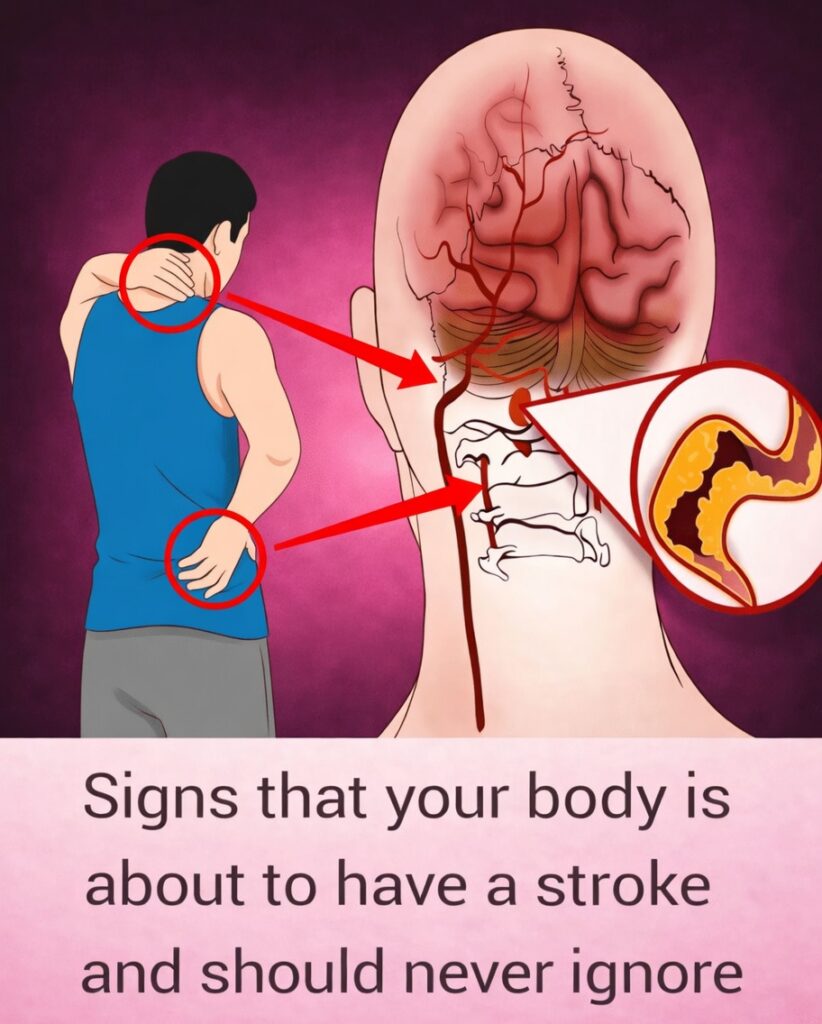
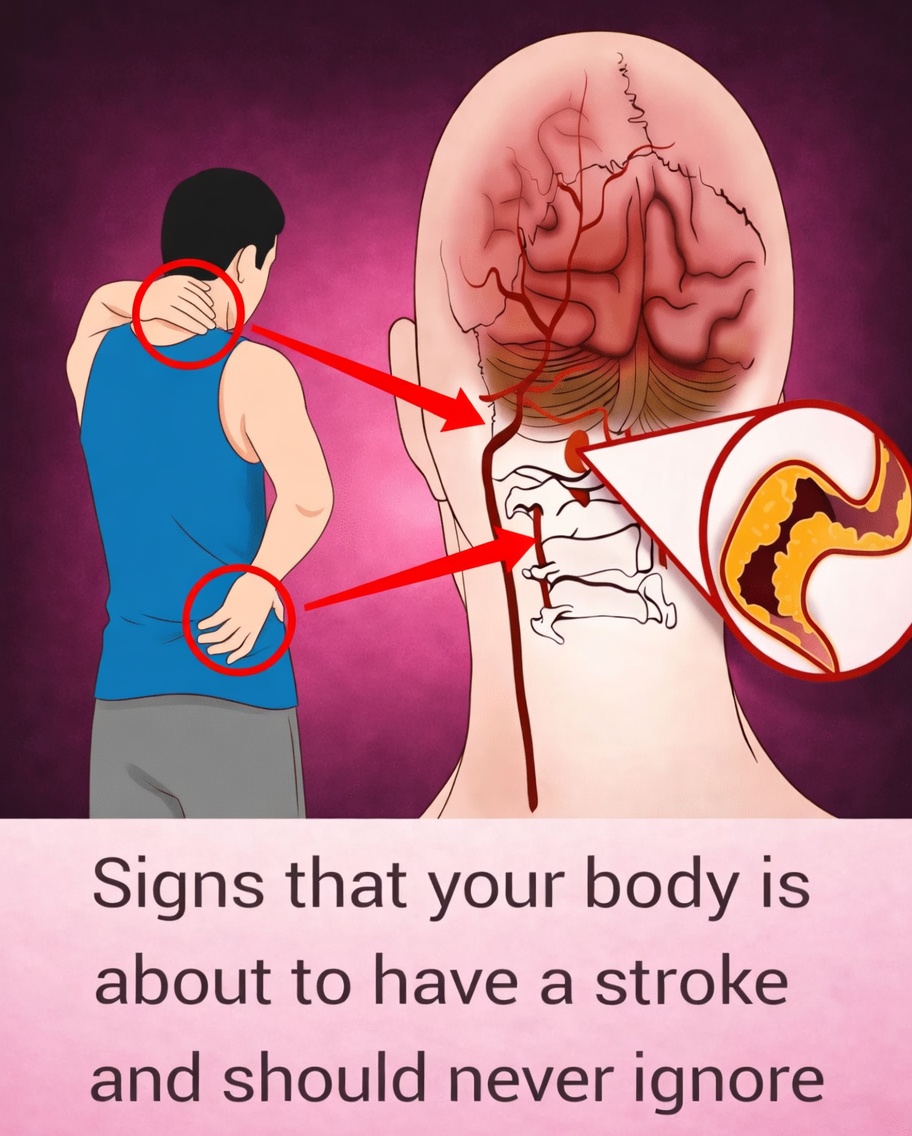
A stroke can occur suddenly, blocking blood flow to the brain and causing damage that may change a person’s life in moments. Numbness, confusion, or trouble moving can turn an ordinary day into a medical emergency for you or someone you love. Many people miss the early warning signs of a stroke or dismiss them as something minor—until it is too late. Recognizing these signals early can help you act fast when every second matters.
Why It Is So Important to Spot Stroke Warning Signs Early
The possibility of losing independence after a stroke is frightening for both individuals and families. Early warning signs of a stroke often start subtly, interrupting normal routines and adding emotional strain long before a diagnosis is made.
Studies from major health organizations show that identifying early warning signs of a stroke quickly can lead to faster treatment and better outcomes. The real advantage comes from knowing exactly which symptoms to watch for, so you can respond without hesitation.
10 Major Early Warning Signs of a Stroke
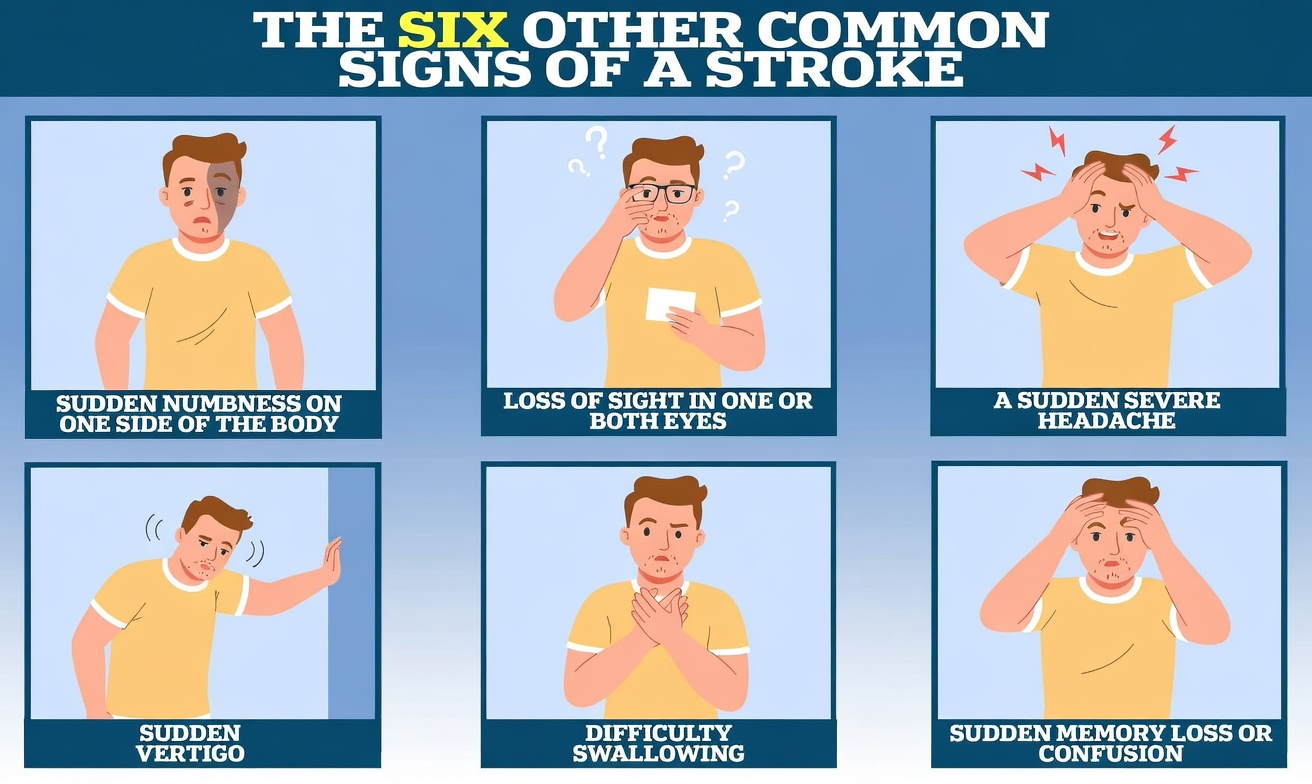
1. Sudden Weakness or Numbness
Picture reaching for a glass or trying to button a shirt and suddenly feeling weakness or numbness on one side of your body. This unexpected change—often affecting the face, arm, or leg—is one of the most common early warning signs of a stroke.
People sometimes blame it on tiredness or sleeping in an awkward position, but any sudden, unexplained weakness or numbness requires immediate medical attention.
2. Facial Drooping
Seeing one side of the face sag when a person smiles can be alarming. Facial drooping is a classic early warning sign of a stroke and usually appears suddenly. It may affect self-confidence and speech, and it is often noticeable to family members or friends first.
A simple “smile test” can help: ask the person to smile and look for one side that does not move or droops downward. This quick check can reveal a stroke in progress and is a key reason to seek help right away.
3. Difficulty Speaking or Understanding Speech
Trouble talking or understanding others is another major early warning sign of a stroke. Speech may become slurred, words might sound jumbled, or the person might say things that do not make sense. Even simple questions can suddenly feel hard to answer or understand.
Any sudden change in speech or comprehension—even if it seems to improve—should be treated as an emergency and evaluated immediately.
4. Sudden Vision Changes
Abrupt changes in eyesight can also signal early warning signs of a stroke. These may include:
- Blurred vision
- Double vision
- Loss of vision in one or both eyes
Everyday activities like reading, driving, or recognizing faces may suddenly become difficult or confusing. Because many people attribute vision problems to fatigue or eye strain, this warning sign is often overlooked. Nevertheless, sudden visual changes—especially combined with other symptoms—require urgent medical care.
5. Loss of Balance or Coordination
If walking suddenly becomes unsteady or coordination vanishes without warning, a stroke could be the cause. Symptoms may include:
- Dizziness or feeling like the room is spinning
- Trouble standing or walking straight
- Stumbling or falling unexpectedly
Loss of balance and coordination is a frequent early warning sign of a stroke and can rob a person of independence in an instant. It often appears together with other symptoms, making a rapid response even more important.
6. Severe Headache With No Known Cause
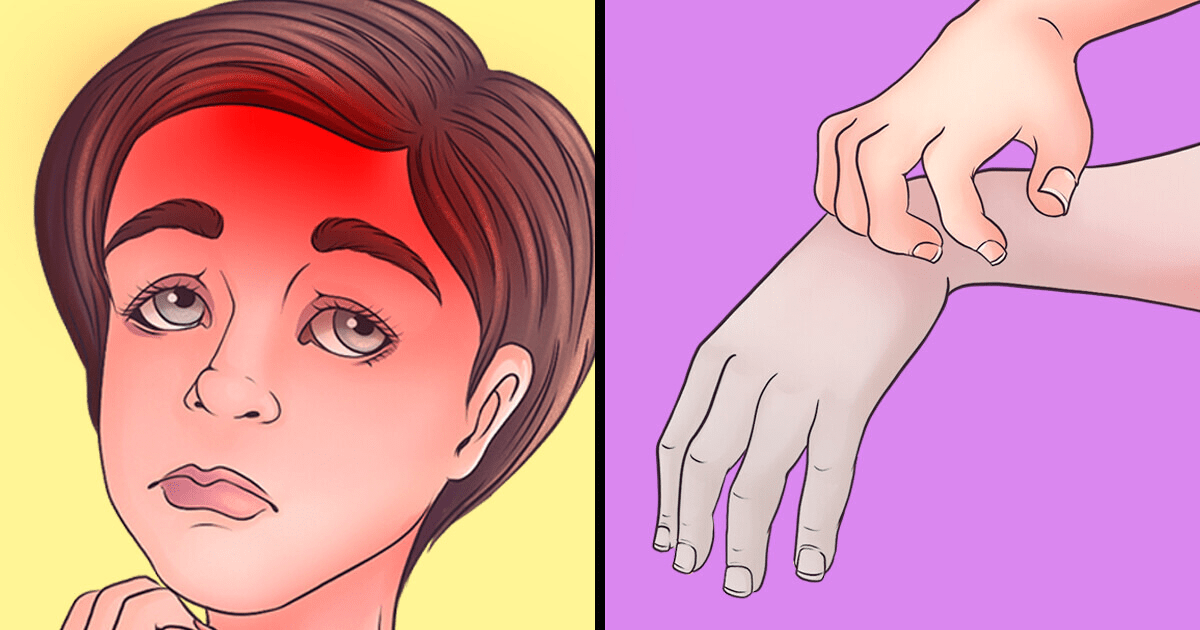
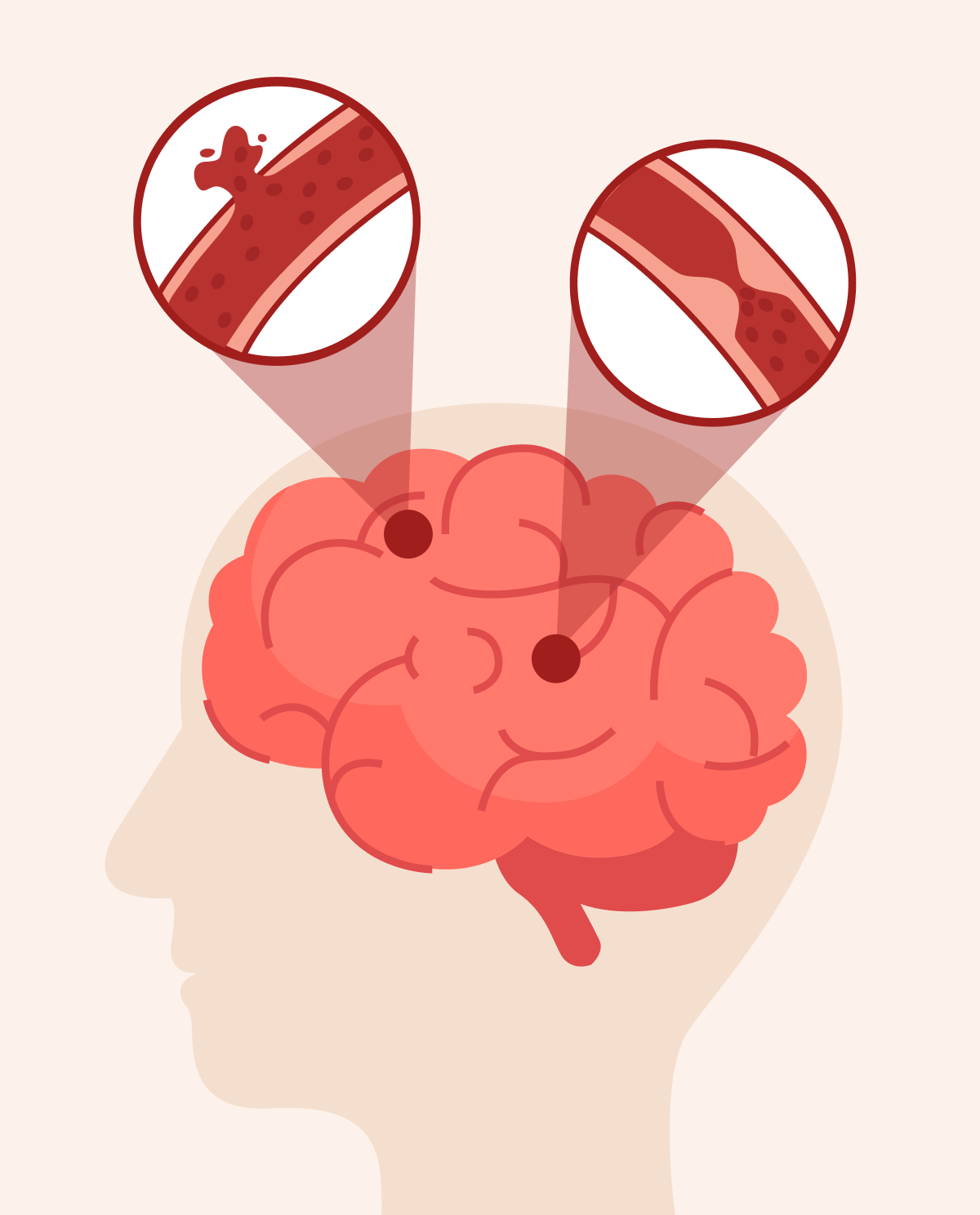
A sudden, extremely intense headache—often described as the “worst headache” a person has ever had—can be a serious early warning sign of a stroke, especially certain types of hemorrhagic stroke. This headache may strike without any obvious reason and can stop normal activity immediately.
When a severe headache appears out of nowhere, particularly if it comes with nausea, vomiting, confusion, or other stroke symptoms, emergency evaluation is critical.
7. Confusion or Sudden Cognitive Changes
Stroke can also affect thinking and memory. Early warning signs may include:
- Sudden confusion
- Difficulty concentrating
- Trouble following conversations
- Problems completing familiar tasks
These cognitive changes can be subtle at first, but they are important indicators that something is wrong. Sudden disorientation or mental fog—especially in someone who is usually clear-headed—should never be ignored.
8. Difficulty Lifting an Arm or Leg
Another key early warning sign of a stroke is weakness in a limb, often on one side of the body. A simple check is to ask the person to raise both arms:
- If one arm drifts downward
- Or cannot be lifted at all
this may indicate a stroke. Similar weakness can occur in one leg, making it hard to walk or stand. This clear and simple test can help families and bystanders recognize a stroke quickly.
9. Dizziness or Vertigo
Persistent dizziness or a spinning sensation (vertigo) can also be a sign of stroke, especially when combined with other symptoms such as:
- Unsteady walking
- Nausea or vomiting
- Difficulty focusing the eyes
Because dizziness can result from many less serious conditions, it is often dismissed. However, sudden, unexplained dizziness—particularly in older adults or those with stroke risk factors—should raise concern about possible early warning signs of a stroke.
10. Mini-Stroke Symptoms (TIA – Transient Ischemic Attack)
A transient ischemic attack, or TIA, is sometimes called a “mini-stroke.” The symptoms often resemble those of a full stroke but last only a few minutes to hours and then disappear. Typical TIA symptoms include brief:
- Weakness or numbness
- Trouble speaking or seeing
- Loss of balance
Although TIAs are temporary, they are powerful early warning signs of a stroke and indicate a much higher risk of a major stroke in the near future. Treating a TIA as an urgent medical emergency can help prevent more serious damage.
The FAST and BE FAST Rules for Recognizing a Stroke
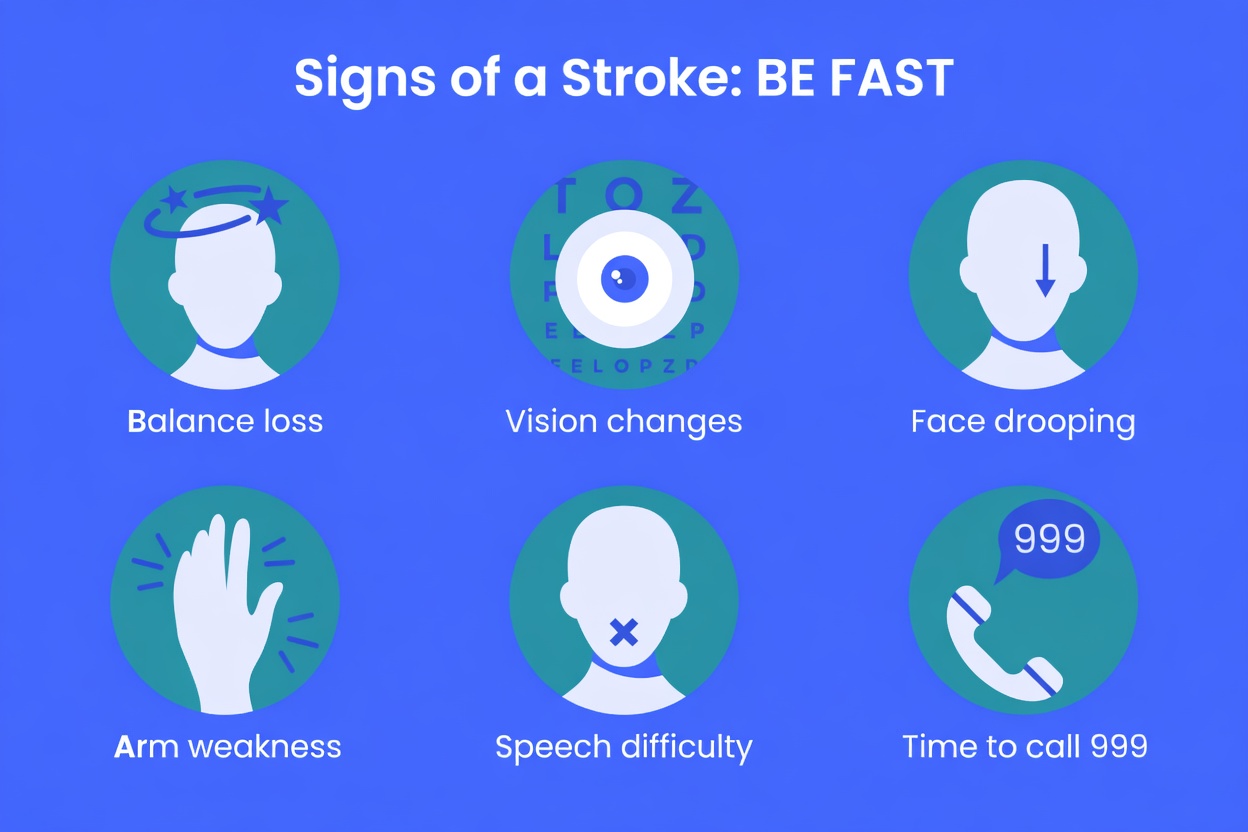
To quickly remember the main early warning signs of a stroke, use the FAST checklist:
- F — Face: Is one side of the face drooping when the person smiles?
- A — Arm: Is one arm weak, numb, or drifting downward when both arms are raised?
- S — Speech: Is speech slurred, strange, or hard to understand?
- T — Time: If you see any of these signs, it is time to call emergency services immediately.
Many experts now recommend the BE FAST approach to cover more stroke symptoms:
- B — Balance: Sudden loss of balance or coordination
- E — Eyes: Sudden vision changes in one or both eyes
Adding Balance and Eyes helps capture additional early warning signs of a stroke that might otherwise be missed.
How to Lower Your Risk of Stroke Symptoms
While not every risk factor can be controlled, everyday habits play a major role in reducing the likelihood of stroke and its early warning signs. Important prevention steps include:
- Keeping blood pressure within a healthy range
- Managing cholesterol and blood sugar levels
- Avoiding smoking and limiting alcohol intake
- Eating a balanced, nutritious diet
- Exercising regularly and staying physically active
- Following medical advice for conditions like atrial fibrillation or diabetes
These lifestyle choices work together to support brain and heart health and may decrease the chance of experiencing early warning signs of a stroke.
Conclusion: Stay Prepared and Act Quickly
Understanding these 10 early warning signs of a stroke gives you and your family the knowledge to respond fast and confidently. Share this information with loved ones, and practice remembering the FAST or BE FAST rules.
If any early warning signs of a stroke appear, do not wait to see if they go away—call emergency services immediately. Fast action can save brain function, independence, and lives.
FAQ About Early Warning Signs of a Stroke
1. What should I do right away if I notice possible stroke symptoms?
Call emergency services immediately if you notice any early warning signs of a stroke in yourself or someone else. Do not drive yourself to the hospital or wait for symptoms to improve. Time-sensitive treatments work best when started as soon as possible.
2. Can early warning signs of a stroke go away on their own?
Yes, some symptoms—especially those from a transient ischemic attack (TIA)—may fade quickly. However, even if the signs disappear, they still signal a serious risk of a future stroke. Urgent medical evaluation is essential to reduce that risk.
3. How can I help prevent stroke symptoms from occurring?
You can lower your risk by:
- Staying physically active
- Eating a healthy, balanced diet
- Keeping blood pressure, cholesterol, and blood sugar under control
- Not smoking and limiting alcohol
- Taking prescribed medications as directed
These steps support long-term brain health and reduce the chance of early warning signs of a stroke.
Important Disclaimer
This article is for informational and educational purposes only. It is not medical advice and is not intended to diagnose, treat, cure, or prevent any disease or condition. Information about early warning signs of a stroke should never replace the judgment of a qualified healthcare professional. Always consult a licensed medical provider with any questions or concerns about stroke symptoms, diagnosis, or treatment.