10 Early Warning Signs Your Pancreas May Be Sending
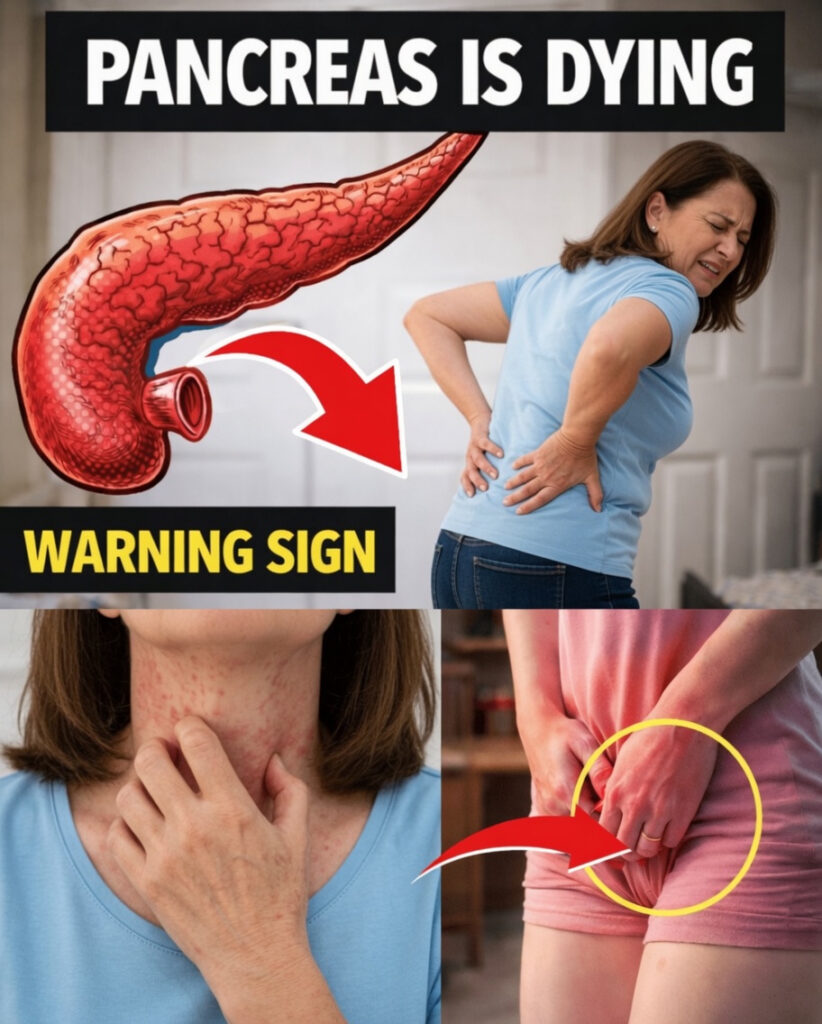
It is easy to dismiss everyday discomforts like tiredness, mild stomach trouble, or random aches as normal parts of a busy routine or aging. However, small physical changes can sometimes be a sign that the pancreas is under strain. This organ works quietly behind the scenes, helping with digestion and blood sugar balance, so problems may go unnoticed at first. When symptoms continue without an obvious explanation, that can be frustrating and stressful. The good news is that recognizing these early warning signs may help you start an important conversation with your doctor sooner rather than later.
Why Early Awareness Matters
The pancreas rarely gives dramatic warning signs in the beginning. Information from respected sources such as the Mayo Clinic and the American Cancer Society shows that many pancreas-related issues begin with symptoms that are vague and easy to confuse with more common health concerns. That is exactly why paying attention to patterns in your body matters. Knowing what to watch for can help you feel more informed and proactive.
Below are 10 possible warning signs that deserve attention.
1. Ongoing Pain in the Upper Abdomen or Back
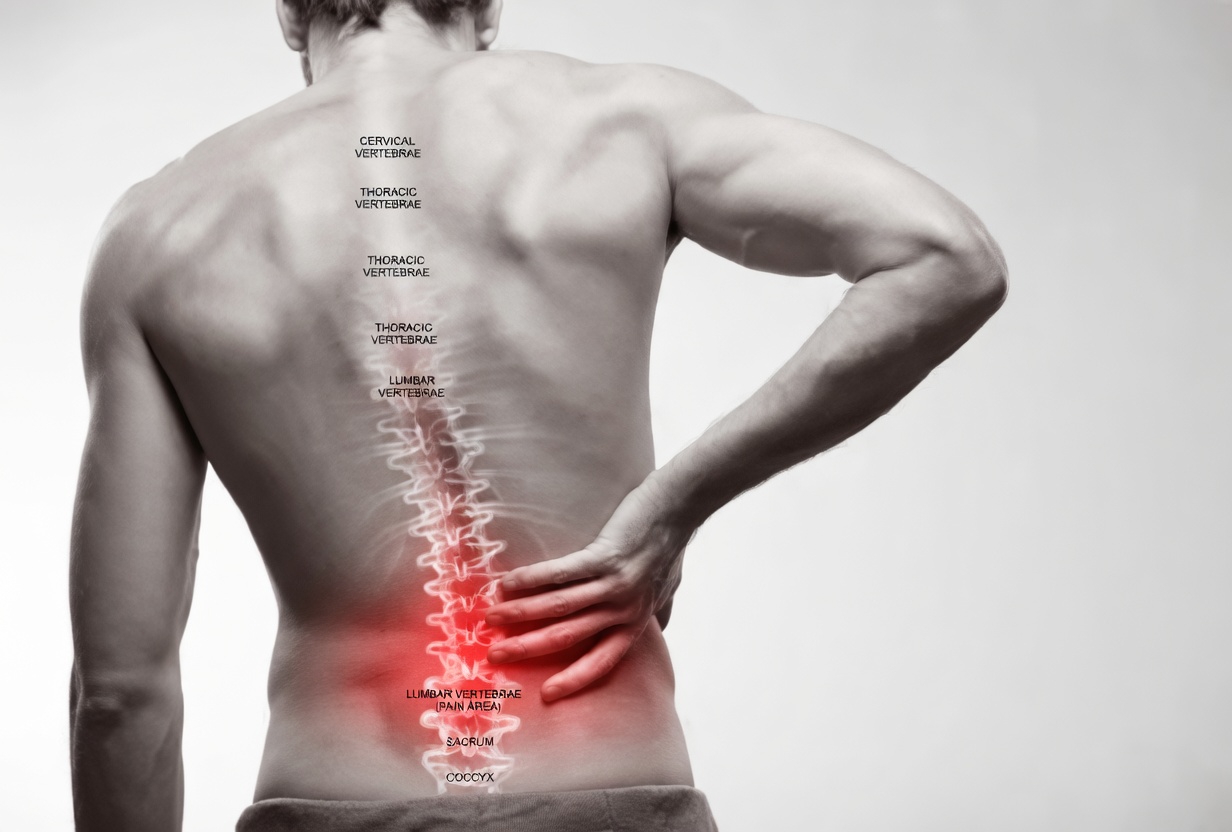
One of the most commonly reported symptoms is a persistent ache in the upper abdomen that may spread into the middle or lower back. For some people, the pain comes and goes. For others, it becomes more noticeable after eating. Leading medical organizations note that this may happen when pressure develops in the area around the pancreas. If this discomfort continues for several weeks, it is a good idea to bring it up with your healthcare provider.
2. Unintentional Weight Loss
Losing weight without changing your diet or activity level can be an early clue that something is not right. The American Cancer Society points out that this may happen because the body is no longer processing or absorbing nutrients as efficiently as it should. On its own, weight loss may be easy to overlook, but when combined with other symptoms, it becomes more significant.
3. Reduced Appetite or Feeling Full Too Fast
A sudden lack of interest in food or becoming full after only a few bites can seem minor at first. Still, this change may be connected to the pancreas and its role in digestion. Experts at WebMD note that many people initially blame this symptom on stress or temporary digestive upset, which can delay getting it checked.
4. Yellowing of the Skin or Eyes
Jaundice, or a yellow tint in the skin and whites of the eyes, is often easier to recognize once it appears. According to Mayo Clinic resources, this can happen when bile flow becomes blocked or disrupted. It may not cause pain, but it should never be ignored.
5. Itchy Skin or Unusual Skin Changes
Persistent itching, especially on areas like the neck or torso, can sometimes appear along with other digestive symptoms. In less common situations linked to pancreatic problems, skin irritation or rashes may also develop. Visible skin changes can serve as an external clue that something internal may need attention.
6. Dark Urine or Pale, Floating Stools
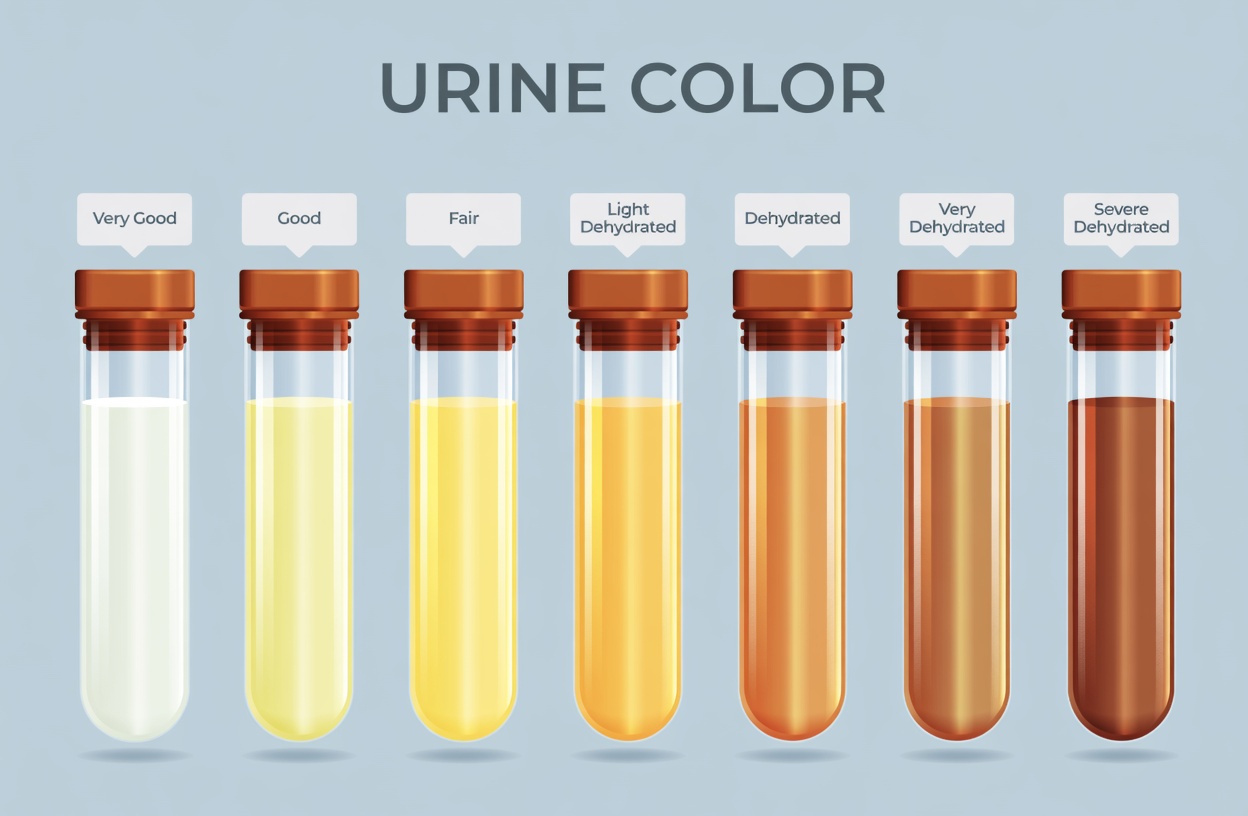
Changes in urine or stool color are often easier to notice than other symptoms. Urine that looks unusually dark, or stools that become light-colored, greasy, or float, may suggest that bile is not moving through the body normally. Patient information from groups such as the Pancreatic Cancer Action Network often lists these symptoms together because they can be important warning signs.
7. New-Onset Diabetes or Harder-to-Control Blood Sugar
For adults over 50 in particular, a sudden diagnosis of diabetes or blood sugar that becomes more difficult to manage may be worth discussing in more detail. Because the pancreas is responsible for producing insulin, changes in blood sugar control can sometimes be tied to pancreatic function. Research suggests this connection should not be overlooked.
8. Constant Fatigue or Weakness
Feeling drained all the time, even after getting enough rest, is easy to blame on stress, work, or poor sleep. But when fatigue shows up alongside other symptoms, it may reflect the body working harder than usual to compensate. The American Cancer Society includes ongoing weakness and tiredness among signs that should not be ignored.
9. Nausea, Vomiting, or Lingering Indigestion
Frequent nausea, vomiting, bloating, or a burning feeling after meals may seem like ordinary indigestion at first. However, if these issues continue, they could be related to the pancreas and how it supports digestion. Cleveland Clinic resources note that ongoing digestive distress deserves medical attention, especially when it does not improve.
10. Blood Clots or Swelling in the Legs
Though less common, unexplained blood clots or swelling in the legs are included on some medical symptom checklists. Health organizations advise discussing these symptoms with a doctor, particularly when they appear alongside abdominal pain, jaundice, weight loss, or digestive changes.
These Symptoms Do Not Always Mean Something Serious
It is important to remember that these warning signs do not automatically point to a major pancreatic condition. Many everyday health issues, including gallstones, infections, acid reflux, or stress, can produce similar symptoms. That is why professional evaluation matters so much. The key is not to panic, but to notice recurring patterns instead of waiting until symptoms become severe.
When to Speak With Your Doctor
If you notice several of these symptoms lasting longer than two weeks, it is wise to schedule an appointment. It can help to write down what you have experienced, when it started, and whether it gets worse after eating or at certain times of day. A short list like this can make your conversation with your doctor more focused and useful. Early discussions may lead to testing, clearer answers, and greater peace of mind.
Daily Habits That May Support Pancreas Health
No lifestyle habit can replace proper medical care, but healthy daily choices can support overall wellness and reduce strain on the body. Many health experts recommend the following:
- Eat more vegetables, fruit, and whole grains for balanced nutrition and steady energy.
- Drink enough water and reduce alcohol intake to give your pancreas less stress.
- Stay physically active most days, even if it is just a 20-minute walk.
- Avoid smoking, which is one of the most important steps for long-term health.
Simple Swaps That Can Help
Here is a quick comparison of small changes that may support healthier daily habits:
| Habit | Why It May Be a Problem | Easy Swap to Try |
|---|---|---|
| Processed snacks | May contribute to blood sugar spikes | Fresh fruit with a handful of nuts |
| Sugary drinks | Can add extra strain to blood sugar control | Sparkling water with lemon |
| Large, heavy meals | May worsen digestive discomfort | Smaller, balanced portions |
Even small improvements can add up over time, especially when your schedule is busy.
Final Thoughts
Noticing these 10 warning signs does not have to feel frightening. Instead, think of them as useful information that helps you respond wisely. Paying closer attention to your body is a positive first step toward protecting your health. The most important message is simple: notice changes early, talk to your doctor, and take action when something does not feel right.
Frequently Asked Questions
Can these symptoms be caused by something other than pancreas problems?
Yes. Many common conditions, including gallstones, infections, ulcers, or even stress-related digestive issues, can create similar symptoms. That is why it is important to get a professional medical opinion rather than guessing.
How soon should I see a doctor if I notice several signs?
If the symptoms continue for more than two weeks or begin affecting your daily life, contact your doctor as soon as possible. It is especially helpful to bring notes about what you have noticed.
Are there daily habits that help support pancreas function?
Yes. Eating balanced meals, staying active, drinking enough water, and avoiding smoking or excess alcohol can all support overall health and may help the pancreas function more smoothly.
Important Disclaimer
This article is intended for educational and informational purposes only. It is not medical advice, diagnosis, or treatment. Always seek guidance from a qualified healthcare professional for concerns about your symptoms or personal health.