Everyday Foods That Can Put Extra Stress on Your Kidneys
Your kidneys work behind the scenes all day, filtering large amounts of blood to remove waste and keep fluid levels in balance. Because they do so much without drawing attention, it is easy to overlook how daily eating habits can increase their workload. Foods high in sodium, phosphorus, or potassium may seem harmless in routine meals, but over time they can make kidney function more demanding.
That added pressure may show up in subtle ways, such as lower energy, mild puffiness, or a general sense that your body feels off. The encouraging part is that protecting your kidneys usually does not require a major diet overhaul. Often, simple food swaps are enough to make a meaningful difference.
Why Your Diet Plays a Bigger Role in Kidney Health Than Most People Realize
Kidneys are strong, but they never really stop working. Organizations such as the National Kidney Foundation note that eating too much sodium, added phosphorus, and certain potassium-rich foods can place extra strain on them over time. This becomes especially important with age or when other health concerns, such as high blood pressure, are involved.
Health experts consistently point out that kidney-friendly eating is less about strict restriction and more about informed choices. Most people can still enjoy a broad range of foods by paying attention to portions and choosing smarter alternatives. In other words, awareness matters far more than fear.
And that is good news, because small habits practiced consistently can have a bigger impact than dramatic short-term changes.
10 Common Foods to Limit for Better Kidney Support
Many of the foods that challenge kidney health are everyday staples found in snacks, drinks, and convenience meals. Below are 10 items worth monitoring more closely.
1. Dark-Colored Sodas
These beverages often contain phosphorus additives, which can be harder on the kidneys to process efficiently.
2. Processed Meats
Bacon, deli meats, sausages, and hot dogs are typically packed with sodium and preservatives. They may also contribute to higher blood pressure, which can further burden kidney function.
3. Canned Foods
Soups, canned vegetables, and beans often contain large amounts of added salt unless they are specifically labeled low sodium.
4. Avocados
Although avocados are nutrient-dense, they are also high in potassium. For people who need to monitor potassium intake, portion size becomes important.
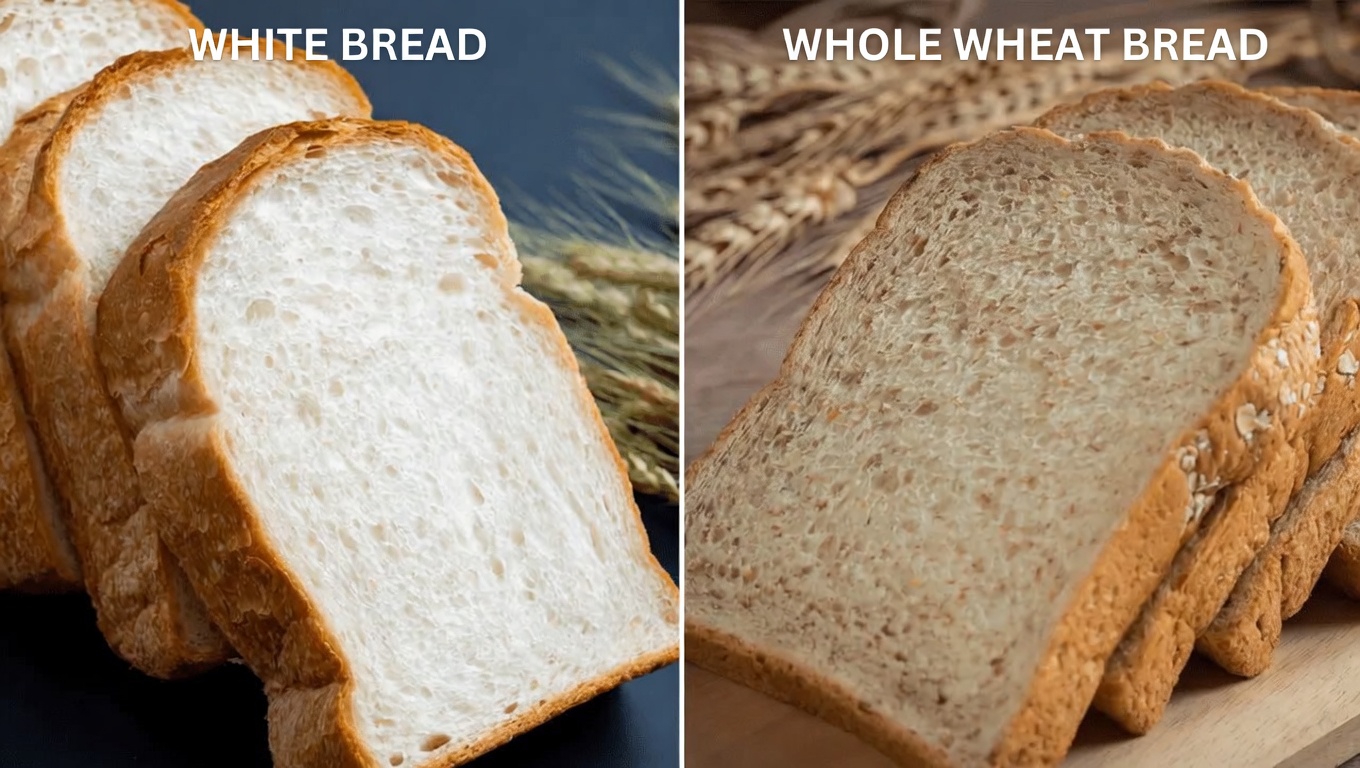
5. Whole Wheat Bread
Compared with white bread, whole wheat varieties generally contain more phosphorus and potassium, which may matter for those trying to reduce kidney strain.
6. Brown Rice
Brown rice offers nutritional benefits, but it is also higher in phosphorus than white rice. When kidney function is reduced, that difference can be relevant.
7. Bananas
Bananas are well known for their potassium content. While healthy in many diets, they may need to be limited if potassium levels are a concern.
8. Oranges and Orange Juice
These are another major source of potassium, and serving sizes can add up quickly.
9. Dairy Products
Milk, cheese, and yogurt provide nutrients, but they are also rich in phosphorus and protein, both of which may need closer attention in a kidney-conscious diet.
10. Tomato-Based Products
Tomato sauce, canned tomatoes, and ketchup can be concentrated sources of potassium and sodium, especially in processed forms.

Many of these foods are familiar pantry items or fast meal solutions, which is exactly why they can quietly become part of a pattern that is harder on your kidneys than you realize.
Tasty Kidney-Friendly Swaps You Can Actually Enjoy
The good news is that kidney support does not mean eating bland or inconvenient meals. With a few practical substitutions, you can still enjoy satisfying food while easing the burden on your kidneys.
- Replace dark soda with sparkling water flavored with lemon or fresh pineapple.
- Choose fresh or frozen cuts of meat instead of processed deli products.
- Season foods with herbs, garlic, onion, or spices instead of relying on salt.
- Rinse canned vegetables and beans well, or buy low-sodium versions.
- Swap bananas and oranges for apples, grapes, or berries when you want fruit.
- Use white rice or cauliflower rice in place of brown rice on lower-phosphorus days.
These changes are simple, realistic, and flavorful enough to stick with over time.
Easy Steps to Start Supporting Your Kidneys Today
If you want to take action without feeling overwhelmed, focus on one change at a time. Even small adjustments can build momentum.
-
Read food labels for one week
- Check sodium levels and look for phosphorus additives in snacks, sauces, drinks, and packaged foods.
- You may quickly notice patterns in products you buy often.
-
Be mindful with fruit portions
- Instead of loading up on high-potassium produce, keep servings balanced.
- For example, one medium tomato or a small amount of tomato sauce can be more manageable than large portions.
-
Hydrate more wisely
- Choose plain water most often.
- If you want variety, try water infused with pineapple or other lower-potassium options instead of sugary or dark soft drinks.
-
Cook more meals from scratch
- Fresh ingredients make it much easier to control salt, preservatives, and hidden additives.
-
Talk with a doctor or dietitian
- Personalized guidance based on lab work can help you understand exactly how much sodium, phosphorus, and potassium is appropriate for you.
The Often-Overlooked Habit That Helps Protect Kidneys Over Time
Many people focus only on what they should cut back on, but experts also emphasize the value of adding more kidney-supportive foods. Options such as pineapple, cabbage, and cauliflower are often recommended because they are lower in potassium while still offering fiber, antioxidants, and useful nutrients.
This matters because a healthy eating pattern is easier to maintain when it includes foods you can enjoy freely. When you combine thoughtful limits with smart additions, your meals begin to support kidney health rather than quietly working against it.
Quick Comparison: Foods That Add More Strain vs. Better Alternatives
| Food to Watch | Why It May Burden the Kidneys | Better Swap |
|---|---|---|
| Dark soda | Contains phosphorus additives | Sparkling water with pineapple |
| Processed deli meat | High in sodium | Fresh grilled chicken with herbs |
| Canned soup | Often loaded with salt | Homemade broth with fresh vegetables |
| Banana | High in potassium | Apple or berries |
| Jarred tomato sauce | Concentrated potassium and sodium | Fresh tomato in small amounts |
A simple side-by-side comparison like this can make grocery shopping and meal planning much easier.
Final Thoughts: Small Changes Can Make a Big Difference
You now have a clearer picture of 10 everyday foods that may put extra pressure on your kidneys, why they matter, and how to replace them with practical alternatives. The best part is that these changes are flexible. You do not need to transform everything overnight. Start with one or two improvements this week and build from there.
Your kidneys already do an enormous amount of work for you. Making a few smarter food choices is a simple way to support them now and protect your long-term health.
FAQ: Common Questions About Food and Kidney Health
1. Is pineapple a good fruit choice for kidney health?
Yes. Fresh or frozen pineapple is often considered kidney-friendly because it is naturally lower in potassium, sodium, and phosphorus while still providing vitamin C and fiber.
2. Do I need to stop eating tomatoes completely if I am worried about my kidneys?
Usually not. For many people, moderate portions such as one medium fresh tomato or a small amount of sauce can still fit into the diet. The main concern is often large servings or heavily processed tomato products, especially if a healthcare provider has recommended potassium limits.
3. How soon can dietary changes begin to support kidney health?
Some people notice improvements such as less bloating or more stable energy within a few weeks of making lower-sodium, more balanced choices. Results vary from person to person, so regular medical follow-up is the best way to track progress.
Disclaimer
This article is intended for informational purposes only and should not replace professional medical advice. Always speak with your healthcare provider or a registered dietitian before making major dietary changes, especially if you have kidney disease, abnormal lab results, or other medical conditions. Individual needs depend on personal health history and current test results.