10 Warning Signs of Breast Cancer You Should Not Ignore
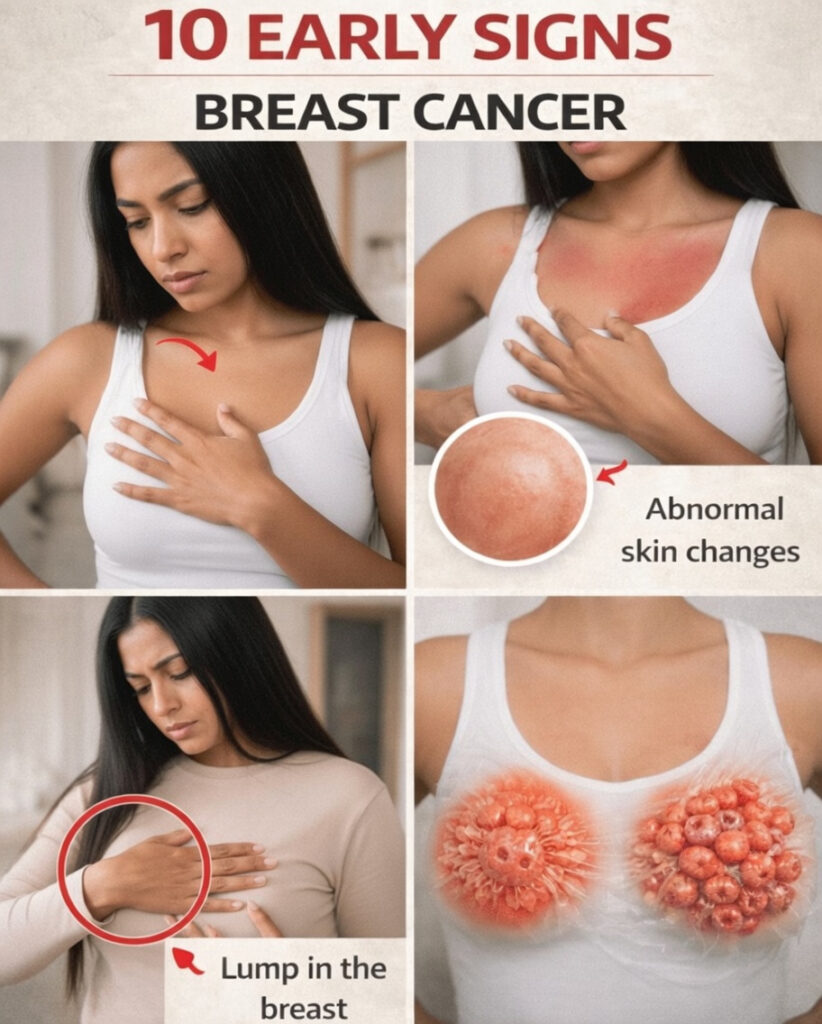
Waking up and noticing that one breast is suddenly swollen, red, or warm can feel alarming. A small dimple, ongoing itch, or subtle change in shape may seem easy to dismiss as hormones or a minor skin issue, but persistent changes deserve attention. Knowing the warning signs of breast cancer can help you recognize unusual symptoms earlier and make informed decisions about your health. By the end of this guide, you will also have a simple monthly self-check routine and know when it is time to call your doctor.
Why It Is Important to Recognize Breast Cancer Warning Signs
Breast changes may develop slowly over time or appear very quickly. In many cases, these symptoms are not painful, which is one reason they are often missed. Understanding common breast cancer symptoms can help you respond calmly, notice what is abnormal for your body, and have clearer conversations with a healthcare professional.
10. Changes in Breast Size or Shape
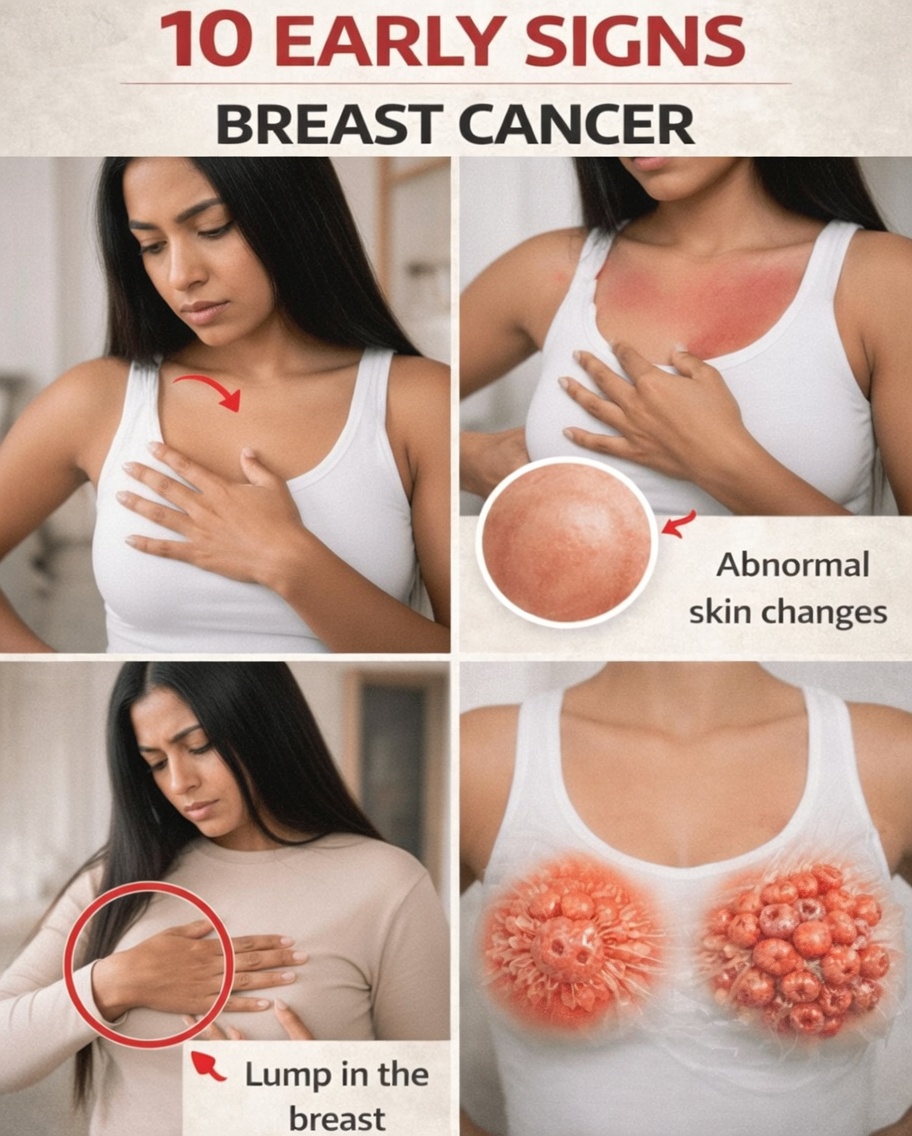
If one breast starts to look larger, fuller, or shaped differently than the other, it may be a sign that something has changed in the tissue. While some variation is normal, a persistent difference that does not go away after your menstrual cycle should be discussed with your doctor.
9. Skin Dimpling or an Orange-Peel Texture
Puckering, small dents, or skin that looks textured like an orange peel can be a warning sign of breast cancer. These changes may happen when fluid collects in the tissue or when underlying structures pull the skin inward. If this appearance remains or worsens, it should be assessed promptly.

8. Ongoing Itching, Irritation, or a Rash
A breast rash that does not improve, or itching that continues despite using creams or changing products, may be more than simple irritation. In some cases, inflammatory breast cancer can look similar to an infection or skin condition. If the area stays red, warm, or itchy, seek medical advice.
7. A Hard Lump or Thickened Area That Does Not Move Easily
One of the most recognized breast cancer symptoms is a firm lump that feels fixed in place. Unlike some benign cysts, it may feel irregular, solid, or anchored to surrounding tissue. Any new lump or area of thickening should be examined by a healthcare provider.
6. Breast or Nipple Pain That Persists
Breast discomfort is common for many reasons, especially around hormonal changes. However, pain that stays in one spot, continues beyond your cycle, or affects the nipple should not be ignored. Persistent pain may need further evaluation, especially if it appears with other breast changes.
5. Swelling in All or Part of the Breast
A breast can become enlarged, puffy, heavy, or warm even when no obvious lump is present. This may happen because of fluid buildup or blocked drainage in the tissue. Unexplained swelling should be checked as soon as possible.
4. Nipple Retraction or New Inversion
If a nipple that normally points outward begins to flatten or pull inward, that change matters. Sudden nipple inversion can occur when internal tissue changes affect the normal structure of the breast. A new inward-turning nipple should always be mentioned to your doctor.
3. Red, Dry, Flaky, or Thickened Skin on the Nipple or Breast
Crusting, scaling, or eczema-like skin changes around the nipple can sometimes be linked to Paget’s disease of the breast. These symptoms may look like simple dryness at first, but if they do not improve or keep returning, they need professional assessment.
2. Nipple Discharge That Is Not Breast Milk
Fluid that comes from one nipple without squeezing, especially if it is bloody, clear, or yellow, can signal changes inside the milk ducts. Not all discharge is cancer-related, but spontaneous discharge should be reported to a healthcare provider.
1. Swollen Lymph Nodes Under the Arm or Near the Collarbone
Tender, enlarged, or firm lumps in the armpit or near the collarbone may be related to swollen lymph nodes. In some cases, this can happen even before obvious breast changes are noticed. Because lymph node swelling may indicate spread, it is important to contact your doctor promptly.

Quick Guide to Common Breast Cancer Warning Signs
| Warning Sign | What It May Look or Feel Like | Why It Matters |
|---|---|---|
| Change in breast size or shape | One breast looks larger, uneven, or misshapen | May reflect underlying tissue changes |
| Skin dimpling or orange-peel texture | Puckered, thickened, or textured skin | Can suggest fluid buildup or tissue pulling inward |
| Persistent rash or itching | Red, irritated, warm, or itchy skin | May occur in inflammatory breast cancer |
| Hard, immovable lump | Firm, fixed, irregular area | One of the classic early symptoms |
| Swelling in all or part of the breast | Puffiness, heaviness, warmth, or enlargement | May be linked to blocked drainage or inflammation |
A Simple Monthly Self-Check Routine
Creating a regular habit can make it easier to notice new or unusual breast changes early.
| Week | Morning Check | Mid-Day Reminder | Evening Action |
|---|---|---|---|
| 1 | Look in the mirror for changes in size or shape | Feel for lumps while showering | Write down any skin changes |
| 2 | Check for nipple inversion or discharge | Watch for redness or rash | Feel under the arms for swollen nodes |
| 3 | Do a full self-exam using gentle pressure | Compare both breasts | Review any new symptoms |
| 4 | Repeat the full routine | Confirm whether screening is due | Acknowledge your consistency |
Making this part of your monthly routine can help you feel more aware and more confident about your breast health.
Practical Tips for Staying Aware
- Do a gentle breast self-exam once a month, either in the shower or in front of a mirror.
- Keep a simple record of any changes so you can describe them clearly during a medical visit.
- Follow your doctor’s recommendations for mammograms and regular screenings.
- Talk about breast cancer symptoms with family and friends so more people know what to watch for.
- Do not wait for a symptom to disappear on its own if it seems unusual or persistent.
When to Contact Your Doctor
Reach out to a healthcare professional if you notice:
- A new lump or thickened area
- Unexplained swelling, redness, or warmth
- Nipple discharge that is not breast milk
- A nipple that suddenly turns inward
- Skin dimpling, flaking, or lasting irritation
- Swollen lymph nodes under the arm or near the collarbone
- Pain that stays in one area and does not improve
Conclusion
You do not have to stay stuck in uncertainty. Learning these 10 warning signs of breast cancer can help you respond early and feel more in control of your health. By understanding common symptoms and following a simple monthly self-check routine, you can spot changes sooner and have more productive conversations with your doctor. Starting this month with your first self-exam is a small step that can make a meaningful difference.
FAQ
How often should I check for breast cancer warning signs?
Most experts recommend a monthly self-check, along with clinical exams and screenings based on your doctor’s advice.
Can men have these breast cancer symptoms too?
Yes. Breast cancer is less common in men, but it can still happen. Any unusual lump, nipple change, or discharge should be evaluated promptly.
What should I do if I notice one of these symptoms?
Contact your healthcare provider as soon as possible. Many breast changes are not cancer, but it is always safest to have new or persistent symptoms examined.