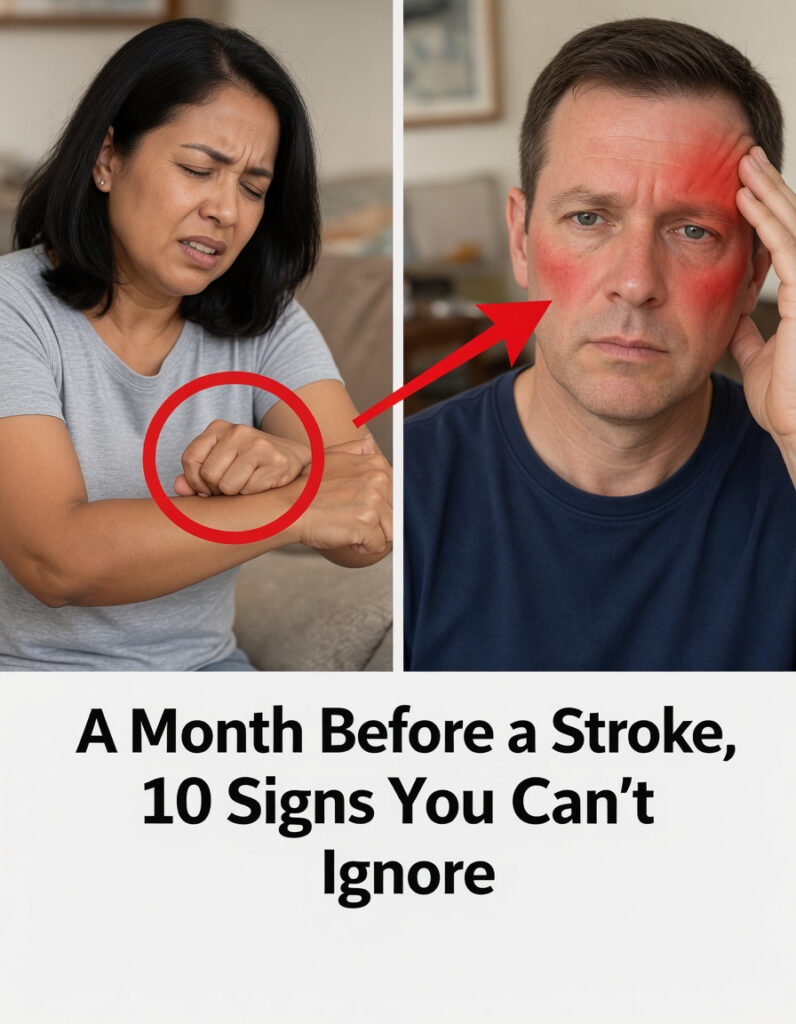
10 Warning Signs of Stroke You Should Never Ignore
Many people move through everyday life without realizing that the body may be quietly signaling a serious health threat such as a stroke. Each year, strokes impact millions of people around the world and can leave lasting effects on movement, speech, memory, and personal independence. Because some early changes seem minor, they are often mistaken for stress, fatigue, or normal aging.
Learning to recognize these warning signs can help you spot problems sooner and take action quickly.
One important clue is especially easy to dismiss, and we’ll reveal that commonly overlooked sign near the end of this guide.
Why These Stroke Signals Matter
A stroke occurs when blood flow to part of the brain is blocked or reduced. Although strokes often happen suddenly, some people experience warning symptoms in the days or even weeks beforehand. Health authorities such as the American Stroke Association and the Centers for Disease Control and Prevention stress that early recognition can improve outcomes.
This information is not meant to create fear. It is meant to help you respond with awareness and confidence if something feels wrong.
10 Signs Your Body May Be Warning You About a Stroke
If any of the symptoms below appear suddenly, seek emergency medical care immediately.
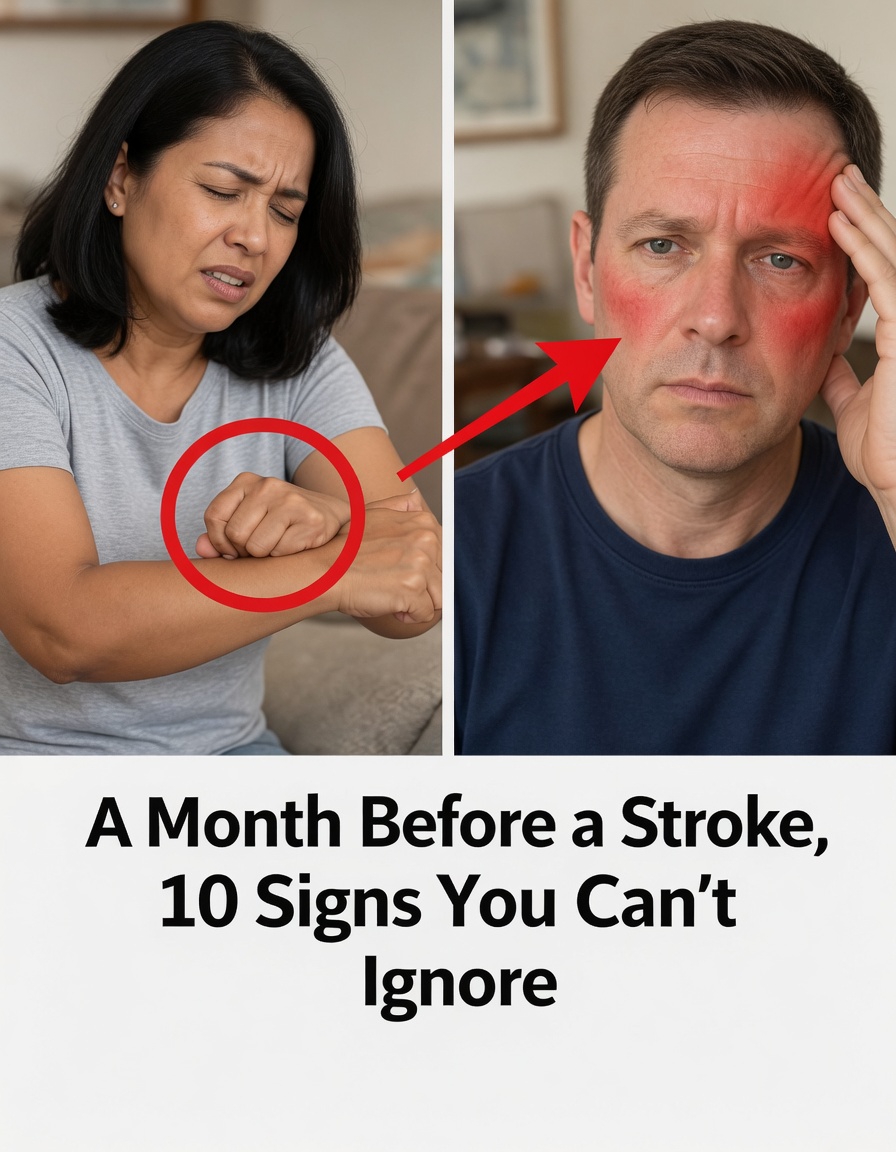
1. Sudden Numbness or Weakness on One Side of the Body
A sudden heavy, tingling, or weak feeling in the face, arm, or leg—especially on only one side—can be a major warning sign. Research from the National Institutes of Health links this symptom to reduced blood flow affecting the brain.
Even if the sensation fades after a short time, it should not be ignored.
2. A Severe Headache That Feels Different Than Usual
A powerful headache that comes on quickly and feels unlike your typical headaches may be a red flag. Mayo Clinic experts note that a sudden, intense headache with no obvious cause can sometimes reflect changes in pressure or bleeding in the brain.
If the pain is abrupt and unusual, get checked right away.
3. Difficulty Speaking or Understanding Speech
You may notice slurred words, trouble forming clear sentences, or confusion while listening to others. According to the American Heart Association, speech problems are among the most recognized stroke warning signs and require immediate attention.
4. Sudden Vision Problems
Blurred vision, double vision, or a dark area in one or both eyes can happen without warning. Stroke research has shown that interrupted blood flow to areas of the brain involved in vision may cause these symptoms.
A sudden change in eyesight should always be taken seriously.
5. Dizziness or Loss of Balance
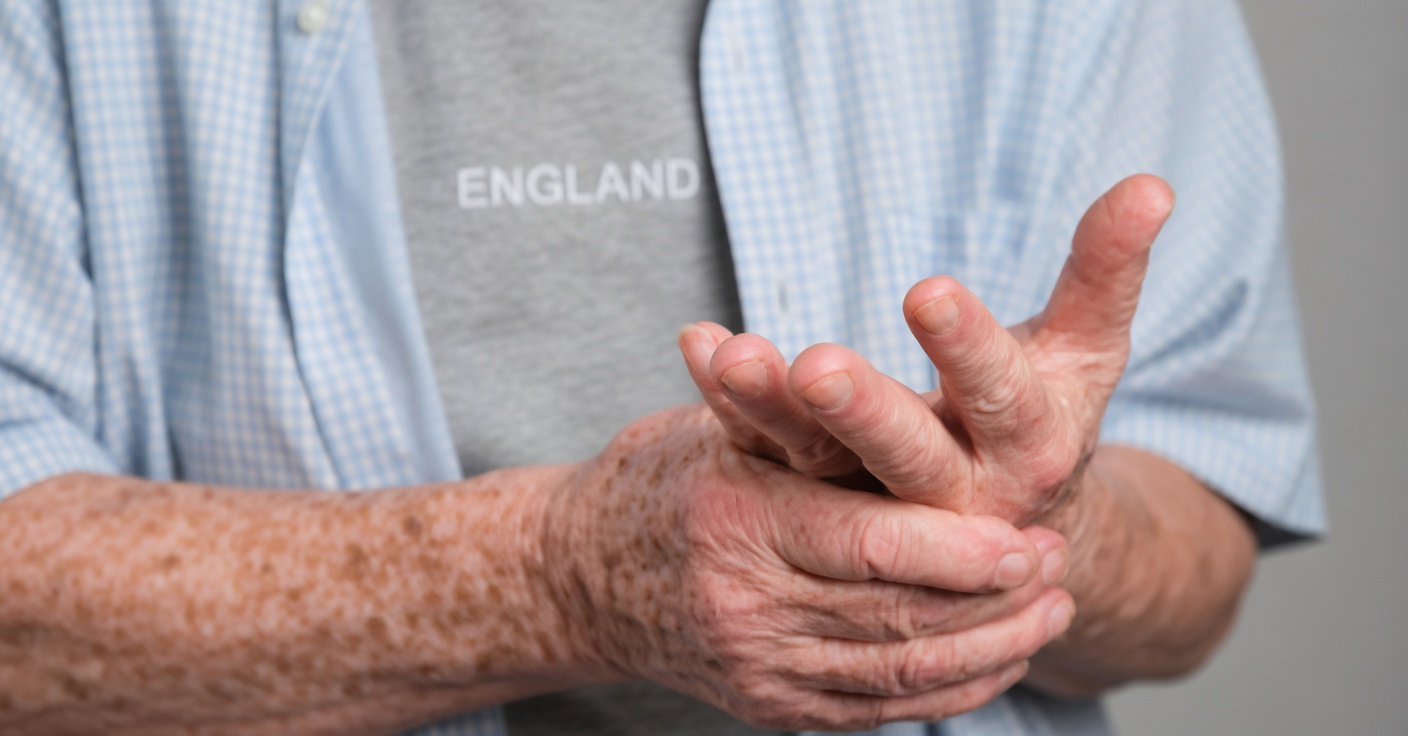
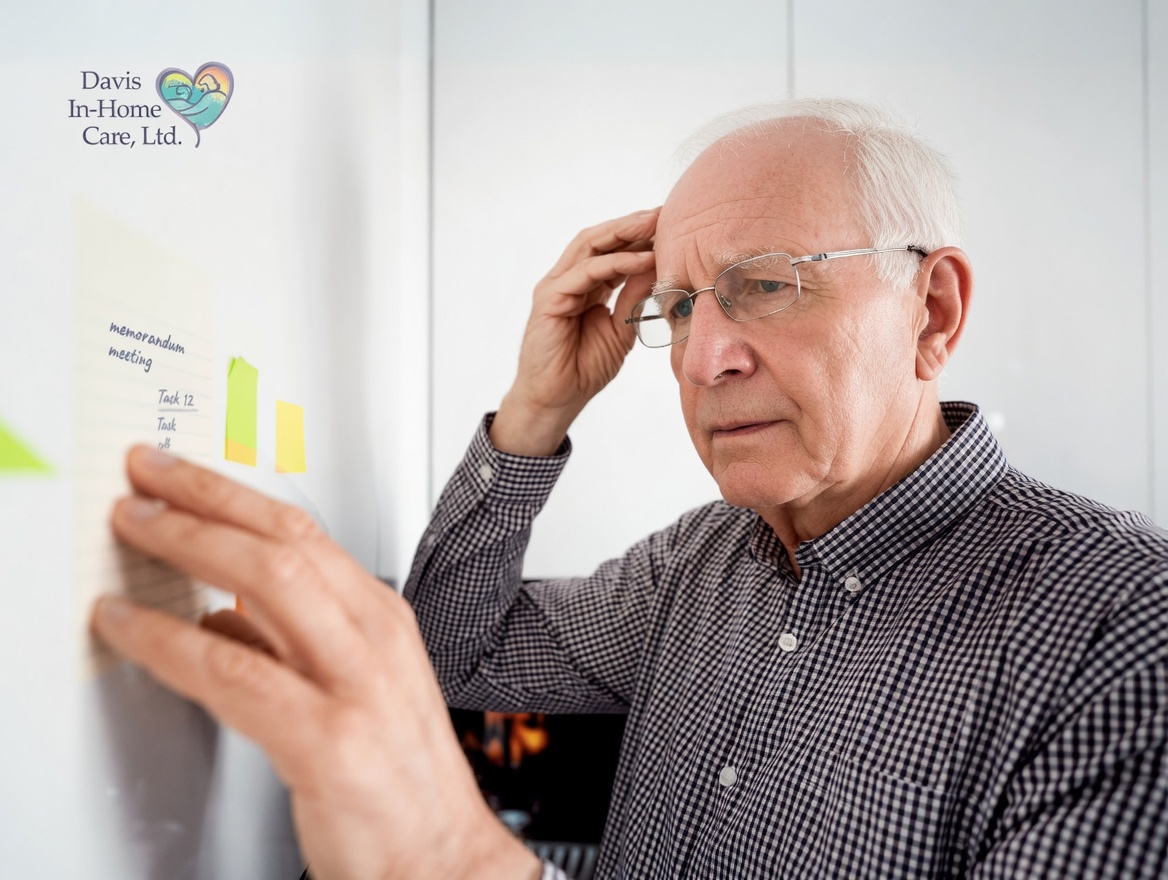
Feeling as if the room is spinning, losing coordination, or becoming unsteady while standing or walking can signal more than ordinary lightheadedness. These symptoms may point to a problem affecting the brain’s balance and coordination systems.
6. Sudden Confusion or Mental Fog
If you suddenly feel disoriented, forget simple information, or cannot think as clearly as usual, that change may be significant. Neurology studies and patient reports often describe confusion as an early stroke-related symptom.
7. Trouble Walking or Poor Coordination
You might notice that one leg feels harder to move, your steps are uneven, or everyday movements suddenly become awkward. The CDC includes walking difficulty and coordination changes among the key symptoms people should watch for.

8. Unusual Extreme Fatigue
A deep level of tiredness that does not improve with rest can sometimes appear before or during a stroke, especially in women, according to findings referenced by the American Heart Association. This kind of exhaustion may feel sudden and out of proportion to your normal routine.
9. Nausea, Vomiting, or Persistent Hiccups
Digestive symptoms are not always linked to stroke, but they can occur alongside neurological changes. If nausea, vomiting, or unexplained hiccups start suddenly and appear with other warning signs, medical evaluation is important.
10. Chest Pain or Shortness of Breath
Chest tightness or difficulty breathing can overlap with broader cardiovascular problems. When these symptoms happen together with confusion, weakness, speech changes, or dizziness, they deserve urgent attention.
Why Mild Symptoms Are Still Important
Stroke warnings do not always appear in a dramatic way. Sometimes they are brief, subtle, or easy to explain away. That is exactly why awareness matters. A symptom that seems small at first may still be a sign of a serious issue.
What to Do Right Away
If you notice any possible stroke symptom, follow these five steps:
-
Check the time
- Write down or remember exactly when the symptoms began. This information is very important for medical professionals.
-
Use the FAST test
- Face drooping
- Arm weakness
- Speech difficulty
- Time to call emergency services
-
Call emergency help immediately
- Contact 911 or your local emergency number instead of trying to drive yourself.
-
Tell responders everything
- Share all symptoms, even if some have already stopped. Also mention any medications you take.
-
Schedule follow-up care
- After emergency treatment, continue care with your doctor for blood pressure checks and risk monitoring.
Everyday Habits That Support Brain and Heart Health
Healthy daily choices can reduce stroke risk over time. Consider these simple habits:
- Monitor your blood pressure regularly
- Stay active with walking or other light exercise most days
- Eat balanced meals with vegetables, fruit, and whole grains
- Manage stress by staying connected to supportive people
- Aim for consistent, high-quality sleep each night
These habits align with guidance from major health organizations and can make a meaningful difference.
The Stroke Warning Sign Many People Overlook
The commonly missed sign mentioned earlier is a series of short, temporary episodes known as transient ischemic attacks (TIAs), often called mini-strokes.
TIAs can feel like brief versions of the symptoms listed above. A person may experience weakness, speech trouble, vision changes, or confusion for only a few minutes, and then everything seems normal again. Because the symptoms disappear, many people assume nothing serious happened.
That can be a dangerous mistake.
Studies show that TIAs may occur days or weeks before a major stroke. Recognizing these short warning events and getting immediate medical care can help prevent something much worse.
Final Thoughts
The body often gives signals before a major health event, and paying attention to them can help you act quickly and wisely. No one can predict every stroke, but understanding these 10 warning signs can help you respond faster and protect your health.
Keep the FAST test in mind, stay aware of unusual changes, and make regular health checkups a priority.
Frequently Asked Questions
Can stroke symptoms appear a month before a major stroke?
In some cases, yes. Certain people experience subtle or temporary symptoms weeks ahead of time, often related to TIAs. However, many strokes still happen suddenly, so any warning sign should be treated as urgent.
What is the difference between a mini-stroke and a stroke?
A transient ischemic attack (TIA) causes symptoms similar to a stroke, but they usually go away within 24 hours. Even so, a TIA is a serious medical warning and should be evaluated immediately because it can come before a full stroke.
How can I reduce my stroke risk naturally?
Lifestyle changes can help lower risk, including:
- Maintaining a healthy weight
- Limiting alcohol
- Avoiding smoking
- Staying physically active
- Managing high cholesterol or diabetes through diet and exercise
Always speak with your doctor for advice tailored to your personal health needs.
Disclaimer
This article is for educational purposes only and is not a substitute for professional medical advice, diagnosis, or treatment. If you experience sudden symptoms that may suggest a stroke, contact emergency services immediately. For personalized care, consult a qualified healthcare provider.