10 Natural Habits to Naturally Support Varicose Veins (Backed by Research)
Living with varicose veins can turn simple routines—like a walk in the park or standing at work—into a daily struggle with heavy, aching legs and prominent, bulging veins. Swelling, throbbing, and fatigue can sap your energy by midday and make you feel self-conscious about your legs, especially after age 40.
The encouraging news: a few consistent, natural lifestyle habits may help support healthier blood flow, ease discomfort, and improve day-to-day comfort for people dealing with varicose veins. Below are 10 research-informed strategies many find useful, plus a special combination tip at the end that may enhance their benefits.
Way 1: Hydrate as if Your Veins Rely on It
By the end of a long day, swelling can make varicose veins feel overwhelmingly painful and heavy.
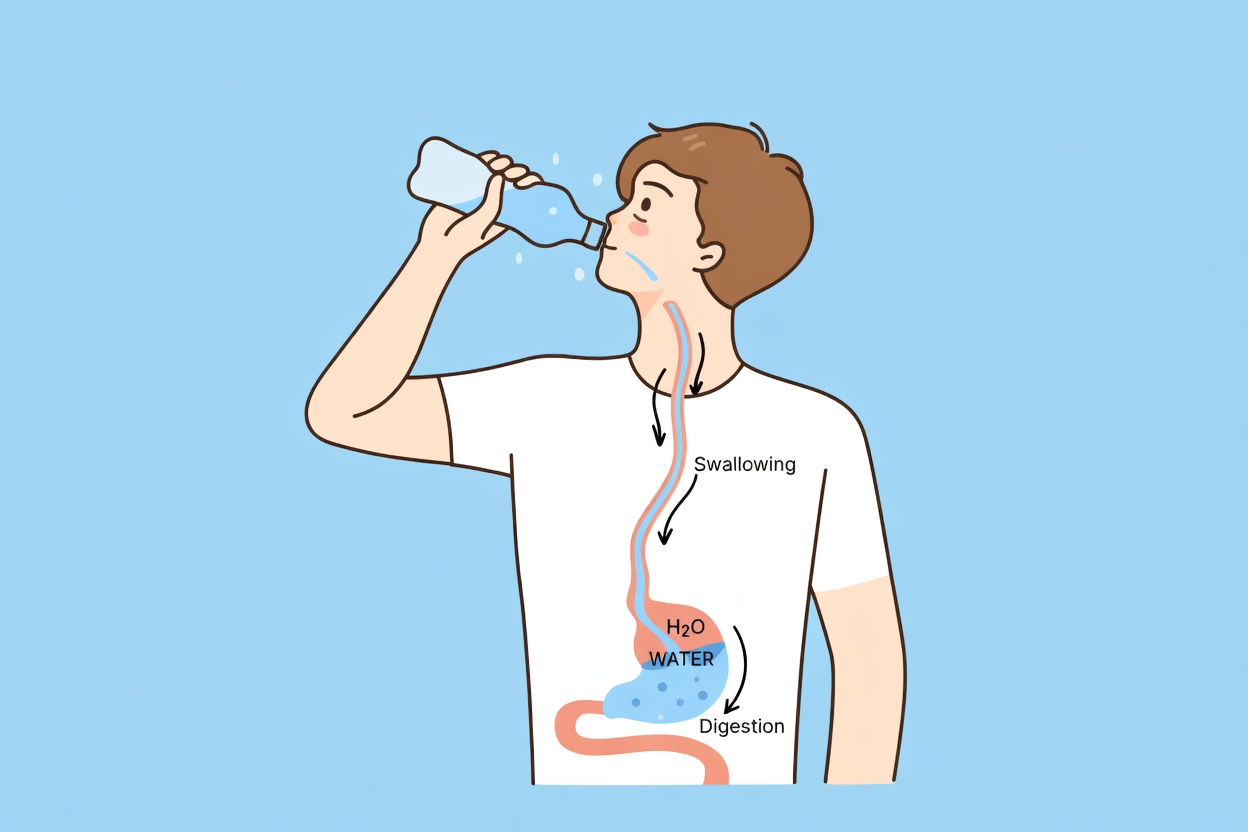
Many people with varicose veins report that simply drinking enough water throughout the day helps them feel lighter, less fatigued, and more energized.
Research suggests that proper hydration supports normal blood viscosity, which in turn encourages smoother blood flow—an important factor when you are prone to varicose veins. Adequate fluid intake may ease some of the additional strain on already stressed veins.
Self-check: On a scale from 1–10, how well do you hydrate during a typical day?
Extra tip: Add lemon slices to your water. Citrus contains antioxidants and vitamin C, which support overall vessel health.
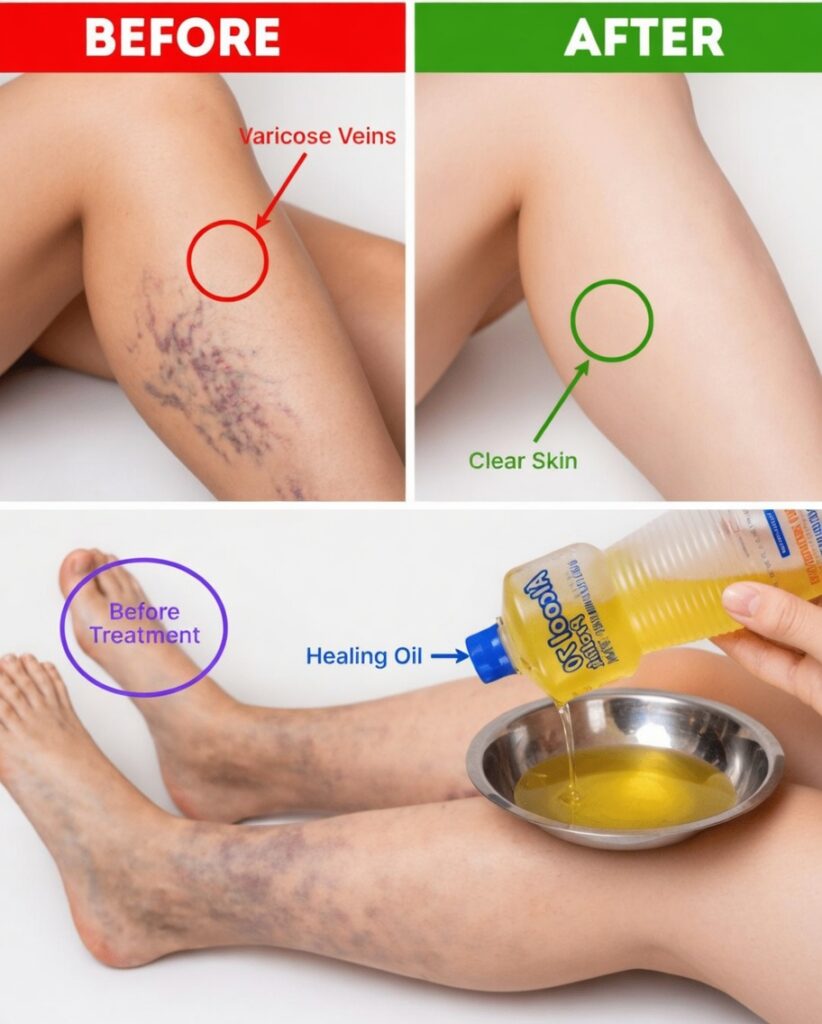
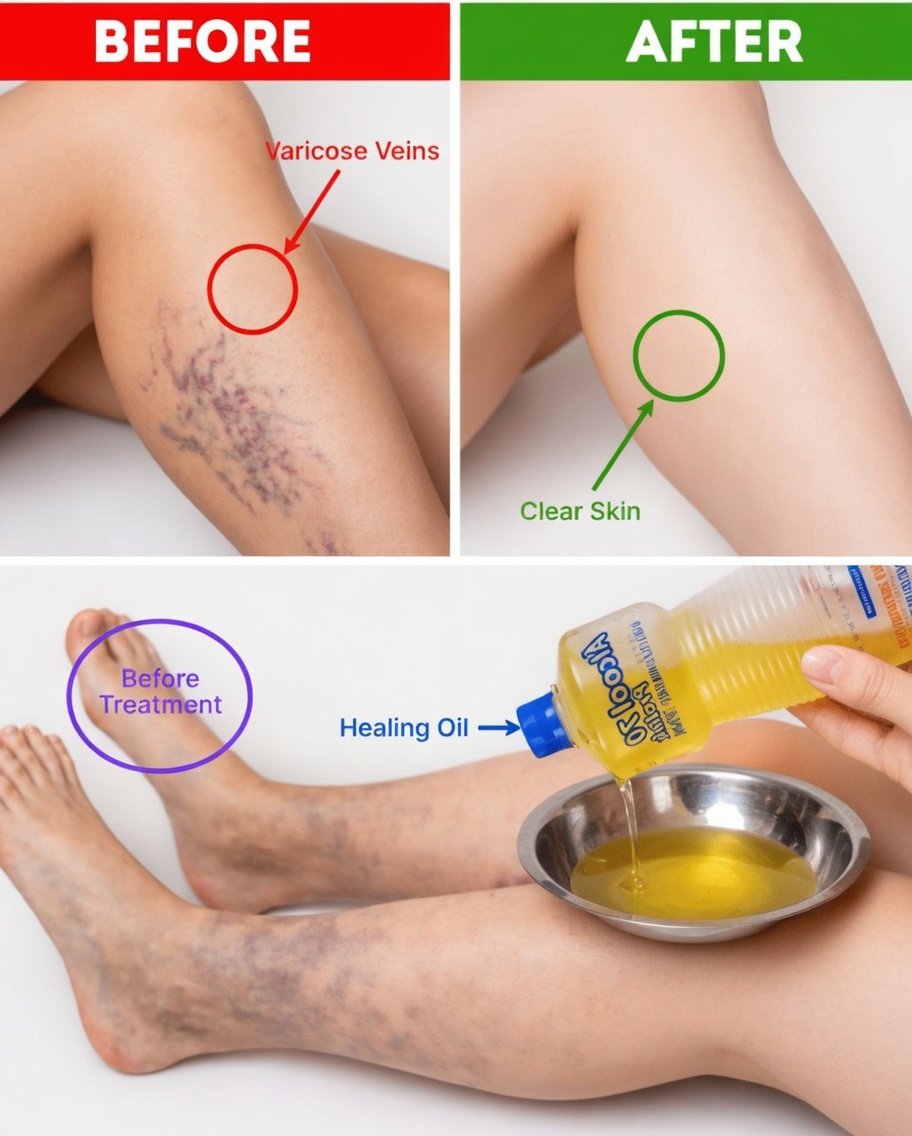
Way 2: Use Gentle Weekly Massage to Encourage Circulation
After a long commute or a demanding day, that burning or tight feeling in your legs can intensify varicose vein discomfort.
Many busy parents and professionals find that a gentle, once- or twice-weekly massage with natural oils helps encourage circulation without placing excessive pressure on sensitive, enlarged veins.
Studies indicate that light massage can support peripheral blood flow and lymphatic drainage. This may help reduce a sense of heaviness and fluid buildup around varicose veins.
- Use light, upward strokes toward the heart.
- Avoid direct, deep pressure on bulging veins.
- When in doubt, talk with a healthcare provider or licensed massage therapist first.
Self-check: How tense do your leg muscles feel on a 1–10 scale?
Way 3: Elevate Your Feet for Simple, Gravity-Assisted Relief
Spending hours on your feet—whether you are a nurse, teacher, retail worker, or caregiver—often leaves your legs throbbing.
Many people with varicose veins find that elevating their legs for about 15–20 minutes a day helps relieve pressure, reduces swelling, and promotes more comfortable circulation.
Research shows that positioning your legs above heart level can decrease venous pressure and assist blood in returning to the heart. This uses gravity in your favor instead of against you.
Try:
- Lying on your back with your legs propped on pillows.
- Resting your calves on the arm of a sofa.
- Putting your feet up on the wall for a short interval.
Self-check: How often do you deliberately elevate your legs during the week?
Below is a quick summary of how a few simple habits may help:
| Common Challenge with Varicose Veins | Natural Habit | How It May Help Support Comfort |
|---|---|---|
| Swollen, heavy legs after work | Daily leg elevation | Reduces pressure in leg veins |
| Cold, tense extremities | Gentle massage | Encourages circulation and lymphatic flow |
| Fatigue from mild dehydration | Adequate hydration | Supports normal blood viscosity and flow |
Pairing elevation with targeted nutrition, like folate-rich foods, can further support vascular health.
Way 4: Eat More Folic Acid–Rich Foods to Support Blood and Vessel Health
What if your everyday greens could become allies in managing varicose veins?
Professionals in demanding jobs have added foods like spinach, asparagus, avocado, and lentils to their daily meals and reported feeling more resilient and supported in their overall leg comfort.
Folic acid (vitamin B9) plays a role in red blood cell production and supports the integrity of blood vessels. When blood flow is compromised, as it often is with varicose veins, sufficient folate may help support ongoing cell renewal in vessel walls.
Good folate sources include:
- Dark leafy greens (spinach, kale, Swiss chard)
- Avocado
- Lentils, chickpeas, and beans
- Asparagus and Brussels sprouts
Self-check: On a scale of 1–10, how often do you eat leafy greens and folate-rich vegetables?
Way 5: Drink Green Tea to Support Healthier Vessels
Cold hands and feet can feel especially frustrating when you already struggle with varicose veins.
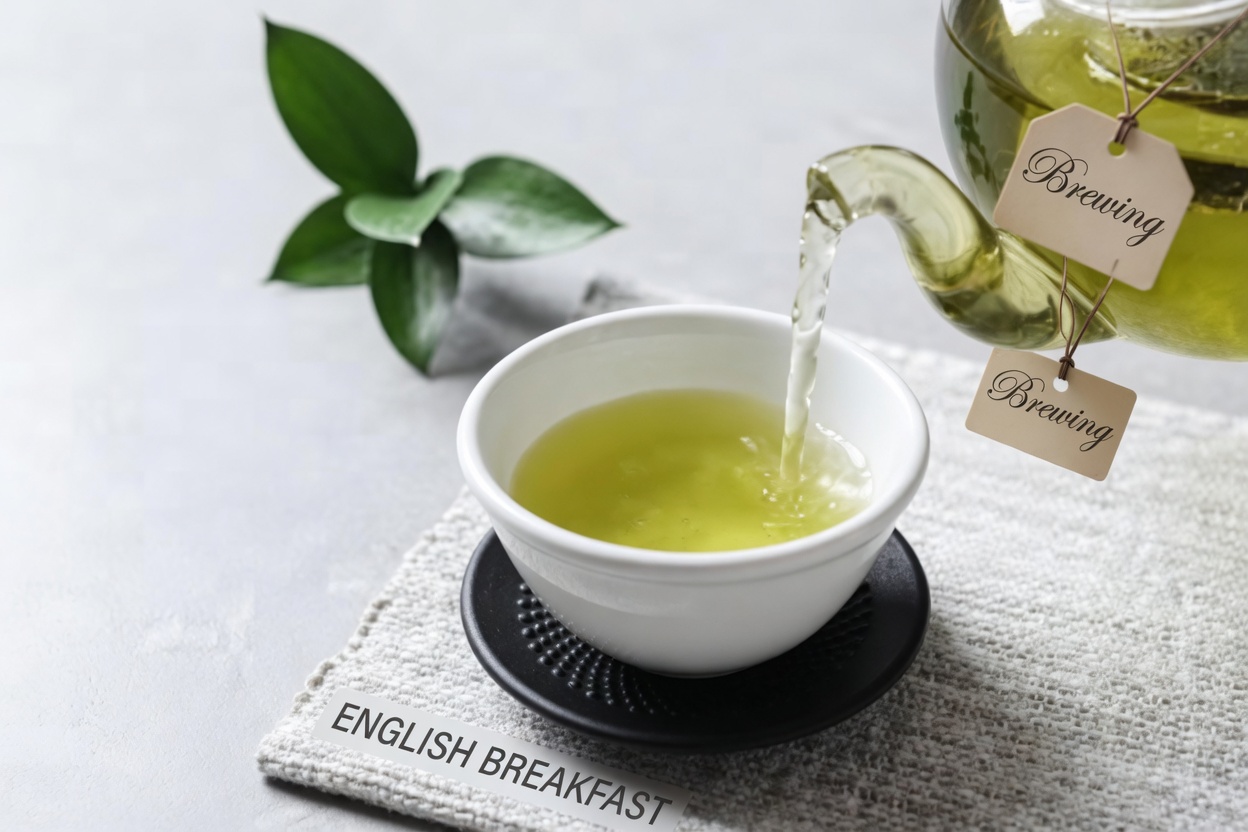
Many people balancing busy family or work lives report that drinking one to two cups of green tea each day helps them feel warmer in their extremities and more supported overall.
Green tea contains antioxidants, particularly catechins and other polyphenols, which may help relax arteries and support healthy blood flow. These compounds can assist with gentle vessel widening, an important factor in circulatory comfort.
Self-check: How often do you choose tea instead of sugary or highly processed drinks?
Insider idea: Steeping green tea with a slice of ginger can provide an additional warming effect and extra antioxidant support.

Mid-article check-in:
- How many strategies have you seen so far? (Answer: 5)
- Which issue bothers you most right now—swelling, heaviness, cold limbs, or fatigue?
- Which habit feels easiest to start this week?
Way 6: Wear Clothing That Doesn’t Restrict Blood Flow
Tight jeans, constricting waistbands, and very snug leggings may look stylish—but they can increase discomfort if you live with varicose veins.
Many writers, office workers, and frequent travelers have switched to looser, more flexible clothing and noticed greater leg comfort and freedom of movement.
Research connects restrictive clothing to reduced blood flow in the lower body, which can aggravate venous issues. In contrast, looser garments allow circulation to move more freely.
Consider:
- Choosing looser-fitting pants or skirts.
- Avoiding overly tight belts or shapewear for long periods.
- Prioritizing comfort on long flights or car rides.
Self-check: How comfortable and non-restrictive is your wardrobe on a 1–10 scale?
Way 7: Quit Smoking to Protect Your Blood Vessels
If you smoke, the constant strain on your cardiovascular system can make varicose vein discomfort even more noticeable.
Former smokers with varicose veins often report easier breathing, better stamina, and less overall vascular stress after quitting.
Tobacco use damages the lining of blood vessels and reduces the body’s natural protective mechanisms. Stopping smoking gives your body a chance to repair and maintain healthier vessel function, which is especially important if you already have varicose veins.
Self-check: If you currently smoke, how would you rate your dependency from 1–10?
Support from healthcare professionals, counseling, or cessation programs can make quitting more achievable.
Way 8: Add Warming Spices to Meals for Circulatory Support
Cold, sluggish-feeling limbs can dampen your mood and energy when you have varicose veins.
Many chefs, creatives, and home cooks have begun adding spices such as cayenne pepper, garlic, ginger, and turmeric to their meals and noticed a pleasant sense of warmth and vitality.
Capsaicin (found in cayenne) and other plant compounds in these spices may help relax blood vessels and support healthy blood pressure. Combined, they gently encourage circulation and a warming sensation in the extremities.
Ideas to try:
- Sprinkle cayenne or chili flakes into soups or stews.
- Add fresh garlic to sautés and dressings.
- Include ginger and turmeric in teas, curries, or smoothies.
Self-check: How comfortable are you with spicy or strongly flavored foods, from 1–10?
Here are a few “advanced” habit pairings for extra support:
| Advanced Habit for Varicose Vein Support | Why It May Help | Pro Twist for Better Results |
|---|---|---|
| Combine warming spices with green tea | Synergistic circulatory support | Brew green tea with ginger and a pinch of cayenne |
| Gentle self-massage after light exercise | Maintains daily momentum | Use a natural oil and focus on relaxed, upward strokes |
| Track leg comfort each week | Builds awareness and consistency | Note swelling, heaviness, and energy levels in a log |
Way 9: Enjoy Red Wine in Moderation, If You Drink
Evenings with family or friends can feel overshadowed by health worries, including those related to varicose veins.
Some individuals who already drink alcohol occasionally choose a single glass of red wine instead of other options and report feeling they are at least supporting circulation a bit more wisely.
Red wine contains antioxidants, such as resveratrol and certain polyphenols, which may help support healthy vessel function and reduce the tendency of blood components to clump. However, this potential benefit only applies in strict moderation.
- Limit to about one small glass on days you choose to drink.
- Avoid using alcohol as a primary “treatment” for any health condition.
- Always follow your doctor’s guidance, especially if you take medication.
Self-check: On a 1–10 scale, how healthy are your current drinking habits?
Way 10: Consider a Pet to Encourage Daily Walks
Loneliness and inactivity can make numbness, heaviness, and low mood feel even more intense when you have varicose veins.
Many retirees and solo adults who adopted a dog discovered that regular walks not only lifted their spirits but also naturally improved leg circulation and reduced the sense of isolation.
Walking is one of the simplest, most accessible exercises for supporting venous return in the legs. Gentle, consistent movement helps the calf muscles act as a “pump” to move blood back toward the heart.
Benefits of pet-inspired walks:
- More daily steps with less “forced” exercise feeling
- Regular routine that supports long-term circulation
- Emotional companionship and stress relief
Self-check: Would adding a pet—and daily walks—realistically fit your lifestyle?
Bringing It All Together: Building a Lifestyle That Supports Varicose Veins
These 10 natural habits are not quick fixes, but together they can form a powerful, vein-supportive lifestyle. Hydrating well, elevating your legs, eating folate-rich foods, enjoying green tea and warming spices, choosing non-restrictive clothing, staying smoke-free, moving regularly, and making mindful choices about alcohol can all work in your favor.
Imagine how your legs might feel after 30 consistent days:
- Less heaviness and swelling
- Warmer, more comfortable feet and calves
- Improved energy and confidence in your daily movements
Exclusive Power Combination Tip
To amplify the benefits, try this simple daily combo for at least 4 weeks:
- Morning: Start the day with a glass of water (with lemon) and a short walk.
- Afternoon: Elevate your legs for 10–15 minutes and enjoy a cup of green tea with ginger.
- Evening: Eat a folate-rich meal with warming spices, then apply a brief, gentle leg massage using light, upward strokes.
This integrated routine supports hydration, circulation, vessel health, and relaxation all at once—creating a layered, comprehensive approach to living more comfortably with varicose veins.