Living with Varicose Veins: 10 Natural Ways to Support Healthier Veins
At the end of a long day, standing up can make your legs feel heavy, sore, and worn out—especially when varicose veins are involved. Those twisted, raised blue or purple veins are more than a cosmetic concern; they can lead to swelling, discomfort, and fatigue that make everyday activities feel draining.
Varicose veins often become more noticeable with age, pregnancy, weight gain, or when your routine involves long periods of sitting or standing. While they cannot always be prevented or reversed, thoughtful lifestyle choices may help support better circulation and ease daily symptoms.
Below are 10 practical, research-informed strategies that work together to promote healthier veins and more comfortable legs when you’re living with varicose veins.
10. Stay Well Hydrated to Support Circulation in Varicose Veins
When you are dehydrated, your blood can become more concentrated, which may make it harder for already stressed veins to push blood back toward the heart. For people with varicose veins, this can contribute to that familiar feeling of heaviness and fatigue in the legs.
Staying hydrated helps maintain normal blood volume and flow. Aim for roughly 8 glasses (about 2 liters) of water per day, and increase your intake if you are very active or live in a hot climate. Many people notice slightly better energy and less leg heaviness when hydration is consistent.
Hydration sets the stage, but movement and posture are the next key players in managing varicose veins.
9. Choose Low-Heeled Shoes and Non-Restrictive Clothing
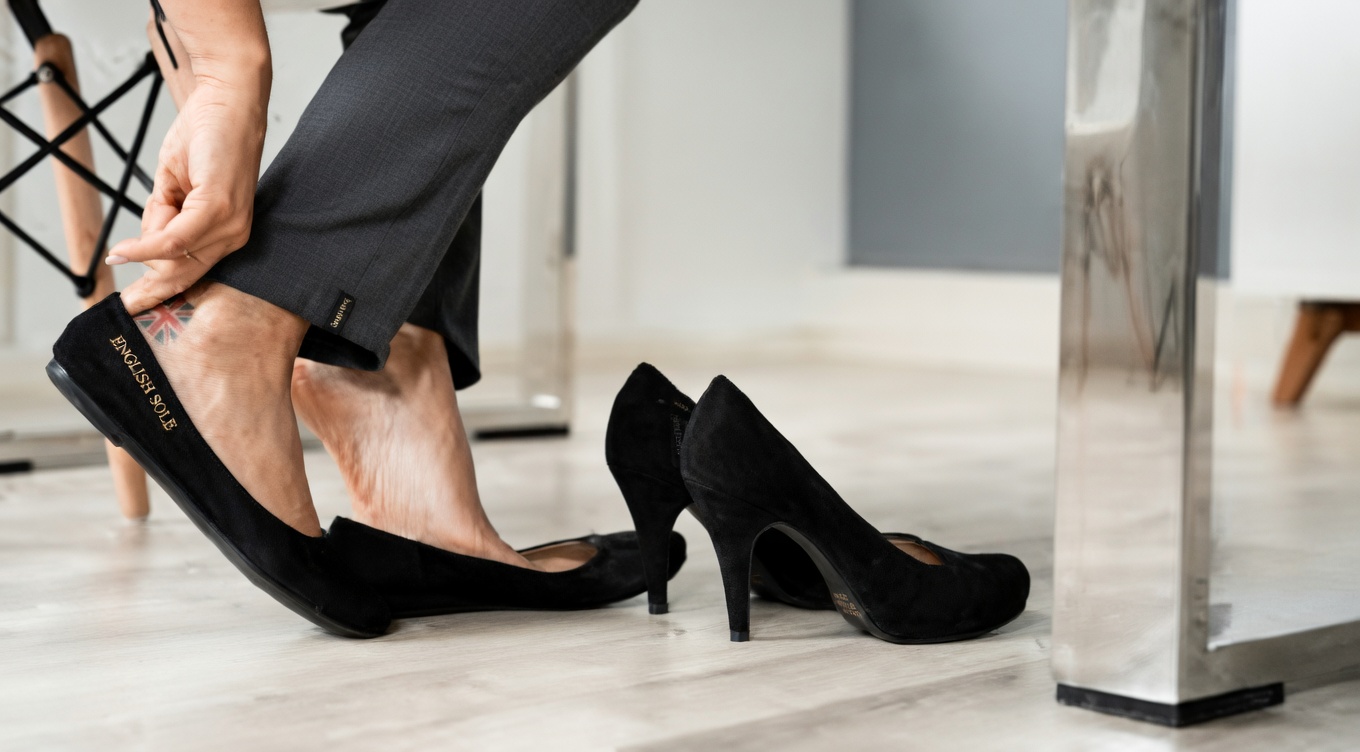
High heels and tight clothing can interfere with healthy circulation in the legs. Heels shift your body weight forward and reduce the efficiency of the calf muscle pump, while tight waistbands, skinny jeans, or compressive garments around the groin and thighs can impede venous return.
To help varicose veins:
- Opt for low-heeled or flat shoes that let your calf muscles work naturally.
- Avoid very tight clothing around the waist, hips, thighs, and calves.
- Prioritize comfortable, loose-fitting garments that allow blood to flow freely.
These simple wardrobe adjustments can lessen pooling and reduce end-of-day achiness in legs affected by varicose veins.
8. Elevate Your Legs to Let Gravity Work for You
Leg elevation is a classic, low-effort technique that can quickly ease pressure in varicose veins. By lying down and raising your legs above heart level, you allow gravity to help drain blood and excess fluid from the lower legs.
How to do it:
- Lie on your back and rest your legs on pillows, a wedge, or the back of a sofa.
- Keep your feet comfortably higher than your chest.
- Aim for 15–20 minutes, several times a day, when possible.
People with varicose veins often report that their legs feel lighter and less swollen after regular sessions of elevation.
7. Use Gentle Massage to Soothe Heavy, Tired Legs
Soft, upward massage strokes can help encourage fluid movement in the legs and support venous return, offering short-term relief from varicose vein discomfort.
Try this approach:
- While sitting or lying with legs slightly elevated, use your hands to lightly stroke from ankle toward knee, and then toward the thigh.
- Always move in the direction of the heart.
- Keep pressure very gentle and avoid direct pressure over bulging varicose veins or any tender areas.
Combining light massage with leg elevation can be particularly soothing and may temporarily reduce that constant heavy feeling in the legs.
6. Wear Compression Stockings for Daily Varicose Vein Support
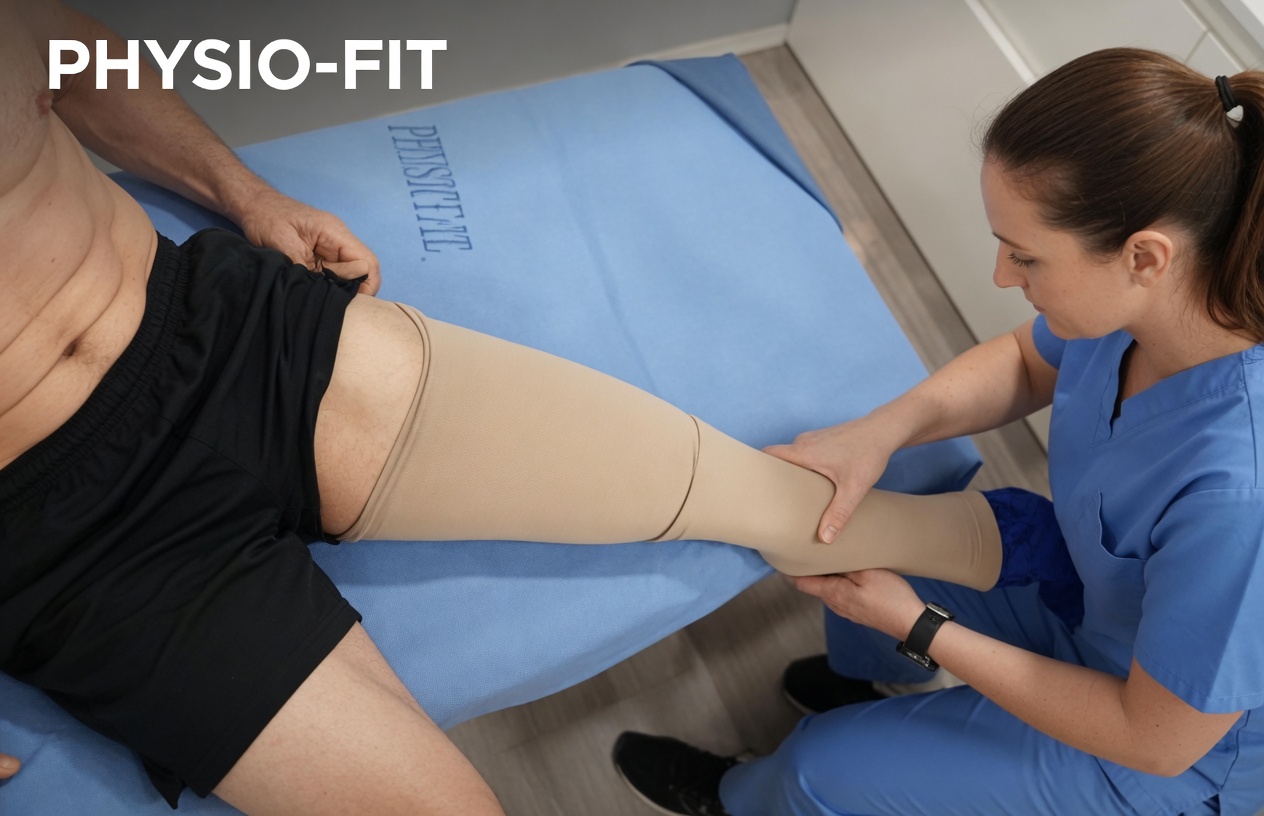
Graduated compression stockings are specifically designed to apply the most pressure at the ankle and gradually less as they go up the leg. This external support helps veins and leg muscles push blood upward, counteracting some of the effects of varicose veins.
Key points:
- Knee-high stockings in the 18–21 mmHg range are commonly recommended for mild to moderate symptoms.
- Studies suggest regular use can decrease pain, swelling, and feelings of leg fatigue in people with varicose veins.
- It’s best to be professionally measured to ensure correct size and compression level.
Think of compression stockings as a structured, supportive layer that works quietly all day to help your circulation.
5. Eat Flavonoid-Rich Foods to Nourish Vein Health
A diet abundant in flavonoids—plant compounds with antioxidant and anti-inflammatory properties—may support the integrity of blood vessel walls and promote healthier circulation, especially useful for those with varicose veins.
Flavonoid-rich choices include:
- Berries (blueberries, strawberries, blackberries)
- Citrus fruits (oranges, lemons, grapefruit)
- Grapes and red wine (in moderation)
- Dark leafy greens (kale, spinach, Swiss chard)
- Onions, garlic, and cocoa
Research connects flavonoids with improved vascular tone and reduced inflammation. Over time, regularly incorporating these foods may help lessen puffiness and discomfort in varicose-prone legs.
4. Commit to Regular Low-Impact Exercise
Movement is one of the most powerful natural tools for supporting circulation in varicose veins. Low-impact exercises activate the calf muscles, which act as a “second heart” to pump blood from the legs back to the upper body.
Beneficial activities include:
- Brisk walking
- Swimming or water aerobics
- Cycling (outdoors or on a stationary bike)
- Gentle yoga or Pilates with leg-focused movements
Aim for about 30 minutes of low-impact activity on most days of the week. Many people notice less end-of-day throbbing and fullness in their legs once regular exercise becomes a habit.
3. Consider Horse Chestnut Seed Extract (Under Medical Guidance)
Horse chestnut seed extract (HCSE), standardized for its active compound aescin, has been studied for chronic venous insufficiency—a condition closely related to varicose veins.
What research suggests:
- HCSE may help reduce leg swelling, discomfort, and feelings of heaviness.
- Some clinical trials have found improvements in pain and itching associated with venous problems.
Important cautions:
- Always talk with your healthcare provider before starting HCSE, especially if you are pregnant, breastfeeding, on medications, or have liver or kidney conditions.
- Use only standardized, reputable products designed for oral use (raw horse chestnut is toxic).
HCSE can be one piece of a broader varicose vein management plan, but it should be used under professional supervision.
2. Explore Grape Seed or Pine Bark Extract for Antioxidant Support
Grape seed extract and pine bark extract (such as Pycnogenol) are rich in oligomeric proanthocyanidins (OPCs), potent antioxidants that may help protect and strengthen blood vessels, including veins affected by varicose veins.
Potential benefits:
- Support for vein wall strength and elasticity
- Reduced inflammation and oxidative stress in the vascular system
- Possible improvements in leg swelling and circulation in early studies
As with any supplement:
- Consult your doctor or a qualified practitioner before use.
- Be cautious if you are taking blood thinners or other medications, as interactions are possible.
These plant-based extracts are often used alongside lifestyle changes to support overall vein health.
1. Maintain a Healthy Weight to Reduce Pressure on Varicose Veins
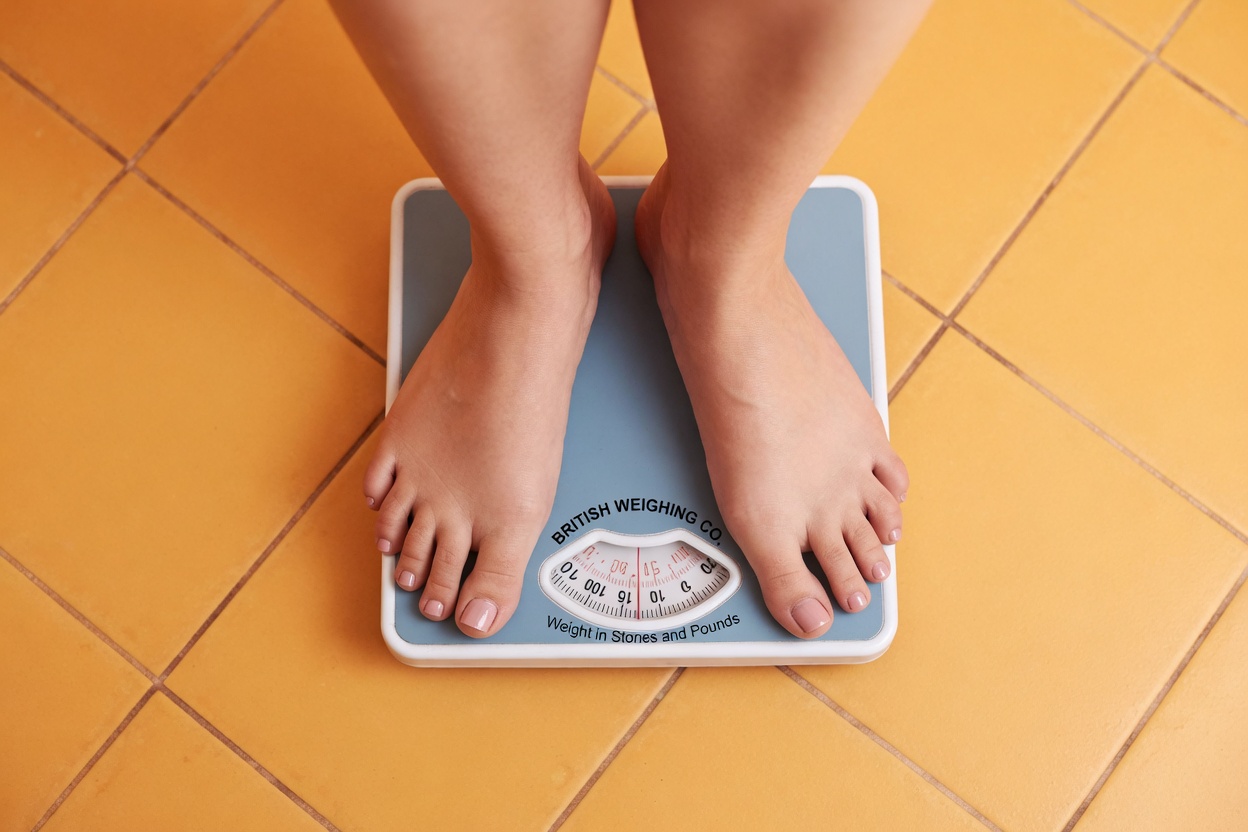
Excess body weight places additional pressure on the veins in your legs, which can worsen varicose vein symptoms such as pain, swelling, and fatigue. Even modest weight loss can make a noticeable difference in how your legs feel.
Helpful strategies:
- Focus on a balanced diet rich in vegetables, fruits, lean proteins, whole grains, and healthy fats.
- Pair dietary changes with regular low-impact exercise.
- Aim for gradual, sustainable weight loss rather than rapid, extreme diets.
When combined with other habits—like movement, compression stockings, and hydration—maintaining a healthy weight often becomes one of the most impactful long-term approaches for managing varicose veins.
Quick Comparison: Natural Ways to Support Veins with Varicose Veins
The strategies below often work best when combined—for example, wearing compression stockings while walking or elevating your legs after exercise.
| Natural Approach | Main Benefit | How It Helps Blood Flow | Ease of Implementation |
|---|---|---|---|
| Stay Hydrated | Prevents overly thick blood | Supports normal blood volume and fluidity | Very easy (daily habit) |
| Low-Heeled Shoes & Loose Clothing | Reduces restriction on veins | Allows freer venous return from the legs | Easy |
| Leg Elevation | Relieves pressure and swelling | Uses gravity to drain pooled blood and fluid | Very easy |
| Gentle Massage | Eases heaviness and minor fluid buildup | Encourages upward movement of blood and lymph | Easy (with caution) |
| Compression Stockings | Provides structured external support | Compresses veins to assist the calf muscle pump | Moderate (needs fitting) |
| Flavonoid-Rich Foods | Supports vessel strength and flexibility | Reduces inflammation and improves vascular tone | Easy (dietary change) |
| Low-Impact Exercise | Activates calf muscle “pump” | Actively drives blood back toward the heart | Moderate (consistency needed) |
| Horse Chestnut Seed Extract | May reduce swelling and leg discomfort | Helps maintain vein integrity and function | Moderate (consult a doctor) |
| Grape Seed/Pine Bark Extract | Offers strong antioxidant protection | Supports vessel strength and microcirculation | Moderate (consult a doctor) |
| Healthy Weight Maintenance | Lowers pressure on leg veins | Reduces overall strain on the circulatory system | Ongoing, long-term effort |
These options are not cures for varicose veins, but together they can support more comfortable legs and healthier circulation.
Simple Guide to Getting Started with Varicose Vein Support
To put these ideas into practice safely and sustainably:
-
Begin with a Few Easy Changes
Start with 2–3 simple habits—such as drinking more water, elevating your legs daily, and choosing low-heeled shoes. Notice how your legs feel over the next couple of weeks. -
Use Compression Stockings Correctly
- Get professionally fitted if possible.
- Wear them during the day, especially when you’ll be sitting or standing for long periods.
- Remove them at night and regularly check your skin for irritation or pressure marks.
-
Introduce Supplements Carefully
- If you are considering horse chestnut, grape seed, or pine bark extract, discuss them with your healthcare provider first.
- Choose standardized products from reputable brands.
- Monitor for side effects or interactions with your current medications.
-
Stay Consistent and Patient
Lifestyle strategies for varicose veins work gradually. Consistent daily habits—hydration, movement, leg elevation, and supportive nutrition—often bring the best results over time.
If your varicose veins cause significant pain, sudden swelling, skin changes, or sores, or if you are concerned about their appearance or progression, seek advice from a healthcare professional or vein specialist. Combining medical guidance with these natural approaches can offer the most comprehensive support for your vein health.