Natural Ways to Support Healthy Blood Flow and Relieve Varicose Vein Discomfort
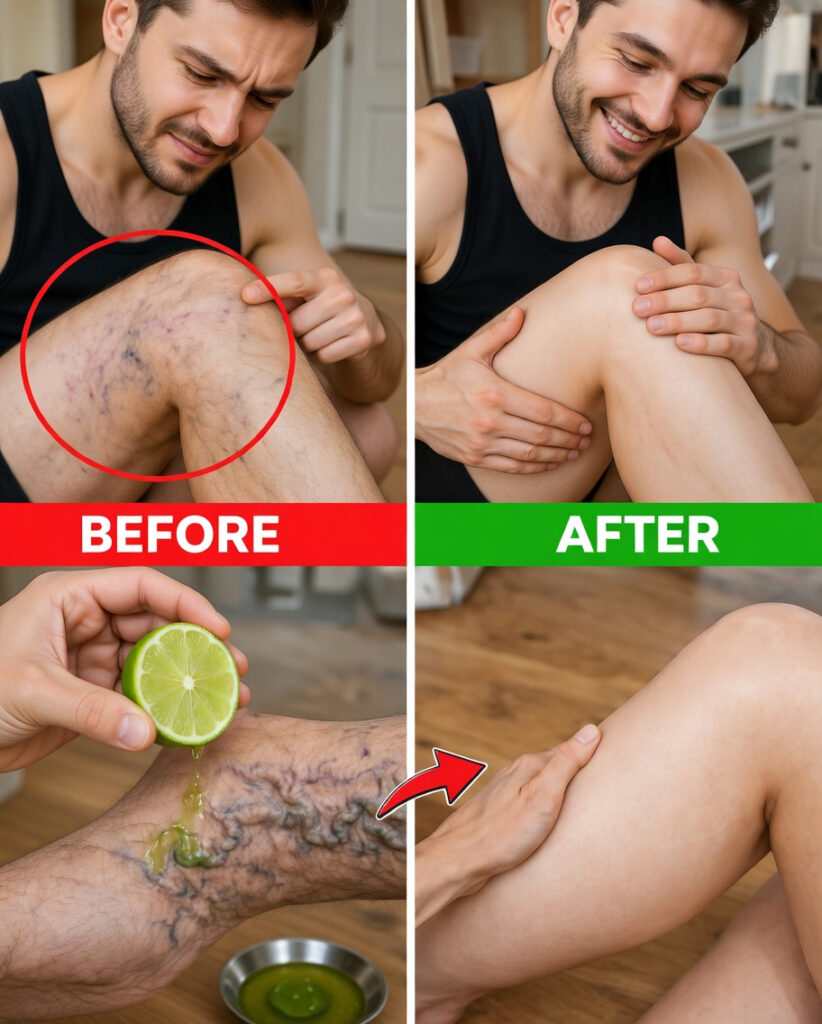
That deep, heavy ache in your legs after a long day can make even ordinary activities feel draining, especially when varicose veins begin to show. The throbbing, swelling, and visible blue or purple veins can affect both comfort and confidence, while also raising concerns about circulation. The good news is that many people are turning to gentle, natural strategies to encourage healthier blood flow and reduce the discomfort linked to varicose veins using simple ingredients and daily habits they already know.
This guide walks through practical options, starting with easy everyday adjustments and moving toward the lifestyle changes that may have the biggest impact.
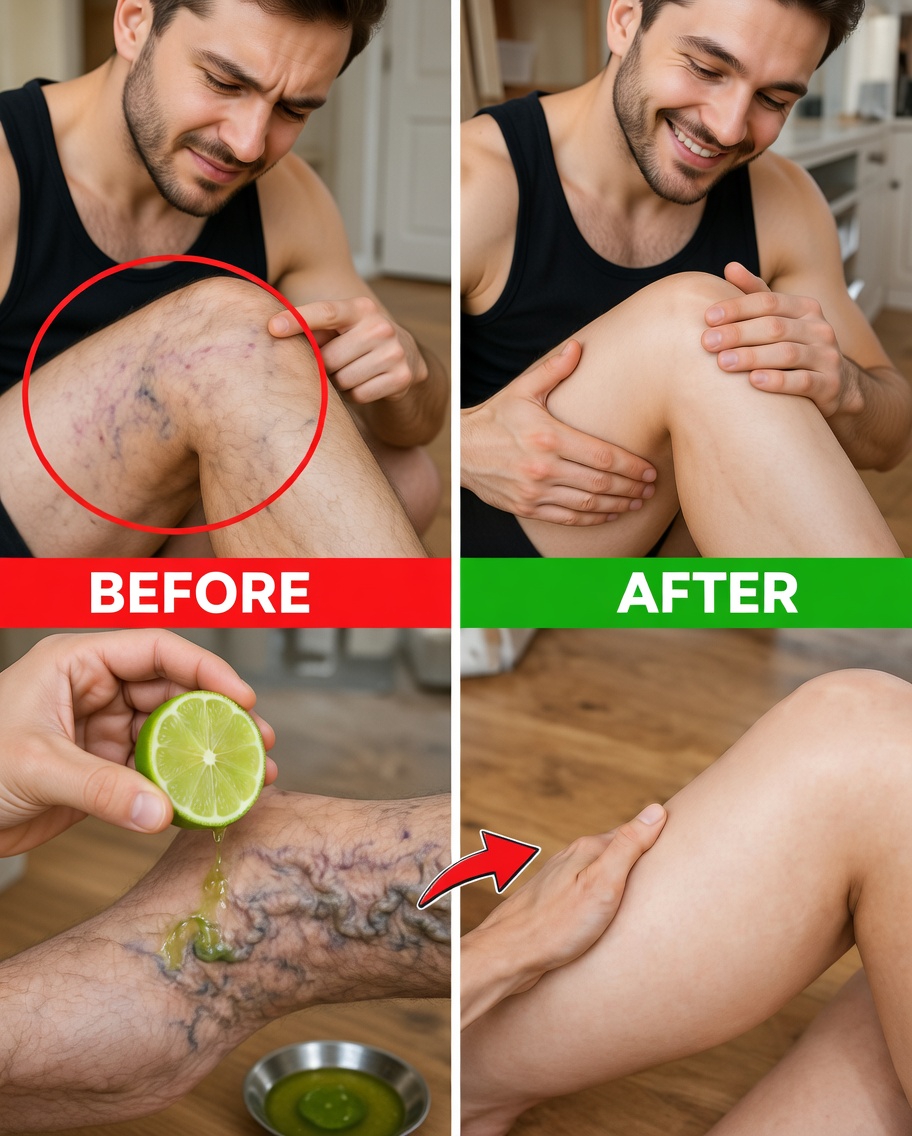
Why Blood Flow Support Matters for Varicose Veins
Varicose veins can make daily life feel more difficult than it should. Standing too long, walking, or even sitting for extended periods may lead to swelling, fatigue, and a persistent sense of heaviness in the legs. Over time, poor circulation can make these symptoms feel worse.
Natural approaches that support blood flow may help reduce discomfort by improving the everyday habits that influence vein health. While they are not a cure, they can be a helpful part of a supportive routine.
1. Drink Enough Water Every Day
When your legs already feel swollen and tired from varicose veins, dehydration can make things worse. Staying well hydrated is one of the easiest ways to support smoother circulation.
Drinking enough water may help blood move more efficiently through the body, which can reduce some of the strain placed on veins. For people dealing with varicose veins, this simple habit may help lessen feelings of heaviness and swelling.
2. Use Gentle Leg Massage to Encourage Circulation
Varicose veins are often accompanied by muscle tightness, tenderness, or a burning sensation that makes long days harder to manage. A gentle self-massage with light oil can be a soothing way to support circulation.
Use smooth strokes moving upward, toward the heart. This may encourage lymphatic drainage and help reduce pressure in the legs. Done regularly, light massage can leave your legs feeling more relaxed and less heavy.
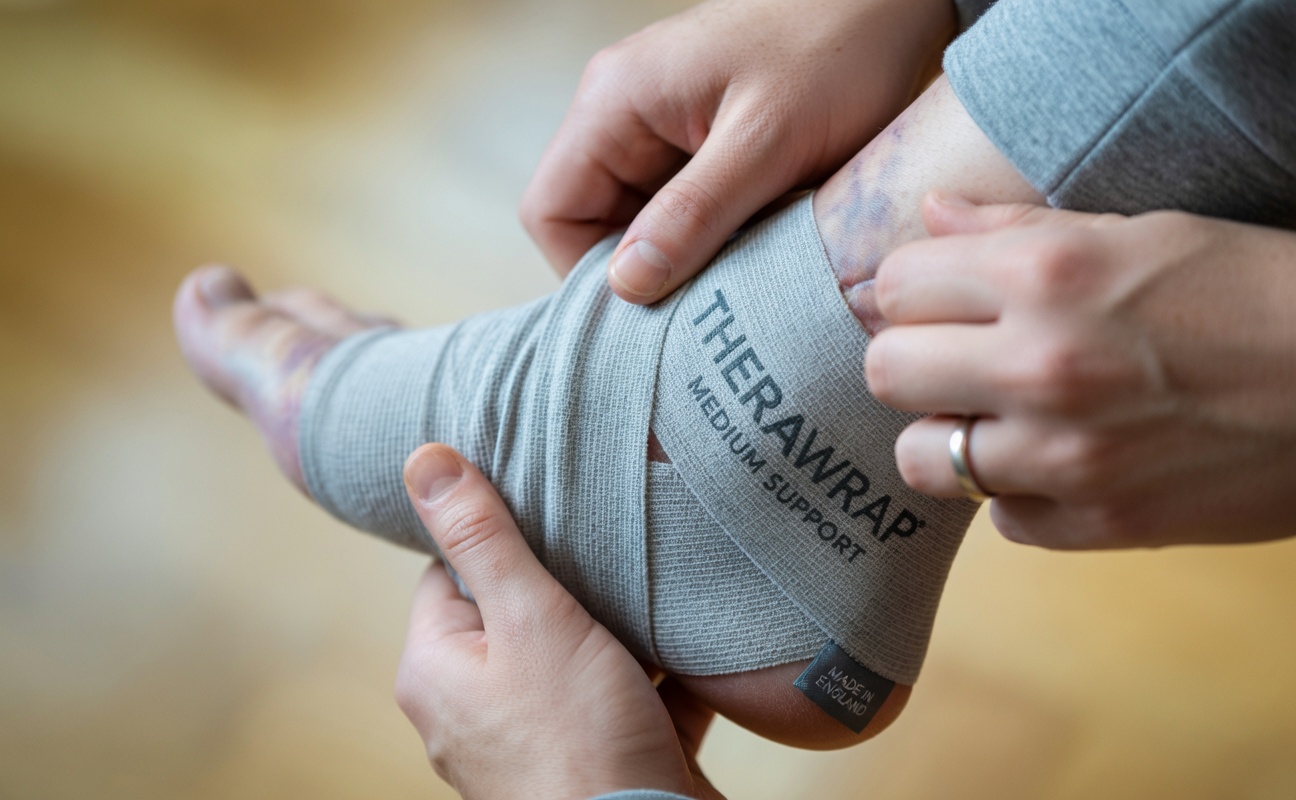
3. Elevate Your Feet to Ease Pressure
If your legs throb after standing for hours, foot elevation can provide quick relief. Raising your feet for 15 to 20 minutes each day is a simple but effective habit for people with varicose veins.
By using gravity to help blood return toward the heart, elevation may reduce swelling and relieve pressure in the veins. It is an easy routine to add at the end of a busy day.
4. Eat More Foods Rich in Folic Acid
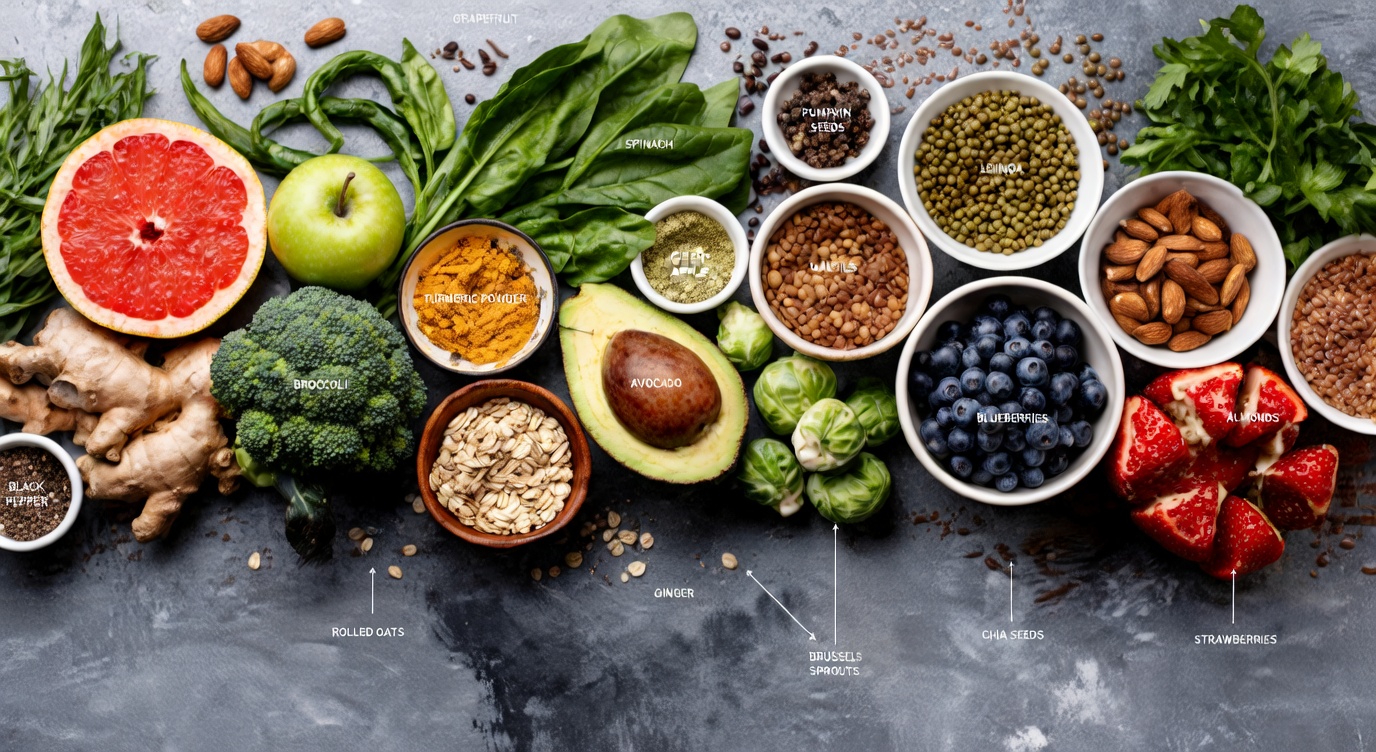
A nutrient-poor diet can leave you feeling sluggish, especially when varicose veins already affect your energy and comfort. Adding folate-rich foods such as spinach, avocado, and other leafy greens may support better circulation.
These foods help support red blood cell function and may contribute to stronger blood vessel walls. For people managing varicose veins, this nutritional support can be a useful addition to a vein-friendly lifestyle.
5. Drink Green Tea for Antioxidant Support
Cold hands and feet can be frustrating signs of sluggish blood flow, and varicose veins may make that issue more noticeable. Drinking two cups of green tea a day may offer gentle support for circulation.
Green tea contains polyphenols and other antioxidants that may help blood vessels relax and function more efficiently. For some people, this can contribute to steadier circulation and improved comfort.
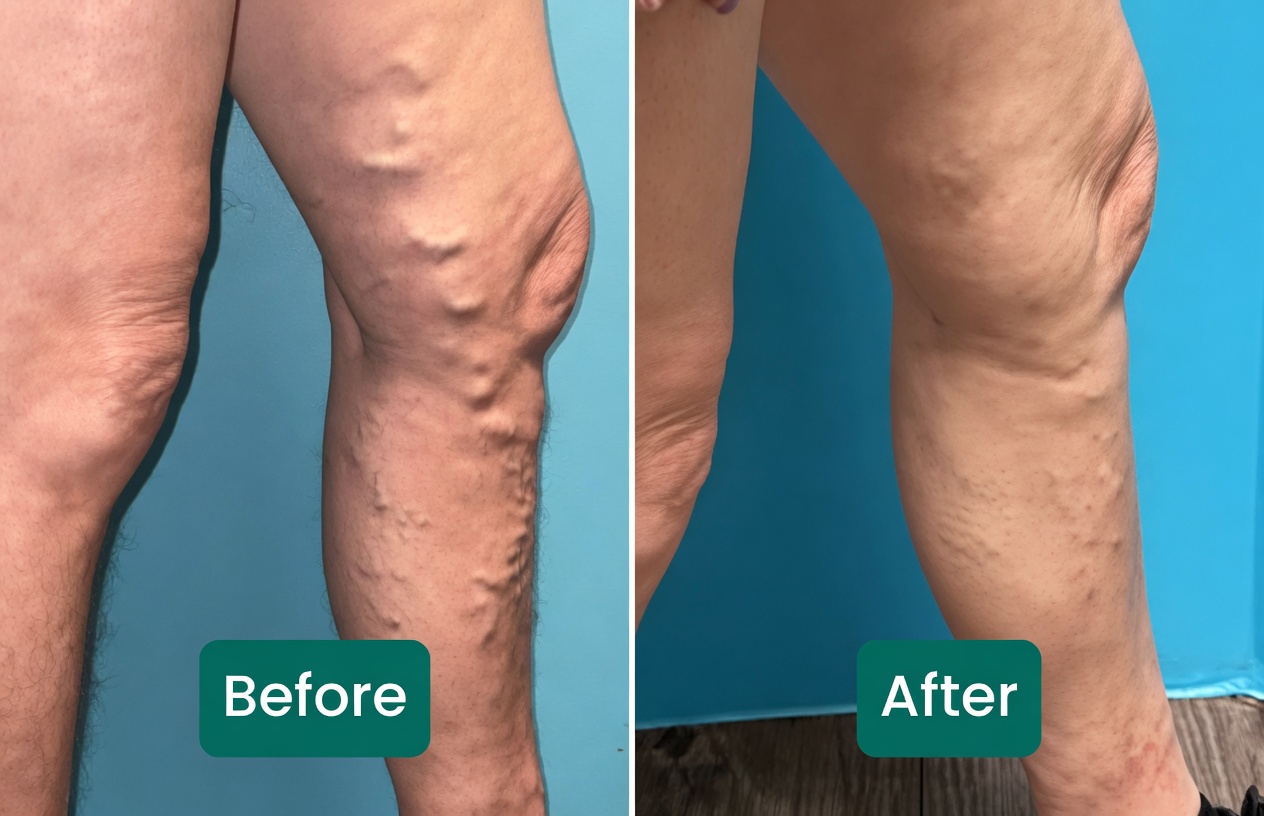
6. Wear Loose, Comfortable Clothing
Tight clothing, especially around the waist, thighs, or calves, can create extra pressure that makes varicose vein discomfort feel more obvious. Swapping restrictive clothes for looser options is a small change that can make a difference.
Comfortable clothing allows blood to move more freely and may help prevent added pressure on veins. It can also make daily movement easier and more comfortable.
7. Stop Smoking to Protect Vein Health
Smoking can harm blood vessels and circulation, which may worsen the appearance and discomfort of varicose veins over time. Quitting smoking is one of the most meaningful steps you can take for overall vascular health.
As the body begins to recover, many people notice better warmth, improved energy, and healthier circulation. For anyone concerned about vein health, giving up smoking can be one of the most important long-term changes.
8. Add Warming Spices to Your Meals
Cold extremities, sluggish mornings, and poor circulation often go hand in hand. Including warming spices like garlic, ginger, and cayenne pepper in your meals may help support blood flow naturally.
These ingredients are thought to gently encourage circulation by helping blood vessels relax and expand. They also add flavor to meals, making this one of the easiest habits to maintain.
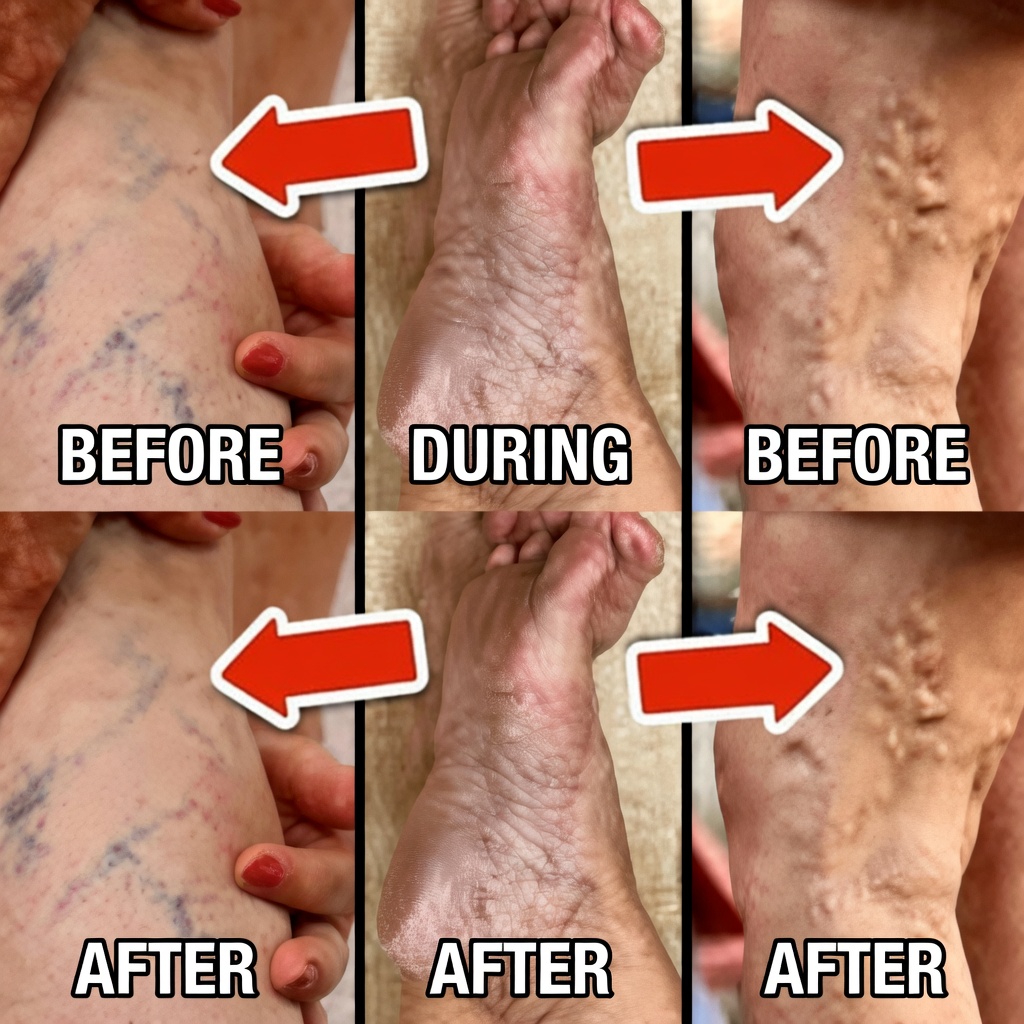
9. Enjoy Red Wine in Moderation
Stress at the end of the day can leave blood vessels feeling tight, which may make varicose vein symptoms seem more noticeable. An occasional glass of red wine may offer antioxidant benefits when enjoyed responsibly.
Its natural compounds may help support heart and vascular health, and some evidence suggests it may help reduce platelet sticking. Moderation is essential, but for some adults, this can be a mindful addition to a balanced routine.
10. Get a Pet to Inspire Daily Walking
Heavy legs and numb feet can make movement less appealing, and that often leads to even less activity. Adopting a dog or spending time with an active pet can encourage consistent daily walks.
Gentle exercise is one of the best natural ways to support circulation. Regular walking may help strengthen blood vessels, reduce stress, and improve comfort for people with varicose veins. The companionship is an added benefit that can support emotional well-being too.
Quick Comparison: Natural Ways to Support Blood Flow with Varicose Veins
| Natural Approach | How It May Support Blood Flow | Potential Benefit for Varicose Vein Discomfort |
|---|---|---|
| Hydration | Helps blood move more smoothly | May reduce swelling |
| Gentle leg massage | Encourages lymphatic drainage | Can ease heaviness |
| Foot elevation | Supports blood return using gravity | May lower vein pressure |
| Folic acid-rich foods | Supports vessel and red blood cell health | May improve circulation |
| Green tea | Provides antioxidants that may relax vessels | Can help warm hands and feet |
A 30-Day Plan to Support Blood Flow Naturally
Creating a routine is often easier when it is broken into simple weekly steps. Here is a practical 30-day plan to help you build consistency.
| Week | Morning Habit | Mid-Day Habit | Evening Habit |
|---|---|---|---|
| 1 | Drink enough water throughout the day | Try a gentle leg massage | Elevate feet for 20 minutes |
| 2 | Add green tea to your routine | Include folate-rich foods at meals | Wear loose clothing all day |
| 3 | Add warming spices to meals | Take a short daily walk | Notice changes in comfort |
| 4 | Continue the habits that work best | Stay consistent with elevation | Reflect on progress and improvements |
Many people find that after several weeks of consistent effort, their legs feel steadier and discomfort becomes easier to manage.
Actionable Tips for Better Blood Flow with Varicose Veins
- Track your daily water intake so hydration becomes an easy, repeatable habit.
- Combine leg massage with foot elevation for extra comfort.
- Choose a balanced, lower-salt diet to help reduce swelling.
- Be consistent, since supportive habits often work best over time.
- Speak with your doctor before making major changes, especially if you already have significant varicose vein symptoms or circulation concerns.
Conclusion
Varicose veins do not have to control your comfort, energy, or daily routine. With simple natural habits that support healthy blood flow, you may be able to reduce discomfort and feel more at ease in your body. Start with one or two changes, stay consistent, and let small daily improvements build over time.