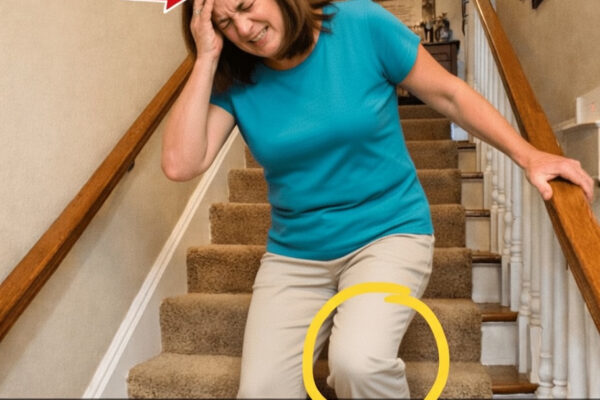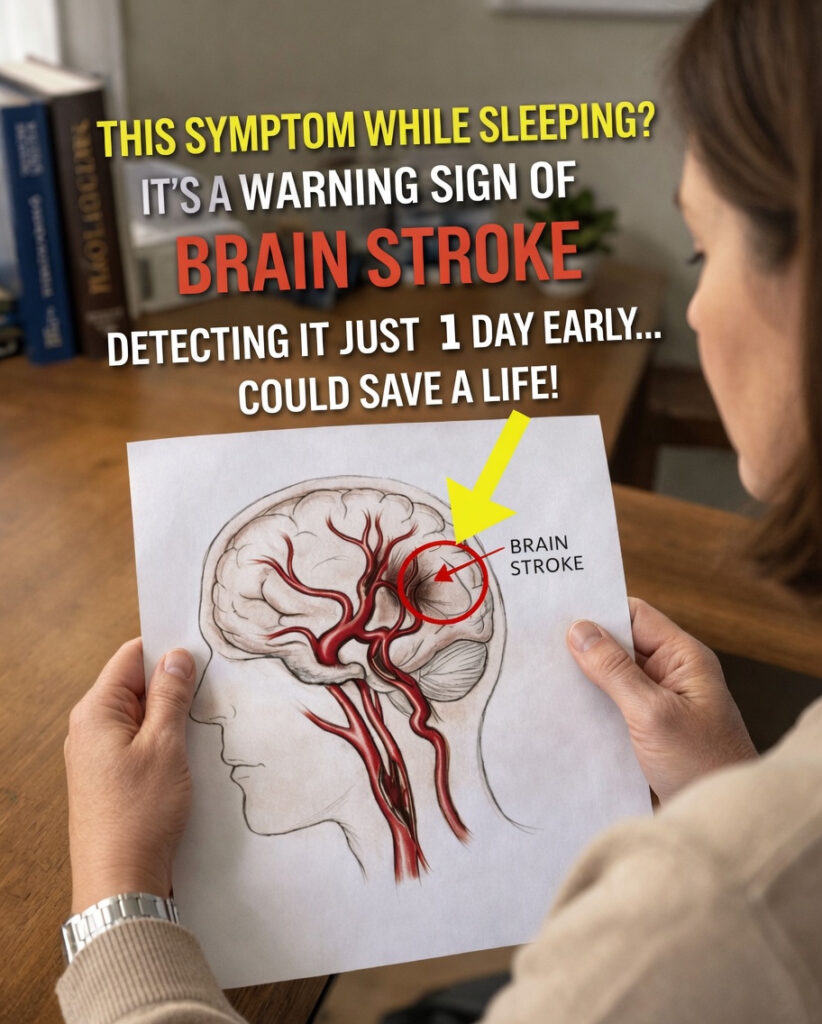
Nighttime Stroke Warning Signs: 7 Symptoms You Should Never Ignore
Waking up in the middle of the night with a numb arm, a dry mouth, or an odd feeling in your head can be unsettling. For many adults over 50, these symptoms are often dismissed as poor sleep, an awkward sleeping position, or simply getting older. Unfortunately, ignoring these possible nighttime warning signs of stroke can lead to serious consequences later.
The uncertainty can also take a toll on your sleep and peace of mind. The good news is that once you understand what these symptoms may mean, you can respond sooner and better protect your brain health.
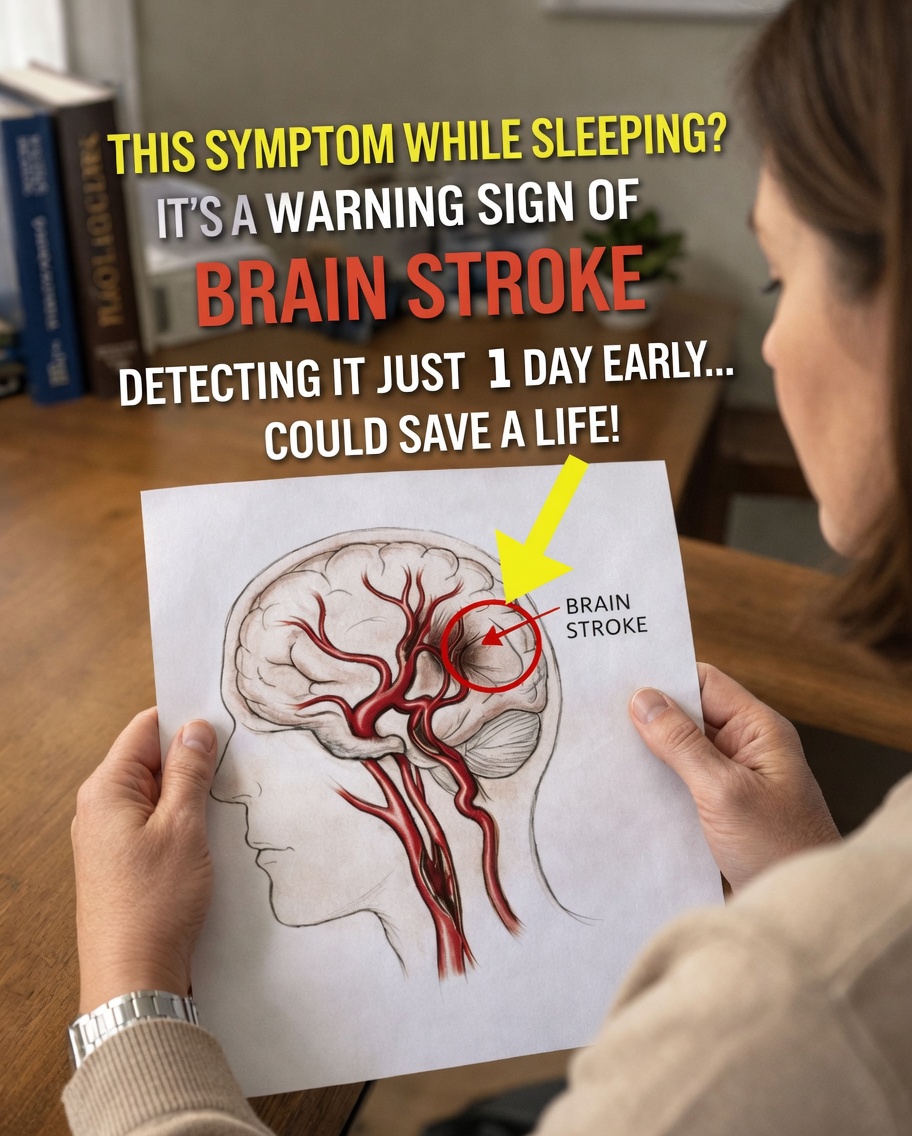
Why Stroke Symptoms at Night Are Easy to Miss
A stroke or mini-stroke can begin quietly during sleep. Because you are not talking, walking, or actively moving, important changes may go unnoticed until you wake up. Blood pressure also naturally shifts during the night, which may contribute to these events.
Across the world, many people overlook nighttime warning signs of stroke until a more severe episode occurs. Knowing what to watch for gives you a better chance to seek help early.
7 Nighttime Warning Signs of Stroke to Watch Closely
Some symptoms may seem minor at first, but they should not be ignored, especially if they appear suddenly or feel unusual.
-
Numbness on one side of the body upon waking
A sudden loss of feeling in one arm, leg, or one side of the face is one of the most common warning signs. -
Tingling in the arm, leg, or face during the night
Pins and needles that do not fade quickly may be more than pressure from sleeping awkwardly. -
Brief trouble speaking when you get up at night
Difficulty pronouncing words or speaking clearly, even for a short time, can be a serious clue. -
Confusion after waking up
Feeling mentally foggy in an unusual way, especially if it lingers, may signal something more than ordinary sleepiness. -
A strange headache that wakes you early
A sudden headache that feels different from your usual headaches may be linked to changes in circulation. -
Weakness or heaviness on one side
If one arm or leg feels unusually heavy or weak, it could point to a neurological problem. -
Several symptoms happening together
When numbness, confusion, speech trouble, or headache appear at the same time, the concern becomes much greater.

How to Tell the Difference Between Sleep Discomfort and Stroke Warning Signs
Not every numb arm or odd sensation during the night means a stroke. Sometimes it is simply caused by sleeping in the wrong position. Still, there are key differences that can help you decide when to take symptoms seriously.
| Symptom During Sleep | Likely Harmless Cause | Possible Nighttime Warning Sign of Stroke |
|---|---|---|
| Numbness or tingling | Gets better within minutes after changing position | Lasts 10–15 minutes or longer |
| Difficulty speaking | Does not occur | Brief trouble saying words clearly |
| Confusion on waking | Clears quickly | Feels unusual and continues |
| Headache | Mild and familiar | Sudden and unlike your normal headaches |
| One-sided weakness | Not present | Real heaviness or weakness on one side |
In many cases, nighttime warning signs of stroke involve a combination of symptoms rather than just one mild complaint.
Why Stroke Warning Signs Can Appear During Sleep
During sleep, blood pressure can rise or fall quickly. This is especially important for people with high blood pressure, diabetes, or heart disease. These health conditions can increase the likelihood of a stroke-related event overnight.
Another reason these episodes are often missed is simple: while asleep, you may not notice changes in speech, coordination, or balance. By the time morning comes, the symptoms may have faded or become harder to explain. That is why many people only recognize the problem after the fact.

Risk Factors That Raise the Chance of Nighttime Stroke Symptoms
Some people are more likely to experience nighttime warning signs of stroke than others. Your risk may be higher if you:
- Are over 60
- Have high blood pressure
- Live with diabetes
- Have high cholesterol
- Smoke
- Carry excess weight, especially around the waist
- Have a history of heart problems
Many people feel completely normal during the day and still experience stroke-related warning signs at night. These risk factors often work silently, which is why awareness matters so much.
A Simple 4-Week Plan to Lower Your Risk
Small daily habits can help reduce your risk and improve overall brain and heart health.
| Week | Morning Habit | Mid-Day Habit | Evening Habit |
|---|---|---|---|
| 1 | Check blood pressure at home | Take a 20-minute gentle walk | Eat a light dinner at least 2 hours before bed |
| 2 | Monitor blood sugar if you have diabetes | Cut back on salt | Practice 5 minutes of deep breathing |
| 3 | Take all prescribed medications | Drink enough water during the day | Keep your bedroom cool and quiet |
| 4 | Review any nighttime symptoms with your doctor | Continue all healthy habits | Tell family members about any symptoms |
Following a routine like this can help you recognize patterns early and reduce the risk of nighttime warning signs of stroke.
Practical Ways to Stay Safe
Use these steps to support better circulation and lower your stroke risk:
- Check your blood pressure twice a week to spot concerning patterns early.
- Manage blood sugar carefully if you have diabetes.
- Do not stop prescribed medication on your own. Always speak with your doctor first.
- Walk every day if possible and limit processed foods to support vascular health.
- Tell a family member immediately if you notice any unusual nighttime symptoms so they can help you get medical care quickly.

Conclusion
You do not have to live in fear of nighttime warning signs of stroke. Awareness, quick action, and a few consistent daily habits can make a meaningful difference. By learning to recognize these symptoms and taking them seriously, you can better protect your brain health and sleep with greater confidence.
Start tonight with one simple step, such as checking your blood pressure or reviewing your current health habits. Small changes, done consistently, can help keep you safer.
FAQ
Is it normal to wake up with a numb arm?
Yes, sometimes a numb arm happens because of sleeping position and improves quickly after you move. But if it lasts longer or appears with other nighttime warning signs of stroke, you should seek medical attention right away.
Do nighttime stroke warning signs always mean a major stroke is coming?
Not always. In some cases, they may be caused by a transient ischemic attack (TIA), sometimes called a mini-stroke. Even so, this still increases the risk of a larger stroke, so medical evaluation is important.
What if the symptoms are gone by morning?
Even if the symptoms disappear, do not ignore them. Temporary nighttime warning signs of stroke can still be an early alert that something is wrong and should be checked by a doctor as soon as possible.