Subtle Stroke Warning Signs You Should Never Ignore
A sudden wave of arm numbness while doing something ordinary, a quick blur of vision mid‑sentence, or an unexplained dizzy spell that fades within minutes—these brief episodes can feel easy to dismiss. Yet they may be early warning signs of stroke. Missing these signals can lead to permanent brain damage, loss of independence, or less time with the people who matter most.
Many people experience transient symptoms that go away on their own. These episodes can still indicate a serious, time-sensitive risk. Learning to recognize stroke warning signs early can be the difference between prevention and a life-changing emergency.
Transient Ischemic Attacks (TIAs): “Mini-Strokes” That Demand Attention
A Transient Ischemic Attack (TIA) is often described as a “mini-stroke.” It creates stroke-like symptoms that usually resolve within minutes to hours, but it should never be treated as harmless. Research and organizations such as the American Stroke Association emphasize that a TIA is a major red flag: it often signals a high likelihood of a full stroke soon after, sometimes within days or weeks.
If you assume a TIA is just stress, fatigue, or dehydration, you may lose the chance to prevent a larger event.
Common Warning Signs of Stroke (Including TIA Symptoms)
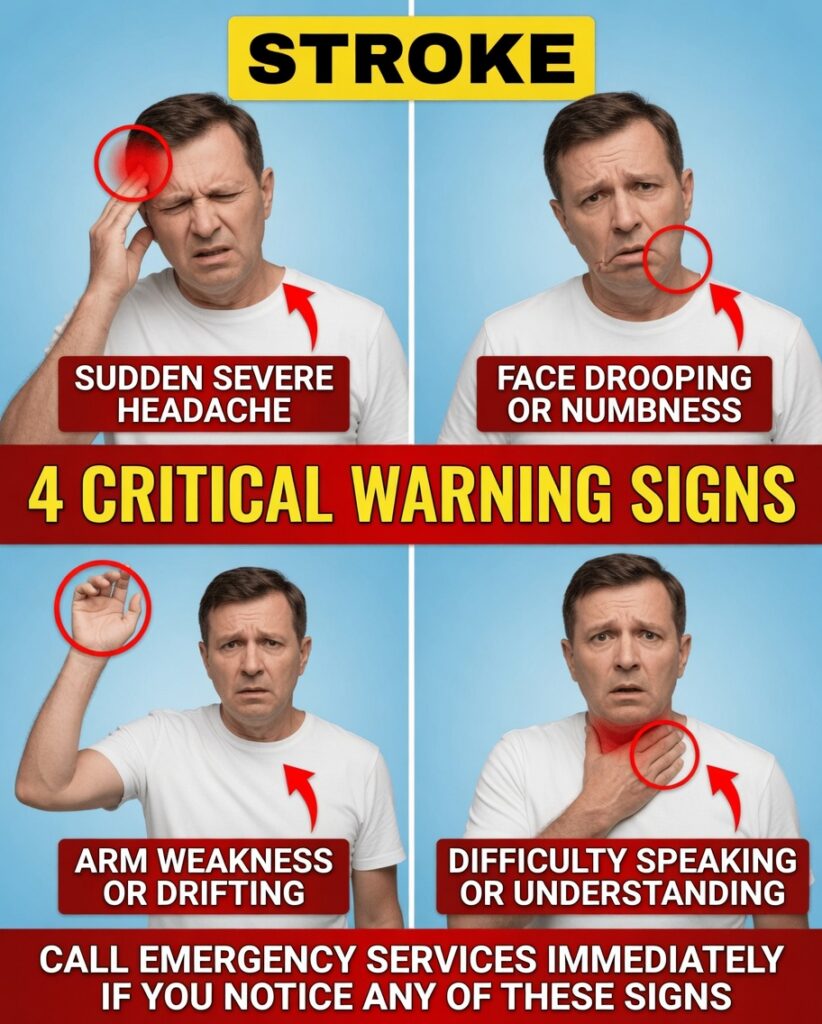
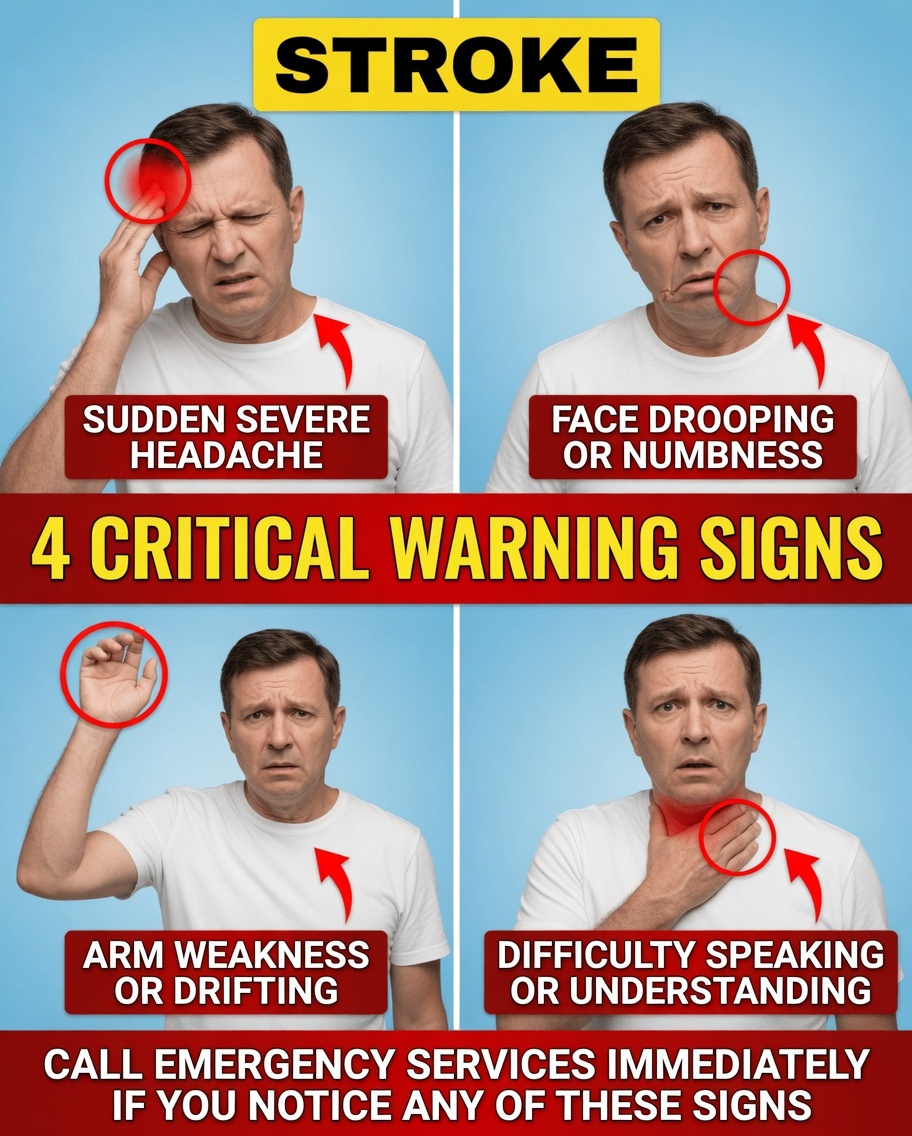
Sudden Numbness or Weakness on One Side
A quick tingling sensation or weakness—especially affecting one arm, one leg, or one side of the body—is one of the most recognizable stroke warning signs. Because it may fade quickly, many people ignore it, only to regret waiting later.
Brief Vision Changes in One or Both Eyes
Sudden blurry vision, double vision, or partial vision loss (often in one eye) can be linked to short-lived blood flow disruption. Vision symptoms are frequently reported in TIAs and should be treated as urgent.

Trouble Speaking or Understanding Speech
If words suddenly come out slurred, mixed up, or you can’t understand what someone is saying for a moment, it may reflect an interruption in brain areas that control language. Even a short episode of speech difficulty can be an important stroke warning sign.
Dizziness, Vertigo, or Loss of Balance
Unexpected spinning sensations, stumbling, or sudden unsteadiness may signal involvement of brain regions that control balance and coordination. Because dizziness is also common with inner ear problems, it’s often overlooked—yet it can be part of a TIA or stroke.
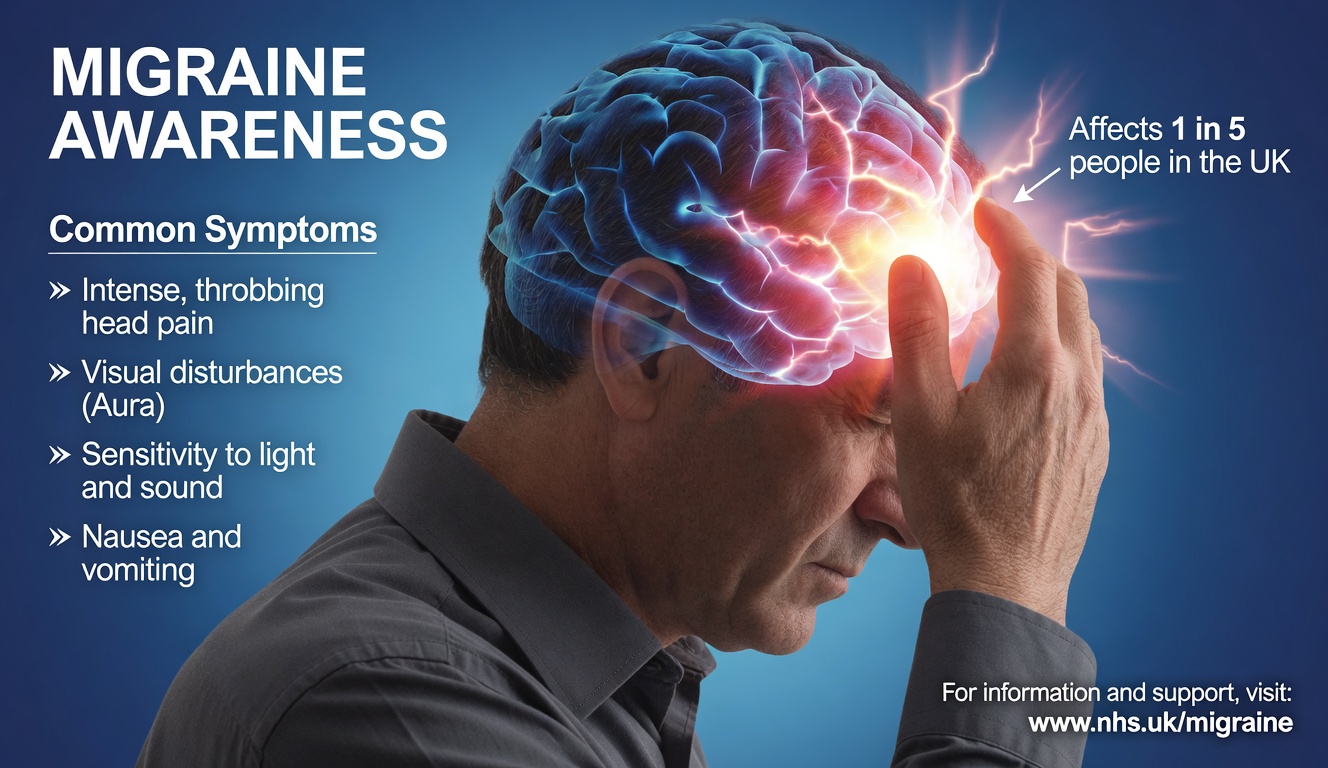
A Severe Headache With No Clear Cause
A sudden, intense headache—especially one that feels different from your usual headaches—can be a warning sign of serious blood vessel problems. Even if the pain eases, the event still deserves immediate evaluation.

Sudden Confusion or “Mental Fog”
A brief period of disorientation, difficulty thinking clearly, or feeling unusually “out of it” can occur when brain signaling is temporarily disrupted. Confusion may be subtle but can still indicate a TIA or stroke risk.
Facial Droop or Uneven Smile
If one side of your face feels numb or your smile looks uneven in the mirror, take it seriously. Facial weakness is one of the most consistent and widely recognized stroke warning signs.
Unexplained Nausea or Shortness of Breath
Sudden nausea or breathlessness without exertion is less common, but it can occur—especially when combined with more classic signs like weakness, speech trouble, or dizziness. When multiple symptoms appear together, the likelihood of a neurological emergency increases.
Quick Reference: Stroke Warning Signs (F.A.S.T. and Additional Symptoms)
-
Face drooping
- What you may notice: One side of the face sags or feels numb
- Why it matters: May indicate disrupted brain signaling
- Quick check: Smile in a mirror
-
Arm weakness
- What you may notice: One arm feels heavy or drifts downward
- Why it matters: Often reflects one-sided blood flow issues
- Quick check: Raise both arms
-
Speech difficulty
- What you may notice: Slurred speech, wrong words, confusion
- Why it matters: May involve brain language centers
- Quick check: Repeat a simple phrase
-
Time to act
- What you may notice: Symptoms appear suddenly (even if they fade)
- Why it matters: Fast response helps protect brain function
- Quick check: Note the time and call emergency services
-
Also watch for
- Vision changes, balance problems, severe headache, confusion
- These are often reported in TIAs and can be early stroke warning signs
What to Do If You Notice Possible Stroke Warning Signs
If you suspect a stroke or TIA, act immediately:
- Use F.A.S.T.: Check face, arms, and speech right away.
- Record details: Note when symptoms began and how long they lasted.
- Get urgent medical help: Even if symptoms disappear, seek emergency care or urgent evaluation.
- Follow up on risk factors: Discuss blood pressure, diabetes, smoking, cholesterol, and heart health with your healthcare provider.
Responding quickly to stroke warning signs can significantly improve outcomes.
A Real-World Reminder: Why Vigilance Matters
Many people who experienced short-lived stroke warning signs later reported that seeking medical care promptly helped them avoid a major stroke. Every case is different, but awareness gives you the best chance to make a protective, timely decision.
Stay Alert and Protect Your Brain Health
Strokes often arrive without warning, but transient symptoms may provide a critical prevention window. Stay informed, manage risk factors, and do not ignore sudden neurological changes—especially when they appear out of nowhere.
Frequently Asked Questions
What if the symptoms go away quickly?
Symptoms that resolve can still be TIAs, which are strong warning signs of stroke. You should get medical evaluation immediately.
Can stroke warning signs appear weeks or a month in advance?
Most stroke symptoms are sudden or transient. Recurring subtle episodes should be assessed by a clinician, but there are no guaranteed long-term predictors.
Who is at higher risk?
Risk increases with age, high blood pressure, diabetes, smoking, high cholesterol, heart disease, and prior stroke/TIA. Discuss your individual risk profile with your healthcare provider.
Medical Disclaimer
This article is for informational purposes only and is not a substitute for professional medical advice. If you experience possible stroke symptoms, seek medical care immediately—time is critical.