Breast Cancer Awareness: 10 Warning Signs You Should Never Ignore
Understanding breast cancer begins with noticing even small changes in your body. For many women, spotting something unusual in the breast can trigger immediate worry and uncertainty. That concern may feel even heavier when family history, personal risk factors, or everyday stress are part of the picture. Still, knowledge can replace fear with action. When you know what to look for, it becomes easier to decide when to speak with a healthcare professional.
This guide explains 10 breast cancer warning signs experts say deserve attention. It also includes a simple self-exam routine and one important reminder at the end that can help you stay proactive about breast health.
Why Recognizing Breast Changes Is So Important
Major health authorities such as the Centers for Disease Control and Prevention (CDC) and the American Cancer Society stress the value of early awareness. Most breast changes are not cancer, but identifying unusual patterns early can help you get medical advice sooner rather than later.
The most helpful habit is learning what is normal for your own body. Once you become familiar with how your breasts typically look and feel, changes are much easier to notice. That awareness can bring reassurance and help you respond with confidence.
10 Warning Signs of Breast Cancer to Watch For
Trusted medical sources, including the Mayo Clinic and the CDC, note that breast cancer can appear through changes in the breast itself or in nearby areas. None of these symptoms automatically means cancer, but each one should be taken seriously.
1. A New Lump in the Breast or Underarm
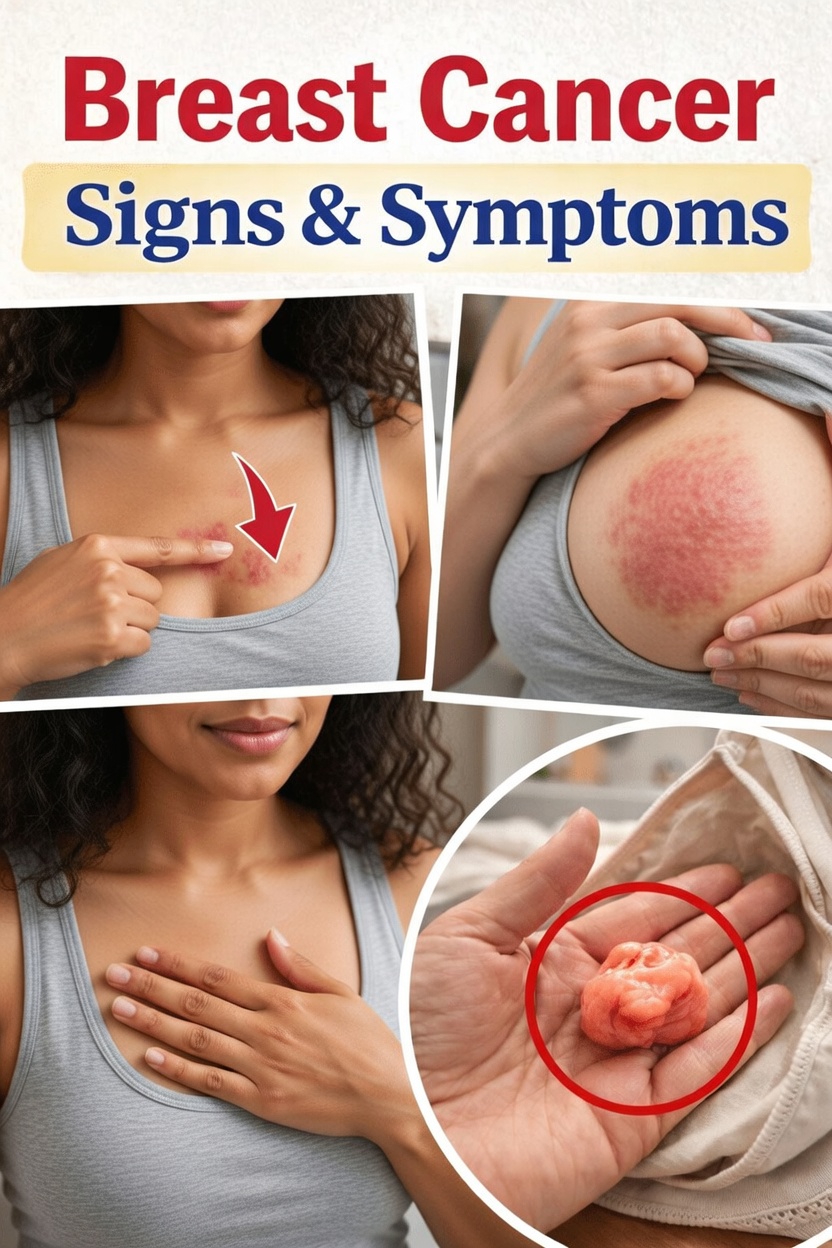
One of the most widely recognized signs is a new lump or area of thickened tissue that feels different from the rest of the breast. It may be small like a pea or more noticeable in size. Sometimes it appears in the underarm rather than the breast.
The reassuring reality is that many lumps are noncancerous, such as cysts or fibroadenomas. Even so, any new lump that remains should be checked by a medical professional.
2. Thickening or Swelling in One Part of the Breast
Sometimes there is no obvious lump, but one area may feel fuller, firmer, or swollen compared with the surrounding tissue. This kind of change can affect only one section of the breast and may develop slowly.
Because these shifts are not always dramatic, comparing both breasts during self-checks can help you notice subtle differences earlier.
3. A Change in Breast Size, Shape, or Overall Appearance
If one breast suddenly looks different in size, contour, or symmetry, it is worth paying attention. A breast may appear larger, smaller, or more uneven than before without causing pain.
The American Cancer Society advises mentioning any new asymmetry or shape change to your doctor, especially when it appears unexpectedly.
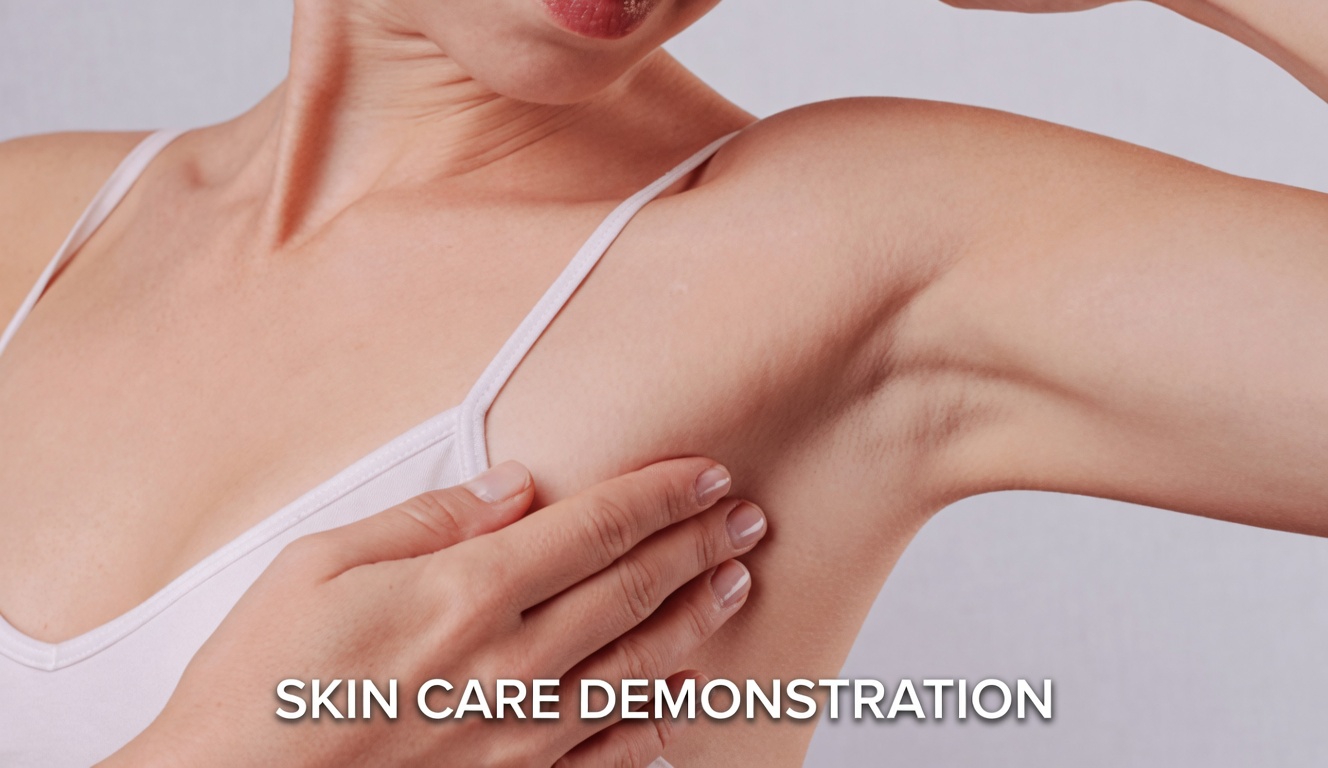
4. Dimpling or Puckering of the Skin
Skin that appears pulled inward, wrinkled, or textured like an orange peel can be an important visual sign. This may happen when tissue beneath the skin changes and creates tension on the surface.
In some cases, the change is easiest to see only when raising your arms, which is why checking your breasts in more than one position is useful.
5. Redness, Scaling, or Flaky Skin on the Breast or Nipple
Irritated-looking skin on the breast or nipple can sometimes be mistaken for a rash, dryness, or eczema. The area may look red, inflamed, scaly, or darker than usual.
According to Mayo Clinic guidance, visible skin changes often prompt women to seek care. Tracking how long the irritation lasts and whether it improves can provide valuable information for your healthcare provider.
6. A Nipple That Turns Inward or Changes Shape
A nipple that suddenly becomes flat, pulled inward, or altered in shape should not be ignored. This is different from a nipple that has always been naturally inverted.
Because this kind of change is often visible, it may be easiest to notice during a mirror check.
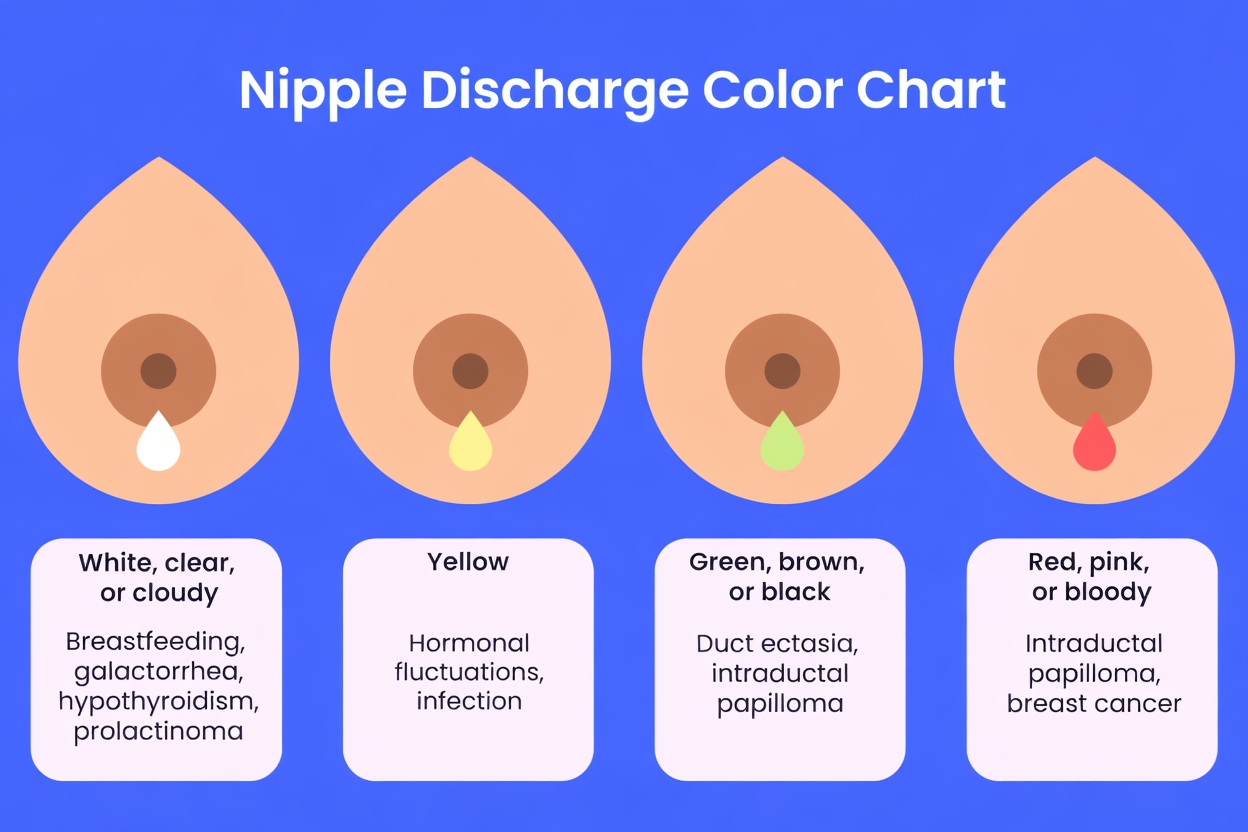
7. Nipple Discharge When You Are Not Breastfeeding
Fluid coming from the nipple when you are not nursing deserves attention. It may be clear, bloody, or milky, and it can come from one duct or more than one.
Research from the National Cancer Institute suggests that most nipple discharge is not linked to cancer. However, unusual discharge still needs medical evaluation to rule out a more serious issue.
8. Persistent Breast or Nipple Pain
New pain in the breast or nipple area can be concerning, especially when it does not follow your menstrual cycle. The discomfort may feel sharp, dull, tender, or aching.
Many women experience breast soreness related to hormonal fluctuations, but pain that is localized, unusual, or ongoing is worth discussing with a doctor.
9. Swollen Lymph Nodes Under the Arm or Near the Collarbone
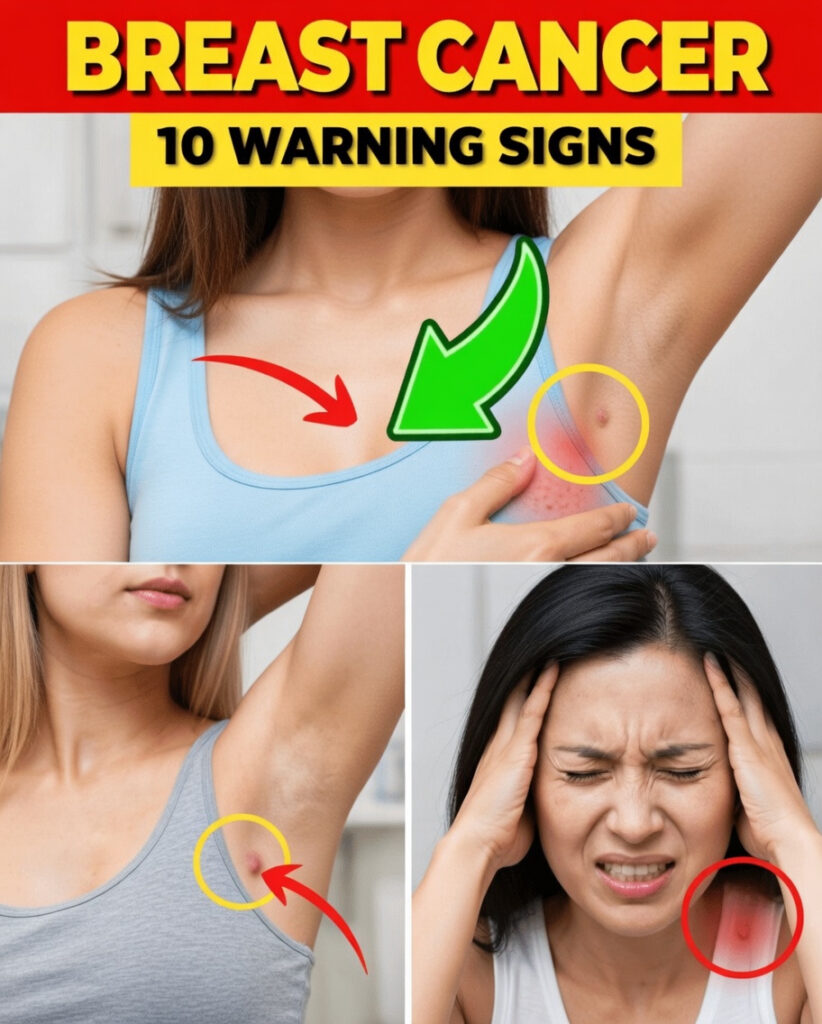
Enlarged lymph nodes in the armpit or near the collarbone can appear along with other breast symptoms. They may feel firm, swollen, or tender.
Because lymph nodes are part of the immune system, this sign can sometimes reflect how the body is responding to changes. The CDC recommends paying close attention to this symptom, especially if it appears with other breast abnormalities.
10. Changes in Skin Texture or Color Over the Breast
Beyond dimpling, the skin may become thicker, shinier, or more visibly veined than before. You may also notice sudden redness or darkening.
This symptom can overlap with several of the other warning signs. For that reason, monthly checks that focus on the overall look and feel of the breast can be especially helpful.
Important Reminder: Symptoms Can Look Different From Person to Person
Not every woman will notice the same change. Some may find only one unusual symptom, while others may experience several at the same time. The most powerful step is knowing what is normal for you and responding when that changes.
How to Do a Breast Self-Exam at Home in 5 Easy Steps
Regular self-exams can help you become more familiar with your breasts so that unusual changes stand out more quickly. The American Cancer Society suggests doing a self-check once a month, ideally a few days after your period ends.
Follow these steps:
- Stand in front of a mirror with your arms relaxed at your sides. Look for visible changes in size, shape, skin texture, or nipple position.
- Raise your arms overhead and check again. Look for dimpling, puckering, or changes that only appear in this position.
- Lie on your back and use the pads of your three middle fingers to examine the entire breast in small circular motions. Cover the area from the collarbone down to the bra line.
- Repeat the exam while standing or showering. Many women find it easier to feel changes when the skin is wet and slippery.
- Gently press each nipple to see if there is discharge, and remember to check the underarm area as well.
This routine only takes a few minutes, but over time it can make a big difference in how quickly you notice something unusual.
What to Do If You Notice a Warning Sign
If something does not feel right, take action without panicking.
Here are the next steps:
- Book an appointment with your primary care doctor or a breast health specialist as soon as possible.
- Write down your symptoms, including when they started and whether they have changed over time.
- Share any family history of breast cancer or other related conditions.
- Follow through with recommended tests, such as a mammogram or ultrasound, if your provider suggests them.
In many cases, the evaluation shows that the change is benign. Even so, getting checked is the best way to gain clarity and peace of mind.
One of the most helpful and often overlooked truths is this: self-awareness works best when combined with routine medical screening.
Why Screenings and Healthy Habits Matter
Mammograms remain one of the most effective tools for detecting breast changes before they can be seen or felt. They are especially important for women over 40 and for those with elevated risk.
The CDC notes that screening recommendations may differ depending on age, family history, and other personal factors. That is why it is important to talk with your doctor about the schedule that makes the most sense for you.
Healthy lifestyle habits can also support breast health, including:
- Staying physically active
- Limiting alcohol intake
- Eating a balanced diet
- Maintaining a healthy weight
- Keeping up with regular medical care
Even with these habits, the foundation remains the same: pay attention to your body and respond to changes promptly.
Final Thoughts on Protecting Your Breast Health
Knowing these 10 warning signs can help you take a more confident role in your health. Every woman’s body is different, so consistency matters more than perfection. The goal is not to worry over every small change, but to build awareness and act when something new appears.
By making breast self-exams part of your routine and maintaining open conversations with your healthcare team, you create habits that can support your well-being for years to come. Step by step, informed choices make a real difference.
FAQ
Can breast pain by itself be a sign of breast cancer?
Breast pain is very common and is often caused by hormonal changes or noncancerous conditions. However, if the pain is new, persistent, or happens together with other breast changes, it should be evaluated by a doctor.
How often should women perform breast self-exams?
A monthly self-exam is a practical routine for many women. Doing it a few days after your period ends can make changes easier to detect because the breasts may be less tender at that time.
If I find a lump, does that mean I have breast cancer?
No. Many breast lumps are benign. Still, any new lump or thickened area should be examined by a healthcare professional to determine the cause.
Are mammograms still necessary if I do self-exams?
Yes. Self-exams and mammograms serve different purposes. A self-exam helps you notice visible or physical changes, while a mammogram can detect abnormalities before they become noticeable. Using both approaches together offers stronger protection.