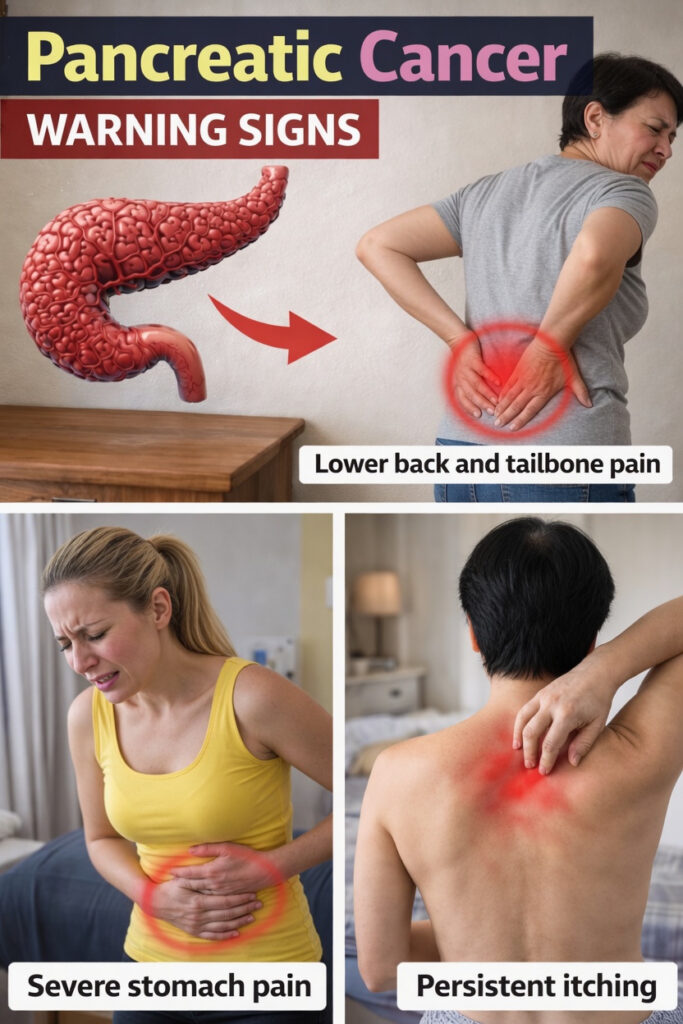
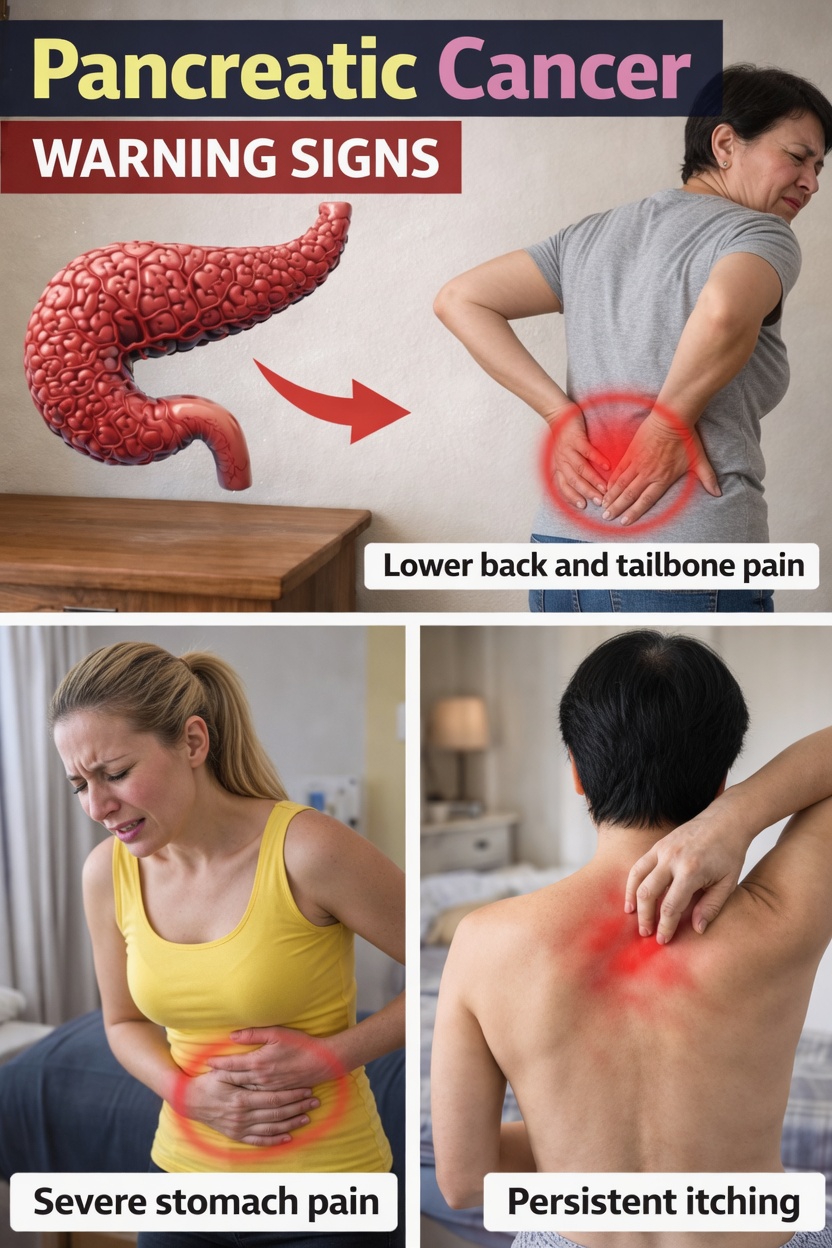
10 Pancreatic Cancer Warning Signs You Should Not Ignore
A persistent ache in the lower back or unexplained itching can seem like minor problems at first. Yet when discomfort keeps returning, affects sleep, changes your mood, or makes daily routines harder, it may be your body signaling that something deserves closer attention.
What makes this especially important is that many people dismiss these symptoms until a larger pattern starts to emerge. Recognizing that pattern early can help you have a more informed conversation with your doctor and avoid overlooking signs that may matter.
Why These Symptoms Are Easy to Miss
Pancreatic cancer is often difficult to detect in its early stages because the warning signs can be subtle and nonspecific. Experts from organizations such as the Mayo Clinic and the American Cancer Society note that the pancreas is located deep within the abdomen, so noticeable changes may not appear right away.
Because of that, symptoms are often mistaken for stress, aging, digestive trouble, or other common health issues. Below are 10 signs frequently mentioned by trusted medical sources that may deserve medical attention.
1. Lower Back Pain or Tailbone Discomfort
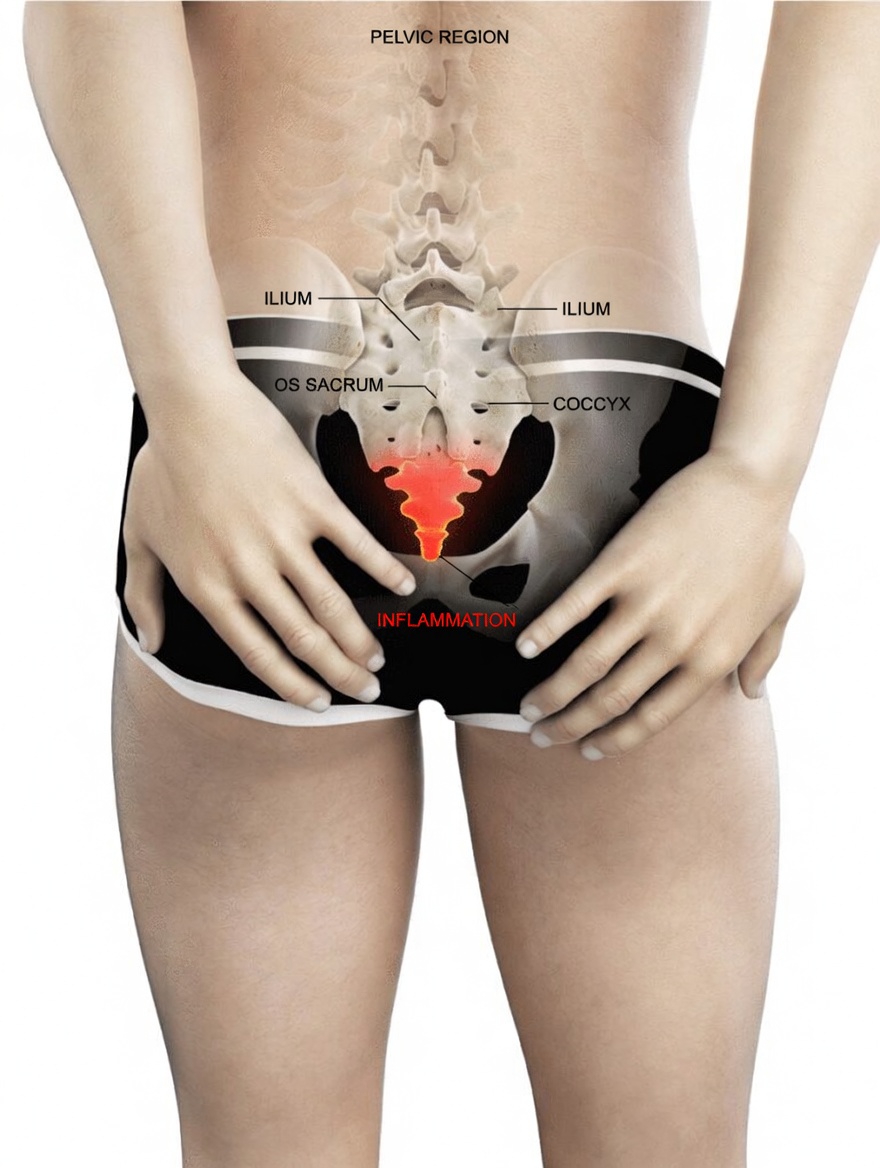
An ongoing, dull ache in the lower back or around the coccyx can sometimes be more than muscle strain. In some cases, the pain may worsen when lying down and may not improve with rest or common pain relievers.
Medical research suggests this discomfort can happen when a pancreatic growth affects nearby nerves or radiates pain from the abdomen. It is easy to assume the cause is posture or fatigue, but pain that persists should be taken seriously.
2. Ongoing or Sudden Abdominal Pain
Pain in the upper abdomen that feels sharp, burning, or gnawing may come and go or remain constant. At first, it can resemble indigestion or routine stomach discomfort, and it may also spread toward the sides or back.
Health experts explain that irritation in the pancreatic region can trigger this symptom. If antacids or diet changes do not help and the pain keeps returning, it is worth tracking carefully.
3. Persistent Itching Without a Clear Cause
Severe itching that affects the hands, feet, or the entire body can be frustrating, especially when there is no visible rash or irritation on the skin.
According to medical reports, this may be linked to bile buildup when normal bile flow becomes blocked. Because itching seems unrelated to the pancreas, it is one of the signs people often overlook.
4. Unexplained Weight Loss
Losing weight without trying may sound positive at first, but steady, unintentional weight loss is often considered a warning sign.
This can happen because the body is no longer absorbing nutrients effectively, appetite begins to decline, or digestion is disrupted. Any unexplained change in body weight should be discussed with a healthcare provider.
5. Loss of Appetite or Feeling Full Too Quickly
You may notice that food is less appealing than before, or that you feel full after only a small amount. Meals that used to feel normal can suddenly become difficult to finish.
This symptom can gradually contribute to weight loss and reduced energy. Specialists often include appetite changes among the early shifts that should not be ignored.
6. Jaundice: Yellowing of the Skin or Eyes
A yellow tint in the skin or the whites of the eyes is one of the more recognizable signs associated with pancreatic problems. Sometimes family members or friends notice it before the person affected does.
This change often occurs when the bile ducts are blocked or compressed. The American Cancer Society lists jaundice as one of the more visible symptoms linked to pancreatic cancer.
7. Dark Urine and Pale or Greasy Stools
Changes in bathroom habits can reveal important health clues. Urine may become dark brown or cola-colored, while stools may appear pale, oily, float, or look greasy.
These changes are commonly associated with altered bile flow and difficulty digesting fats. They often appear alongside jaundice and should not be ignored.
8. New Diabetes or Worsening Blood Sugar Control
A sudden diagnosis of diabetes, especially later in life, or blood sugar that becomes harder to manage despite established treatment can sometimes point to pancreatic changes.
Research has shown a possible connection between pancreatic cancer and new-onset diabetes, particularly in people over 50 who are also losing weight unexpectedly. While there are many possible causes, this combination deserves medical review.
9. Constant Fatigue and Weakness
Extreme tiredness that does not improve with rest can interfere with work, exercise, and even basic tasks at home. Some people also notice unusual weakness on days that should feel normal.
Fatigue is frequently reported in medical guidance because the body may be under stress, inflamed, or unable to absorb nutrients properly.
10. Nausea, Vomiting, or Ongoing Digestive Problems
Regular nausea after meals, episodes of vomiting, bloating, or a general sense of digestive discomfort can feel like a stomach issue that never fully goes away.
Because the pancreas plays a major role in digestion, problems in this organ can lead to long-lasting digestive symptoms. If these issues persist without an obvious explanation, they should be evaluated.

Quick Summary of the 10 Warning Signs
Here is a simple list to keep in mind:
- Lower back pain or tailbone discomfort
- Upper abdominal pain
- Persistent itching
- Unexplained weight loss
- Loss of appetite or getting full quickly
- Yellowing of the skin or eyes
- Dark urine and pale or greasy stools
- New diabetes or worsening blood sugar control
- Ongoing fatigue
- Nausea or digestive upset
What You Can Do Right Now
If several of these symptoms sound familiar, try not to panic. Many of them can also be caused by more common conditions. Still, taking practical action early is wise.
Helpful Next Steps
-
Track your symptoms for two weeks
- Write down when pain occurs, what you ate, how your digestion feels, and any changes in energy, appetite, or weight.
-
Book a routine medical appointment
- Bring your notes and explain your symptoms clearly and honestly.
-
Ask whether testing is appropriate
- If symptoms continue for more than a couple of weeks, discuss whether blood tests or imaging may be helpful.
-
Support your digestion
- Drink enough water and choose smaller, balanced meals while you monitor symptoms.
-
Talk with people close to you
- Loved ones may notice changes in your skin tone, weight, or energy that you may not see yourself.
These steps can help you stay proactive, but they do not replace professional medical care.
Why Awareness Is So Important
The reason these warning signs are often missed is simple: most of them overlap with much more common conditions. Back pain, fatigue, appetite loss, or digestive upset can easily be blamed on everyday life.
However, when two or more of these symptoms appear together, they may provide a useful clue. Recognizing that connection can lead to earlier medical attention and a more productive discussion with your doctor.
FAQ
What are the earliest warning signs of pancreatic cancer?
Some of the first symptoms people notice include vague abdominal pain, back pain, unexpected weight loss, and changes in urine or stool color. These may appear before more visible signs such as jaundice.
Could these symptoms be caused by something other than pancreatic cancer?
Yes. Many of these signs can also result from gallstones, ulcers, liver or bile duct problems, infections, or other digestive conditions. That is why medical evaluation is important.
How early do pancreatic cancer symptoms usually appear?
Symptoms often become noticeable only after the disease has progressed to some degree. This is one reason why paying attention to your body and staying current with routine healthcare visits is so valuable.
Final Thoughts
Recognizing these 10 pancreatic cancer warning signs is not about creating fear. It is about becoming more informed, more observant, and better prepared to protect your health. When you know what to look for, it becomes easier to identify patterns, ask better questions, and seek care sooner.
Disclaimer: This article is for informational purposes only and does not replace professional medical advice, diagnosis, or treatment. Always consult a qualified healthcare provider about any symptoms or concerns related to your health.