10 Pancreatic Cancer Warning Signs You Should Not Ignore
Pancreatic cancer can begin with subtle symptoms that are easy to dismiss as everyday digestive trouble, stress, or fatigue. Because these changes often seem minor at first, many people overlook them until concern starts building. The good news is that noticing unusual patterns early can help you start an important conversation with your doctor sooner. One of the most overlooked clues may even be something as unexpected as itching or dark urine—signs many people never connect to pancreatic health.
Why Early Awareness Matters
According to the Mayo Clinic and the American Cancer Society, pancreatic problems often remain unnoticed until the disease has progressed. One reason is that the pancreas is located deep inside the body, so symptoms may not become obvious right away. Learning the common warning signs can help you stay informed without assuming the worst.
Many of these symptoms can also be caused by much more common conditions, such as indigestion, gallbladder issues, or stress. Still, paying attention to persistent or unusual changes gives you a better chance to make informed healthcare decisions.

10 Warning Signs of Pancreatic Cancer
Below are some of the most commonly recognized symptoms linked to pancreatic cancer. Experiencing one or even several of these signs does not confirm a diagnosis. The safest next step is always to speak with a qualified medical professional.
1. Ongoing Abdominal or Back Pain
One of the earliest symptoms some people notice is a steady ache in the upper abdomen that may spread to the back or sides. The discomfort can worsen after meals or during the night, and it may come and go in the beginning. The American Cancer Society notes that tumors in the body or tail of the pancreas may press against nearby nerves or organs, causing this pain.
2. Unintended Weight Loss and Reduced Appetite
Losing weight without trying is another possible warning sign, especially when it comes with a decreased desire to eat. Some people also feel full after eating only a small amount. Mayo Clinic experts explain that this can happen when the body’s normal digestive and metabolic processes are disrupted.
3. Yellowing of the Skin or Eyes
Jaundice, or a yellow tint in the skin and the whites of the eyes, is one of the more visible signs. It usually develops when the normal flow of bile becomes blocked. Both the Mayo Clinic and the American Cancer Society identify jaundice as an important symptom that should never be ignored.
4. Dark Urine
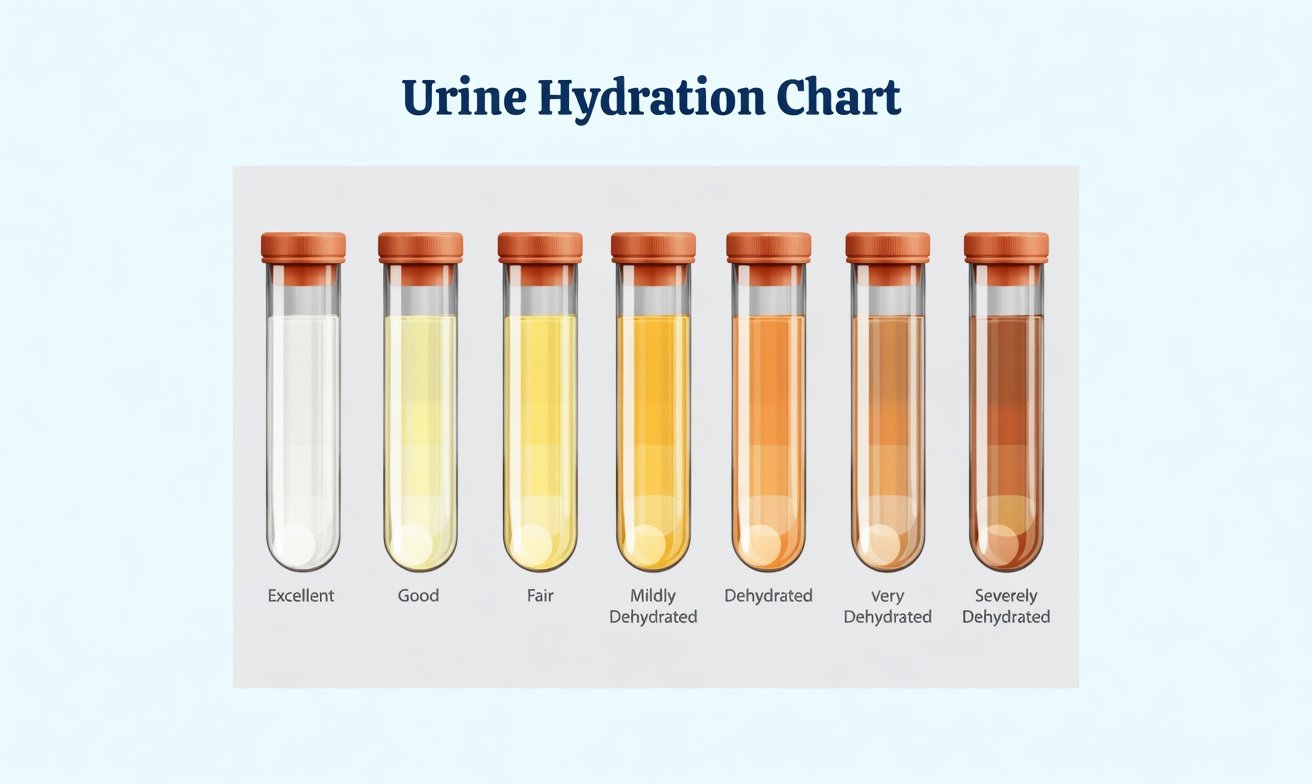
Urine that becomes noticeably darker—often tea-colored or brown—may be an early sign of rising bilirubin levels. In some cases, this change appears before jaundice is easy to see. Although it may seem minor, it can be an important clue that something is affecting bile flow.
5. Pale, Greasy, or Floating Stools
Changes in stool can also point to digestive problems involving the pancreas. Stools may look pale or clay-colored, appear oily, or float because they contain undigested fat. This can happen when bile is not reaching the intestines properly, making normal fat digestion more difficult.

6. Unexplained Itchy Skin
Persistent itching without a clear cause may be another overlooked symptom. This can happen when bilirubin builds up in the body and irritates the skin. The itch may affect areas such as the back, arms, or legs and can become severe enough to interfere with sleep.
7. Nausea and Vomiting
Some people experience nausea or vomiting, especially after meals. This may happen when pressure from a pancreatic tumor affects the stomach or nearby digestive structures. The Mayo Clinic includes these symptoms among the digestive changes that may appear over time.
8. Constant Fatigue and Weakness
Extreme tiredness that does not improve with rest can be another warning sign. The American Cancer Society describes this as a persistent lack of energy that is not explained by activity levels alone. Fatigue often appears along with other symptoms rather than by itself.
9. New-Onset or Worsening Diabetes
Suddenly developing diabetes after age 50—particularly when paired with unexpected weight loss—can sometimes be linked to pancreatic changes. People who already have diabetes may also notice that their blood sugar becomes harder to manage. Health experts point out that this may happen when the pancreas no longer functions normally in insulin production.
10. Blood Clots in the Arms or Legs
Swelling, redness, tenderness, or pain in a limb can sometimes signal a blood clot, also known as deep vein thrombosis. In certain cases, this may be one of the first signs associated with pancreatic cancer. It is another reminder that the body may show warning signals in ways that seem unrelated at first.
Symptoms Often Appear Together
These warning signs do not always happen in isolation. In fact, they often show up in clusters. For example, jaundice may occur alongside:
- Dark urine
- Pale or greasy stools
- Itchy skin
Looking for patterns instead of focusing on one symptom alone can make it easier to recognize when something deserves medical attention.
Other Changes That May Be Worth Mentioning
In addition to the more well-known signs above, some people may notice other physical or digestive changes, including:
- Bowel habit changes lasting more than a few weeks
- Feeling full very quickly after starting a meal
- Mild depression or unexplained mood changes
- Swelling near the gallbladder area that a doctor may detect during an exam
5 Practical Steps to Take If Symptoms Feel Familiar
If any of these signs sound familiar, general medical guidance suggests taking a few simple actions:
- Keep a brief symptom log, including when each issue started and what seems to improve or worsen it.
- Book an appointment with your primary care doctor and share your symptoms clearly.
- Ask whether blood tests or imaging may be appropriate if symptoms continue for more than two weeks.
- Maintain balanced meals and light physical activity while waiting for medical advice.
- Bring a trusted friend or family member to appointments for support and note-taking.
These steps cannot provide a diagnosis, but they can help you feel more prepared and proactive.
Why These Symptoms Are Frequently Overlooked
Busy routines make it easy to dismiss minor physical changes. Research from major cancer organizations shows that pancreatic cancer often does not cause dramatic symptoms in the beginning. That is why signs like unexplained itching or dark urine can be so important—they may seem unrelated, but they can be part of a larger pattern.
Recognizing those connections early may lead to faster medical conversations and, potentially, earlier evaluation.
How to Support Your Overall Health
No daily habit can guarantee prevention of every illness, but healthy routines still matter. Helpful practices include:
- Drinking enough water
- Eating a variety of colorful vegetables
- Reducing heavily processed foods
- Staying physically active on a regular basis
- Paying attention to changes your body keeps repeating
Most importantly, do not ignore persistent symptoms. Both the American Cancer Society and the Mayo Clinic emphasize that speaking openly with a doctor is the smartest first step.
Frequently Asked Questions
Could these symptoms be caused by something else?
Yes. In many cases, these warning signs are linked to more common conditions such as gallstones, infections, stomach problems, or other digestive issues. Only medical testing can determine the real cause.
When should I contact a doctor?
If one or more symptoms last longer than two weeks, keep returning, or begin affecting your normal life, it is wise to make an appointment. Early evaluation can provide either reassurance or a clearer path forward.
Are there tests doctors use to check for these issues?
Yes. Doctors often begin with blood work, ultrasound, or CT imaging. These tests help assess what may be happening without making assumptions too quickly.
Final Thoughts
Understanding these possible signs of pancreatic cancer can help you respond sooner if something feels wrong. Awareness does not mean panic—it means being prepared, observant, and willing to seek professional advice when symptoms persist. The most valuable step you can take is to listen to your body and act thoughtfully.
Disclaimer
This article is for informational purposes only and is not a substitute for professional medical advice, diagnosis, or treatment. Always consult a qualified healthcare provider about any symptoms or health concerns.