
That sudden, pulsing pain in your big toe that jolts you awake—or the growing stiffness you notice in your joints—can be more than an annoyance. Elevated uric acid can trigger intense gout flares, interfere with everyday routines, and raise concerns about kidney stones or lasting joint damage. While flare-ups are draining, research suggests that specific foods may help your body lower uric acid naturally by supporting excretion and calming inflammation. Below are practical, evidence-informed options you can start using right away.

11. Coffee (In Moderation)
Your morning coffee may do more than help you focus. Large-scale meta-analyses involving hundreds of thousands of participants associate moderate coffee intake (including decaf) with lower serum uric acid and a reduced risk of gout.
Coffee appears to support uric acid clearance, with benefits commonly observed around 1–4 cups per day. For best results, keep it black or lightly sweetened, since excess sugar can work against your goals.

10. Low-Fat Dairy Products
Adding low-fat milk, yogurt, or other low-fat dairy can be a smart, simple step for people trying to manage uric acid. Evidence from large cohort studies suggests that certain dairy proteins may help the body excrete uric acid more efficiently through urine.
Regular servings of unsweetened low-fat dairy are also linked with fewer gout attacks over time. Many people find this swap easy to maintain—and supportive for long-term comfort.

9. Vitamin C-Rich Citrus Fruits
Whole citrus fruits—such as oranges, lemons, and grapefruit—offer a refreshing way to support healthier uric acid levels. Clinical research reviews indicate that higher vitamin C intake can help the kidneys clear uric acid more effectively.
Choose whole fruit rather than juice to avoid concentrated sugars and to gain more fiber. A realistic goal is 1–2 pieces daily, with benefits building gradually through consistent intake.
8. Berries
Strawberries, blueberries, raspberries, and similar berries are naturally low in purines and rich in vitamin C plus anti-inflammatory plant compounds (including flavonoids). Research on gout-friendly eating patterns often highlights berries as a practical fit for inflammation-aware diets.
They’re easy to add as snacks, smoothie ingredients, or toppings—and can support overall dietary balance while you work on lowering uric acid.

7. Cherries
Among foods studied for gout, cherries stand out. Randomized trials and systematic reviews suggest that fresh cherries, frozen cherries, and tart cherry products may help reduce serum uric acid and lower the frequency of gout flares—sometimes within a relatively short timeframe.
Cherries contain anthocyanins, compounds linked to strong anti-inflammatory activity. For many people, consistent inclusion is associated with noticeable relief and fewer flare-related interruptions.

6. Whole Grains
Choosing oats, brown rice, quinoa, and other whole grains can support uric acid management indirectly by promoting steadier blood sugar and providing beneficial fiber. Recent studies associate higher whole-grain intake with a lower risk of gout.
Whole grains can replace refined carbohydrates without significantly increasing purine load. Aim to use them consistently—several servings across the day may contribute meaningfully over time.
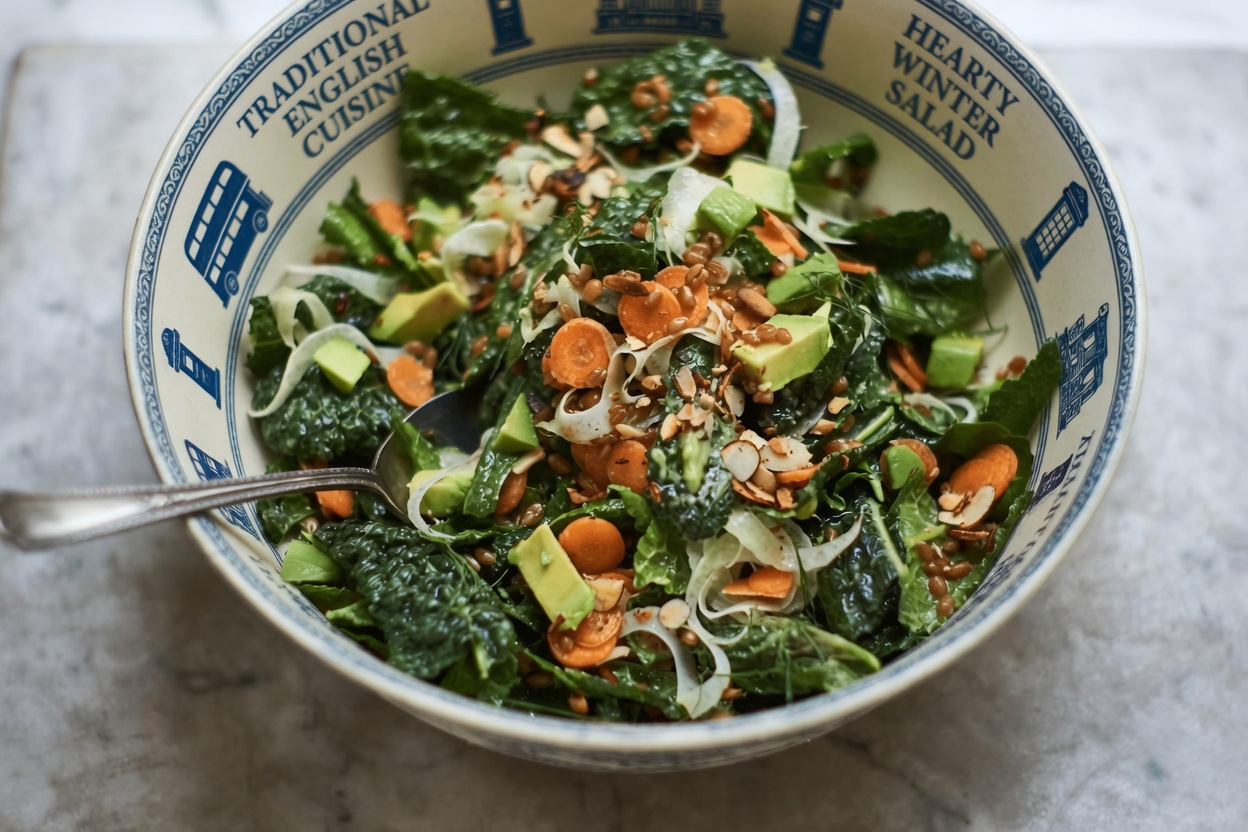
5. Leafy Greens and Vegetables
Building meals around vegetables—such as kale, spinach, and other leafy greens—can help create a dietary pattern that supports healthier uric acid levels. Research indicates that vegetable-forward diets do not raise gout risk, and may even be protective, despite moderate purine content in some greens.
Many vegetables are rich in potassium and water, both of which may support natural uric acid excretion. Making vegetables a daily staple often provides cumulative benefits.
4. Nuts and Seeds
Almonds, walnuts, chia seeds, and similar options offer satisfying nutrients without the same risk profile as many animal-based protein sources. Population studies often link plant-forward protein patterns with lower gout risk.
Nuts and seeds supply healthy fats, fiber, and micronutrients, and they’re easy to use as snacks or meal add-ons when you’re aiming for a gout-supportive diet.

3. Legumes
Lentils, beans, chickpeas, and tofu provide filling, affordable plant protein. Reviews suggest that moderate legume intake is generally associated with reduced gout risk, especially when legumes replace higher-purine meat choices.
Legumes also support metabolic health and help make meals more satisfying—useful when you’re trying to adjust long-term eating habits without feeling deprived.
2. Green Tea
Green tea is a low-calorie beverage with antioxidant compounds (including catechins) that may offer mild support for healthier uric acid levels, although study results are mixed.
If you limit coffee or prefer a gentler caffeinated drink, green tea can be a simple way to add fluid and antioxidant variety to your routine.
1. Plenty of Water
Hydration is one of the most reliable, foundational tools for uric acid management. Strong evidence supports drinking enough water to help your body flush uric acid through urine, which may reduce flare risk.
A common target is 8–16 glasses per day, adjusted for your climate, activity level, and medical needs. You can also boost hydration with water-rich foods and by keeping a bottle nearby throughout the day.
Quick Comparison of Key Foods
-
Cherries
- Main benefit: Lowers inflammation and supports uric acid reduction
- Research strength: High
- Simple tip: ½–1 cup daily
-
Low-Fat Dairy
- Main benefit: Promotes uric acid excretion
- Research strength: High
- Simple tip: 1–2 servings per day
-
Coffee
- Main benefit: Supports uric acid excretion
- Research strength: High
- Simple tip: 1–4 cups daily, unsweetened
-
Citrus Fruits
- Main benefit: Vitamin C for kidney support
- Research strength: Moderate to high
- Simple tip: 1–2 whole fruits daily
-
Berries
- Main benefit: Antioxidants and anti-inflammatory compounds
- Research strength: Moderate
- Simple tip: A handful as a snack or topping
-
Water
- Main benefit: Helps flush uric acid
- Research strength: High
- Simple tip: 8–16 glasses daily
Easy Ways to Add These Foods to Your Day
Small changes are easier to maintain—and consistency matters most for uric acid control.
- Add berries or cherries to unsweetened low-fat yogurt at breakfast.
- Sip water steadily and add lemon slices for flavor.
- Swap refined grains for oatmeal or other whole grains, topped with nuts.
- Choose coffee or green tea as your go-to drink instead of sugary beverages.
- Round out lunch and dinner with vegetable sides and legume-based meals.
Track your symptoms and energy after 1–2 weeks. These adjustments often work best as part of an overall balanced eating pattern.
When to Get Professional Support
Food choices can help support healthier uric acid levels, but ongoing pain, repeated flares, kidney stone history, or a confirmed gout diagnosis should be managed with medical guidance. Speak with your clinician for testing, monitoring, and a personalized plan.
Final Thoughts
Dietary changes can feel empowering when they’re practical and backed by evidence. Start with hydration, then add one or two foods from this list that you genuinely enjoy. Over time, steady habits are often what deliver the biggest improvements in comfort and flare prevention.
Frequently Asked Questions
-
How fast can food choices lower uric acid?
Some foods, especially cherries, show measurable effects in studies within days to weeks. Longer-term benefits depend on consistency. -
Are these foods safe for everyone with high uric acid?
Most are generally well tolerated, but individual needs vary—especially with kidney disease, diabetes, or medication use. Confirm with your healthcare provider. -
Can diet alone control high uric acid?
Nutrition can significantly support healthier levels for many people, but it’s often most effective when combined with professional medical advice and appropriate treatment.