

Amlodipine Side Effects: 12 Common Reactions You Should Know
If you take amlodipine every day to help manage healthy blood pressure, you may have noticed your body feeling a little different. Swollen ankles, sudden dizziness, or unusual tiredness can make everyday activities harder and may leave you asking whether these changes are expected. You are not alone in that experience, and having reliable information can make it easier to talk openly with your healthcare provider.
In this guide, you will learn about the 12 most commonly reported side effects of amlodipine, including one that is often overlooked. At the end, you will also find a simple tip that can make your next medical appointment more useful and productive.
What to Know About Amlodipine and Its Possible Side Effects
Amlodipine is a calcium channel blocker, a type of medication that works by relaxing blood vessels and improving blood flow. As your body adjusts to this effect, certain reactions may occur.
Medical sources such as Mayo Clinic and WebMD note that amlodipine side effects are often related to dosage and are usually mild in most people. Knowing what may happen can help you stay informed without becoming unnecessarily concerned.
The Top 12 Side Effects of Amlodipine
Based on patient reports and clinical findings, these are the 12 side effects of amlodipine most often mentioned:
- Swelling in the ankles or feet
- Dizziness or feeling lightheaded
- Headache
- Facial flushing or warmth
- Fatigue or unusual tiredness
- Nausea or stomach upset
- Palpitations or fluttering heartbeat sensations
- Abdominal pain
- Drowsiness or sleepiness
- Muscle cramps
- Gum swelling or tenderness
- Changes in sexual function
Below is a closer look at each one and what it may feel like in daily life.
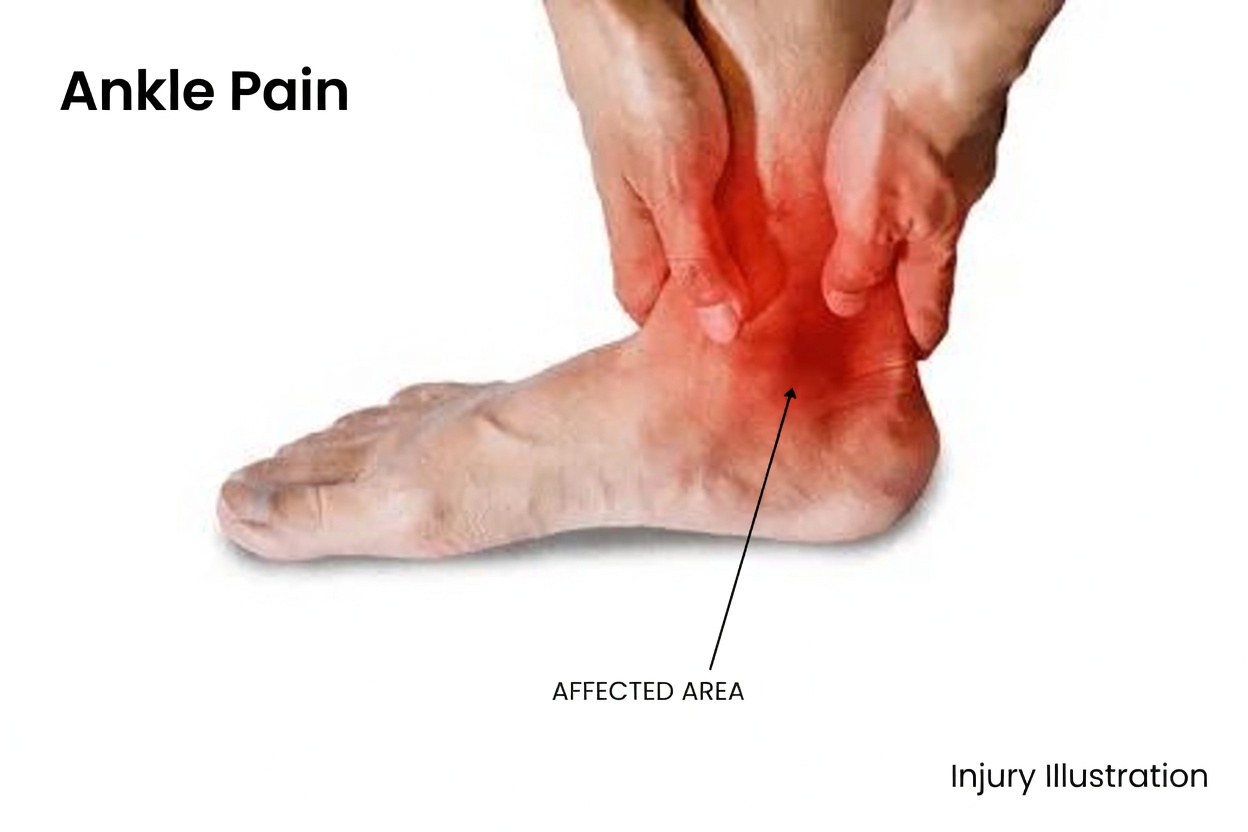
1. Swelling in the Ankles or Feet
Ankle and foot swelling, also called edema, is one of the most common side effects of amlodipine. Because the medication relaxes blood vessels, fluid can build up in the lower legs. Many people notice this more in the evening after being on their feet for much of the day.
2. Dizziness or Lightheadedness
Some people feel unsteady, especially when standing up too fast. This can happen while blood pressure is adjusting to the medication. For many users, this symptom improves during the first few weeks.
3. Headache
Mild or moderate headaches are fairly common when starting amlodipine. Drinking enough water and getting proper rest may help while your body adapts.
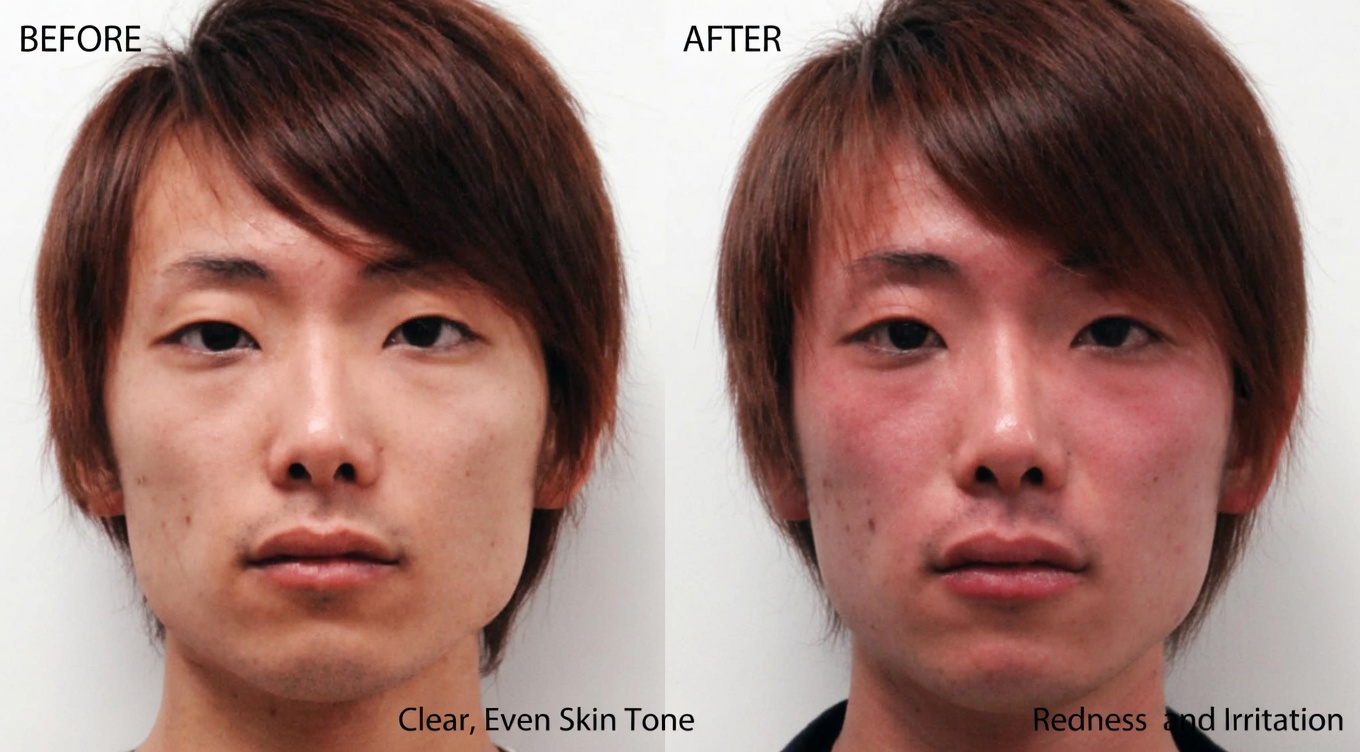
4. Flushing or Warmth in the Face
A sudden warm sensation or redness in the face, neck, or chest may occur as blood vessels widen. Although it can feel surprising, it often decreases once your system gets used to the medicine.
5. Fatigue or Unusual Tiredness
Feeling more exhausted than usual is another frequently reported issue. Normal daily tasks may seem to require more effort at the beginning of treatment.
6. Nausea or Stomach Upset
Some users experience mild nausea or digestive discomfort. Smaller meals spread throughout the day may make this easier to manage.
7. Palpitations or Fluttering Heartbeat Sensations
You may become aware of your heartbeat feeling faster, stronger, or irregular. These episodes are often short and not dangerous, but they can still feel unsettling.
8. Abdominal Pain
Amlodipine can sometimes cause mild stomach pain or cramping. In many cases, this side effect is temporary and fades over time.
9. Drowsiness or Sleepiness
Some people feel more sleepy during the day after starting this medication. Taking amlodipine at the same time each day may help your body respond more consistently.
10. Muscle Cramps
Leg cramps or muscle tightness are occasionally reported. Gentle stretching and regular movement, within your doctor’s advice, may help reduce discomfort.
11. Gum Swelling or Tenderness
This side effect is less common, but it can happen. Gums may become sore, puffy, or slightly enlarged. Maintaining good oral hygiene can help keep symptoms under control.
12. Changes in Sexual Function
Some people notice changes such as difficulty maintaining an erection or other shifts in sexual function. This does not affect everyone, but it is important to bring up with your healthcare provider if it happens.
How Amlodipine Side Effects Can Affect Daily Life
Not everyone will experience these reactions, and many side effects become less noticeable as the body adjusts. Even so, they can interfere with routine activities. Swelling may make shoes feel tight, while dizziness may cause you to slow down during a walk or hesitate before standing up.
Research suggests that amlodipine side effects are often dose-related, which means a small dosage change may sometimes improve symptoms. That is why it is helpful to pay attention to patterns and report them clearly.
5 Practical Steps to Discuss With Your Healthcare Provider
If you want to feel more prepared, these simple actions can help:
-
Track symptoms daily
Write down when the symptom started, how intense it felt, and what you were doing at the time. -
Drink enough water and reduce salty foods
This may help with swelling and general discomfort. -
Stand up slowly
Moving gradually from sitting or lying down can reduce dizziness. -
Take good care of your teeth and gums
Brush and floss regularly to support gum health. -
Book a follow-up appointment
Bring your notes so your doctor can review whether the dose or timing should be adjusted.
These habits are easy to begin and can give your healthcare provider a much clearer picture of what you are experiencing.
When to Contact Your Healthcare Team
Most amlodipine side effects are mild and temporary. However, you should reach out to your doctor promptly if you experience:
- Sudden chest tightness
- Severe shortness of breath
- Swelling that spreads quickly or becomes severe
Clear communication with your healthcare team is one of the best ways to stay safe and comfortable while taking this medication.
What the Top 12 Side Effects of Amlodipine Mean for You
Understanding these 12 possible side effects can help you manage your health routine with more confidence. Many people notice that symptoms lessen over time, especially when they monitor changes and stay in touch with their doctor. The most important message is that these experiences are common, and small adjustments can often make daily life easier.
Now that you know what to watch for, your next appointment can be more focused. That practical strategy mentioned earlier is simple: bring a symptom journal with you. A quick visit becomes much more useful when you can clearly show what you have been feeling and when it happens.
FAQ About Amlodipine Side Effects
How long do amlodipine side effects usually last?
Many mild side effects improve within one to two weeks as your body gets used to the medication. Some may last longer, but they often become less noticeable over time or improve after a dose adjustment.
Is ankle swelling from amlodipine serious?
Ankle swelling is one of the most common side effects and is usually not dangerous. However, if the swelling appears suddenly, is painful, or only affects one leg, you should inform your doctor.
Can lifestyle changes help reduce amlodipine side effects?
Yes, in some cases. Raising your legs, staying hydrated, and standing up slowly may ease certain symptoms. Always speak with your healthcare provider before making changes to your routine.
Important Note
This article is for informational purposes only and does not replace professional medical advice. Always consult your doctor or healthcare provider before changing your medication or health routine.