Eating Well After 50: 12 Natural Foods That Support Energy, Circulation, and Everyday Wellness
Once you pass 50, it’s common to feel subtle changes in your body. Energy may fade more quickly, joints can feel tighter after normal activities, and staying active may require a bit more support than before. These shifts are a normal part of aging, but they can make daily life feel harder when your goal is to remain strong, mobile, and independent.
The encouraging news is that nutrition can help. Consistently choosing the right foods can support your body’s natural adjustments and make a real difference over time.
Among the foods that deserve attention, two colorful root vegetables often stand out in healthy aging conversations: beets and purple sweet potatoes. Their nutrient profiles are especially relevant for adults over 50. And while they are excellent starting points, they are part of a larger group of everyday foods that can help you feel your best.
Why Nutrition Matters More After Age 50
As the body ages, its needs begin to shift. Studies suggest that healthy circulation, balanced inflammation levels, and strong organ function become increasingly important for maintaining daily comfort and vitality. The good news is that you do not need a complicated diet to support these changes.
Small, steady improvements in your meals can help promote better energy, overall balance, and long-term wellness.
12 Natural Foods to Add to Your Routine
These foods are widely available, affordable, and rich in nutrients linked to healthy aging. Including them regularly can support everything from heart health to digestion and stable energy.
-
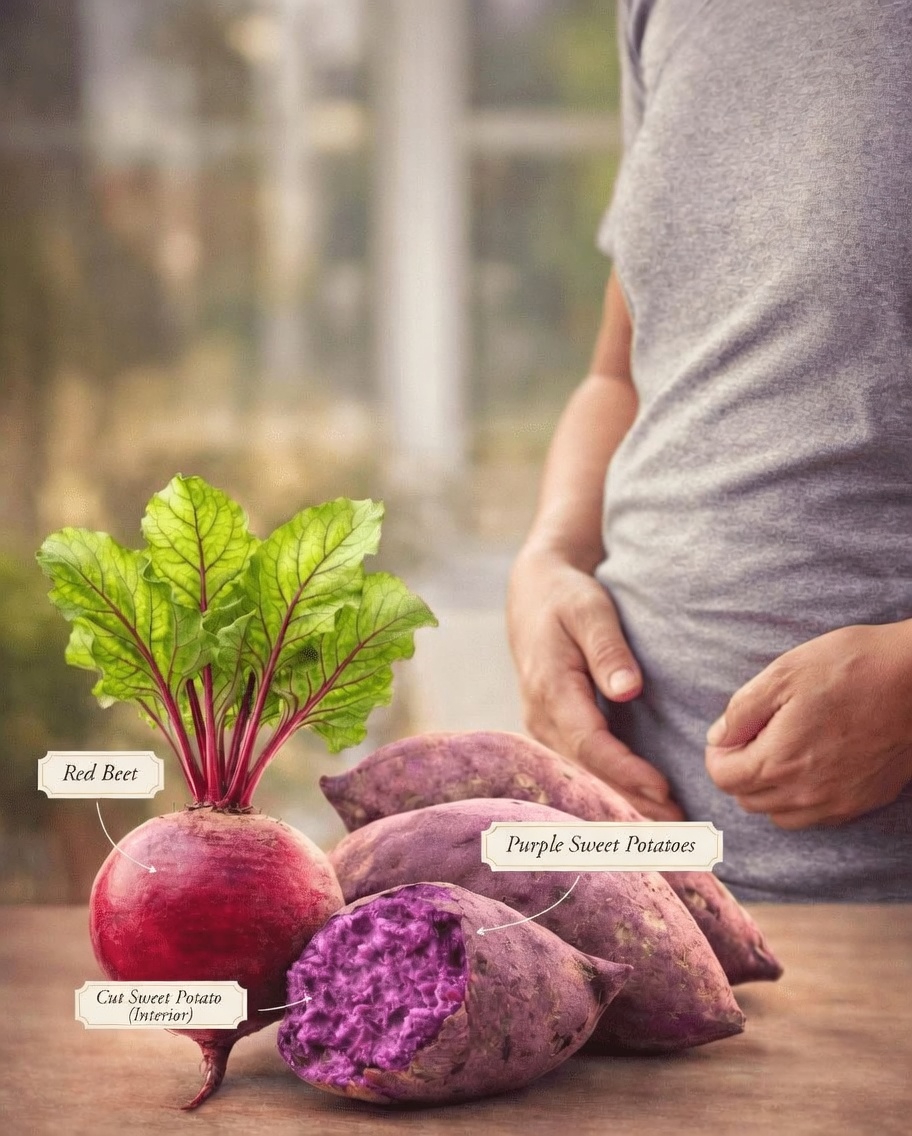
Beets
Naturally rich in nitrates, beets may help support healthy blood flow. They also contain betalains, antioxidant compounds that help protect cells. -
Purple Sweet Potatoes
Their deep purple color comes from anthocyanins, plant compounds associated with protection against everyday oxidative stress. -
Blueberries
These small berries contain beneficial compounds often linked with cognitive and cardiovascular support. -
Spinach and Other Leafy Greens
Leafy greens supply folate, magnesium, and fiber, all of which can help support steady energy and digestive health. -
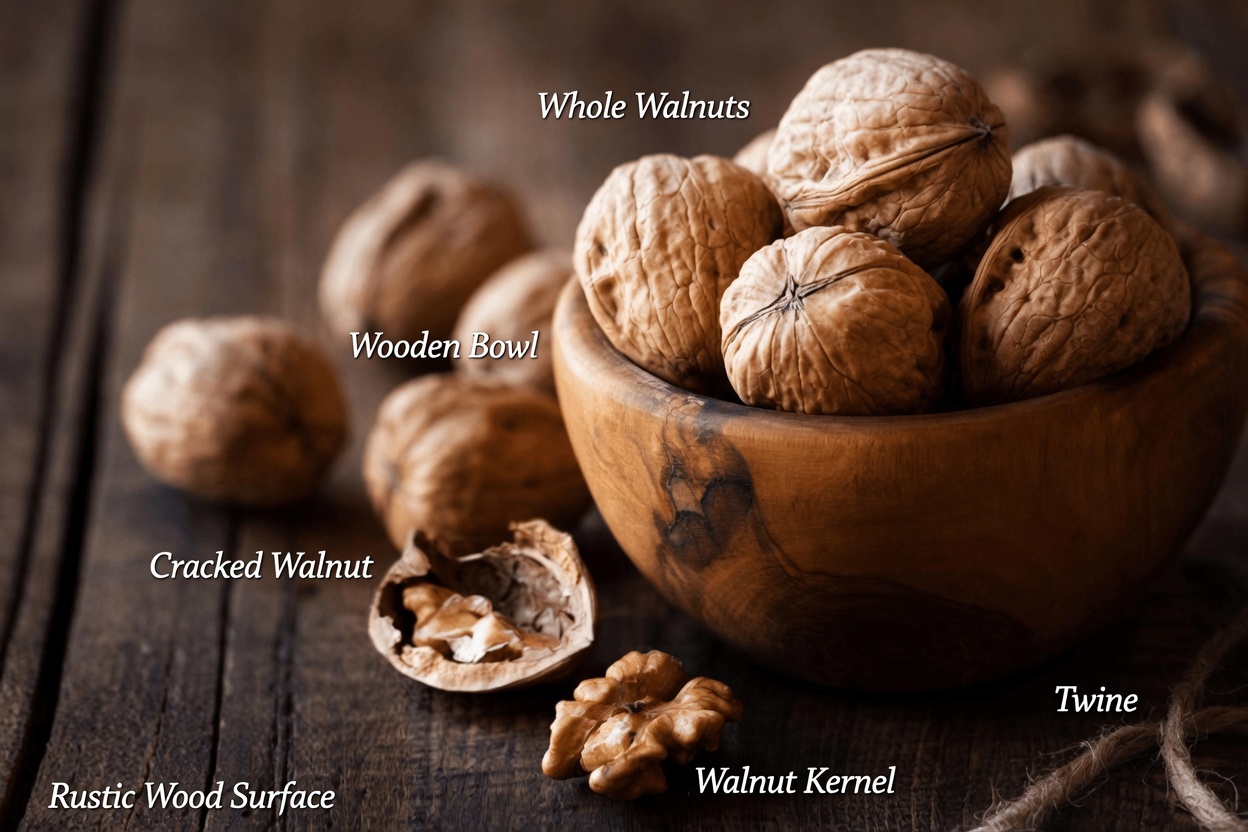
Walnuts
A simple handful provides healthy fats along with plant-based omega-3s. -
Salmon and Other Fatty Fish
Fatty fish offer high-quality protein and omega-3 fatty acids, which are frequently recommended for wellness as we age. -
Greek Yogurt
This protein-rich food also provides calcium and probiotics, making it useful for both bone and gut support.
-
Avocados
Avocados add potassium, monounsaturated fats, and a creamy texture that works well in many meals. -
Olive Oil
Swapping to olive oil is an easy way to include more heart-friendly fats in your daily cooking. -
Lentils and Beans
These budget-friendly staples provide plant protein and fiber, helping you stay satisfied longer. -
Oats
Oats are a whole-grain choice that may support balanced blood sugar and healthy cholesterol levels. -
Turmeric
Its active compound, curcumin, is widely studied for its potential role in supporting comfort and internal balance.
Why Beets and Purple Sweet Potatoes Stand Out
Beets and purple sweet potatoes make a powerful pair, which is why they are often highlighted together. Each offers different benefits, and together they create a strong nutritional combination for adults over 50.
Beets may help the body produce more nitric oxide, a compound associated with healthy circulation. This is especially meaningful for supporting the heart and kidneys as you age.
Purple sweet potatoes contribute anthocyanins, which research suggests may help reduce oxidative stress markers. Their fiber and natural sweetness can also make meals more satisfying.
Together, these two root vegetables offer a balance of nourishment, flavor, and color that can make healthy eating easier to enjoy and maintain.
Easy Ways to Start Using These Foods Today
You do not need to completely change your kitchen to begin. A few practical habits can help you include these foods in simple, sustainable ways.
1. Roast Them in Advance
Cut beets and purple sweet potatoes into cubes, toss with olive oil and herbs, then roast at 400°F for about 35 minutes. Store them in the refrigerator so they are ready to use throughout the week.
2. Add Them to a Morning Smoothie
Blend a small cooked beet and half of a purple sweet potato with blueberries and Greek yogurt for a colorful breakfast boost.
3. Build a Nutrient-Dense Salad
Start with spinach or mixed greens, then add lentils, avocado slices, and roasted beets. Finish with a drizzle of olive oil.
4. Choose a Better Afternoon Snack
Pair walnuts with a few steamed or roasted cubes of purple sweet potato for a satisfying snack.
5. Use Simple Seasoning Upgrades
Stir a pinch of turmeric into oatmeal or lentil soup to add flavor and extra nutritional value.
Quick Checklist for Success
- Choose fresh or frozen versions depending on what is most convenient.
- Introduce one new food each week to make the transition easier.
- Drink enough water and include light movement in your day.
- Use flavors and recipes you already enjoy so the habit feels natural.
How to Turn These Foods Into a Lasting Habit
Perfect eating is not necessary. What matters most is consistency. A simple strategy is to update just one meal a day so it includes at least two foods from this list.
Over time, those repeated choices may help support steadier energy, better meal satisfaction, and more comfortable daily living. That is exactly what many adults over 50 are looking for: realistic habits that fit real life.
Final Thoughts: Small Food Choices Can Have a Big Impact
Including these 12 natural foods in your meals after age 50 is a simple and enjoyable way to support your body’s changing needs. Beets and purple sweet potatoes are excellent places to begin, but the full list gives you enough variety to keep meals interesting and sustainable.
Start with whatever you already have at home this week, and build gradually. Those steady, colorful choices can add up in meaningful ways over time.
Frequently Asked Questions
How much should I eat?
A practical goal is to enjoy one or two servings of each root vegetable several times per week. For portion size, about half a cup of cooked beets or purple sweet potato is a reasonable amount. Rotate them with the other foods on the list to keep your diet varied.
Are there any precautions?
Beets naturally contain oxalates, so people with a history of kidney stones may want to speak with their doctor before eating them regularly. Beets and purple sweet potatoes also contain potassium, which is beneficial for many people but may require special attention if you have certain medical conditions. If you are making major dietary changes, it is best to check with your healthcare provider.
Can I use canned, frozen, or pre-cooked options?
Yes. Low-sodium canned beets, frozen purple sweet potatoes, and pre-cooked or pre-roasted versions can all be helpful choices. Fresh ingredients are great, but convenient options often make it easier to stay consistent.
Disclaimer
This article is intended for informational and educational purposes only. It is not medical advice and should not be used for diagnosis or treatment. Speak with a qualified healthcare professional before changing your diet, especially if you have existing medical conditions or take medication. Individual results may differ.