
Feeling More Tired After 50? These 12 Natural Foods Can Help Support Energy and Wellness
As people move through their 50s and later years, it is common to notice shifts in energy, stamina, and recovery. Daily tasks may start to feel more demanding, and even enjoyable routines like hobbies or time with family can require more effort than before. The encouraging part is that small improvements in your daily meals can have a real impact on how you feel.
Even more surprising, research continues to highlight 12 simple natural foods that may support overall well-being during this stage of life. They are easy to find, affordable, and simple to add to everyday meals.
Why Food Choices Become More Important After 50
With age, the body naturally changes. Metabolism may slow, muscle mass can become harder to maintain, and nutrient absorption may not work as efficiently as it once did. Because of this, nutrition starts to play an even bigger role in helping you stay active, steady, and well.
Studies in healthy aging consistently suggest that whole foods rich in fiber, vitamins, minerals, and beneficial compounds can support better day-to-day balance. The best part is that you do not need a dramatic diet overhaul. A few small, consistent changes can make a meaningful difference over time.
12 Natural Foods to Add to Your Routine After Age 50
Before getting started, remember this list is built around everyday foods supported by general nutrition science. They do not require complicated recipes or expensive ingredients. In fact, some of the most colorful options, like beets and purple sweet potatoes, are among the most valuable.
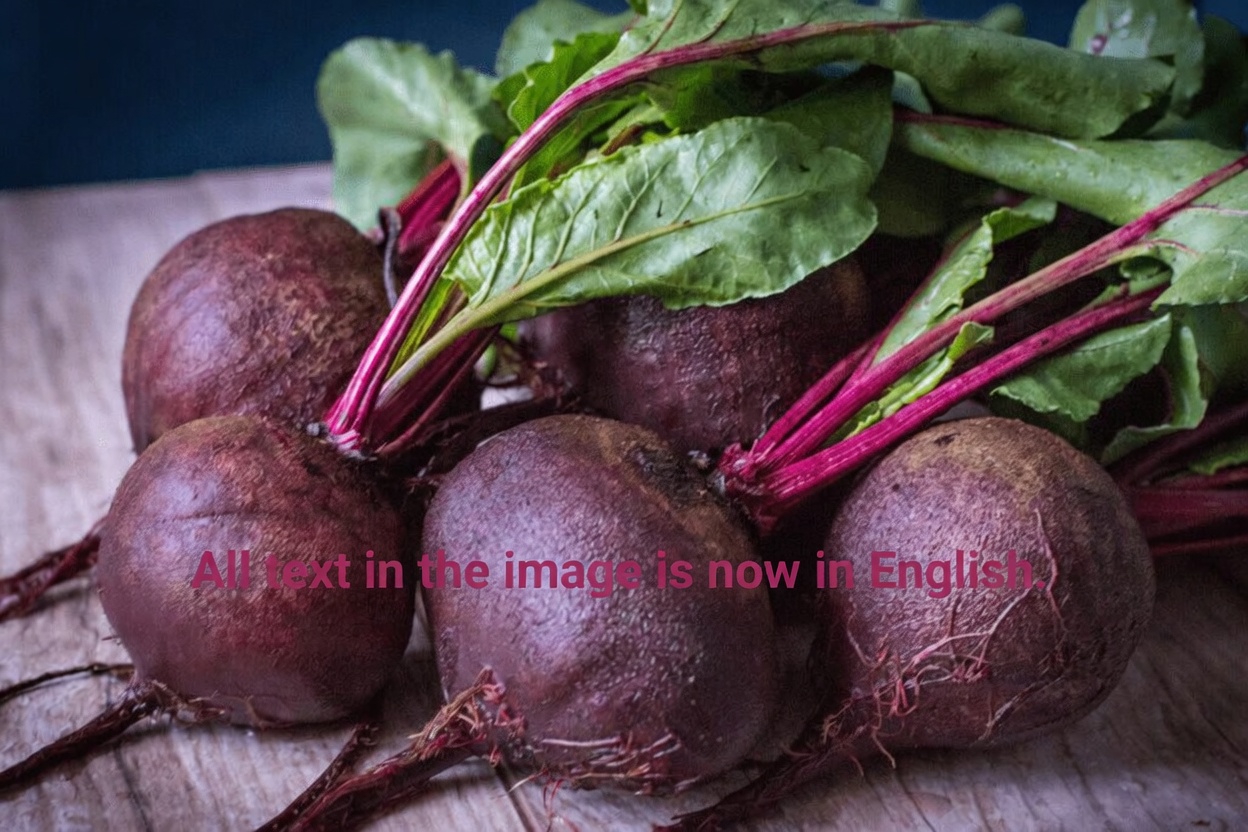
1. Beets
Beets add bold color and an earthy flavor to meals. Research suggests their natural nitrates and fiber may help support vitality and endurance as we age. They also provide folate and potassium.
- Rich in antioxidants
- High in fiber for digestive support
- Available throughout the year
A simple way to use them is to roast sliced beets with olive oil as a side dish. You can also shred raw beets into salads or blend cooked beets into a smoothie.
2. Purple Sweet Potatoes
Purple sweet potatoes stand out for both their vivid color and naturally sweet taste. Their anthocyanins are often studied for antioxidant support, and their complex carbohydrates can provide steady energy.
- Good source of vitamin A and fiber
- Often gentler on blood sugar than white potatoes
- Makes meals more colorful and appealing
Bake them whole, mash them into grain bowls, or slice them into wedges for homemade fries.
3. Kidney Beans
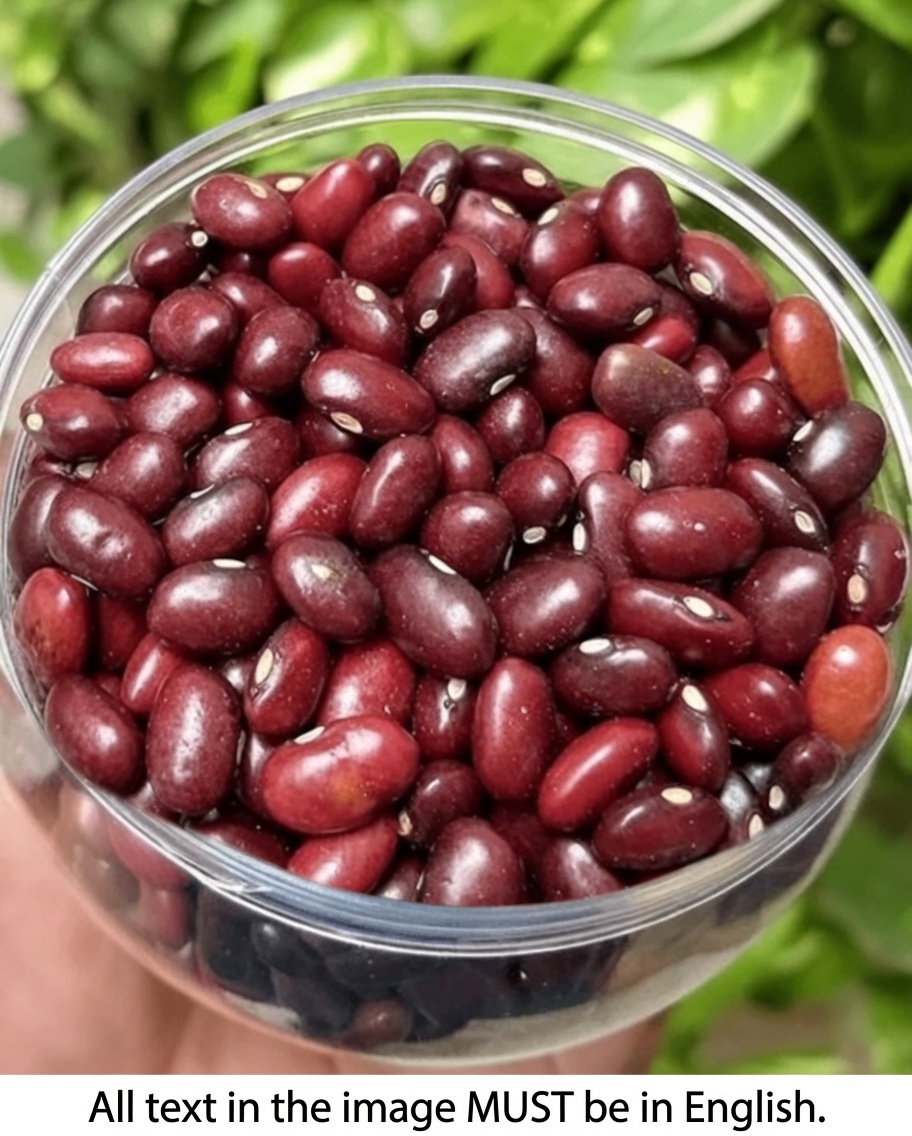
Kidney beans are filling, affordable, and easy to include in many meals. As a legume, they offer plant protein and fiber, which may help maintain more stable energy levels after 50.
- Provide iron and magnesium
- Budget-friendly and shelf-stable
- Contain prebiotic fiber that supports gut health
Use rinsed canned kidney beans in soups, chili, salads, or rice bowls for a quick nutrition boost.
4. Leafy Greens Such as Spinach and Kale
Leafy greens are among the most nutrient-dense foods you can eat. Whether raw or cooked, they deliver vitamins and minerals that support healthy aging.
- High in vitamin K and calcium
- Low in calories but high in nutrients
- Fast and easy to prepare
Sauté them with garlic, blend them into smoothies, or layer them into wraps and sandwiches. Even one handful a day is a good start.
5. Berries
Berries offer natural sweetness, bright flavor, and plenty of nutrition without added sugar. Research often links their plant compounds to long-term cognitive and physical wellness.
- High in vitamin C and fiber
- Easy to buy fresh or frozen
- Convenient as a snack or topping
Add berries to yogurt, oatmeal, or smoothies. Keeping frozen berries on hand makes healthy choices easier.
6. Fatty Fish Like Salmon
Salmon and other fatty fish are well known for their omega-3 content. Nutrition experts often recommend eating them several times a week as part of an age-supportive eating pattern.
- Natural source of high-quality protein
- Usually quick to cook
- Works well with many vegetables
Bake salmon with herbs for dinner, or use canned salmon in salads when you need a faster meal.
7. Nuts and Seeds
Nuts and seeds provide healthy fats, crunch, and lasting satisfaction. They are often recommended for adults over 50 because they also contain key minerals and vitamin E.
- Source of magnesium and vitamin E
- Easy to carry as a snack
- Adds texture to breakfast, salads, and bowls
Try sprinkling almonds, walnuts, chia seeds, or pumpkin seeds over yogurt, oatmeal, or vegetables.
8. Greek Yogurt
Greek yogurt is a simple, protein-rich option that can fit into many meals. Research suggests dairy foods like this may help support muscle maintenance and bone health in midlife and beyond.
- Higher in protein than regular yogurt
- Contains probiotics that support gut balance
- Can be used in sweet or savory meals
Pair plain Greek yogurt with berries for breakfast, or use it as a creamy topping for vegetables and grain bowls.
9. Avocados
Avocados bring a creamy texture and mild taste that fits into many dishes. Their combination of healthy fats and potassium makes them a smart daily choice.
- Good source of heart-friendly fats
- Adds creaminess without heavy sauces
- Easy to portion for one meal
Spread avocado on toast, add it to salads, or mix it into a bowl with beans and greens.
10. Whole Grains Like Oats
Whole grains, especially oats, can help provide steady energy throughout the day. Their fiber content supports digestion and makes meals more satisfying.
- Contain beta-glucan fiber
- Affordable and practical
- Useful for breakfast, baking, or snacks
Cook oats with water or milk and top them with fruit and nuts. You can also use oats in muffins or homemade breakfast bars.
11. Broccoli and Other Cruciferous Vegetables
Broccoli is a simple vegetable that delivers a lot of nutrition in every serving. Cruciferous vegetables are often valued for compounds that support overall wellness.
- High in vitamin C and fiber
- Quick to steam, roast, or stir-fry
- Pairs well with many proteins
Serve broccoli as a side dish, mix it into stir-fries, or keep frozen broccoli on hand for easier meal prep.
12. Citrus Fruits Like Oranges
Oranges and other citrus fruits are refreshing, hydrating, and easy to eat. Their vitamin C content is often associated with immune support and healthy skin.
- Low in calories and hydrating
- Portable and easy to prepare
- Adds brightness to meals and drinks
Enjoy citrus as a snack, toss orange slices into salads, or add zest to yogurt and oatmeal for extra flavor.
Easy Ways to Include These Foods During the Week
You do not need to eat all 12 foods every day. A better approach is to rotate them through your meals in simple ways. Here is one easy example:
- Breakfast: Greek yogurt with berries and oats
- Lunch: Salad with beets, kidney beans, avocado, and leafy greens
- Snack: A handful of nuts with an orange
- Dinner: Baked salmon with purple sweet potatoes and broccoli
This kind of routine keeps meals balanced without making eating feel complicated.
Start Small and Pay Attention to How You Feel
The most important habit is consistency, not perfection. Choose two or three foods from this list and start there. Over time, those small additions can build into a stronger, more supportive eating pattern.
Many people notice steadier energy and better daily balance after making simple whole-food changes and sticking with them.
FAQ
How quickly might I notice a difference?
Everyone responds differently, but some people begin to feel more consistent energy within a few weeks when they regularly include more whole foods in their meals.