
Side Effects of Amlodipine: What to Watch for and When to Get Help
Taking a small tablet each day to control blood pressure can feel routine until unexpected symptoms begin to appear. If you have noticed ankle swelling, dizziness, fatigue, or other changes, you may be wondering whether your body is simply adapting or whether the medication needs closer review. For many adults over 45, side effects of amlodipine are a common reason to speak with a doctor.
The reassuring news is that most reactions are manageable, and many improve with time, monitoring, or small adjustments. Still, some symptoms deserve prompt medical attention. Understanding the difference can help you stay comfortable, confident, and informed.
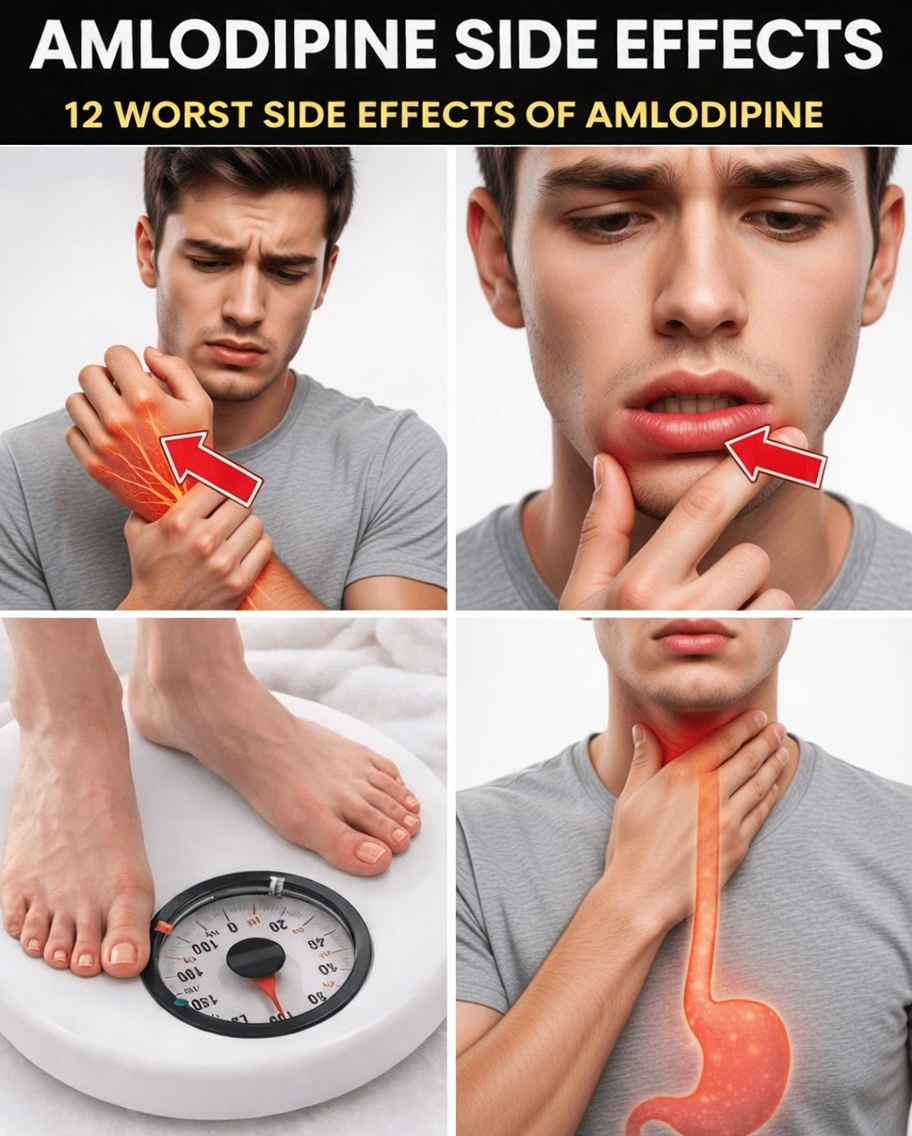
12. Flushing or a Feeling of Warmth
A sudden warmth in the face or body is one of the side effects of amlodipine that can happen because the medication relaxes blood vessels. It may feel similar to being overheated or stressed, even when neither is true.
This symptom is often more noticeable in the first few weeks. While usually mild, flushing can be uncomfortable and may make some people feel self-conscious in social settings or during normal daily activities.
11. Nausea or Upset Stomach
Some people experience mild nausea or digestive discomfort after taking amlodipine. This uneasy feeling can reduce your appetite, make meals less enjoyable, and leave you questioning whether your body is tolerating the medicine well.
In many cases, stomach-related side effects of amlodipine do not last long. Even so, feeling off day after day can be discouraging and may affect your motivation and routine.
10. Fatigue or Sleepiness
Ongoing tiredness is another commonly reported issue. If your energy suddenly feels lower than usual, it may not just be age or a busy schedule. Side effects of amlodipine can sometimes include fatigue or drowsiness that interferes with walking, errands, or family time.
These symptoms often lessen as your system adjusts. Until then, reduced stamina can be frustrating and may make you feel unlike yourself.

9. Headache
Headaches are among the more familiar side effects of amlodipine, especially when starting treatment. As your circulation adjusts to the medication, you may notice throbbing or pressure that makes it harder to focus.
Most headaches linked to amlodipine are mild, but repeated discomfort can still affect work, chores, and overall daily comfort.
8. Palpitations or an Irregular Heartbeat
Some people notice a racing heartbeat, skipped beats, or unusual awareness of their heart rhythm while taking amlodipine. These sensations can be unsettling, particularly if they happen without warning.
Although not always dangerous, these side effects of amlodipine can increase anxiety and make everyday moments feel less secure. It is worth discussing them with a healthcare professional, especially if they become frequent.
7. Dizziness or Lightheadedness
Dizziness is one of the top reasons people contact their doctor about amlodipine. Because the medicine relaxes blood vessels and lowers blood pressure, standing up quickly may trigger lightheadedness or unsteadiness.
This can raise concerns about falling and may make you hesitant to move around freely at home or outdoors. If dizziness is persistent or severe, medical guidance is important.
6. Gum Overgrowth
Though less common, amlodipine can sometimes cause gum swelling or overgrowth over time. You may first notice changes when brushing, flossing, eating, or smiling.
This is one of the less talked-about side effects of amlodipine, but it highlights the value of regular dental care. If your gums look or feel different, mention it to both your dentist and doctor.

5. Shortness of Breath
In some cases, people taking amlodipine report unexpected shortness of breath, even with light activity. When breathing feels harder than usual, it can quickly lead to concern about heart or lung health.
This symptom should not be ignored, particularly if it appears suddenly, worsens, or happens along with chest discomfort or swelling.
4. Severe Swelling (Edema)
Swelling in the ankles, feet, or lower legs is one of the most recognized side effects of amlodipine. This happens because fluid can build up as blood vessels relax. Shoes may feel tighter, walking can become less comfortable, and the visible swelling may affect confidence as well as mobility.
For many people, this is the symptom they notice first. Because it can interfere with independence and daily comfort, it is a common topic during follow-up appointments.
3. Allergic Reactions
Although rare, allergic reactions to amlodipine can occur. Possible warning signs include:
- Rash
- Hives
- Swelling
- Trouble breathing
These symptoms require prompt attention. Even though serious allergy is uncommon, knowing what to watch for can provide peace of mind.
2. Symptoms of Low Blood Pressure
If blood pressure drops too much, amlodipine may lead to more intense dizziness, weakness, fainting, or near-fainting episodes. These reactions can interrupt your day and make you nervous about being alone or going out.
This is one of the more serious side effects of amlodipine, especially if symptoms are sudden or recurring. Careful monitoring and timely medical advice can help restore confidence and safety.

1. Worsening Chest Pain or Other Heart-Related Symptoms
Rarely, amlodipine may be associated with symptoms that need immediate medical evaluation, such as:
- Chest pressure or pain
- Jaw discomfort
- Sweating
- Signs that feel heart-related and unusual
These are the side effects of amlodipine doctors want discussed right away. Quick action is important if you notice any of these warning signs.
Common vs. Serious Side Effects of Amlodipine
Here is a quick overview to help distinguish mild reactions from those that may require urgent care.
Common, Often Mild
- Ankle or foot swelling
- Dizziness
- Headache
- Fatigue
- Flushing
- Mild nausea
Serious, Seek Medical Help
- Chest pain
- Severe shortness of breath
- Fainting
- Serious allergic reaction
- Worsening heart-related symptoms
Why These Side Effects Happen
- Blood vessel relaxation can lead to swelling, flushing, dizziness, and headaches
- Rare individual reactions may cause more serious symptoms
How Often They Occur
- Mild symptoms may affect up to 10% to 15% of users
- Serious reactions are less common but still important to recognize
What to Do
- Mild symptoms often improve over time or after a dose review
- Severe symptoms require prompt medical care
Sources such as the Mayo Clinic commonly note this difference between expected side effects and symptoms that should never be ignored.
Real Experiences With Side Effects of Amlodipine
Many people say swollen feet were their biggest issue until simple changes, such as elevating the legs and speaking with a doctor, helped reduce the discomfort. Others report that dizziness became more manageable by standing up slowly and staying mindful of when symptoms appeared.
These experiences show that early action often makes side effects of amlodipine easier to handle, sometimes without major changes to treatment.
What to Do If You Notice Side Effects of Amlodipine
If you begin experiencing symptoms, take a few practical steps:
- Write down when the side effects started.
- Note how often they happen and how severe they feel.
- Record any other medications or supplements you take.
- Monitor your blood pressure regularly if advised by your doctor.
- Book a medical visit if symptoms continue or become bothersome.
- Seek urgent care right away for chest pain, breathing trouble, or signs of an allergic reaction.
A simple symptom journal can make a big difference. Tracking patterns helps your healthcare provider decide whether reassurance, monitoring, or an adjustment is needed.

A Positive Outlook on Side Effects of Amlodipine
Most side effects of amlodipine can be managed successfully, and many people continue taking the medication with only minor changes. In some cases, symptoms fade as the body adapts. In others, a doctor may recommend dose adjustments or helpful strategies to improve comfort.
Learning about possible reactions is a smart step. The more informed you are, the more confidently you can take charge of your blood pressure treatment and overall well-being.
FAQ About Side Effects of Amlodipine
What are the most common side effects of amlodipine?
The most common side effects of amlodipine include ankle swelling, dizziness, headaches, fatigue, and flushing, especially when first starting the medication.
Can side effects of amlodipine go away on their own?
Yes. Many side effects of amlodipine improve as your body adjusts. However, if symptoms continue, worsen, or interfere with daily life, you should contact your doctor.
When should I contact my doctor about side effects of amlodipine?
You should reach out to your doctor if the symptoms are persistent, affect your normal routine, or include dizziness, swelling, palpitations, or stomach upset that does not improve. Seek urgent medical care for chest pain, trouble breathing, fainting, or signs of an allergic reaction.