13 Lemon Water Mistakes That Quietly Sabotage Your Routine (And How to Fix Them)
Many people begin the morning with a glass of lemon water, hoping for an easy boost in hydration, digestion, and overall wellness. Yet small, almost invisible habits can slowly lead to tooth sensitivity, mild stomach upset, or subtle side effects that make the ritual feel less beneficial over time. It can be discouraging when you’re committed to a healthy routine but the details are quietly working against you.
The encouraging part: most of these issues are incredibly easy to correct with a few simple tweaks at home. And the most surprising shift often comes from mistake number 13 — the one nearly everyone overlooks, but that can dramatically change how well your lemon water works for you.
Why Lemon Water Can Feel Like a Double-Edged Sword
Lemon water is loved for being light, refreshing, and naturally flavored without adding sugar or calories. However, lemons are naturally acidic, which means how you prepare and drink them matters. Research from dental and nutrition professionals consistently shows that citric acid can influence tooth enamel and the digestive lining if the habit isn’t managed well.
Understanding the most common lemon water mistakes is the key to keeping the benefits while minimizing the downsides.
The upside: every single mistake below has a simple, practical solution.
Mistake #1: Choosing Bottled or Pasteurized Lemon Juice
Store‑bought lemon juice often goes through heat processing, which can reduce natural vitamin C and active plant compounds. Some brands also contain preservatives or added ingredients you may not want.
Quick fix:
Always opt for fresh lemons whenever possible. Squeeze about half of a fresh organic lemon into your glass for a more potent and natural drink.
Mistake #2: Throwing Away the Lemon Peel
Most people slice the lemon, squeeze the juice, and toss the peel in the trash. That peel actually holds a high concentration of antioxidants, beneficial plant compounds, and a bit of fiber — all of which you miss when you discard it.
Quick fix:
Use a small amount of the peel in your drink. Wash an organic lemon thoroughly, then grate or thinly slice a little piece of the peel and add it to your glass before pouring in the water.
Mistake #3: Not Diluting the Lemon Juice Enough
Highly concentrated lemon juice is very acidic, with a pH around 2–3. Taken too strong, it can irritate the mouth, throat, or stomach lining over time, especially in sensitive individuals.
Quick fix:
Use the juice from about half a lemon in 8–12 ounces (roughly 240–350 ml) of water. Start there, then add more water if you prefer a milder taste. When in doubt, more dilution is safer for your teeth and digestion.
Mistake #4: Drinking Without a Straw
If you sip lemon water directly from the glass, the acid repeatedly washes over your teeth. Dentists often see enamel softening or increased sensitivity in people who drink acidic beverages like this regularly.
Quick fix:
Use a reusable straw and aim the tip toward the back of your mouth so the liquid spends less time on your teeth. This tiny adjustment can significantly reduce acid contact with enamel.
Mistake #5: Brushing Your Teeth Right After Drinking
Lemon water temporarily softens tooth enamel because of its acidity. Brushing too soon afterward can scrub away that softened surface layer more easily.
Quick fix:
Wait at least 30–60 minutes before brushing your teeth after lemon water. In the meantime, rinse your mouth with plain water to help clear away residual acid.
Mistake #6: Drinking Lemon Water Immediately Before Meals
For some people, drinking acidic beverages too close to mealtime can interfere with the natural production or timing of stomach acid needed for optimal digestion.
Quick fix:
Have your lemon water about 30–60 minutes before eating, or enjoy it between meals instead of right before you sit down to eat. This timing is often gentler on digestion.
Mistake #7: Overdoing the Daily Amount
More lemon does not always mean more benefit. Using the juice from several lemons a day can increase overall acidity, which may be too much for people with sensitive teeth, reflux tendencies, or a reactive stomach.
Quick fix:
Aim for one glass — or at most two — per day, using no more than the juice of one whole lemon in total. This is usually enough to enjoy the ritual without overloading your system.
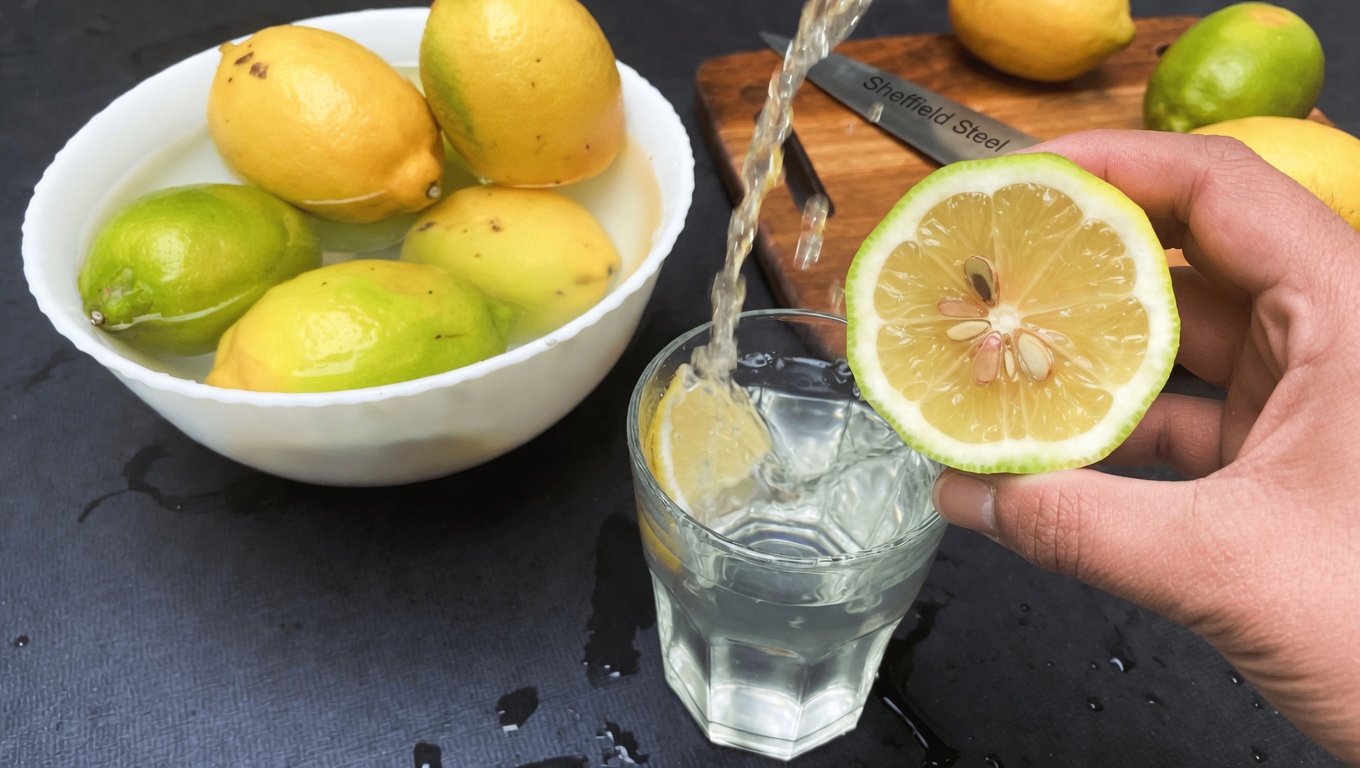
Mistake #8: Skipping a Mouth Rinse Afterwards
Even after you finish your glass, traces of acidic liquid can remain on your teeth, tongue, and gums longer than you might expect.
Quick fix:
As soon as you’re done drinking, swish with plain water for 10–15 seconds and then swallow or spit. This simple habit helps dilute and wash away remaining acid.
Mistake #9: Drinking on an Empty Stomach When You’re Sensitive
If you’re prone to acid reflux, heartburn, or gastritis, a burst of extra acidity first thing in the morning may feel uncomfortable or triggering.
Quick fix:
Pay attention to how your body responds. If you notice bloating, burning, or discomfort, try enjoying lemon water after a light breakfast or later in the morning instead of on an empty stomach.
Mistake #10: Not Washing Lemons Properly
Conventional lemons may carry dirt, pesticide residues, or wax coatings on the skin. When you zest, slice, or squeeze them, some of that can make its way into your drink.
Quick fix:
Always rinse lemons thoroughly under running water, and use a vegetable brush to scrub the peel before cutting. Choose organic lemons when possible, especially if you plan to use the zest or peel.
Mistake #11: Letting Lemon Water Replace Plain Water
Lemon water is a nice upgrade, but relying on it as your main source of fluids can mean you drink less total water overall — or consume more acidity than your body needs.
Quick fix:
Keep plain water as your primary hydration throughout the day. Treat lemon water as an occasional or daily addition rather than a complete replacement.
Mistake #12: Drinking Very Hot Lemon Water at Night
A steaming mug of hot lemon water can feel soothing, but for some people the heat plus acidity can trigger nighttime reflux. Drinking large amounts of any liquid too close to bedtime can also disrupt sleep, especially for light sleepers.
Quick fix:
In the evening, choose room‑temperature or mildly warm water instead of very hot. Try to finish your final glass at least one hour before you go to bed.
Mistake #13: Ignoring Early Warning Signs From Your Body
This is the big one most people miss. Mild tooth sensitivity, occasional bloating, or slight heartburn are often early signals that your current lemon water routine needs a minor adjustment. Many people ignore these signs and keep going exactly the same way.
Quick fix:
If something feels off for more than a few days, experiment with:
- Reducing the amount of lemon juice
- Adding more water for extra dilution
- Changing the time of day you drink it
- Taking a short break and then reintroducing it more gently
Small tweaks like these usually resolve issues quickly and help you enjoy lemon water more comfortably.
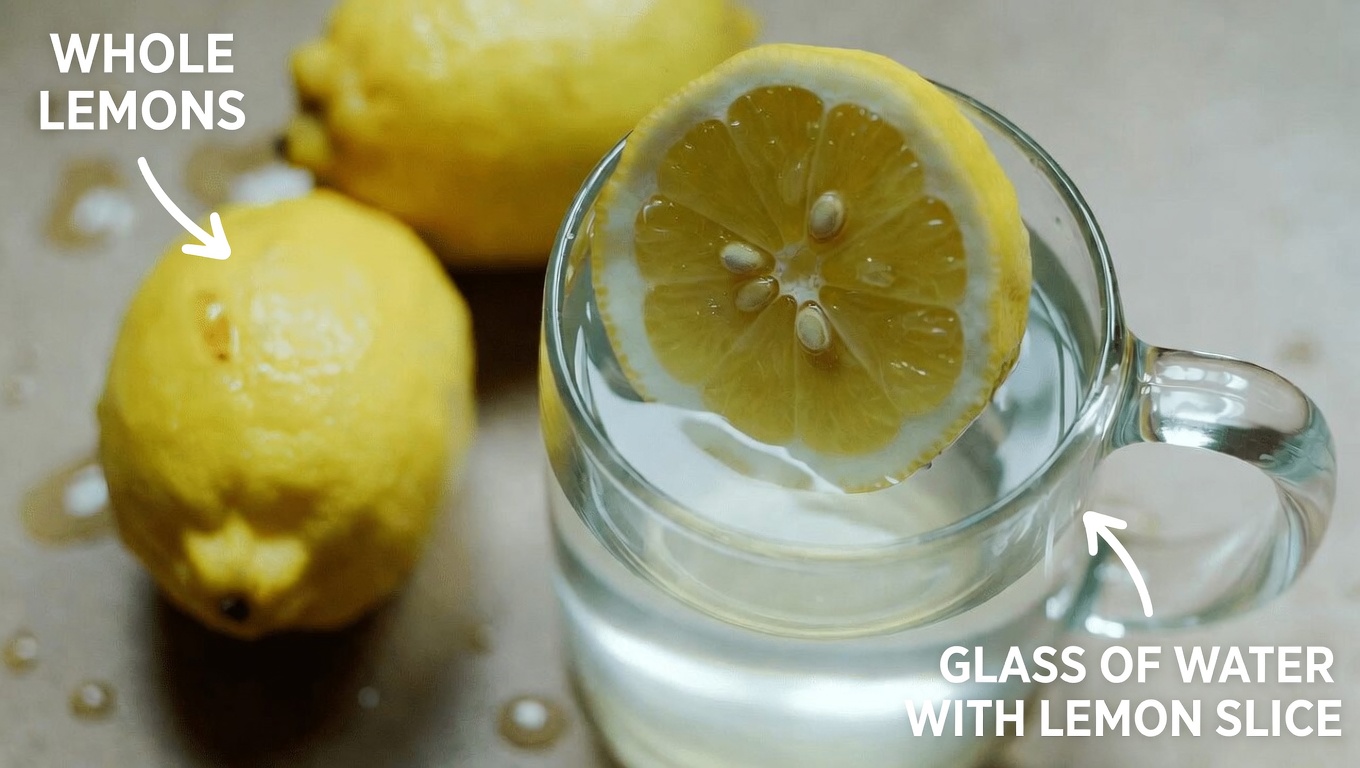
Who Should Be Extra Cautious With Lemon Water
While lemon water is generally safe for most people, certain groups should be more careful or speak with a healthcare professional before making it a daily habit:
- Individuals with active GERD or chronic acid reflux
- Anyone with a history of stomach or duodenal ulcers
- People with very sensitive teeth, enamel erosion, or recent dental work
- Those taking medications that affect stomach acid or interact with citrus
If you fall into any of these categories, a quick conversation with your doctor or dentist can help you decide what’s safest for you.
A Simple Daily Lemon Water Checklist
Use this quick checklist to build a smarter, tooth‑friendly, digestion‑supportive lemon water routine:
- Wash fresh lemons thoroughly (organic if possible)
- Use about half a lemon per 8–12 oz (240–350 ml) of water
- Drink through a reusable straw to reduce contact with teeth
- Rinse your mouth with plain water after finishing
- Wait 30–60 minutes before brushing your teeth
- Enjoy your drink between meals or well before eating
The Bottom Line: Tiny Adjustments, Big Improvements
Lemon water can be a pleasant and supportive part of your day when used wisely. The goal isn’t to give it up, but to make it work in harmony with your teeth, your digestion, and your overall health.
With a few small changes — better dilution, smart timing, mouth rinsing, and listening to early signals from your body — many people notice:
- Less tooth sensitivity
- Calmer, more comfortable digestion
- A more enjoyable and sustainable lemon water habit
Often, just a week of applying these adjustments is enough to feel a real difference.
Frequently Asked Questions About Lemon Water
1. Is lemon water bad for your teeth if you drink it every day?
Daily lemon water doesn’t have to harm your teeth if you protect your enamel. Use a straw, dilute the juice properly, rinse your mouth with plain water afterward, and wait before brushing. These habits help keep acidity at a manageable level for most people.
2. Can everyone drink lemon water on an empty stomach?
Not necessarily. Many people tolerate it well first thing in the morning, but others experience heartburn, discomfort, or bloating. If that happens to you, shift your lemon water to after breakfast or later in the day and see if your symptoms improve.
3. How much lemon water is too much in a day?
General guidance from many health professionals is to stay within the juice of one to two lemons total per day. Going significantly beyond that increases the risk of enamel irritation and digestive side effects, particularly for people who are sensitive to acid.
Disclaimer
This article is for informational and educational purposes only and does not constitute medical or dental advice. Always consult your healthcare provider, physician, or dentist before making significant changes to your diet or daily routines, especially if you have existing health conditions, ongoing symptoms, or specific concerns about your teeth or digestion.