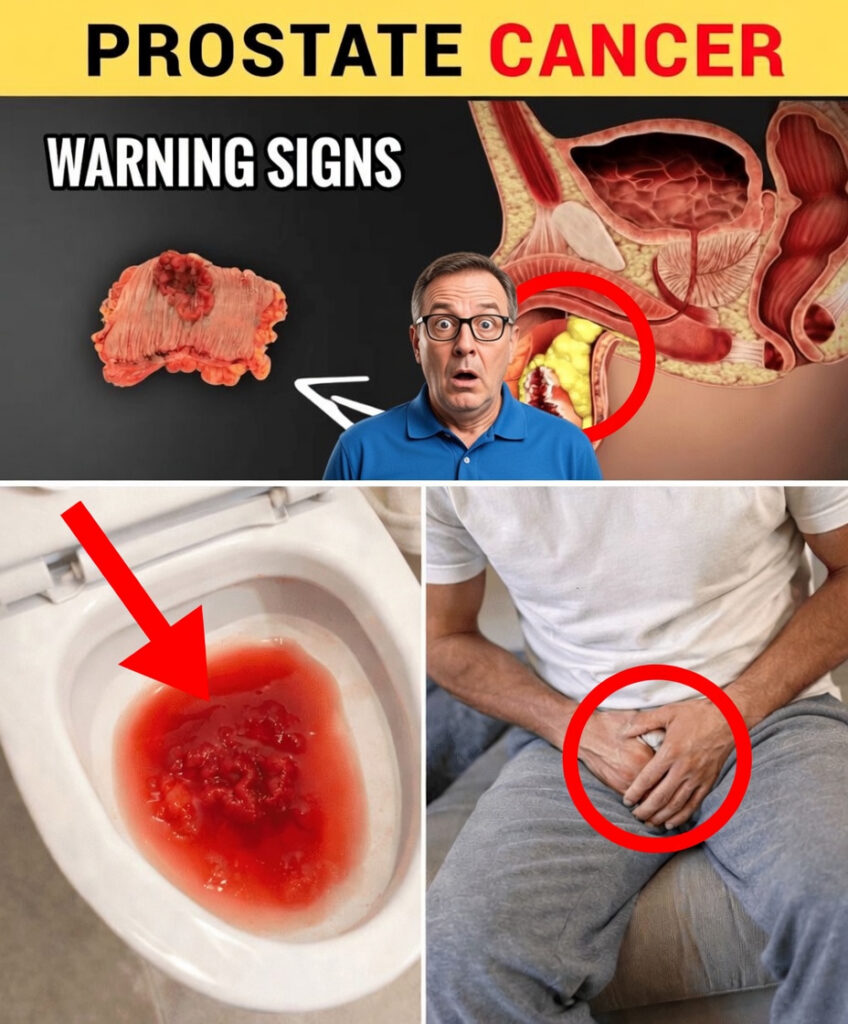
Subtle Early Signs of Prostate Cancer Symptoms Men Over 50 Should Not Ignore
Many men over 50 begin to notice small changes that seem easy to dismiss at first. Maybe they wake up more often during the night, feel less refreshed in the morning, or sense a gradual drop in daily comfort and confidence. On their own, these shifts may not seem alarming, but over time they can affect sleep, energy, and quality of life in meaningful ways.
For that reason, understanding the early silent signs of prostate cancer symptoms matters. Paying attention to these subtle signals does not mean assuming the worst. It simply helps men take a practical, informed approach to prostate health before symptoms become harder to ignore. Just as importantly, many of these changes can have causes other than cancer, so recognizing them early makes it easier to speak openly with a doctor instead of worrying in silence.
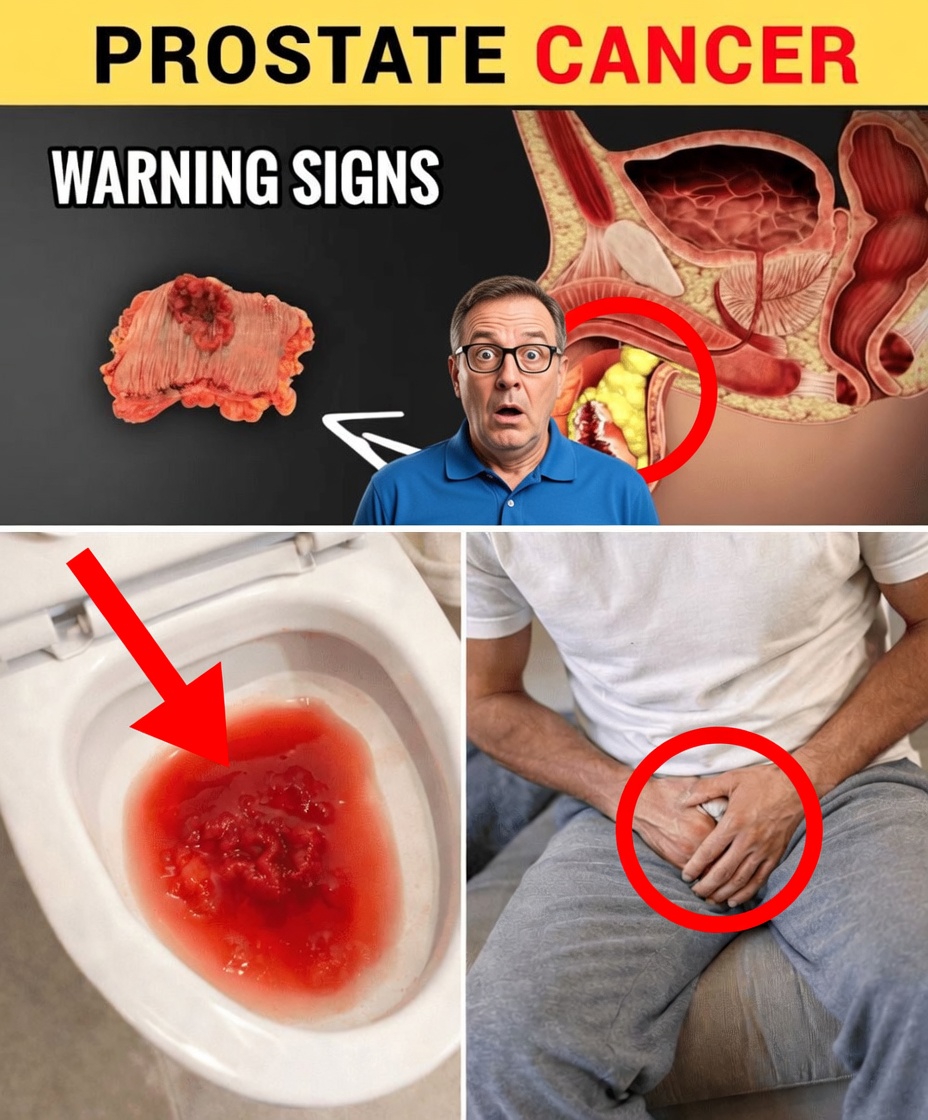
Understanding the Early Silent Signs of Prostate Cancer Symptoms
Prostate cancer is often described as a condition that can grow quietly for years. In many cases, it causes no obvious warning signs in the beginning and may only be discovered during a routine exam or another medical visit. That is why the early silent signs of prostate cancer symptoms are so often missed.
For men over 50, the challenge is that these signs can look very similar to common age-related issues, especially an enlarged prostate that is not cancerous. This overlap makes awareness especially important. The goal is not panic, but careful attention and timely discussion with a healthcare professional.
The encouraging news is that when concerns are identified early, men often have more options and better outcomes. Knowing what to watch for can turn uncertainty into a simple next step.

13 Early Silent Signs of Prostate Cancer Symptoms to Know
Health experts note that early prostate cancer frequently causes no symptoms at all. Still, some men do experience subtle changes that deserve attention. These signs do not automatically mean prostate cancer, but they are worth bringing up with a doctor.
1. Frequent urination, especially at night
Needing to urinate more often than usual, particularly during the night, is one of the most commonly noticed changes.
2. Trouble starting urination
If it becomes harder to begin urinating, or if you have to strain or wait, this may be a sign worth discussing.
3. Weak or stop-and-start urine flow
A stream that feels weaker than before or repeatedly starts and stops can indicate a prostate-related issue.
4. Feeling that the bladder is not fully empty
Some men notice a lingering sensation that urine is still left behind even after using the bathroom.
5. Pain or burning during urination
Discomfort while urinating may be linked to several conditions, including prostate concerns, and should not be ignored.
6. Blood in the urine
Even a small amount of pink, red, or rust-colored urine should be evaluated promptly.
7. Blood in the semen
This can be an unsettling symptom, but it is important to mention it to a doctor right away.
8. Difficulty getting or keeping an erection
Changes in sexual function can happen for many reasons, but they may also be linked to prostate health.
9. Pain during ejaculation
Discomfort during or after ejaculation is another symptom that deserves medical attention.
10. Lower semen volume
A noticeable drop in semen amount may be subtle, but some men do observe this change.
11. Pain in the lower back, hips, or pelvis
Persistent discomfort in these areas can sometimes be associated with prostate problems.
12. Ongoing fatigue or weakness
Feeling unusually tired for an extended period, especially without a clear reason, should be discussed with a healthcare provider.
13. Unexplained weight loss
Losing weight without trying is never something to brush off and may, in some cases, be linked to more advanced disease.
These symptoms can also result from other common conditions, including infection or benign prostate enlargement. Still, they are valuable signals that should be shared with a doctor.
Practical Ways to Support Prostate Health
Staying alert to the early silent signs of prostate cancer symptoms is only one part of the picture. Everyday habits can also support overall prostate health and help men feel more in control.
Helpful habits to follow
-
Track urinary changes
Keep note of how often you urinate, whether nighttime bathroom trips increase, or if the flow changes. -
Schedule regular check-ups
Routine medical visits become increasingly important after age 50, especially for discussing prostate health. -
Stay physically active
Daily movement, even something as simple as walking, supports overall wellness. -
Eat a balanced diet
Choose more vegetables, fruits, and whole foods while cutting back on highly processed items. -
Reduce fluids close to bedtime
This may help limit nighttime urination and improve sleep quality. -
Pay attention to new symptoms
If something feels different and lasts for more than a short period, it is worth mentioning.

Many men feel more reassured once they begin monitoring these changes and taking simple health steps. Often, early attention leads to more peace of mind as well as better day-to-day comfort.
Common Questions About Early Silent Signs of Prostate Cancer Symptoms
Are these symptoms always a sign of something serious?
No. Many of the early silent signs of prostate cancer symptoms are also caused by noncancerous conditions such as an enlarged prostate or urinary issues. Only a doctor can determine the cause.
How can I monitor symptoms at home?
A simple journal can help. Write down changes related to urination, sexual function, pain, sleep disruption, or fatigue, then bring those notes to your next appointment.
When should I see a doctor?
If any of these signs continue for more than a couple of weeks, or if you notice blood in the urine or semen, schedule a medical evaluation as soon as possible.

Final Thoughts on Staying Proactive
The early silent signs of prostate cancer symptoms are often small, gradual, and easy to explain away as normal aging. But staying aware of these subtle changes can make a real difference. Awareness allows men to act early, ask better questions, and approach prostate health with confidence rather than fear.
The key is consistency: maintain healthy habits, pay attention to changes, and do not wait for symptoms to become dramatic. A simple conversation with your doctor can provide clarity, reassurance, and, when needed, timely treatment.
If you have noticed any of these early signs, make a note of them and book a check-up. That small step today could make a meaningful difference for your future health.