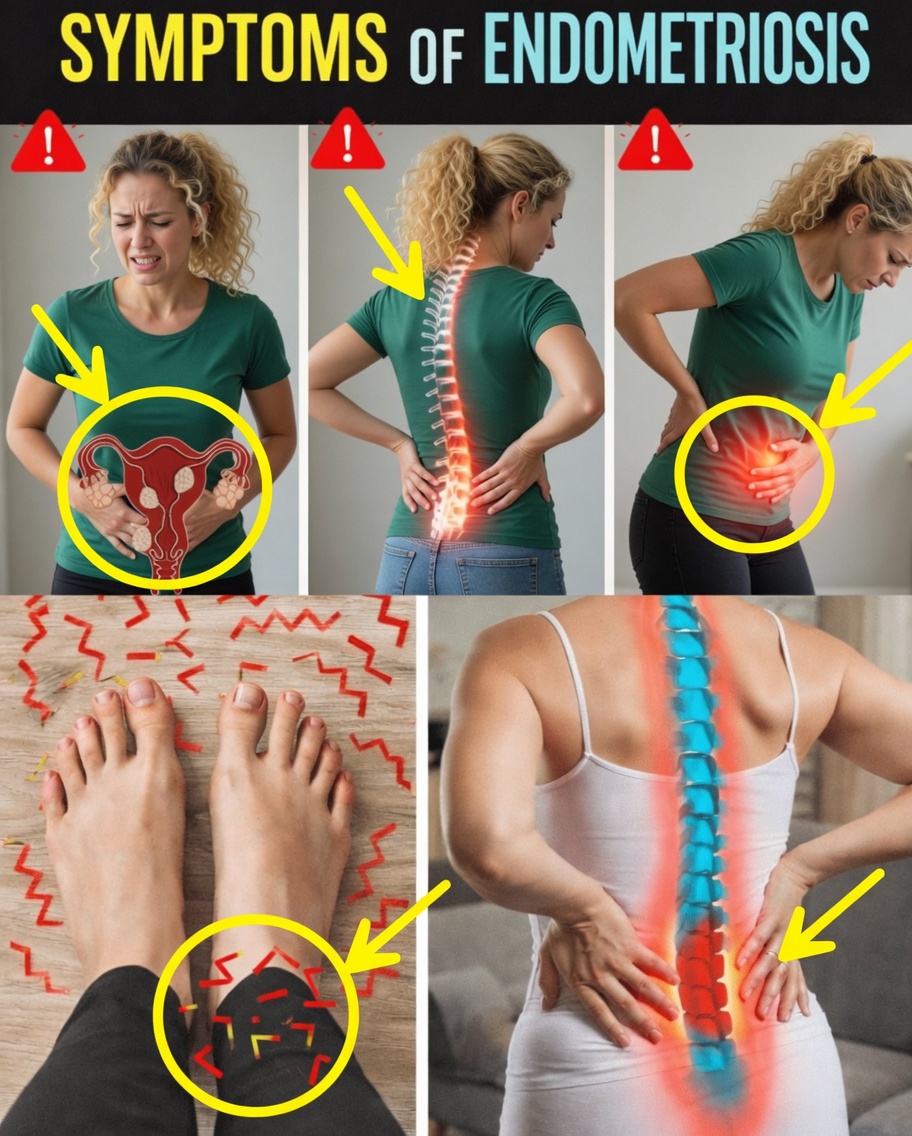
Recurring pain that interferes with daily life can be physically draining and emotionally discouraging. For many women, severe period cramps, lingering lower back pain, digestive discomfort, or constant fatigue are often dismissed as something they simply have to live with. Over time, these symptoms can affect work, relationships, sleep, and overall quality of life, making it harder to feel like yourself.
What many people do not realize is that these issues may be more closely connected than they seem. Research and guidance from organizations such as the Mayo Clinic and the NHS suggest that several of these everyday complaints can point to the same underlying condition. Understanding that connection can help you have more informed conversations about your health.
What Is Endometriosis?
Endometriosis is a condition in which tissue similar to the lining of the uterus grows outside the uterus. It commonly appears on the ovaries, fallopian tubes, and the lining of the pelvis. According to the World Health Organization, this can trigger inflammation, scar tissue formation, and ongoing pain in millions of women around the world.
One reason endometriosis is often missed is that its symptoms do not look the same for everyone. Some women experience severe pain, while others notice digestive issues, fatigue, or fertility challenges first. Because the signs can seem unrelated, many live with them for years before recognizing a pattern.
13 Common Endometriosis Symptoms Many Women Overlook
These symptoms may not always seem urgent, but they can quietly disrupt daily life month after month. Medical sources including Johns Hopkins Medicine and Cleveland Clinic note that pain and fatigue are among the most frequently reported concerns.
1. Severe Menstrual Cramps
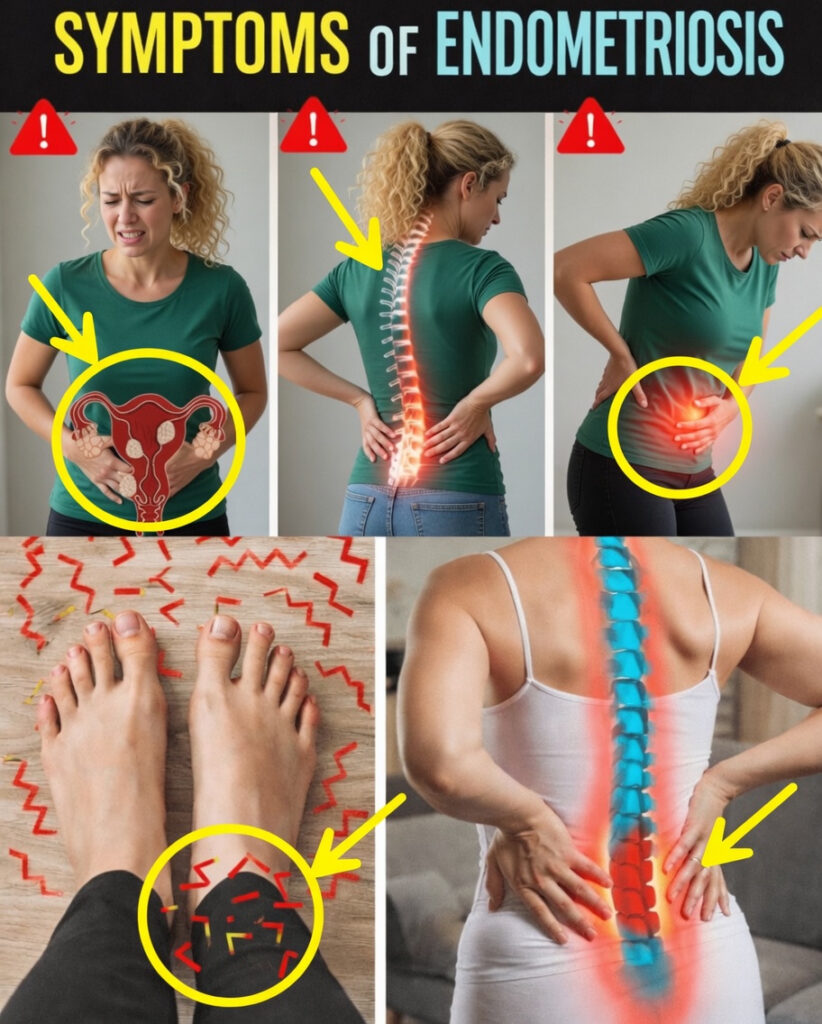
Period pain from endometriosis often feels much stronger than typical cramping. It may begin before menstruation starts, continue through the cycle, and spread into the lower abdomen or thighs. The pain can be sharp, throbbing, or intense enough to interfere with school, work, and normal activities.
2. Ongoing Pelvic Pain Between Periods
Discomfort is not always limited to menstruation. Some women experience a constant ache or pressure in the pelvic area even between cycles. This persistent pain may feel like heaviness or soreness that never fully goes away.
3. Pain During or After Sex
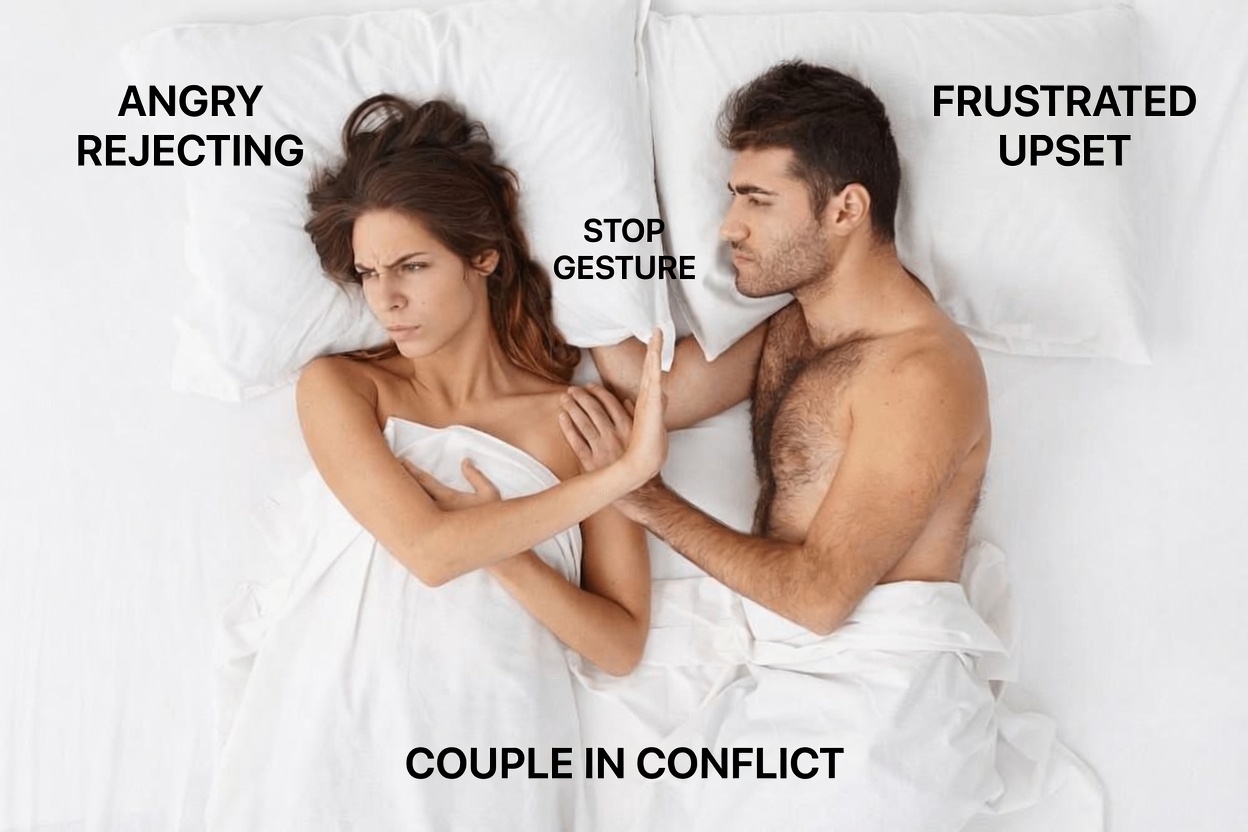
Discomfort during intimacy is another common symptom. For some women, the pain occurs during sex, while others feel it afterward and it may last for hours. Because this topic can feel uncomfortable to discuss, it often goes unmentioned even though it can affect emotional well-being and relationships.
4. Lower Back Pain Around Your Period
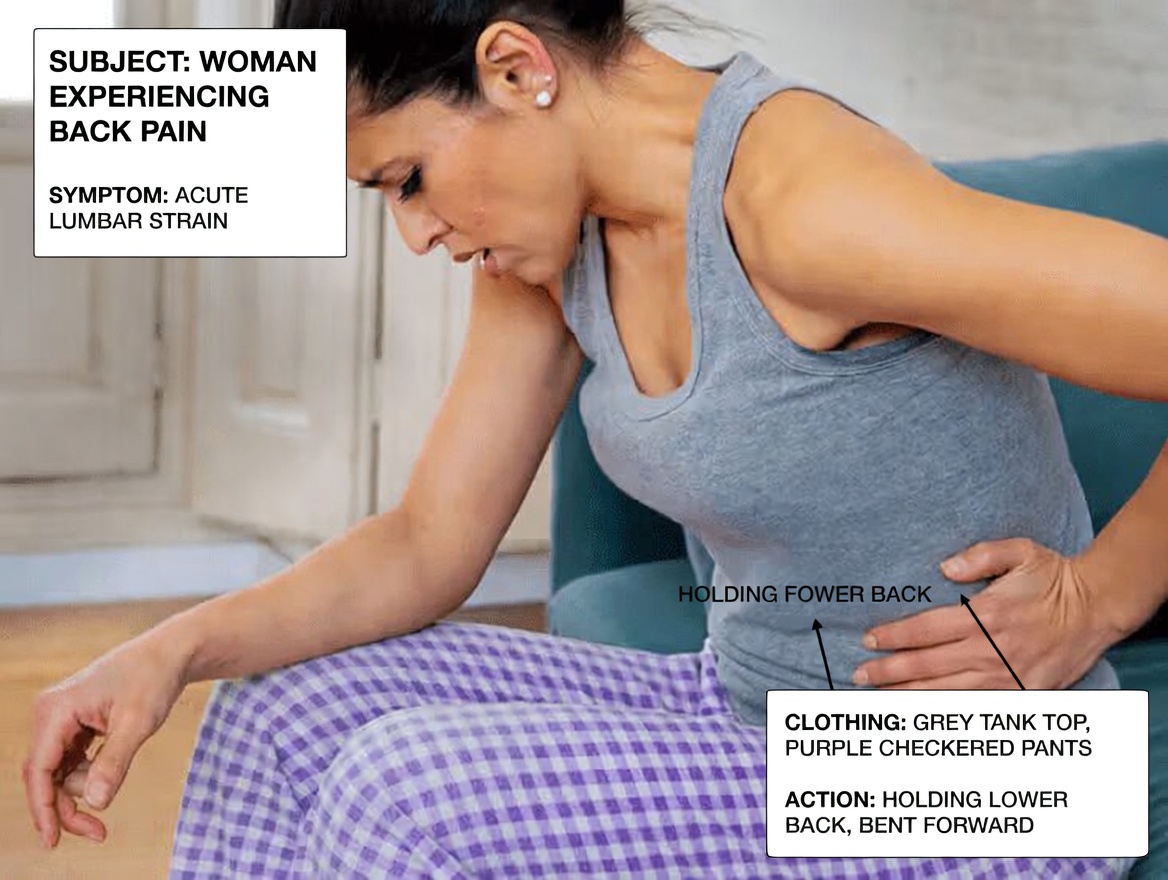
Back pain that gets worse before or during menstruation can also be linked to endometriosis. It may feel like a deep ache in the lower back that makes standing, bending, or sitting for long periods more difficult. This can happen when pelvic inflammation affects nearby structures.
5. Painful Bowel Movements or Urination
Using the bathroom may become painful, especially during your period. Some women notice cramping, pressure, or sharp discomfort when urinating or having a bowel movement. These symptoms can occur when endometriosis affects tissue near the bladder or bowel.
6. Heavy Periods or Spotting Between Cycles
Menstrual bleeding may be heavier than usual, with frequent pad or tampon changes, clotting, or a sense that the flow is excessive. Others may notice unexpected spotting between periods. These changes are easy to dismiss, but they can be an important clue.
7. Constant Fatigue
Many women with endometriosis describe feeling worn out even after a full night of sleep. This low-energy feeling may worsen during or after menstruation and can make concentrating, exercising, or handling everyday responsibilities much harder.
8. Bloating, Nausea, and Digestive Problems
Digestive symptoms are common and often mistaken for food intolerance, stress, or a stomach issue. Bloating, nausea, diarrhea, constipation, or gas may appear around your cycle and then return again the next month. This pattern is sometimes referred to informally as "endo belly."
9. Leg Pain or Sciatica-Like Symptoms
Some women experience pain that travels down the leg or causes tingling, numbness, or a burning sensation. In certain cases, endometriosis may irritate nerves in the pelvic area, creating discomfort that extends into the thighs, calves, or feet.
10. Headaches or Menstrual Migraines
Headaches that regularly appear before or during your period may be another piece of the puzzle. Hormonal changes combined with inflammation can contribute to recurring migraines or tension headaches tied to the menstrual cycle.
11. Pain in the Hips or Groin
Aching or stiffness in the hips and groin can make simple movement uncomfortable. Getting out of bed, walking, or changing positions may feel harder during certain times of the month. This symptom often overlaps with pelvic and lower back pain.
12. Mood Changes, Anxiety, or Low Mood
Endometriosis does not only affect the body. Chronic pain, exhaustion, and uncertainty can also take a toll emotionally. Irritability, anxiety, sadness, or feeling overwhelmed around your cycle can become part of the overall pattern.
13. Fertility Problems
Some women discover endometriosis only after trying to conceive without success. While infertility is not an everyday symptom in the same way pain is, the emotional impact can be significant and ongoing. It remains one of the major reasons the condition is diagnosed during medical evaluation.
The Important Link Between These Symptoms
The key connection is inflammation in the pelvic area. That same process can contribute to cramps, back pain, digestive issues, pain during sex, and even nerve-related leg discomfort. When symptoms are viewed one by one, they may seem unrelated. But when they appear together or follow a cycle-based pattern, they may point toward endometriosis.
Recognizing this link can help you stop treating each symptom as a separate problem and start looking at the bigger picture.
Why Endometriosis Symptoms Are Often Ignored
Women’s pain is still too often minimized or normalized. Severe cramps may be labeled as typical period pain, while fatigue or digestive symptoms may be blamed on stress, diet, or a busy schedule. Because of this, many women delay seeking answers.
Greater awareness can lead to earlier, more productive discussions with a healthcare professional. Paying attention to patterns is one of the most useful first steps.
Simple Ways to Track Your Symptoms
Keeping a daily record can make a real difference during medical appointments. A short symptom journal can help you identify patterns that are easy to miss in the moment.
Try tracking the following:
- The date each day
- Your pain level on a scale of 1 to 10
- Where the pain occurs
- Whether symptoms appear before, during, or after your period
- Digestive changes, fatigue, headaches, or spotting
- Possible triggers such as stress, certain foods, or physical activity
Review your notes each month and bring them to your healthcare provider. This information can make it easier to explain what you are experiencing clearly and accurately.
How Endometriosis Can Affect Daily Life
The impact of endometriosis often goes beyond physical pain. It can lead to missed workdays, canceled social plans, reduced energy, sleep disruption, and strain in close relationships. Even when symptoms come and go, the uncertainty can be exhausting.
For many women, simply realizing that these experiences are valid and shared by others is an important first step toward better support and management.
Frequently Asked Questions About Endometriosis Symptoms
Is severe period pain always a sign of endometriosis?
No. Painful periods can happen for different reasons. However, if your cramps are intense, getting worse over time, or interfering with daily life, it is worth discussing them with a healthcare professional.
Can endometriosis cause digestive symptoms?
Yes. Bloating, nausea, constipation, diarrhea, and painful bowel movements are all commonly reported, especially around menstruation.
Does endometriosis only cause symptoms during periods?
Not always. Some women have pain, fatigue, or pelvic discomfort throughout the month, not just during their cycle.
When should I talk to a doctor?
You should seek medical advice if pain, heavy bleeding, fatigue, or other recurring symptoms are affecting your quality of life, your ability to function, or your fertility goals.
Final Thoughts
Endometriosis can show up in many ways, from severe cramps and lower back pain to digestive problems, fatigue, and fertility concerns. Because these symptoms are often dismissed as normal, many women spend years without clear answers.
Learning to recognize the pattern is powerful. If several of these symptoms sound familiar, tracking them and speaking with a qualified healthcare provider could be an important next step toward understanding what your body is trying to tell you.