
Many women move through demanding days feeling unusually wiped out, even after a full night’s sleep. Clothes may start to fit differently, skin can feel drier, and yet nothing major has changed in diet or exercise. These small shifts can quietly build over weeks or months, making it harder to stay productive at work, enjoy time with family and friends, or simply feel like yourself.
The encouraging part is that once you know what to look for, common patterns become easier to recognize. That awareness gives you more control over your daily health. And one simple “mirror check” habit—often overlooked until later—can reveal visible clues that connect many of these symptoms right in front of you.
How Your Thyroid Influences Everyday Energy and Health
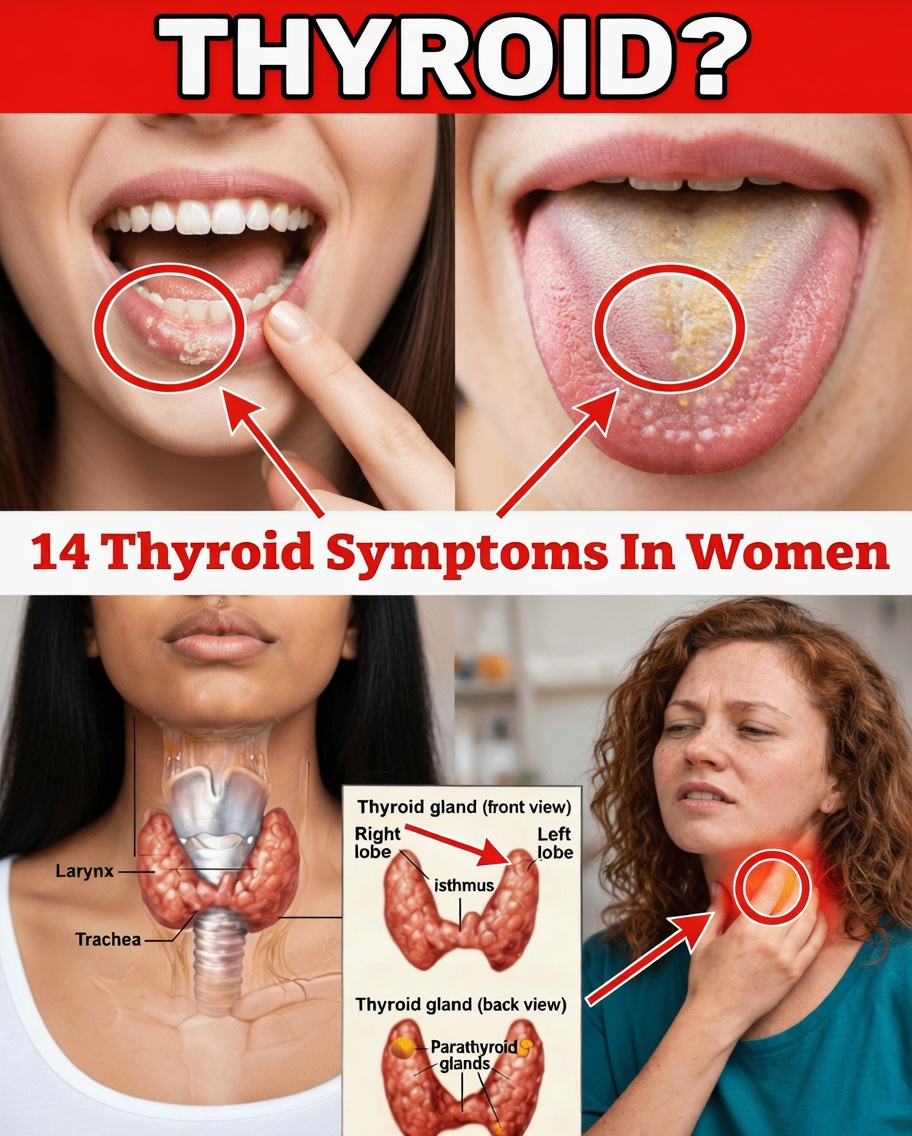
The thyroid is a small, butterfly-shaped gland at the base of your neck. Despite its size, it plays a powerful role in how your body converts food into energy. Thyroid hormones influence:
- Metabolism and calorie burn
- Heart rate and body temperature
- Mood and mental clarity
- Digestion and bowel movements
Even mild shifts in thyroid hormone levels can cause noticeable changes over time. These changes often feel confusing because they develop slowly. Women tend to pick up on them more frequently due to natural hormonal shifts related to menstrual cycles, pregnancy, and menopause.
Why Thyroid Symptoms Show Up More Often in Women
Health experts consistently report that women are significantly more likely than men to experience thyroid imbalances. This increased risk is often linked to:
- Autoimmune conditions (such as Hashimoto’s thyroiditis or Graves’ disease)
- Hormonal changes across different life stages
- Pregnancy and postpartum transitions
Many thyroid symptoms overlap with signs of everyday stress or lifestyle strain, which can make them easy to dismiss. Early awareness does not mean you should panic—it simply helps you notice patterns that may be worth mentioning at your next checkup. Information is a tool, not a reason for alarm.
14 Thyroid Symptoms in Women You Should Not Ignore
Below is a clear overview of thyroid-related symptoms many women describe. The intensity can vary from mild to disruptive, and you may experience just one or several at the same time.
1. Ongoing Fatigue That Doesn’t Improve With Sleep
You may feel drained from morning to night, even after getting what should be enough rest. When thyroid function slows, your metabolism can lag as well, making routine tasks feel unusually tiring. Many women describe this as a deep, persistent exhaustion that caffeine barely touches.
2. Unexplained Weight Gain or Weight Loss
Noticing the scale move up or down without changing how you eat or exercise is a common red flag. Because thyroid hormones help regulate how quickly your body burns calories, imbalances can lead to:
- Weight gain with an underactive thyroid
- Weight loss with an overactive thyroid
These shifts can happen gradually or more suddenly, which is why tracking changes over time matters.
3. Being Overly Sensitive to Cold or Heat
You might find yourself shivering in rooms where others feel fine, or overheating and sweating when the temperature seems normal. Thyroid hormones are involved in temperature regulation, so imbalances can make it harder to feel comfortably warm or cool. This can turn getting dressed for the day into a challenge.
4. Dry, Rough Skin and Fragile Nails
Skin can become rough, flaky, or itchy, and nails may split or break more easily than before. Changes in thyroid hormone levels can decrease natural skin oils and alter nail strength, leading to these visible shifts over time.
5. Thinning Hair or Noticeable Shedding
Seeing more hair in your brush, shower drain, or on your pillow can be unsettling. Thyroid health is closely tied to the hair growth cycle, so imbalances often show up as:
- Diffuse thinning across the scalp
- Increased daily shedding
These changes are often first spotted when you look in the mirror or style your hair.
6. Digestive Changes: Constipation or Loose Stools
Your bowel habits may slow down or speed up without any clear dietary cause. Because thyroid hormones help regulate how quickly food moves through the digestive tract:
- Low thyroid activity can lead to constipation
- High thyroid activity can lead to more frequent or looser stools
If you notice a new, consistent pattern, it’s worth paying attention.
7. Mood Swings, Anxiety, or Feeling Low
You might feel unusually irritable, on edge, or down without a clear reason. Thyroid hormones influence brain chemistry and neurotransmitters connected to mood. When levels are off, emotional ups and downs can become more common, even if your life circumstances haven’t changed dramatically.
8. Irregular, Heavier, or Lighter Periods
Your menstrual cycle may become:
- Less predictable
- Heavier or longer
- Lighter or shorter
Because thyroid hormones interact with reproductive hormones, disruptions in thyroid function often show up in your cycle. Keeping a simple record of period dates and flow can make these trends easier to spot.
9. Visible Swelling or Fullness in the Neck
A feeling of tightness, pressure, or visible enlargement at the base of your neck—especially when swallowing—can signal that the thyroid is enlarged. Some women describe:
- A lump-like sensation in the throat
- A fuller-looking neck in photos or mirrors
This is one of the more direct visual clues that something may be changing with your thyroid.
10. Muscle Weakness, Aches, or Joint Stiffness
Climbing stairs, carrying groceries, or lifting objects may suddenly feel more difficult. Muscle soreness and joint stiffness can creep in over weeks as hormone levels shift. These symptoms often pair with fatigue, amplifying the feeling that your body is working harder than it should.
11. Brain Fog, Poor Focus, or Memory Slips
You may find it tougher to concentrate, stay organized, or recall details that used to come easily. Many women describe this as:
- Mental “fog” or cloudiness
- Slower thinking
- Forgetfulness in day-to-day tasks
This cognitive slowdown is frequently linked to altered thyroid hormone levels.
12. Hoarse or Changing Voice
Your voice might sound raspier, weaker, or strained, especially when speaking for longer periods. Because the thyroid sits close to the vocal cords, swelling or enlargement in this area can change how your voice sounds. This is another reason to pay attention to your neck and throat.
13. Trouble Sleeping or Restless Nights
Difficulties falling asleep, staying asleep, or waking frequently can leave you feeling even more exhausted the next day. Thyroid function influences energy regulation and nervous system activity, making:
- Insomnia more likely with an overactive thyroid
- Excessive sleepiness more likely with an underactive thyroid
Poor sleep then worsens many of the other symptoms on this list.
14. Noticeable Changes in Your Tongue or Mouth
Some women observe a white coating on the tongue, a larger-looking tongue, or scalloped edges where the tongue presses against the teeth. These mouth changes can appear alongside other body symptoms and are often spotted:
- While brushing teeth
- During a quick look in the mirror
This simple “tongue check” can be an easy daily habit to catch early visible signs.
All fourteen of these signals can be connected to shifts in thyroid hormone levels. Understanding how they cluster can give you clearer insight into what might be happening.
Recognizing Common Patterns: Slow vs. Overactive Thyroid
Many people find it helpful to group symptoms into patterns that suggest either slower or faster thyroid activity. This is not a substitute for medical testing, but it can guide conversation with your healthcare provider.
Symptoms often linked with an underactive (slow) thyroid:
- Persistent fatigue
- Unexplained weight gain
- Feeling unusually cold
- Constipation
- Dry skin and brittle nails
- Heavier or more prolonged periods
- Muscle aches or joint stiffness
- Brain fog or memory issues
Symptoms often linked with an overactive (fast) thyroid:
- Unintentional weight loss
- Feeling hot or sweating easily
- Diarrhea or more frequent bowel movements
- Anxiety, nervousness, or restlessness
- Rapid or racing heartbeat
- Lighter or less frequent periods
- Difficulty sleeping
- Hand tremors or shakiness
Noting which group feels more familiar to you can help your doctor decide which tests and next steps make the most sense.
Simple Ways to Monitor Your Body at Home
You can begin observing patterns right away with small habits that fit easily into everyday life. These steps are meant to support awareness and overall wellness; they do not replace professional medical care.
- Track your weekly energy levels, weight changes, mood, and menstrual cycle details in a notebook or app.
- Once a month, look at your neck and tongue in the mirror while swallowing or brushing your teeth.
- Pay attention to shifts in your voice, digestion (constipation or loose stools), and temperature sensitivity over several weeks.
- Aim for consistent, balanced meals, regular movement, and adequate rest to support your body’s natural balance.
- Bring your notes and observations to routine checkups so your healthcare provider sees a clear timeline of changes.
These small actions can help you feel more informed, prepared, and proactive in caring for your thyroid health.
Everyday Habits That Support Overall Balance
While only a healthcare professional can diagnose thyroid issues, certain lifestyle habits can support your overall well-being and may help you feel more stable day to day:
- Prioritize a regular sleep schedule and create a calming bedtime routine.
- Use simple stress-management tools such as short walks, deep breathing, or quiet time away from screens.
- Choose nutrient-dense foods rich in protein, healthy fats, whole grains, fruits, and vegetables.
- Stay well hydrated throughout the day.
- Incorporate gentle movement—like walking, stretching, or low-impact exercise—most days of the week.
Many women report more consistent energy and mood when these basics remain steady, regardless of other health conditions.
What This Means for Your Daily Life
Noticing these fourteen thyroid-related signs early can give you valuable insight into how your body is functioning. Women who stay tuned in to these shifts often feel more confident:
- Describing their symptoms to a healthcare provider
- Asking informed questions
- Taking steps toward restoring balance and long-term health
That quick mirror habit—checking your neck, skin, hair, and tongue—can become a simple daily reminder to stay in touch with your body’s signals.
Frequently Asked Questions
Can these thyroid symptoms appear in men too?
Yes. Anyone can experience thyroid symptoms, including men and people of all ages. However, women are statistically more likely to develop thyroid disorders, especially autoimmune-related conditions, which is why these signs are reported more frequently in women.
Do these symptoms always mean I have a thyroid problem?
No. Many of these signs—such as fatigue, mood changes, or weight shifts—can also be caused by stress, lifestyle factors, medications, or other health conditions. If you notice several symptoms persisting or worsening over time, it’s important to discuss them with a healthcare professional who can evaluate your overall health and, if needed, order thyroid testing.
What should I do if I recognize several of these symptoms in myself?
If multiple symptoms on this list feel familiar and have been ongoing, consider:
- Writing down when each symptom started and how often it occurs.
- Bringing this record to your next medical appointment.
- Asking your healthcare provider whether thyroid testing (such as TSH, T3, and T4 levels) would be appropriate.
Early conversation and testing can clarify what is happening and help you make informed decisions about treatment and lifestyle adjustments.