14 Visible Health Warning Signs Women Should Not Ignore
You may wake up one day and notice something small feels different — a new mark on your skin, unusual tiredness, or a change that simply does not go away. At first, it is easy to explain it away as stress, hormones, or just getting older. However, when subtle symptoms linger, they can begin to affect your comfort, energy, and peace of mind.
The encouraging part is this: recognizing possible warning signs early can help you stay proactive about your health. In many cases, early attention is what makes the biggest difference.
Why These Symptoms Are Often Missed
Women often balance work, family, relationships, and countless daily responsibilities. Because of that, mild or gradual body changes are easy to overlook. According to health organizations such as the American Cancer Society, many early warning signs are dismissed because they seem minor or are mistaken for normal aging, hormonal shifts, or everyday stress.
Paying attention does not mean assuming the worst. It simply means staying informed and giving yourself the opportunity to act early if needed.
Some of the most noticeable clues can appear in places you already see regularly — your skin, nails, breasts, or even in the bathroom. Below are 14 visible signs worth taking seriously.
1. Breast Changes That Seem Minor at First
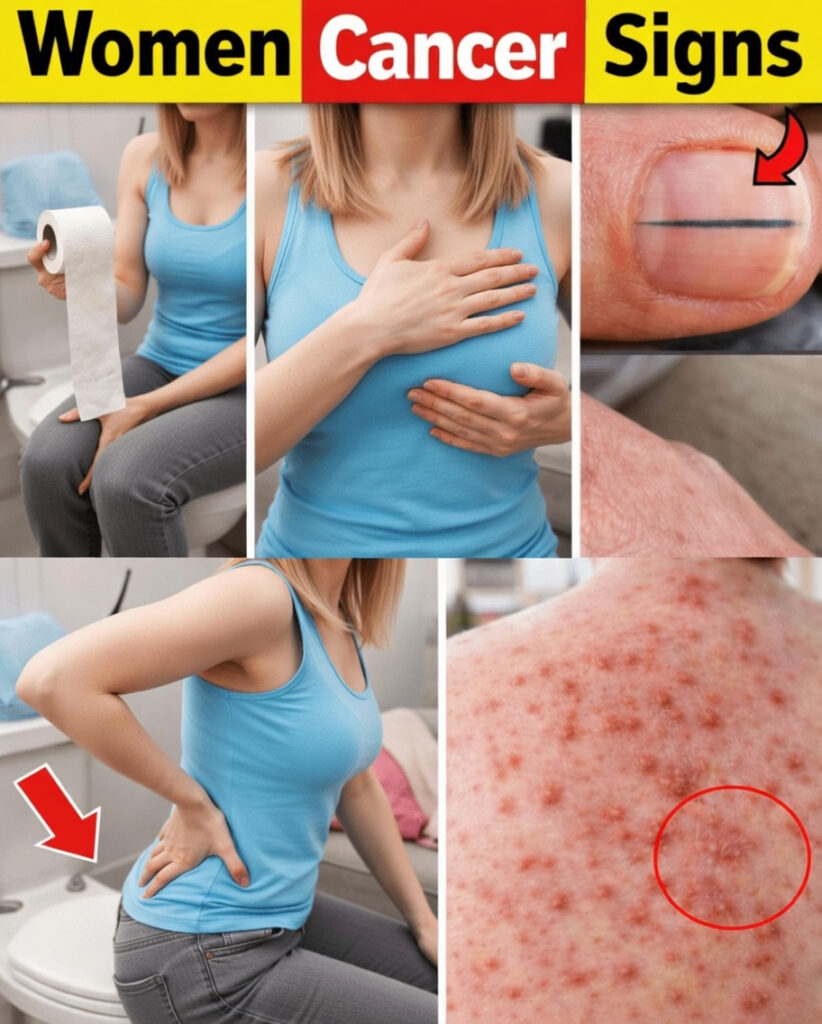
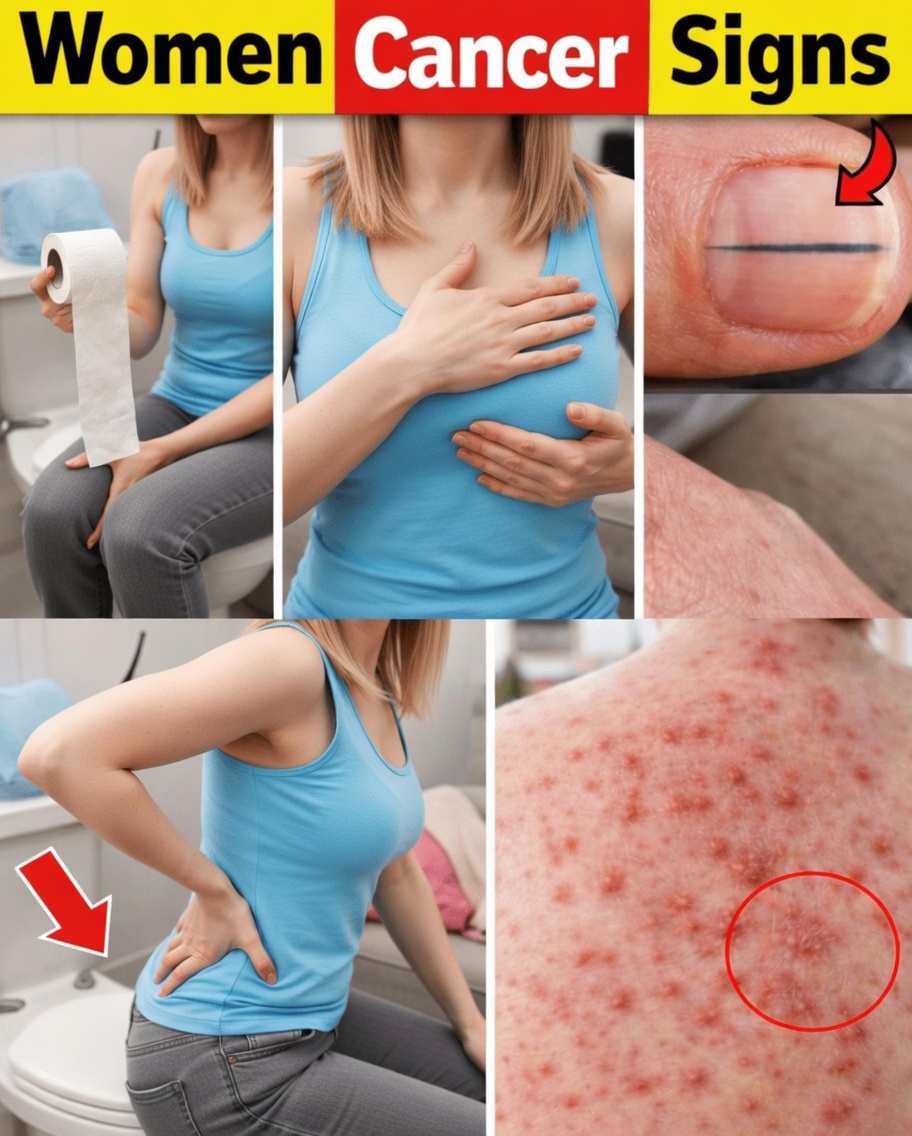
Breast tissue can naturally change throughout the month, but some differences should not be ignored. A new lump, skin dimpling, redness, or nipple discharge may need medical evaluation. Many women notice these changes while showering or dressing and assume they are temporary, but persistent changes deserve attention.
2. A Dark Streak Beneath a Nail
A narrow black or brown line under a fingernail or toenail may look like a bruise from daily activity. Still, experts note that unusual nail discoloration can sometimes point to a more serious issue. Because nails are often bumped or damaged, this sign is frequently overlooked.
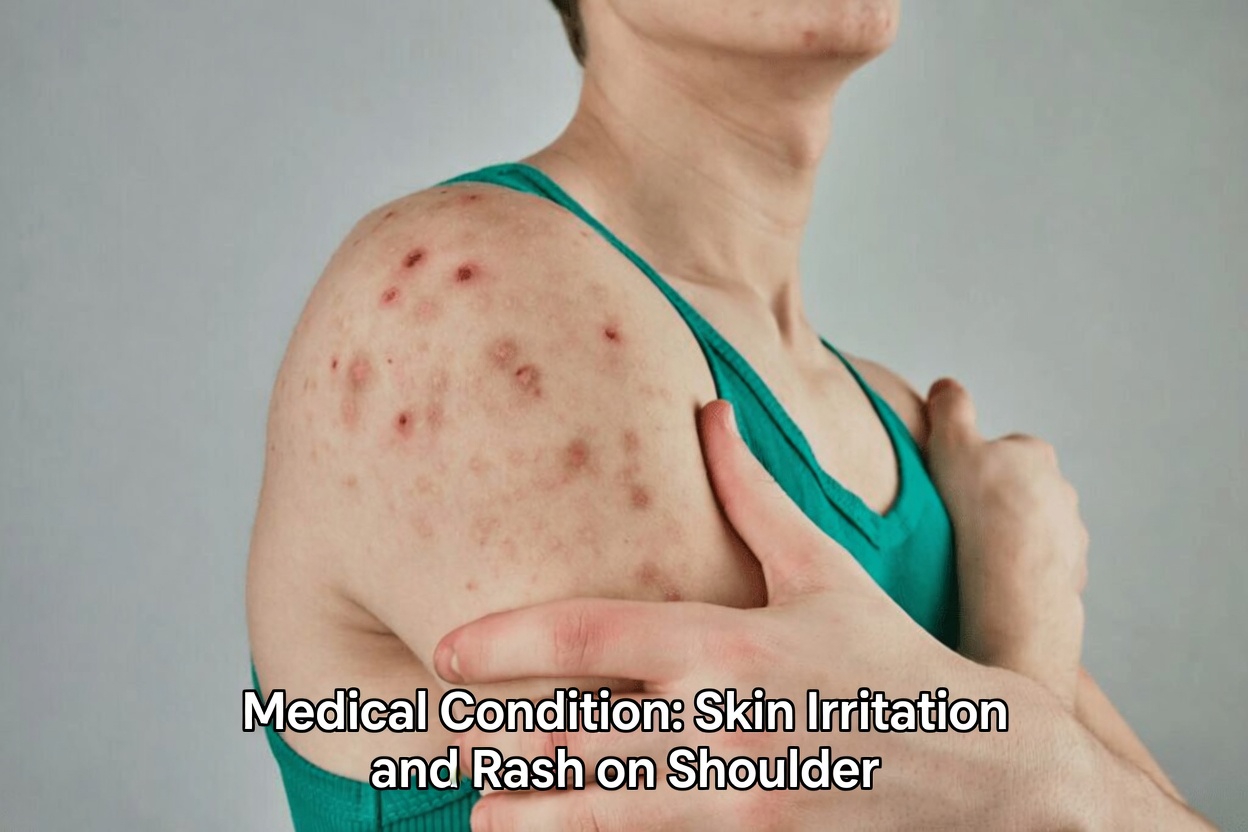
3. New Skin Spots, Rashes, or Irritated Patches
A fresh mole, a rash that does not fade, or a spot that itches, scabs, or bleeds easily can appear anywhere on the body. Skin changes are among the most visible warning signs, yet many people ignore them because they blend in with sun damage or common irritation.

4. Blood on Toilet Paper or in Stool
A small amount of blood after using the bathroom is often blamed on hemorrhoids or minor digestive issues. However, if blood keeps appearing or stool color changes without a clear reason, it is important not to brush it off.
5. Ongoing Pelvic or Lower Back Pain
Persistent discomfort in the lower back or pelvic area can easily be mistaken for muscle strain, menstrual changes, or aging. But pain that does not improve with rest or basic remedies should not be ignored, especially if it continues over time.
6. Unexplained Weight Loss
Losing weight without changing your diet or exercise habits may seem harmless at first. Yet when the pounds drop unexpectedly and fatigue increases, it can be a sign that your body needs attention.
7. Bloating That Lasts for Weeks
Feeling bloated once in a while is common. The concern is when that bloated, overly full feeling becomes frequent or does not go away. If your midsection looks or feels different for weeks, it is worth discussing with a healthcare professional.
8. Unusual Vaginal Bleeding or Discharge
Spotting between periods, bleeding after menopause, or discharge that seems abnormal can sometimes be dismissed as a hormone issue. Still, these visible changes should be checked, especially when they are new, persistent, or unexplained.
9. Swollen Lymph Nodes You Can Feel
A lump under the arm, near the collarbone, or in the neck may be noticed after an illness and assumed to be temporary. While swollen lymph nodes often have harmless causes, lumps that remain or grow should be evaluated.
10. Changes in Moles or Freckles
A mole that gets bigger, changes color, develops uneven borders, or looks different from the rest of your skin should not be ignored. Dermatologists often stress that these visible shifts can be easy to miss during quick daily routines.
11. A Cough or Hoarseness That Will Not Go Away
A lingering cough or a raspy voice can seem like allergies, a cold, or seasonal irritation. But when it lasts longer than expected or begins to affect breathing or speaking, it becomes a sign worth tracking.
12. Trouble Swallowing or Constant Heartburn
If food regularly feels stuck or indigestion keeps returning, it may be more than stress or spicy meals. Over time, you may notice yourself eating more slowly or avoiding certain foods because of discomfort.
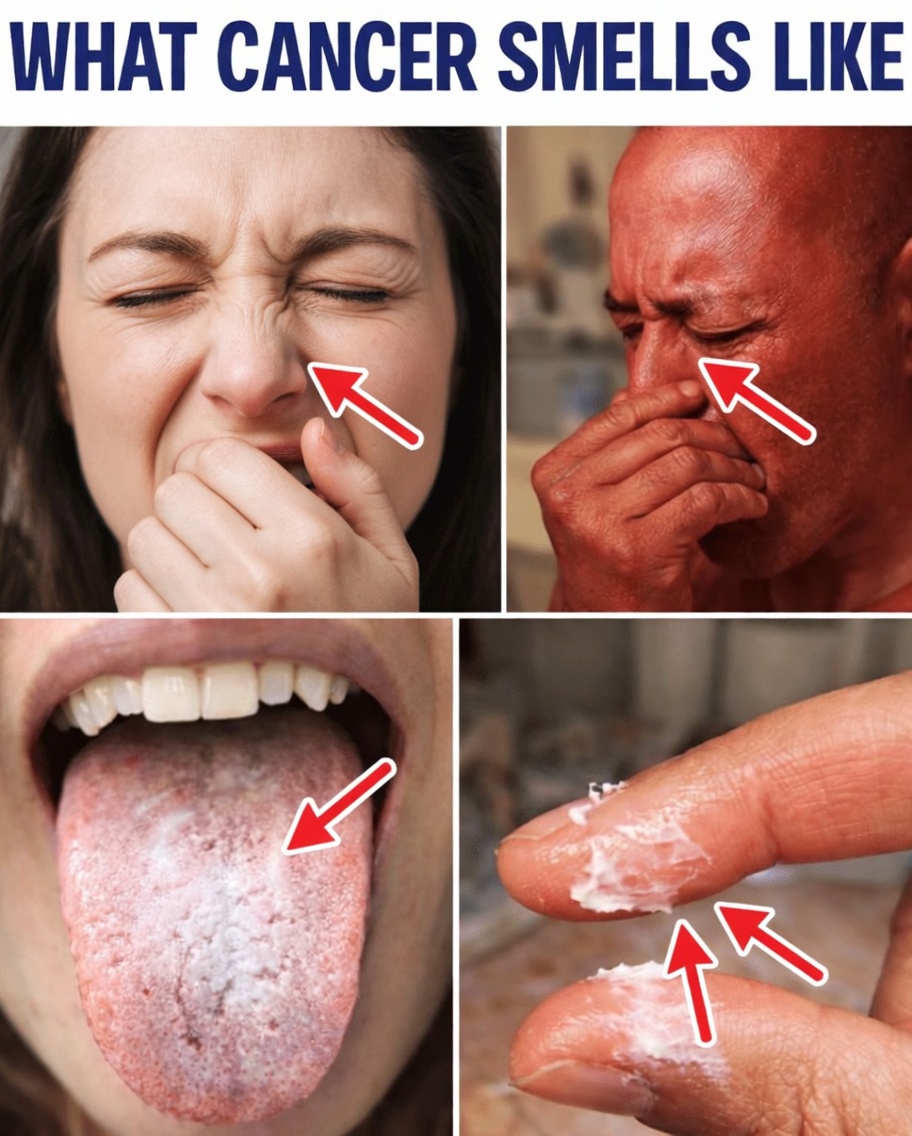
13. Mouth Sores or White Patches That Persist
A sore inside the mouth or a white patch on the tongue, gums, or inner cheek that does not heal after a few weeks may seem like a minor irritation. Still, these oral changes should not be ignored.
14. Severe Fatigue or Unusual Paleness
Feeling exhausted no matter how much rest you get — or noticing that your skin looks much paler than usual — can be easy to blame on burnout. Yet extreme tiredness and visible paleness are common signs that something may need medical attention.
Why These Signs Matter
These symptoms do not automatically mean something serious is wrong. In many cases, there may be a simple explanation. But if they continue, worsen, or feel unusual for your body, getting checked early can provide answers and peace of mind much sooner.
The key is not fear — it is awareness.
Simple Steps You Can Take Starting Today
If you want to turn awareness into action, begin with a few easy habits:
- Do monthly self-checks: Take a couple of minutes in the shower to check your breasts and look at your skin.
- Track any changes: Use your phone to note what you notice, when it started, how it feels, and add a photo if helpful.
- Keep routine appointments: Schedule yearly wellness visits even when you feel healthy, and bring your notes with you.
- Learn your normal: The better you know your body, the easier it is to recognize when something changes.
Health resources such as WebMD and major cancer organizations consistently emphasize that women who stay alert to changes often feel more confident and in control of their well-being.
Why Early Awareness Can Make a Real Difference
The truth is that many of these signs can have everyday causes. But when they persist, a conversation with a doctor can help rule out serious problems or catch them early. Many women only got answers because they paid attention to something small instead of waiting.
That is the real power of awareness — it helps you act sooner, ask better questions, and protect your health with confidence.
Frequently Asked Questions
What should I do if I notice one of these signs?
Make an appointment with your doctor as soon as possible. Explain clearly what you noticed, when it began, and whether it has changed. A medical professional can recommend the right next steps or tests.
Do these warning signs only affect older women?
No. Women of every age can experience these symptoms. Regular check-ups become especially important after 40, but younger women should also pay attention to unusual changes.
Can healthy habits lower the risk?
Yes. Eating a balanced diet, staying active, avoiding smoking, limiting alcohol, and protecting your skin from the sun are all smart ways to support long-term health.
Final Thoughts
Being aware of these 14 visible warning signs does not have to feel frightening. It is simply about knowing your body, noticing what changes, and taking action when something does not seem right. That knowledge can help you make informed decisions and care for yourself with more confidence.
Share this information with the women in your life — it may be the reminder someone needs.
Disclaimer
This article is for informational purposes only and does not replace professional medical advice, diagnosis, or treatment. Always speak with a qualified healthcare provider about any questions or concerns related to your health.