14 Visible Health Changes Women Should Not Ignore
Many women move through packed schedules and tend to dismiss minor physical changes as stress, aging, or just part of everyday life. A flaky spot on the scalp, an unusual mark on a nail, or unexpected spotting on toilet paper can easily seem unimportant when there is so much else going on. But when these signs are repeatedly overlooked, it may delay an important conversation with a healthcare provider. The good news is that paying attention to small changes can help you feel more informed, prepared, and in control of your health.
What makes awareness especially valuable is knowing which visible changes deserve closer attention. Among them, one nail-related sign often catches even highly health-conscious women off guard.
Why Visible Body Changes Deserve Attention
Leading organizations such as the American Cancer Society and MD Anderson Cancer Center emphasize that some health concerns may first appear through physical changes you can actually see or feel. Studies and medical guidance often suggest that discussing unusual or ongoing symptoms early can improve reassurance and open up better options for evaluation and care. Of course, many of these signs can also be linked to harmless causes such as hormonal shifts, nutrition, skin irritation, or routine wear and tear. That is why awareness matters: it helps you notice patterns without jumping to conclusions. This article is intended for awareness only, not self-diagnosis.
14 Noticeable Signs Women Should Watch For
Below are 14 visible changes commonly mentioned in medical awareness materials. If any of them continue, worsen, or feel unusual for your body, they are worth bringing up with a doctor.
1. Changes on the Scalp or Skin
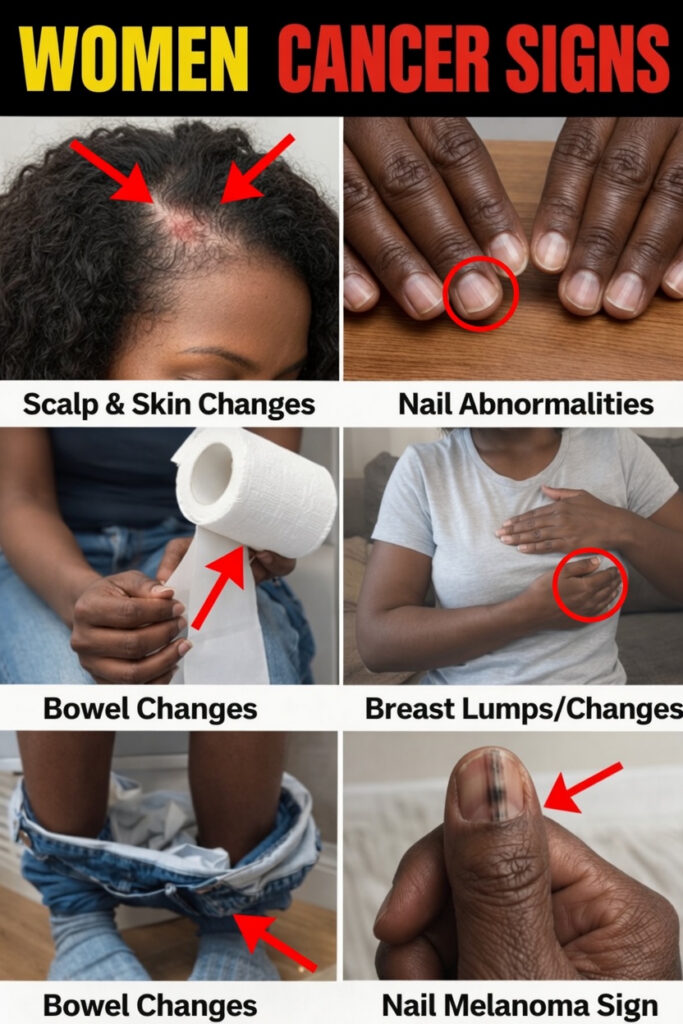
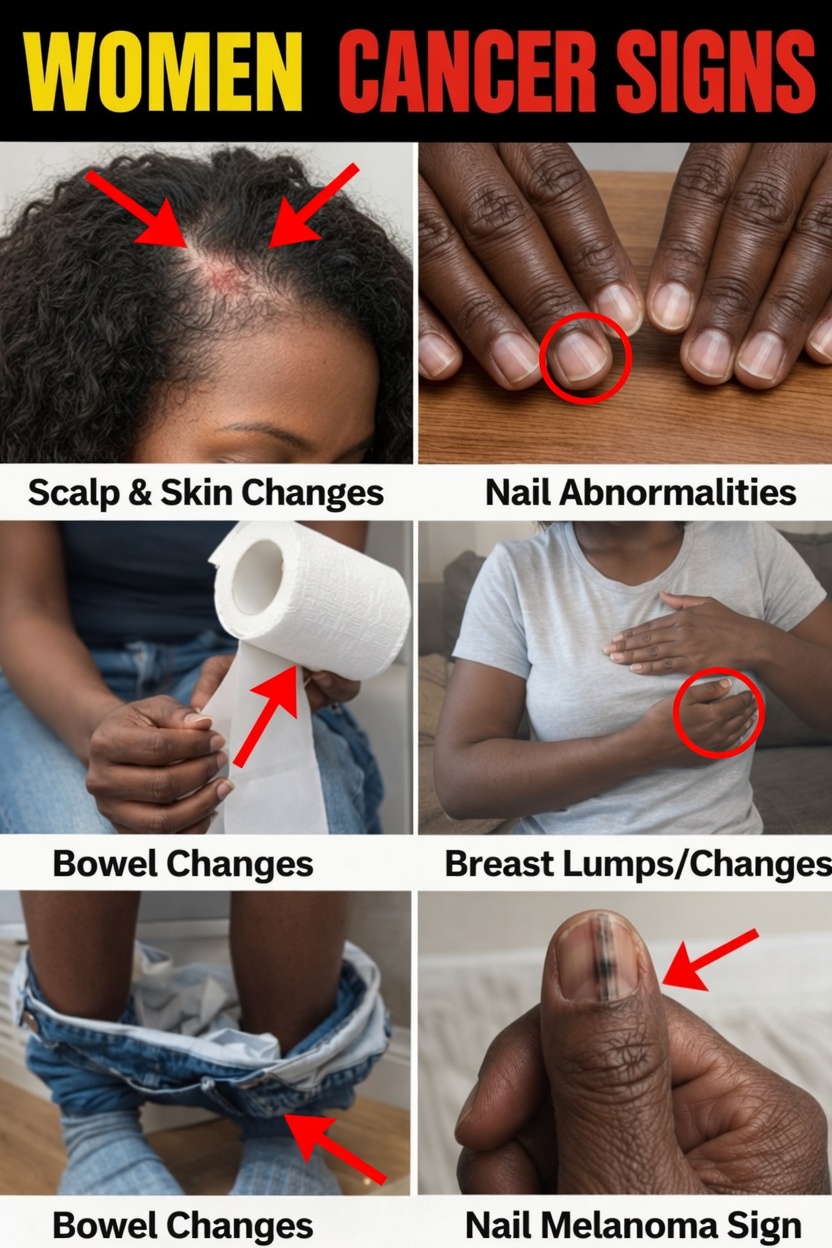
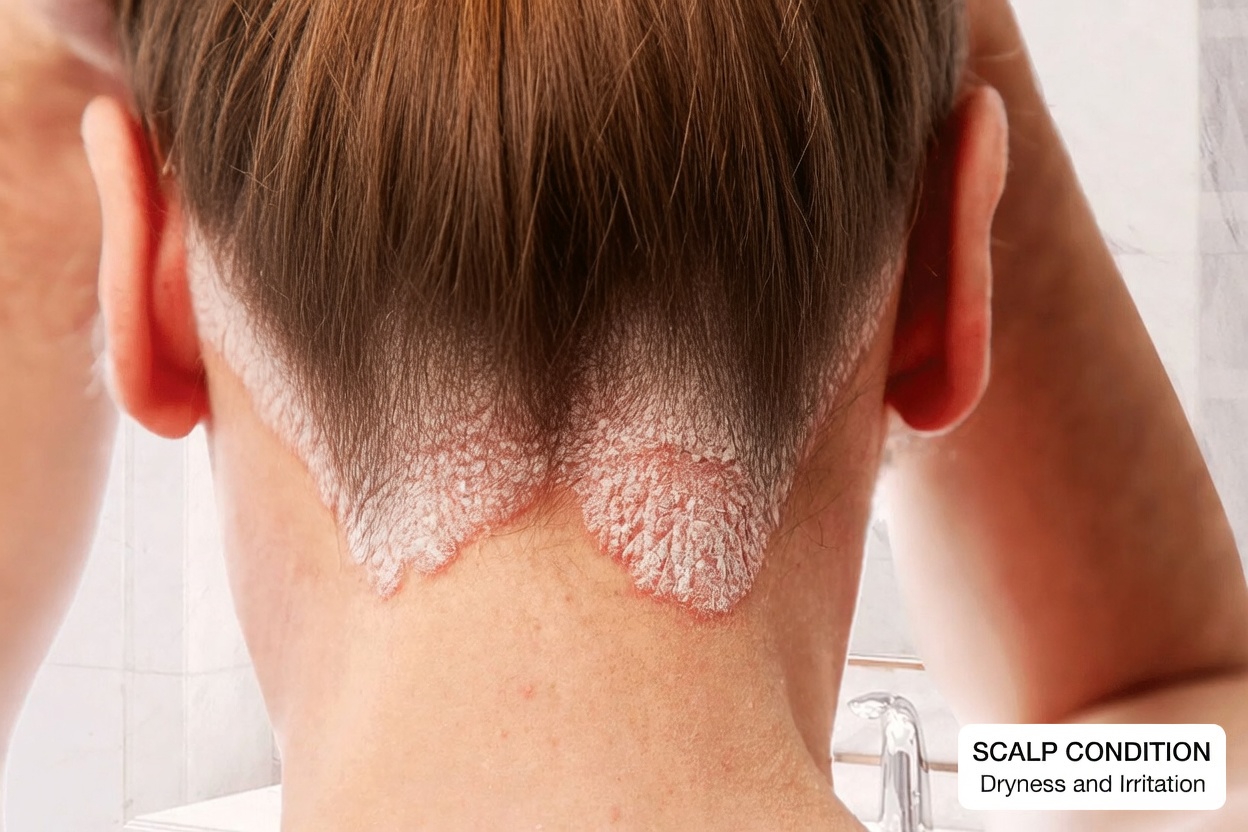
Persistent redness, scaling, or flaky areas on the scalp that do not improve with normal care may deserve attention. Because these spots are easy to miss during a rushed routine, they can linger longer than expected before being noticed.
2. Unusual Nail Changes
Nails that become brittle, develop new ridges, or suddenly change color without an obvious explanation may signal that something has shifted. Since nails can reflect broader health patterns, keeping an eye on them is a smart habit.
3. A Dark Line Beneath the Nail
A dark vertical band or streak under the nail is one of the most important nail signs to notice, especially if it becomes wider, darker, or changes shape over time. Dermatologists often highlight this feature in awareness materials because it can stand out clearly but still be ignored. Any new or evolving dark streak under a nail should be assessed by a medical professional.
4. Breast Lumps or Other Breast Changes
A lump, thickened area, or swelling in the breast or underarm is one of the most widely recognized signs women are encouraged to monitor. You may also notice one breast feeling warmer or appearing different in size from the other.
5. Changes in Breast Skin Texture
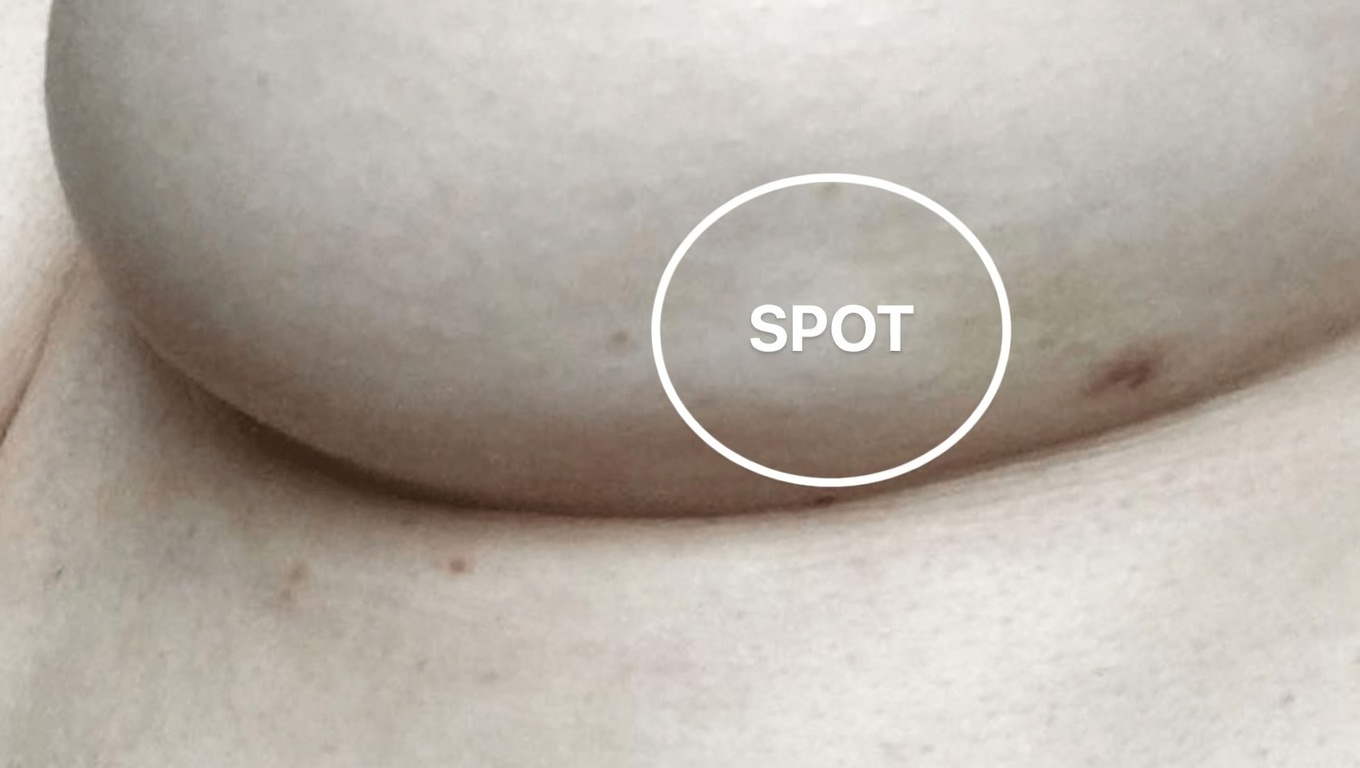
Breast skin that starts to look dimpled, rough, red, or scaly should not be brushed aside. This "orange peel" appearance is commonly referenced in educational resources because it can be visible in the mirror.
6. Changes in Bowel Habits
Blood on toilet paper, black stools, or a sudden and ongoing change in stool consistency or frequency can be easy to notice during normal bathroom visits. Persistent bowel changes are frequently listed in health guidelines as something to report.
7. Unexplained Weight Loss
Losing weight without changing your diet or exercise routine may first show up in how your clothes fit. Many medical resources note that losing 10 pounds or more without a clear reason is something worth discussing.
8. New Moles or Changes in Existing Moles
A mole that grows, changes color, develops uneven borders, or starts bleeding is often visible during dressing or showering. The ABCDE rule—asymmetry, border, color, diameter, and evolving appearance—can help you remember what to look for.
9. Sores That Do Not Heal
A sore on the skin, lips, or inside the mouth that remains for weeks instead of healing normally should be noted. Ongoing, non-healing sores are commonly included in public health awareness lists.
10. Ongoing Bloating
A swollen abdomen or bloated feeling that continues for more than a couple of weeks may be visible in your midsection or noticeable through tighter clothing. Women’s health resources often mention persistent bloating as a symptom to track.
11. Unusual Vaginal Bleeding or Discharge
Spotting between periods, bleeding after menopause, or discharge that seems different from your normal pattern can often be seen on underwear or toilet paper. Because these changes are easy to observe, they are often emphasized in awareness guidance.
12. Swollen Lymph Nodes
Lumps or swelling in the neck, underarms, or groin may be felt with your hands and sometimes seen in the mirror. If this swelling continues without a clear cause such as an infection, it should be monitored.
13. Skin Discoloration or a Rash That Will Not Go Away
A new rash, ongoing itching, or patches of skin that change color and fail to improve are visible warning signs many people notice day after day. These changes can occur anywhere on the body.
14. Yellowing of the Skin or Eyes
A yellow tone in the skin or the whites of the eyes, known as jaundice, is one of the clearest visible changes a person can develop. This sign should always prompt medical attention.
Easy Ways to Track Your Health at Home
Many of these signs can be monitored through simple monthly habits. Building a routine can make it easier to recognize what is normal for your body and what may be new.
Monthly Breast Self-Exam Checklist
- Stand in front of a mirror with your arms relaxed at your sides and look for changes in breast size, shape, or skin appearance.
- Lift your arms above your head and check again for dimpling, swelling, or visible asymmetry.
- Lie down and use the pads of your fingers to examine the entire breast and underarm area with small circular motions.
- Lightly squeeze each nipple to see whether any discharge appears.
- Repeat the exam on the other side and make note of anything that seems new or different from the previous month.
Skin and Nail Self-Check Routine
- Use both a full-length mirror and a hand mirror to inspect areas that are harder to see, such as your scalp, back, and the backs of your legs.
- Apply the ABCDE rule when evaluating moles and freckles.
- Take monthly photos of your skin and nails with your phone so you can compare any changes over time.
- Consider scheduling a yearly skin exam with a dermatologist if you have higher risk factors, including fair skin or a family history of skin cancer.
These practices only take a few minutes each month, but they can help you stay more aware of your body and its patterns.
What to Do If You Notice One of These Signs
If you see any of these changes, the most sensible next step is to make an appointment with your healthcare provider. Try to explain exactly what you noticed, when it began, and whether it has remained stable or become more noticeable. Your doctor can decide whether further testing or follow-up is needed. It is important to remember that many of these signs are linked to common and non-serious causes, and only a qualified professional can give advice based on your personal situation.
Frequently Asked Questions
1. Do these visible changes always indicate a serious health problem?
No. Most of these signs can be caused by ordinary issues such as hormonal fluctuations, allergies, skin irritation, or minor injuries. What matters most is whether the change persists, worsens, or appears alongside other symptoms.
2. How often should women do self-checks?
For many women, monthly breast and skin self-checks are a practical routine. These habits should be combined with regular professional screenings based on age, medical history, and personal risk factors.
3. Are there lifestyle habits that support health awareness?
Yes. Experts commonly recommend maintaining a balanced diet, staying physically active, protecting your skin from sun exposure, and avoiding smoking. These choices can support overall well-being alongside regular medical checkups.
Final Thoughts
Paying attention to visible changes in your body is one of the simplest and most empowering ways to support your health. By becoming familiar with these 14 signs that women often overlook, you are taking a practical step toward greater awareness and peace of mind. Observation is valuable, but real confidence comes from partnering with your healthcare team whenever something does not seem right.
Disclaimer
This article is for informational purposes only and should not be considered medical advice, diagnosis, or treatment. It is not a substitute for professional healthcare guidance. Always speak with a qualified healthcare provider about any symptoms, concerns, or decisions related to your health.