
Noticeable Body Changes Women Should Not Ignore
Many women move through packed schedules while noticing small physical changes and assuming they are just part of stress, routine, or getting older. At first, these signs can seem too minor to matter. But when you pay closer attention to your body over time, it becomes much easier to stay informed and take a more active role in your overall well-being.
There is also one often-overlooked detail that even highly health-conscious women may miss. The good news is that staying aware does not have to be complicated. With a few simple habits and practical observations, it can become part of everyday life.
Why Visible Physical Changes Matter
Experts, including those from the American Cancer Society, emphasize that early body changes are often dismissed because they seem temporary or unrelated. Yet research continues to show that recognizing persistent physical differences can lead to earlier, more productive conversations with healthcare professionals. A useful rule of thumb is to notice whether something unusual lasts longer than two weeks.
Being observant is not a substitute for medical care. Instead, it gives you clearer information to share if something does not feel right. Below are some of the most common visible changes worth paying attention to.
Breast Changes You Can See or Feel
One of the most widely discussed signs involves changes in the breasts. This may include:
- A new lump
- Redness
- Swelling in one area
- Skin dimpling that resembles orange peel
- Thickened skin
- A nipple that turns inward
- Unusual nipple discharge
Because these changes may develop slowly, they are easy to overlook. A brief monthly self-check in the shower or in front of a mirror can help you recognize what is normal for your body.

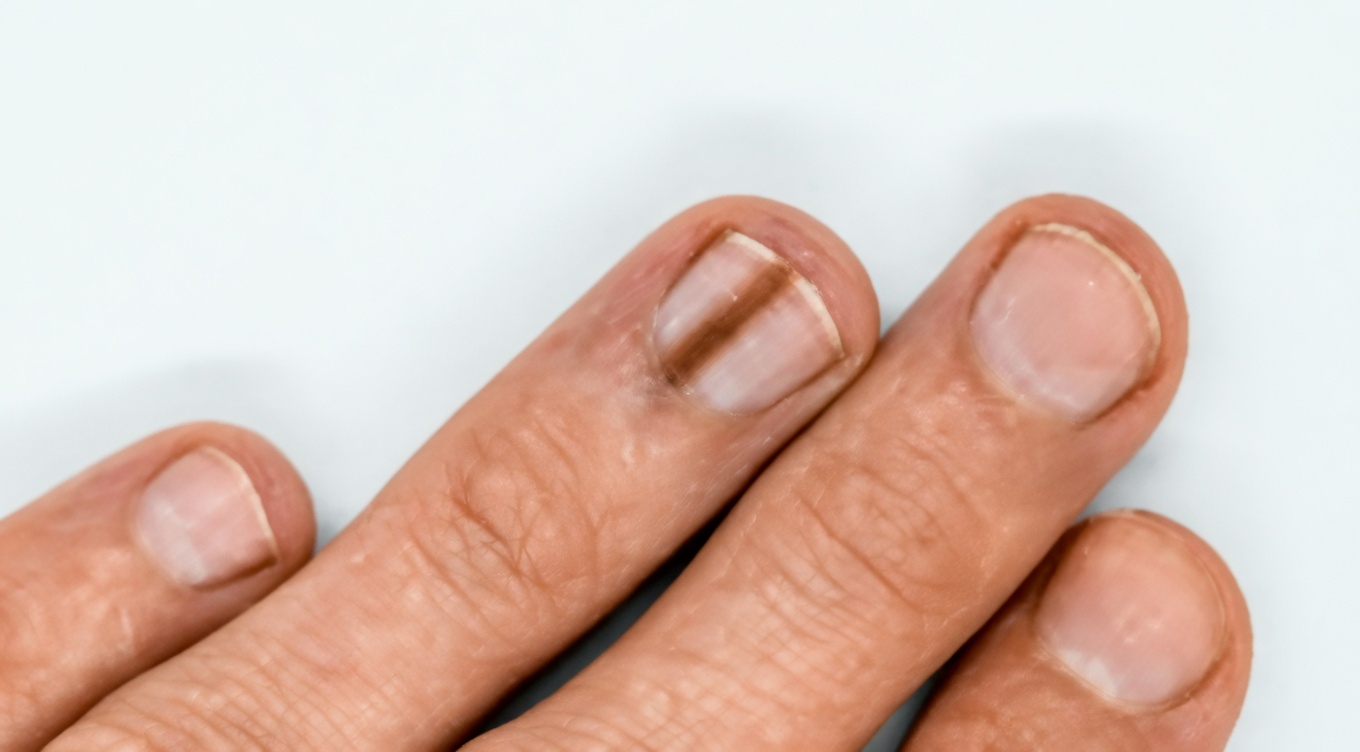
A Dark Vertical Line Beneath a Fingernail
A narrow dark streak running from the base to the tip of a nail, especially on the thumb or big toe, is another sign people frequently ignore. It may resemble a bruise at first, but if there has been no injury and the mark remains, it deserves attention.
Health sources note that this type of change often affects just one nail and may become more noticeable over time. Taking a close-up photo every few weeks can make it easier to monitor subtle differences.
Ongoing Lower Back or Pelvic Discomfort
Lower back or pelvic pain that continues for weeks without an obvious reason can stand out more than many women realize. It may feel dull, achy, or sharp, and it may become worse with movement or certain daily activities.
Major health organizations report that this kind of persistent discomfort can sometimes appear alongside other subtle changes. Keeping a simple journal of when it happens may reveal patterns that are useful to discuss with your doctor.
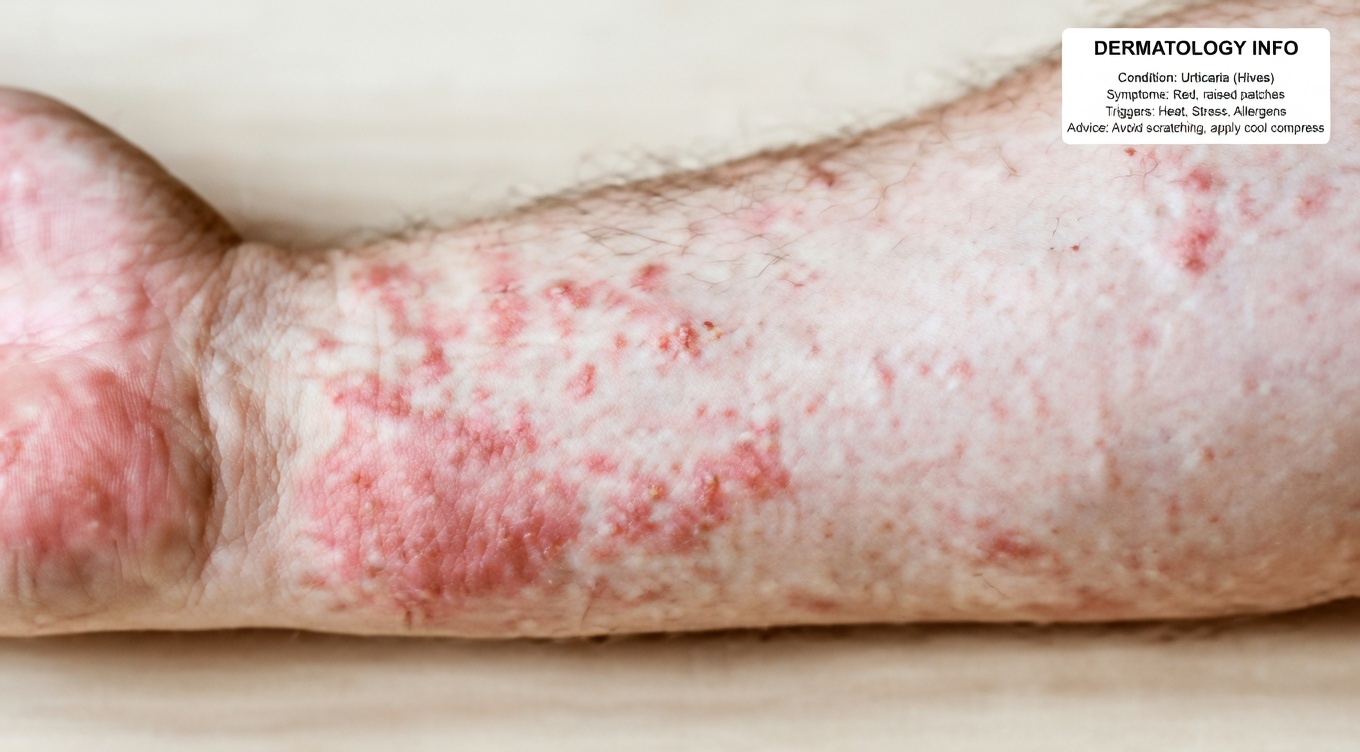
Unusual Rashes or Red Skin Patches
Scaly red areas, itchy clusters, or sudden changes in skin texture on the arms, torso, or legs can appear even when there is no clear trigger. In everyday life, these spots may be more noticeable than you think, especially when compared with the surrounding skin.
Research suggests that rashes that do not improve with basic care should not be ignored. Moisturizing regularly and checking your skin in natural light can help you stay aware without becoming overly anxious.
Moles That Change or New Skin Growths
A mole that changes in size, color, or shape, or a new skin growth that bleeds easily, is another visible clue that many women see regularly but put aside. A simple way to remember warning signs is the ABCDE rule:
- Asymmetry
- Border irregularity
- Color variation
- Diameter
- Evolving appearance
Dermatologists often recommend a monthly skin check under bright lighting. It takes only a few minutes and helps you become more familiar with your own skin.
Swelling in the Neck, Armpits, or Groin
Lumps or swelling in areas where lymph nodes are located may feel firm and painless at first. These bumps can remain hidden under clothing and may only be found during a shower or while applying lotion.
Many women say they discovered them by accident. Measuring the area gently once a week with a soft tape measure can provide helpful information if you need to bring it up with a healthcare provider.
Nipple Discharge or a Change in Nipple Shape
Discharge from the nipple when you are not breastfeeding, whether clear, milky, or bloody, can be an important sign. A nipple that suddenly flattens or turns inward can also stand out during routine self-care.
For some women, these changes happen gradually. Using a clean tissue to gently check the area can help you observe what is happening more clearly.
Bloating That Does Not Go Away
A swollen abdomen or a constant feeling of fullness that lasts for weeks, even without changes in eating habits, may first show up in tighter clothing around the waist.
Health experts point out that ongoing bloating is different from normal cycle-related changes. A basic food diary can help you tell the difference between temporary digestive issues and a pattern that continues.
Weight Loss You Did Not Expect
Losing weight without changing your diet or exercise habits often becomes noticeable through looser clothing, a slimmer face, or a changing waistline.
This kind of shift may happen gradually. Weighing yourself once a week at the same time of day can give you a more objective record.
Mouth Sores or Patches That Stay Too Long
White or red patches inside the mouth, or sores on the lips or gums that remain longer than two weeks, are often noticed while brushing or flossing.
Dentists identify many of these changes early. Taking a quick phone photo with a flashlight can help you track whether a sore is improving or staying the same.
Bruising or Bleeding Under the Skin Without a Clear Cause
Bruises that appear without injury, or tiny red dots under the skin that do not fade, can show up on the arms, legs, or other areas.
Recording where they appear and how long they last in a notes app can create a useful timeline if you need medical advice.
Breast Skin That Looks Thickened or Pitted
Changes in the skin texture of one breast, especially thickening or pitting that resembles orange peel, can be easier to notice when comparing both sides in a mirror.
A monthly visual check makes this kind of difference easier to catch early.
Blood in Stool or on Toilet Paper
Seeing bright red or dark blood on toilet paper or in the toilet bowl after a bowel movement is a visible sign many women notice but feel uncomfortable discussing.
A simple record of bathroom habits and when the bleeding occurs can help identify whether it is a one-time issue or a repeating pattern.
Bladder Habit Changes With Visible Warning Signs
Frequent urges to urinate or urine that appears pink or blood-tinged can become noticeable during normal daily routines.
Tracking fluid intake and bathroom frequency for a few days can provide clear, practical details for a healthcare visit.
5 Quick Self-Checks You Can Do at Home
The most helpful part for many women is knowing that body awareness does not have to feel stressful. A few short routines can make a big difference.
- Stand in front of a mirror with your arms at your sides, then lift them overhead and look for breast or skin changes.
- Feel each breast using circular motions while standing and lying down.
- Check your nails, hands, feet, and skin under bright light once a week.
- Gently feel along your neck, armpits, and groin for new lumps or swelling.
- Look inside your mouth and examine your skin after showering.
These quick checks only take a few minutes and can help you feel more confident about noticing what is normal for you.
When You Should Talk to a Healthcare Provider
It is a good idea to schedule an appointment if a change:
- Lasts longer than two weeks
- Becomes worse
- Appears along with fatigue
- Causes pain or discomfort
Before your visit, write down what you noticed and when it started. Doctors often find specific observations more useful than general concerns, and early discussions can often bring reassurance faster.
One of the biggest lessons many women learn is this: simple, consistent self-checks combined with honest communication with a healthcare provider can make a major difference in feeling informed and empowered.
Easy Ways to Build Better Awareness Habits
Creating healthy observation habits does not have to disrupt your day. Try these simple strategies:
- Choose one day each week for a quick body check, such as Sunday morning
- Use your phone camera to compare photos of nails, moles, or skin over time
- Bring any changes you have noticed to your annual wellness appointment
- Keep short notes instead of relying on memory
- Focus on patterns, not one-time minor changes
These small habits fit naturally into everyday life and make it easier to spot meaningful changes sooner.
Common Questions Women Ask
Are these visible changes always a sign of something serious?
Not usually. Many body changes have harmless explanations. Still, only a qualified healthcare professional can evaluate them safely and accurately.
How often should I check my body?
For most women, a monthly breast and skin check works well, along with routine annual professional exams.
What is the most important thing to remember?
Consistency matters more than perfection. Brief, regular self-checks and open conversations with your healthcare provider are often the simplest and most effective way to stay aware of your health.