Many people ignore unusual foot sensations—slight tingling, unexplained heat, or a strange “off” feeling—assuming they come from standing too long or wearing uncomfortable shoes. But when these symptoms keep returning, they can gradually affect comfort, disturb sleep, and make walking less stable. In many cases, these are early messages from your body that should not be overlooked. And before you finish reading, you’ll discover one surprisingly easy daily habit that many people use to help support nerve health.
What Nerve Damage Can Mean in Daily Life
Nerve damage, commonly called peripheral neuropathy, affects the nerves responsible for carrying signals between the brain, spinal cord, and the rest of the body. It often begins in the feet and lower legs because these nerves are longer and more exposed to damage than others. According to respected health sources such as the Mayo Clinic, noticing changes early is important because they can impact balance, movement, and overall quality of life long before symptoms become severe.
The challenge is that most people do not recognize the warning signs right away.
15 Early Signs of Nerve Damage in the Feet You Should Not Ignore
These symptoms are easy to dismiss because they may be mild at first or come and go. Still, they deserve attention—especially when more than one appears at the same time.
1. Tingling or Pins-and-Needles Sensation
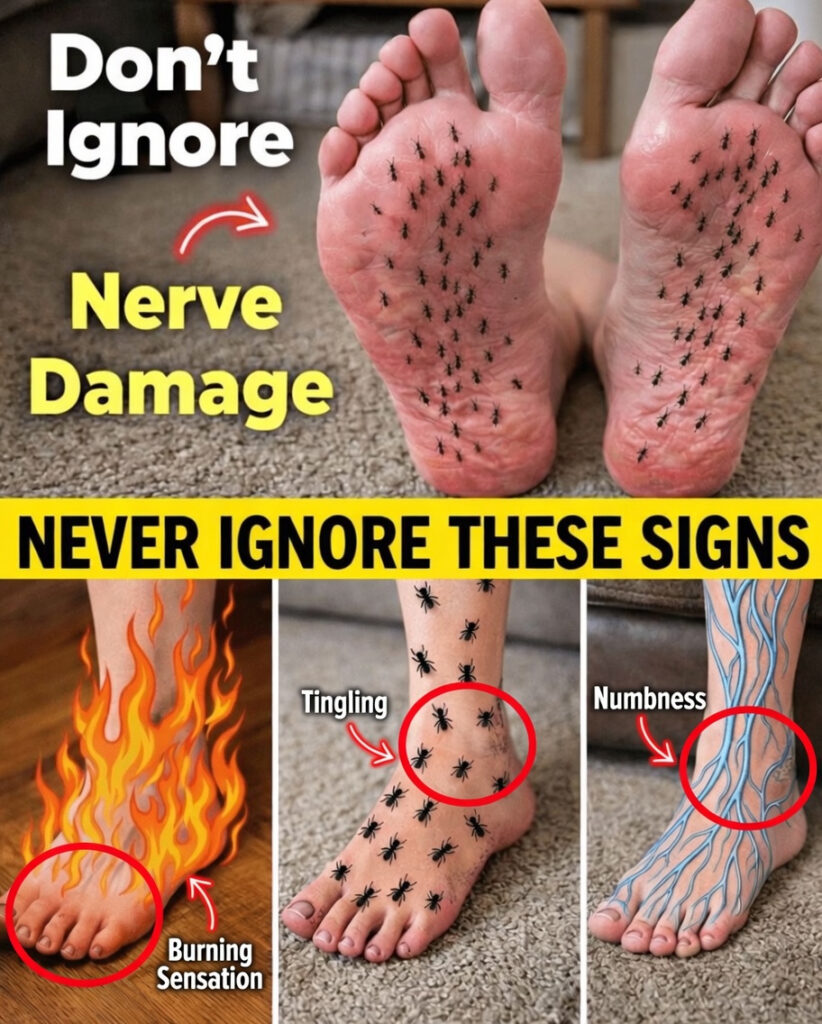
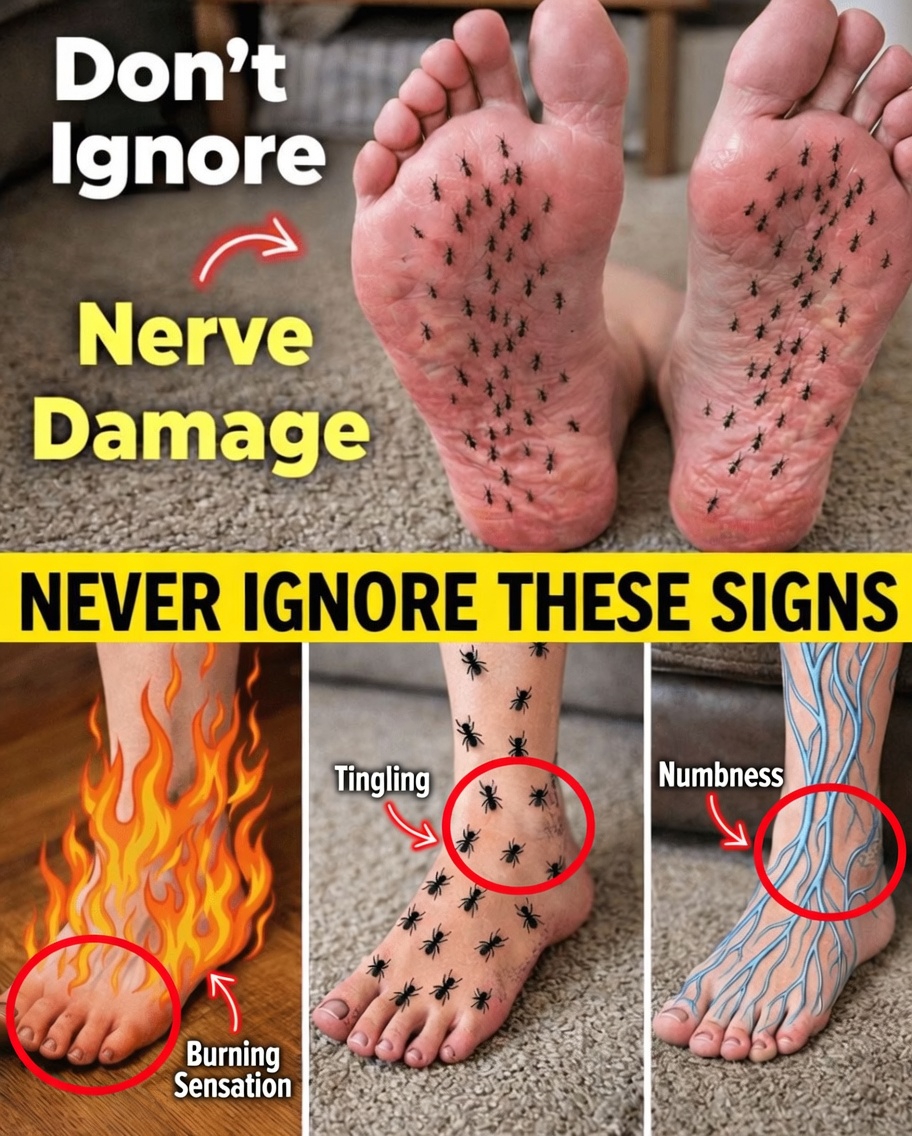
You may feel a prickling or crawling sensation in your feet, almost as if something is moving across the skin. Some people notice it even while resting.
2. Burning Pain or Unexplained Heat
Your feet may feel unusually hot, as though they are burning despite a cool environment. This discomfort often worsens at night and can make socks or bedsheets irritating.
3. Numbness or Reduced Sensation
Toes or parts of the feet may feel “asleep” or lacking sensation altogether. Because of this, you may not notice a stone in your shoe or a minor injury until it becomes a larger problem.
4. Sharp, Stabbing, or Electric-Like Pain
Sudden pain may shoot through the feet or travel up the legs without warning. Many describe it as a jolt, shock, or stabbing sensation.
5. Increased Sensitivity to Touch
Even gentle contact—such as socks, shoes, or bed linens—can feel uncomfortable or painful. Normal daily activities may start to feel unusually unpleasant.

6. Muscle Weakness or Cramping
The legs may feel weaker, heavier, or less reliable than usual. You might also experience cramping, especially at night, that interrupts sleep.
7. Poor Balance or Coordination
You may begin tripping more often or feel unstable on uneven surfaces. Walking in the dark or changing direction quickly can become more difficult.
8. Feet Feeling Too Cold or Too Hot
One foot may feel cold while the other feels warm, or both may seem to shift between temperature extremes without an obvious reason.
9. Dry, Cracked Skin or Changes in Texture
The skin on the feet may become unusually dry, shiny, or fragile. Toenails can also become thicker or more brittle, even if you already use moisturizer regularly.
10. Slow-Healing Cuts, Blisters, or Sores
Small injuries that would normally heal quickly may linger for much longer than expected. This is an important sign that should not be ignored.
11. Restless or Crawling Feelings at Rest
When trying to relax, you may feel an urge to move your feet or legs. The sensation can resemble restless legs and may make it harder to sit still or fall asleep.
12. Reduced Reflexes
A healthcare provider may notice weaker reflexes in the ankles or knees during an exam. You may also sense this indirectly if stepping down curbs or reacting to uneven ground feels different.
13. Too Much Sweating or Not Enough
Changes in sweat production can also point to nerve involvement. Your feet may sweat excessively or feel unusually dry.
14. Trouble Sensing Temperature
You may have difficulty telling whether water, pavement, or other surfaces are too hot or too cold. This increases the risk of accidental burns or cold-related injury.
15. Changes in Skin Color or Vein Appearance
The skin may appear pale, reddish, or bluish in some areas. Mild swelling may also come and go along with these changes.
In many cases, these symptoms do not appear one at a time. People often notice several beginning together, which can be a stronger sign that something deeper is going on.
Why These Symptoms Are Commonly Missed
It is easy to explain away early nerve-related symptoms. Tingling after a long day may seem harmless. Burning feet after exercise might feel like simple soreness. The problem is that nerves often do not recover quickly without proper attention, and waiting too long may allow symptoms to move further up the legs. Research from the National Institute of Neurological Disorders and Stroke suggests that early awareness can lead to better discussions with healthcare professionals and more effective symptom management.
Everyday Ways to Support Nerve Health
You do not need expensive devices or a complicated routine to start taking better care of your feet. These simple habits may help support comfort and awareness:
- Check your feet every day using your hands or a mirror to look for cuts, redness, swelling, or temperature changes.
- Choose shoes that fit well and provide cushioning, along with socks that reduce moisture and friction.
- Eat nutrient-dense foods such as leafy greens, nuts, and whole grains, which naturally provide B vitamins important for nerve function.
- Stay active with low-impact movement like walking, swimming, or gentle stretching to encourage healthy circulation.
- If you have diabetes, work on keeping blood sugar levels steady, since high blood sugar is a common contributor to nerve problems.
- Drink enough water and reduce alcohol intake, both of which can affect nerve comfort and overall wellness.
- Arrange a yearly foot examination with a podiatrist or primary care provider, especially if you have noticed any of the warning signs above.

One simple habit surprises many people because of how easy it is: after your shower, spend about two minutes massaging your feet with moisturizer. As you do this, pay attention to how each part of your feet feels. Many people find that this helps them notice changes sooner while also providing relaxation.
When to Talk to a Healthcare Professional
If you are noticing several of these signs—or if they are becoming more frequent or intense—it is a good idea to speak with your doctor. A healthcare professional may recommend basic tests to better understand the cause and suggest treatment or management options tailored to your needs.
Final Thoughts: Pay Attention to What Your Feet Are Telling You
Your feet do much more than support your body weight. They can also provide early clues about nerve health. Recognizing these 15 warning signs early can help you take action sooner, stay active, and protect your comfort over time. Start with a daily foot check and try the gentle massage habit tonight. Small actions can make a meaningful difference.
Frequently Asked Questions
What commonly causes these nerve-related changes?
Possible causes include long-term high blood sugar, vitamin deficiencies, certain medications, and repeated pressure from poorly fitting footwear. A healthcare professional can help identify the most likely reason in your situation.
Can daily habits really help?
Yes. Experts often recommend healthy routines involving nutrition, movement, blood sugar control, and regular foot care to help support nerve function and daily comfort.
Are these symptoms always permanent?
Not always. Some people experience improvement or stabilization when symptoms are recognized early and addressed with professional guidance. Outcomes vary depending on the cause and how quickly it is managed.
Important Disclaimer
This article is provided for informational purposes only and is not intended to diagnose, treat, or cure any medical condition. It should never replace professional medical advice. Always consult a qualified healthcare provider for guidance about your symptoms or health concerns.