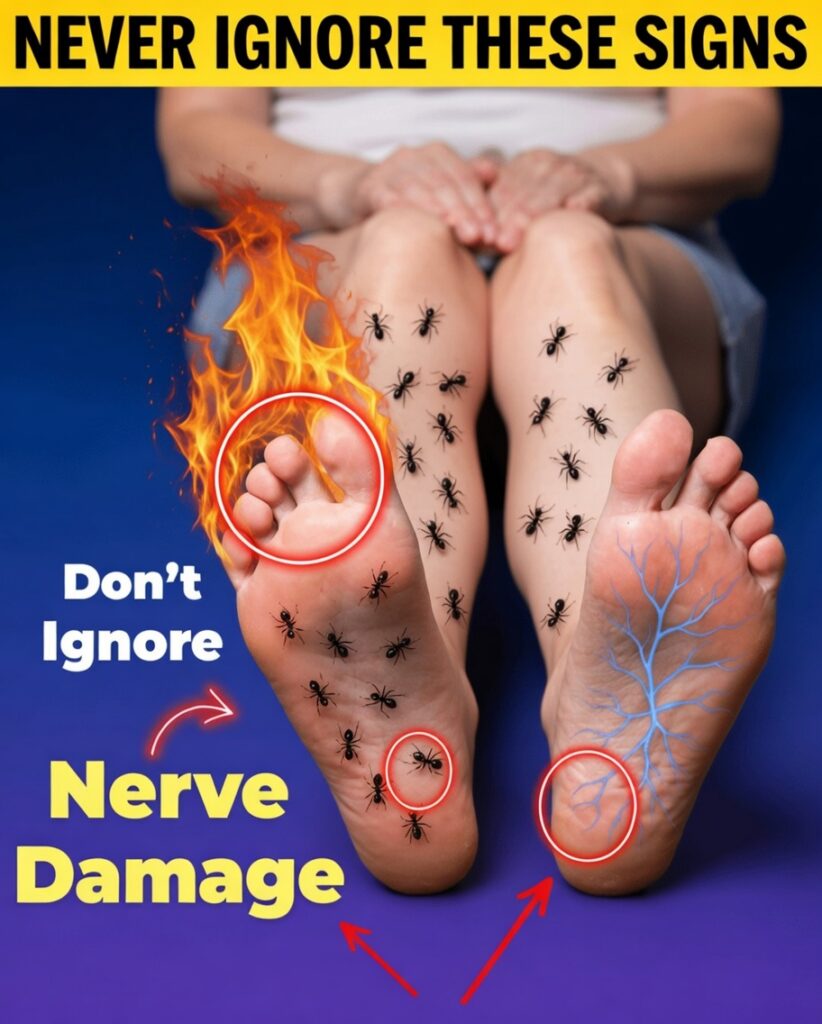
15 Early Warning Signs of Nerve Damage You Should Notice Early
Many people over 40 shrug off odd tingling, burning, or numbness in their hands and feet as “just getting older” or being under too much stress. Over time, though, these subtle changes can chip away at your confidence, make everyday tasks like buttoning a shirt or walking across the room feel less secure, and quietly increase your fear of falling or losing independence.
What if those uncomfortable sensations are actually your nervous system sounding the alarm before more serious problems develop? Understanding the key early warning signs of nerve damage can help you act sooner—and protect your mobility and quality of life.
Why Early Nerve Damage Symptoms Are Easy to Dismiss
Your nervous system is like a high-speed electrical grid, carrying signals that control movement, sensation, and essential body functions. When nerves begin to deteriorate, those signals may become weak, delayed, or distorted. The result is a cluster of early warning signs of nerve damage that often seem minor or random at first.
Many adults:
- Assume symptoms are “normal for my age”
- Blame them on stress, long workdays, or poor sleep
- Wait years before mentioning them to a doctor
Ignoring these early clues can allow discomfort, balance issues, and loss of independence to slowly worsen in the background. If you’ve ever felt “not quite right” and can’t explain why, paying attention to these signals now could make a real difference in how you move, feel, and function every day.
Quick check-in for yourself:
- On a scale from 1–10, how often do you notice strange sensations (tingling, burning, numbness, electric shocks)?
- Keep that number in mind as you read through the 15 early warning signs of nerve damage below.

Signs 1–5: Early Sensory Warning Signs in Hands and Feet
Nerve problems often start with subtle sensory changes. Because they tend to come and go, they’re easy to overlook or downplay. These are some of the most common early warning signs of nerve damage that appear in the extremities.
1. Unusual Sweating Patterns
One early sign involves altered sweating, such as:
- Very dry feet even when you feel hot
- Excessive sweating on the face or upper body while you’re at rest
These changes suggest nerves that help regulate temperature and sweat production may not be working properly.
2. Sudden “Electric Shock” Sensations
Short bursts of:
- Sharp, stabbing pains
- Electric jolt–like shocks in the fingers, toes, or face
are classic early warning signs of nerve irritation or damage. They frequently appear at night, disrupting sleep and creating ongoing anxiety about when the next jolt will hit.
3. The “Invisible Sock or Glove” Sensation
Feeling as if you’re wearing tight socks or gloves when you’re not is a hallmark pattern of nerve damage. You might notice:
- Pressure or squeezing around your feet or hands
- A sense that a garment is bunched up or too tight, even though nothing is there
This “stocking-and-glove” distribution is a common early pattern in peripheral nerve damage.
4. Difficulty Regulating Body Temperature in Limbs
If your hands and feet:
- Feel unusually cold compared with the rest of your body, or
- Suddenly feel overheated without obvious cause
the nerves that help control blood flow and temperature may be affected. Many people initially blame this on “poor circulation,” but nerve involvement is often part of the story.
5. Changes in Bladder Control
Subtle bladder issues can also be early warning signs of nerve damage, such as:
- Trouble starting or stopping the flow of urine
- Feeling like your bladder doesn’t completely empty
These symptoms can quietly undermine comfort and confidence throughout the day.
Mid-article self-check:
- How many of these signs have you noticed? (So far: 5)
- Which one feels most familiar?
- Has your concern level changed since the start (1–10)?

Real Stories: How Noticing Early Nerve Symptoms Changed the Outcome
Lisa, 48 – Burning Feet and Dizziness
Lisa, a 48-year-old office manager, chalked up burning sensations in her feet and occasional lightheadedness to long days and stress. Months later, when numbness began creeping up her legs, she finally sought help. Testing revealed that these were early warning signs of nerve damage related to blood sugar changes.
“Realizing these were nerve-related symptoms—and catching them early—helped me make a few lifestyle and medical adjustments,” Lisa explains. “I feel more steady and less scared of what might happen later.”
David, 57 – Ignored Balance Issues Until He Fell
David, 57, lived with stabbing pains in his feet and frequent balance “wobbles” for years. He assumed he was just clumsy and tired. After a fall that resulted in a serious injury, he learned that these had been progressive signs of nerve damage.
“I wish I’d recognized what my body was telling me,” he says. “I might have prevented the fall if I’d addressed the signs sooner.”
Stories like these highlight why taking early nerve symptoms seriously can be so important.

Signs 6–10: Hidden Autonomic and Digestive Warning Signs of Nerve Damage
The next group of symptoms involves the autonomic nervous system—the part that controls automatic functions like blood pressure and digestion. These early warning signs of nerve damage are often mistaken for ordinary stress, dehydration, or “just getting older.”
6. Lightheadedness When Standing Up
Feeling dizzy, faint, or “greyed out” when you stand up from sitting or lying down may indicate nerve-related problems with blood pressure regulation. While dehydration can cause similar symptoms, frequent episodes deserve attention.
7. Slowed or Uncomfortable Digestion
Persistent digestive issues can also reflect nerve involvement, including:
- Ongoing bloating
- Constipation or sluggish bowels
- Feeling full very quickly, even after small meals
These may signal that the nerves controlling your gut muscles are not functioning optimally.
8. Constant Pins-and-Needles Tingling
A recurring “pins and needles” sensation that:
- Comes and goes
- Appears without an obvious cause, or
- Lingers longer than a few minutes
is one of the most common early warning signs of nerve damage. Many people try to ignore it, hoping it will resolve on its own.
9. Gradually Spreading Numbness
Slowly expanding areas of reduced sensation—often starting in the toes or fingers and moving upward—suggest progressive nerve impairment. You might notice:
- Dullness when touching surfaces
- Less ability to feel temperature or pain
- A “dead” or “asleep” feeling that doesn’t fully go away
10. Burning Pain, Especially at Night
Burning or searing pain in the hands or feet, which tends to:
- Worsen in the evening or during the night
- Disturb sleep
- Make sheets or socks feel irritating
is a classic sign of small-fiber nerve damage. Nighttime burning can profoundly affect rest and mood over time.

Signs 11–15: Motor and Protective Warning Signs of Nerve Damage
The final group of early warning signs affects muscle control, balance, and your body’s ability to protect itself from injury.
11. Muscle Twitching or Jerking
Random muscle twitches—especially if they occur frequently or in multiple areas—may reflect nerve signals misfiring to the muscles. While occasional twitches can be benign, persistent or widespread twitching can be a sign of nerve involvement.
12. Loss of Balance or Coordination
Signs that your balance system or position sense may be affected include:
- Tripping or stumbling more often
- Feeling unsteady in the dark or on uneven ground
- Needing to hold onto walls or furniture for support
Nerve damage can interfere with the feedback your brain relies on to keep you upright.
13. Increased Sensitivity to Touch
If light touch:
- Feels unusually uncomfortable or painful
- Makes clothing or bed sheets feel irritating or unbearable
this heightened sensitivity (called allodynia) can signal nerve irritation or damage.
14. Unexpected Muscle Weakness
Noticing weakness that doesn’t match your activity level—such as:
- Dropping objects more often
- Reduced grip strength
- Difficulty climbing stairs or rising from a chair
may indicate that motor nerves (those controlling muscles) are affected.
15. Unnoticed Cuts or Slow-Healing Wounds
A particularly concerning sign is when you:
- Discover cuts, blisters, or injuries you don’t remember feeling
- Notice that wounds on your feet or hands heal very slowly
Reduced protective sensation can increase the risk of infection and serious complications, especially if nerve damage continues unchecked.
You’ve now explored all 15 early warning signs of nerve damage—information that many people never see or act on until much later.
Early Nerve Damage Signs vs Common Misunderstandings
Many early nerve symptoms get misinterpreted as harmless issues. Here’s how they’re often mistaken—and why early attention matters.
| Early Sign of Nerve Damage | Often Confused With | Why Early Attention Matters |
|---|---|---|
| Electric-shock–like jolts | Muscle strain or cramps | Suggests active nerve irritation that may progress if ignored |
| “Invisible sock” or glove sensation | Tight shoes or clothing | Classic early pattern of peripheral nerve involvement |
| Burning feet at night | Poor circulation | Common in small-fiber nerve damage; can worsen sleep and mood |
| Lightheadedness when standing | Dehydration | May signal autonomic nerve dysfunction affecting blood pressure |
| Unnoticed cuts on feet or hands | “Just bad luck” | Increases risk of infection and complications if not addressed |
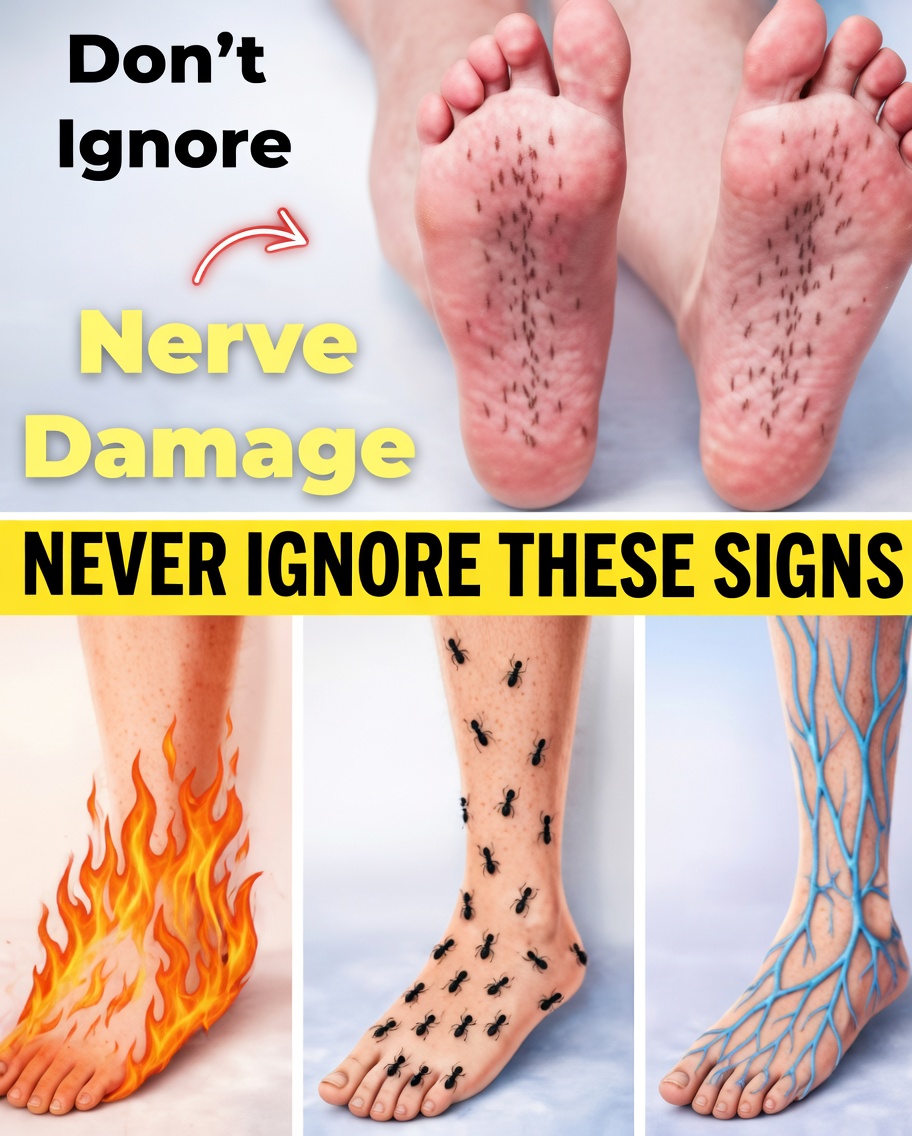
What to Do Next: A Simple Timeline for Early Nerve Symptoms
If these early warning signs of nerve damage sound familiar, consider this step-by-step approach:
-
Weeks 1–4: Start Tracking Symptoms
- Keep a simple log of what you feel, when it happens, and what you were doing.
- Note location (hands, feet, face), type of sensation, and severity (1–10).
-
1–3 Months: Get Basic Health Checks
- Talk with your healthcare provider about your symptom diary.
- Ask about blood tests for blood sugar, vitamin levels (like B12), and other common nerve-related factors.
-
Beyond 3 Months: Seek a Thorough Evaluation
- If symptoms persist, worsen, or interfere with daily life, request a more detailed assessment.
- This may include nerve conduction studies, imaging, or referral to a neurologist.
Early investigation can sometimes slow, stop, or even partially reverse certain causes of nerve damage—especially those linked to nutrition, metabolic issues, or lifestyle.
Insider Tip: The One Habit That Helps Your Doctor Most
People who get the most from their medical visits often do one simple thing: they keep a daily symptom diary. Include:
- Date and time
- Type of sensation (tingling, burning, numbness, pain, weakness)
- Location on the body
- Possible triggers (activity, time of day, food, stress)
This record can dramatically speed up diagnosis and help your doctor match your early warning signs of nerve damage with the right tests and treatment plan.
Frequently Asked Questions About Early Warning Signs of Nerve Damage
Can everyday stress cause these symptoms?
Stress can amplify how you perceive sensations and may temporarily worsen symptoms. However, persistent tingling, burning, numbness, weakness, or balance problems usually point to underlying issues beyond simple stress. It’s important to have them evaluated rather than assuming they are stress-related.
Are early nerve damage signs always permanent?
Not always. Some types of nerve problems—especially those related to vitamin deficiencies, certain medications, or unmanaged blood sugar—can improve when identified and treated early. The sooner you address the cause, the better your chances of limiting long-term damage.
What should I do if several of these signs sound like me?
If you recognize multiple early warning signs of nerve damage in your own experience:
- Start documenting your symptoms.
- Make an appointment with your healthcare provider as soon as possible.
- Bring your symptom diary and a list of medications and supplements.
A professional evaluation can help determine what’s causing your symptoms and what you can do now to protect your nerves, balance, and independence for the future.