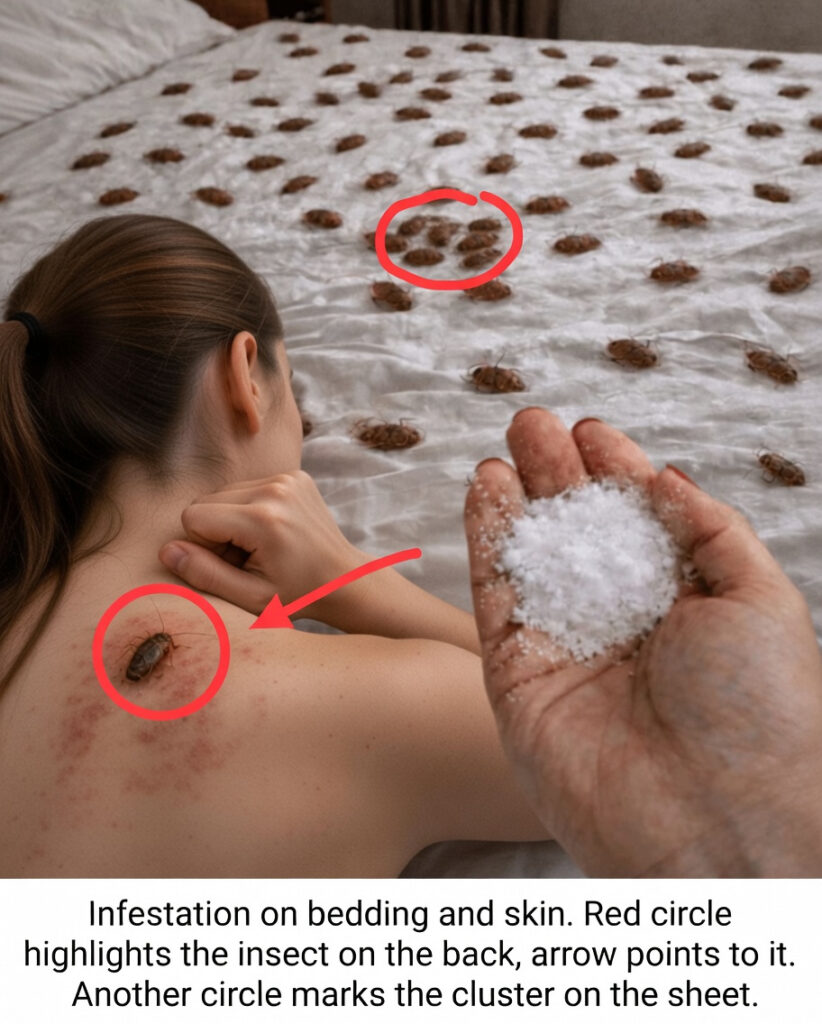
15 Practical Habits to Make Your Mattress Less Welcoming to Dust Mites and Bedbugs
You may never spot them, but dust mites are likely in your home right now. In fact, they are found in about 4 out of 5 American homes, and bedbug reports have remained especially high in major cities such as Chicago and Philadelphia over the past year. After a tiring day, you crawl into bed expecting recovery and comfort, yet wake up with itchy bumps, a blocked nose, or the kind of exhaustion that lingers even after coffee.
These tiny pests do well in the exact conditions your mattress often provides: warmth, moisture, and plenty of hidden spaces. Over time, what should be your most restful place can quietly become a source of irritation and poor sleep.
What many articles overlook is this: you do not always need harsh chemicals or expensive treatments to improve the situation. A few simple household items, plus consistent routines, can help make your mattress much less appealing to both dust mites and bedbugs. Follow these 15 habits, including the easy combination that brings everything together, and you can start improving your sleep environment tonight.
Why Your Mattress May Be Affecting How You Feel Each Day
As people move through their 30s, 40s, and beyond, they often begin noticing new discomforts at night: sneezing, skin irritation, stuffiness, or waking up unrested. It is easy to blame stress, aging, or seasonal changes. But your mattress may be part of the picture.
According to the American Lung Association, dust mite allergens are present in around 80% of U.S. beds. Pest control data also shows that bedbug-related service calls remained elevated in 2025, particularly in dense urban areas.
If you have already vacuumed, changed pillow positions, or washed sheets and still wake up with a scratchy throat or red marks, you are not imagining it. Dust mites feed on shed skin and thrive in humid bedding. Bedbugs can enter the home through luggage, used furniture, or other secondhand items, then hide in seams and creases. Both can interfere with restful sleep, and poor sleep often leads to daytime brain fog and low energy.
A quick self-check can be surprisingly helpful:
- Rate your morning freshness from 1 to 5.
- Rate any skin irritation or breathing discomfort from 1 to 5.
If your score is 3 or below, quick fixes may not be enough. Moisture control and hiding-spot reduction matter far more than many people realize.
Now imagine your bed feeling cooler, drier, and cleaner again. That is a realistic goal. The habits below are simple, practical, and supported by research.
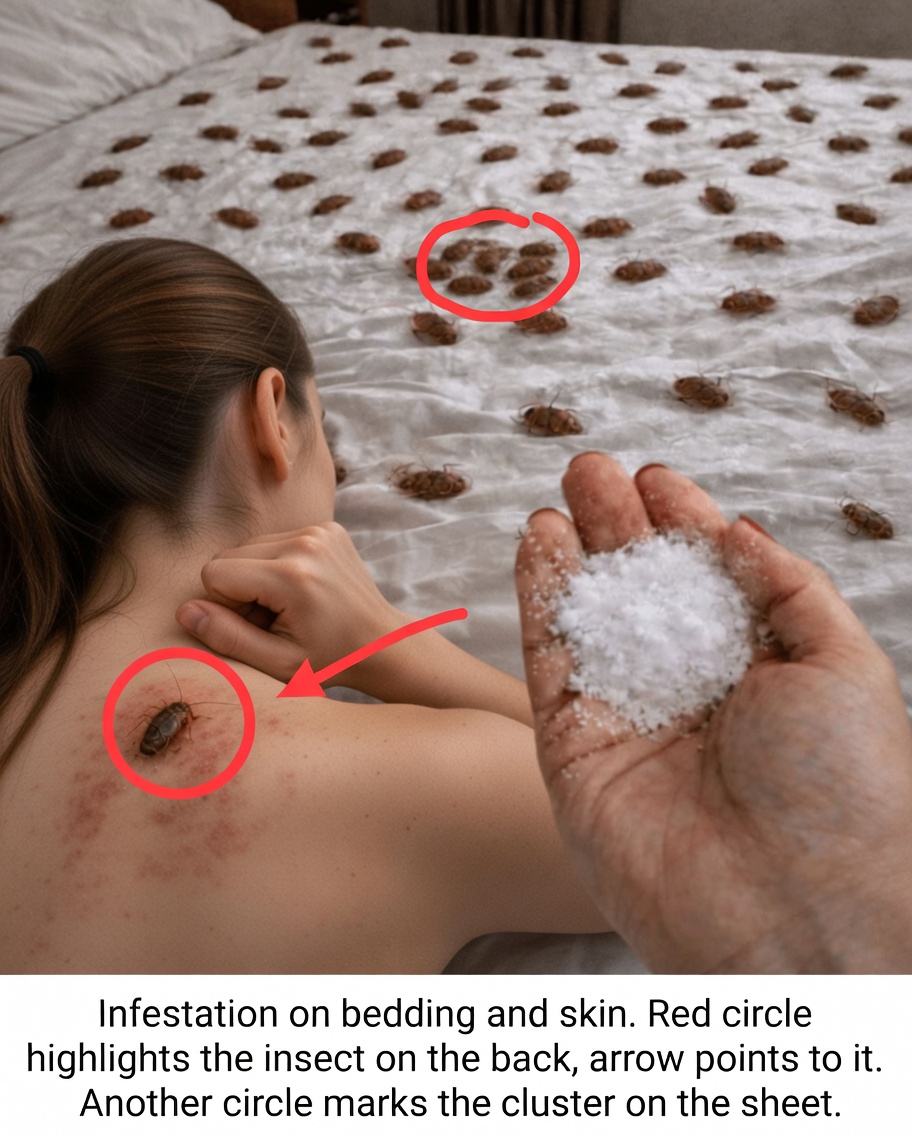
Build the Right Base: 4 Moisture-Control Habits That Help Reduce Dust Mite Activity
1. Sprinkle Baking Soda to Absorb Excess Moisture
Baking soda is one of the easiest tools to start with. It helps pull moisture from the surface of the mattress, which matters because dust mites do best in humid conditions and struggle when relative humidity drops below 50%.
To use it:
- Spread about 1 cup evenly over a bare mattress
- Leave it for 2 hours or overnight
- Vacuum thoroughly, ideally with a HEPA-filter vacuum
Repeat this once a week. When combined with good air circulation, this simple step can help reduce allergen buildup over time.
2. Use a Vinegar and Essential Oil Spray for Light Daily Refreshing
A mild homemade spray can support basic cleaning while making seams and edges less inviting.
Mix:
- 1 cup white vinegar
- 1 cup water
- 10 drops of peppermint, eucalyptus, or lavender oil
- 1 tablespoon baking soda
Lightly mist mattress seams, edges, and nearby baseboards. Do not soak the surface. Let it air-dry completely.
Some plant compounds have been studied for their ability to interfere with pest activity, while vinegar helps with general surface freshness. Used consistently after vacuuming, this can become a useful part of your routine.
3. Wash Bedding Weekly in Hot Water
This is one of the most effective habits and one of the easiest to maintain. Wash sheets, pillowcases, and mattress protectors once a week in water that reaches at least 130°F (55°C), then dry them on high heat.
Temperatures in this range are known to affect dust mites and can also help target bedbug eggs.
You do not need special detergents or specialty products. Your washer and dryer are enough.
4. Run a Dehumidifier in the Bedroom
Keeping indoor humidity below 50% is widely recommended by respiratory health organizations. A small bedroom dehumidifier can quietly support that goal while you sleep.
This habit works especially well when paired with baking soda, laundering, and regular vacuuming. Lower moisture means a less comfortable environment for dust mites overall.
Add More Protection: 4 Research-Backed Habits That Strengthen Your Results
5. Apply Food-Grade Diatomaceous Earth Carefully
Food-grade diatomaceous earth is a powder that can help dry out pests on contact. A 2024 field study found that, when used correctly alongside steam, it contributed to a strong reduction in bedbug activity over several weeks.
Use it this way:
- Apply a light dusting to seams, cracks, and hidden crevices
- Leave it in place for 24 to 48 hours
- Vacuum thoroughly afterward
Important:
- Use only food-grade diatomaceous earth
- Wear a basic mask when applying it
- Avoid heavy overuse
6. Steam Clean Seams and Tufts
A handheld steamer that reaches temperatures above 130°F can be highly useful for mattress seams, stitched edges, tufts, and bed frame joints.
For best results:
- Move slowly and steadily
- Focus on likely hiding spots
- Allow everything to dry fully afterward
Lab testing shows that heat at these levels can affect adult bedbugs, nymphs, and eggs. It is one of the strongest non-chemical tools available for targeted treatment.

7. Try an Essential Oil Mist with Tea Tree, Clove, or Peppermint
Some university and lab research has highlighted compounds such as eugenol in clove and similar plant-based compounds in other oils for their potential to disrupt pest systems.
To make a simple mist:
- Add 10 to 15 drops of tea tree, clove, or peppermint oil to 1 cup of water
- Shake well
- Lightly spray dry surfaces only
This should be a light mist, not a wet treatment. It works best as a support step rather than a standalone solution.
8. Add Clove Powder or a Clove Spray as an Extra Layer
Clove can also be used in two simple ways:
- Mix 15 to 20 drops of clove oil into water and mist key areas
- Or grind whole cloves into a fine powder and apply lightly to seams
Reapply every few days if needed. Many people find this helpful as a mild deterrent layer, especially after vacuuming.
Long-Term Control: 4 Expert-Recommended Habits for Ongoing Mattress Protection
9. Use Zippered Mattress and Pillow Encasements
A fully zippered hypoallergenic cover creates an important barrier. It helps prevent pests and allergens from settling into the mattress or pillows and limits access to interior hiding areas.
For best upkeep:
- Encase both mattress and pillows
- Wash covers monthly
- Replace damaged encasements promptly
This is one of the most useful long-term protective steps.
10. Declutter and Follow a Weekly HEPA Vacuum Routine
Clutter creates hiding places. Dust, lint, and skin flakes also provide food for dust mites.
Each week:
- Clear off nightstands and nearby floor space
- Vacuum the mattress surface
- Vacuum the bed frame, headboard, and surrounding floor
- Use a HEPA-filter vacuum if possible
The cleaner and more open the area around your bed, the fewer places pests have to settle.
11. Inspect Secondhand Items Before Bringing Them Inside
Used furniture, luggage, and resale finds can all carry unwanted hitchhikers. A quick inspection habit can prevent repeat problems.
Try this process:
- Keep secondhand items isolated for 48 hours if possible
- Check seams and corners with a flashlight
- Steam or vacuum thoroughly before bringing them into your bedroom
This is especially important for frequent travelers and anyone buying used home goods.
12. Air Out the Mattress Regularly
Moisture builds up faster than most people think, especially from body heat and perspiration. Giving the mattress time to breathe can help reduce dampness.
A simple habit:
- Pull back the bedding each morning
- Let the mattress air out before remaking the bed
- Open windows or increase airflow when weather allows
This small step supports nearly every other method in this guide.
The Final 3 Habits That Tie Everything Together
13. Do a Quick Seam Check Every Week
You do not need a full inspection every day, but a 2-minute weekly look can help you spot trouble early.
Check:
- Mattress seams
- Piping and corners
- Bed frame joints
- Baseboards near the bed
Catching early signs is much easier than dealing with a larger problem later.
14. Include the Bed Frame and Baseboards in Every Cleaning Session
Many people focus only on the mattress and forget the surrounding structure. But bedbugs often hide in nearby cracks, joints, and edges.
Whenever you vacuum, steam, or spray:
- Treat the bed frame too
- Pay attention to headboards and slats
- Include baseboards near the bed
This makes your efforts more complete and reduces the chance of pests simply relocating a few inches away.
15. Use the Simple Combination That Connects Everything
If there is one routine that delivers the most balanced results, it is this layered approach:
- Wash bedding weekly in hot water
- Vacuum the mattress and bed area thoroughly
- Use steam on seams and crevices
- Finish with a light drying or deterrent step such as baking soda or a gentle spray
- Keep humidity below 50%
This combination works because it tackles the core issues together: heat, dryness, cleanliness, and fewer hiding spots. No single habit does everything, but this routine creates a mattress environment that is far less favorable for pests.
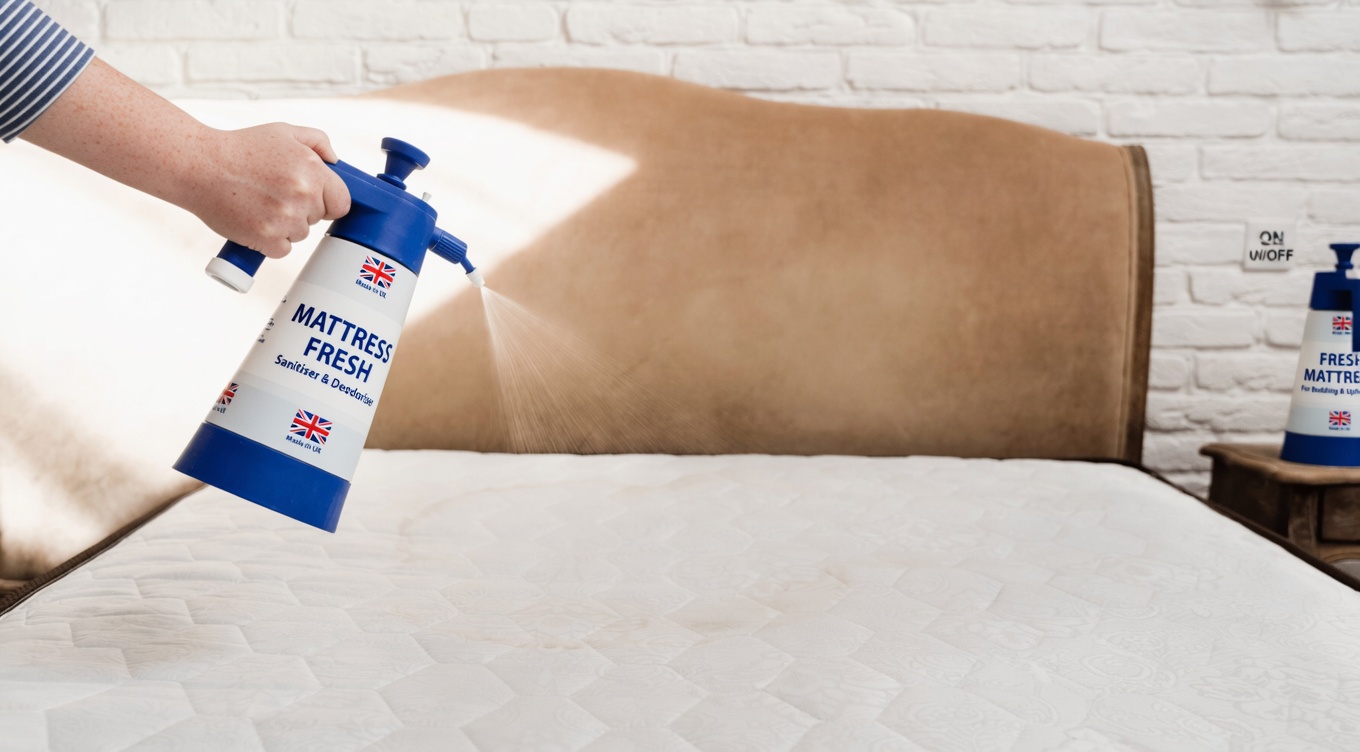
A Simple 30-Day Mattress Reset Plan
If you want structure, use this easy month-long plan.
Week 1: Clean and Reset
- Strip the bed completely
- Wash all bedding on hot
- Apply baking soda and vacuum
- Steam seams and edges
- Install zippered encasements
Week 2: Reduce Moisture and Hiding Spots
- Start using a dehumidifier
- Declutter around the bed
- Vacuum mattress, frame, and floor
- Air out the mattress each morning
Week 3: Add Supportive Layers
- Use the vinegar and essential oil spray lightly
- Apply food-grade diatomaceous earth carefully in cracks or seams
- Recheck mattress corners and nearby baseboards
Week 4: Maintain and Monitor
- Repeat hot-water laundry
- Steam again if needed
- Do a flashlight inspection
- Continue airflow and humidity control
By the end of 30 days, many people notice the bed feels fresher, nighttime irritation decreases, and sleep becomes more comfortable.
The Bottom Line
Dust mites and bedbugs are more common than most people think, and they often affect sleep in subtle ways before anyone realizes what is happening. The good news is that you can change your mattress environment using straightforward, affordable habits.
Focus on these essentials:
- Keep the bed dry
- Wash bedding hot
- Vacuum and steam regularly
- Reduce clutter
- Add barrier protection
- Stay consistent
You do not need to do everything at once. Start with the first few habits tonight, then build from there. Small actions, repeated regularly, can make your bed feel like a place of rest again instead of a source of irritation.