Understanding Atorvastatin Side Effects: What to Expect and When to Act
You may have started atorvastatin to lower cholesterol and protect your heart—expecting it to support a longer, healthier life. Then small changes show up: sore muscles after routine activities, unusual fatigue, or ongoing stomach discomfort. These possible atorvastatin side effects can be confusing, making it hard to tell what’s medication-related and what’s just everyday life.
Learning what side effects are possible helps you track symptoms calmly and speak with your clinician using clear, evidence-based information.
Why Talking About Atorvastatin Side Effects Matters
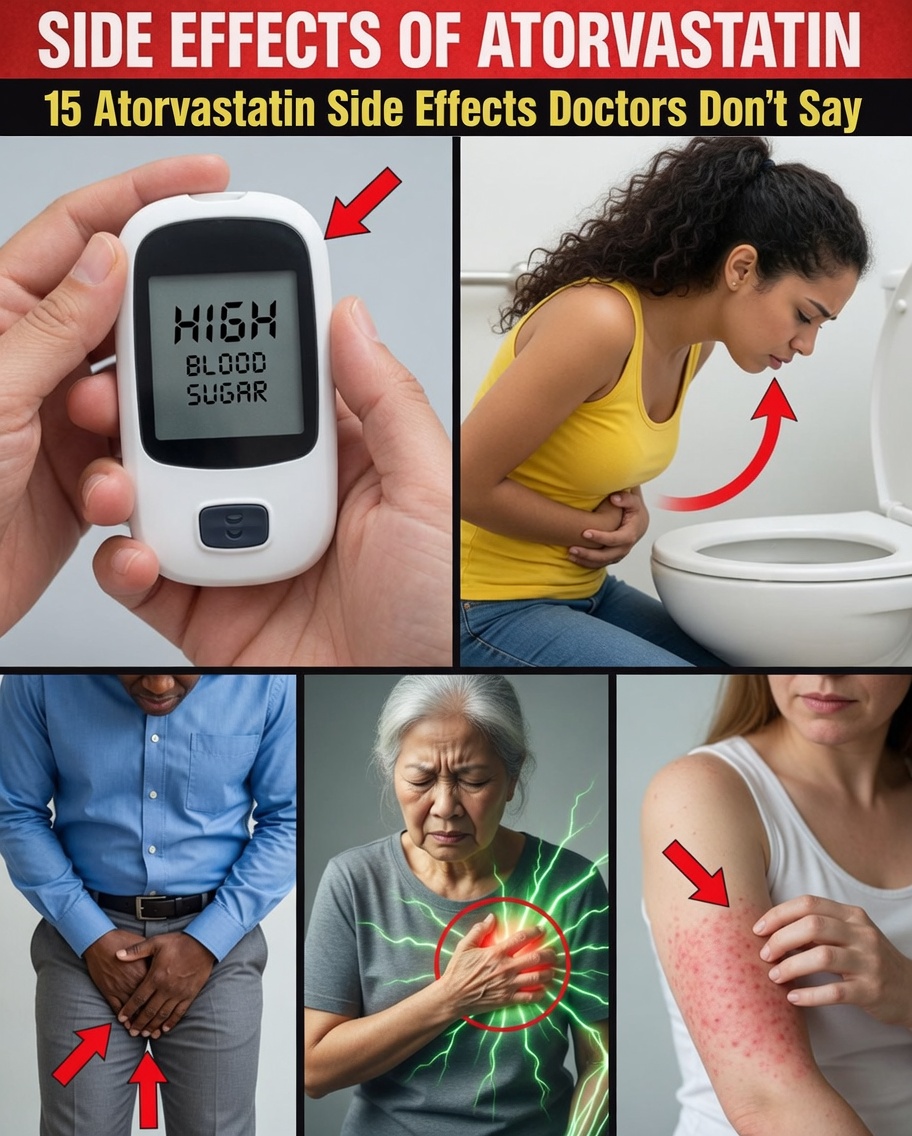
As one of the most commonly prescribed statin medications, atorvastatin is proven to reduce LDL (“bad”) cholesterol and lower the risk of heart attack and stroke for many people. Still, every medication has potential downsides, and atorvastatin side effects can range from mild to rare but serious. Trusted medical sources (including FDA safety information and major clinical references) document both common reactions and uncommon events.
Knowing what to watch for helps you:
- recognize symptoms early without panic,
- avoid stopping treatment unnecessarily,
- and make safer decisions with your healthcare provider.

Common Atorvastatin Side Effects (Often Mild and Manageable)
These are frequently reported in clinical studies and real-world use. Most are temporary or improve with simple adjustments.
15. Cold-like Symptoms (Nasopharyngitis)
A runny nose, sore throat, or sinus congestion can be annoying—especially if it lingers. These symptoms are among the more commonly reported atorvastatin side effects, but they’re typically mild and not dangerous.
14. Joint Pain
Aches or stiffness in the knees, hips, or shoulders may feel like “normal” soreness—but more persistent. Joint discomfort is often reported and is usually reversible.
13. Digestive Upset
Some people notice constipation, diarrhea, gas, or bloating. FDA data suggests gastrointestinal effects may occur in roughly 5–10% of users. Eating simpler meals, staying hydrated, and adjusting fiber intake can help.
12. Headache
Headaches can appear during the first weeks of treatment and often ease as your body adapts.
11. Nausea
Feeling queasy—especially after taking a dose—can happen early on and commonly improves over time.

More Disruptive Atorvastatin Side Effects (Worth Closer Monitoring)
These effects are not always severe, but they may interfere more with daily life and deserve attention—particularly if persistent.
10. Dizziness
Lightheadedness can increase fall risk and may be more concerning in older adults. If dizziness is frequent, track timing and discuss it with your clinician.
9. Sleep Changes
Some people report difficulty falling asleep or unusually vivid dreams while taking atorvastatin. The connection isn’t fully clear for everyone, but it’s worth noting if sleep quality drops.
8. Skin Reactions
Mild itching or a rash is uncommon but possible. New or worsening skin symptoms should be documented and reviewed, especially if they spread.
7. Fatigue
Ongoing tiredness—without a clear cause—can affect work, exercise, and family time. Fatigue is a reported atorvastatin side effect and is sometimes discussed in relation to changes in CoQ10 levels, though responses vary.
6. Muscle Pain (Myalgia)
Muscle aches—often in the legs, back, or shoulders—are among the most talked-about statin concerns. Importantly, research suggests a large share of reported muscle symptoms may not be directly caused by the drug in many cases. Still, persistent or severe pain should always be evaluated.

Less Common but Clinically Important Atorvastatin Side Effects
These occur less often, but they matter because they may affect long-term health or require lab monitoring.
5. Memory or Cognitive Changes
Rare reports describe temporary forgetfulness or “brain fog.” The FDA has noted that when these events occur, they are often reversible after changes in therapy.
4. Increased Blood Sugar
Statins, including atorvastatin, are linked to a small increase in blood glucose. Large analyses suggest about a 9–12% relative increase in the risk of new-onset diabetes. For most people at high cardiovascular risk, the heart benefits still outweigh this risk—but it should be monitored.
3. Liver Enzyme Changes
Some people develop higher liver enzymes on blood tests without feeling any symptoms. This is why clinicians may check a liver panel. In many cases, levels return to normal after dose changes or stopping the medication under medical guidance.
2. Peripheral Neuropathy (Rare Reports)
Occasional reports mention tingling, numbness, or burning sensations in the hands or feet. Evidence is limited, but persistent symptoms should be assessed to rule out other causes.
1. Rhabdomyolysis (Very Rare, Medical Emergency)
This is a severe breakdown of muscle tissue that can damage the kidneys. It is extremely uncommon (often cited around 1 in 10,000), but requires urgent care. Warning signs include severe muscle pain/weakness and dark, cola-colored urine.
Quick-Reference Table: Atorvastatin Side Effects
| Side Effect | Approximate Frequency | Usually Reversible? | When to Contact a Doctor |
|---|---|---|---|
| Muscle pain | Common (reports vary) | Often | If severe, worsening, or persistent |
| Joint pain | Common | Often | If it limits daily movement or function |
| Digestive issues | ~5–10% | Often | If ongoing, severe, or causing dehydration/weight loss |
| Fatigue | Common reports | Sometimes | If it significantly affects quality of life |
| Increased blood sugar | Small risk increase | Not always (manageable) | New excessive thirst, frequent urination, or abnormal labs |
| Liver enzyme elevation | ~0.5–3% | Often | Follow routine labs; call if yellowing skin/eyes or severe abdominal pain |
| Rhabdomyolysis | Very rare | Varies | Emergency: severe muscle pain + dark urine |
How to Manage Possible Atorvastatin Side Effects Safely
Do not stop atorvastatin suddenly without medical advice. If you suspect side effects, these steps can help you and your clinician make informed decisions:
- Keep a symptom log: note what you feel, when it starts, and what improves or worsens it.
- Book a review appointment: ask about labs such as CK (muscle enzyme), liver function tests, and glucose/A1C when appropriate.
- Ask about CoQ10: some people report improved muscle comfort with 200–400 mg daily, but supplement use should be approved by your provider.
- Discuss dose or medication options: sometimes a lower dose, different schedule, or another statin is appropriate.
- Support the medication with lifestyle habits: heart-healthy eating, regular activity, weight management, and avoiding smoking enhance the cholesterol-lowering benefit.
Final Takeaway: Balancing Heart Protection and Atorvastatin Side Effects
For many people, atorvastatin delivers meaningful protection against cardiovascular disease. Understanding atorvastatin side effects helps you respond early, avoid unnecessary fear, and work with your clinician to find the safest path forward. Monitor your body, get the right labs when needed, and keep communication open—especially if symptoms persist or escalate.
Frequently Asked Questions
Are atorvastatin side effects common?
Some side effects are relatively common, but many are mild. For people who need cholesterol control, the cardiovascular benefits often outweigh the risks—your clinician can help assess your personal balance.
Can atorvastatin side effects improve over time?
Yes. Issues like headache, nausea, or mild digestive discomfort often lessen as your body adjusts.
Should I take CoQ10 with atorvastatin?
Some evidence and patient experience suggest it may help with muscle symptoms, but results vary. Talk to your healthcare provider before starting CoQ10 or any supplement.
Medical disclaimer: This article is for informational purposes only and does not replace professional medical advice. Always consult your healthcare provider before changing medications or if you develop concerning symptoms.