
15 Superfoods That May Help Support Healthy Uric Acid Levels After 60
You suddenly wake up in the middle of the night with severe pain in your big toe. It feels hot, swollen, and unbearably tender, yet you did not injure it. For many older adults, this is a classic gout flare, often linked to high uric acid levels.
The pain, redness, and swelling can be so intense that even wearing shoes becomes difficult. For people over 60, repeated gout attacks can interfere with mobility, daily comfort, and peace of mind. The good news is that certain foods may help the body support healthier uric acid balance naturally and possibly lower the risk of future flare-ups.
In this article, you will learn about 15 superfoods that may help support healthy uric acid levels, based on insights commonly shared by rheumatology experts, along with simple ways to start using them right away.

Why These Superfoods Matter for Uric Acid After 60
As we age, elevated uric acid becomes more common. When uric acid builds up, it can form sharp crystals in the joints, leading to the sudden pain of gout that many seniors fear.
Adding the right foods to your routine may help your body:
- Eliminate uric acid more efficiently
- Reduce inflammation
- Support kidney function
- Promote better joint comfort
- Maintain steadier daily energy
What makes these foods especially helpful is not just their individual benefits, but how they work together as part of a balanced eating pattern. Research often cited by rheumatologists suggests that some foods may assist the body’s natural uric acid excretion while also calming inflammation associated with gout attacks.
The 15 Superfoods That May Help Support Healthy Uric Acid Levels
1. Cherries: A Top Food for Gout Support
Cherries, particularly tart cherries, are rich in anthocyanins, powerful plant compounds associated with lower inflammation and healthier uric acid levels. Some studies have linked cherry intake with a reduced chance of gout flares.
Many adults over 60 find that eating 10 to 12 cherries a day or using unsweetened tart cherry products fits easily into their routine.
2. Berries for Antioxidant and Vitamin C Support
Strawberries and blueberries provide vitamin C and antioxidants that may help the body manage uric acid more effectively. They also help fight inflammation, which is important for people dealing with gout-related discomfort.
A simple handful of berries at breakfast can be an easy daily habit.
3. Citrus Fruits to Encourage Uric Acid Excretion
Oranges and grapefruit are naturally high in vitamin C, which may help the body remove uric acid through urine. For added benefit, eat the whole fruit rather than only drinking juice, and include some of the white pith when possible.
4. Low-Fat Dairy Products
Foods like low-fat yogurt and skim milk contain proteins that may help the body get rid of excess uric acid. Regular intake has been associated in studies with lower uric acid levels, especially in older adults.
5. Coffee in Moderation
Coffee may come as a surprise on this list, but moderate intake has been linked with better uric acid control. It may help by influencing purine metabolism and supporting uric acid excretion.
For many people, 2 to 4 cups a day can fit within a balanced plan, depending on personal tolerance and medical advice.

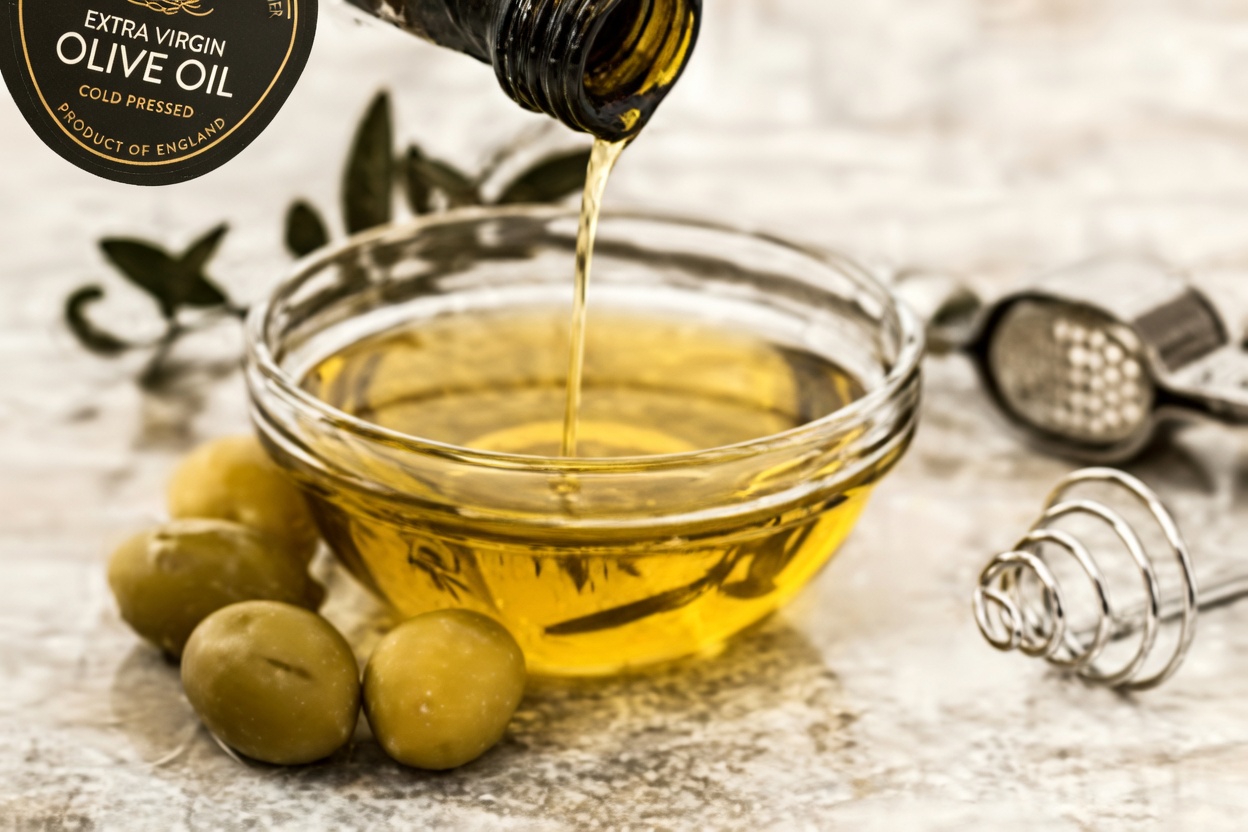
6. Extra Virgin Olive Oil
Olive oil is a smart staple for anyone trying to support joint health. It contains healthy fats and natural anti-inflammatory compounds that may help the body maintain a healthier internal balance, including better uric acid support.
Use it as your main cooking oil or drizzle it over vegetables and salads.
7. Nuts Such as Almonds and Walnuts
A small daily serving of nuts provides fiber, healthy fats, and plant nutrients without the purine load associated with some animal foods. Some research has found a link between regular nut intake and healthier uric acid levels.
A handful makes an easy snack or salad topping.
8. Chia Seeds and Flaxseeds
These small seeds are packed with omega-3 fats and fiber, both of which can support inflammation control and overall metabolic health. They may also be useful as part of a diet designed to support healthy uric acid balance.
Sprinkle them into oatmeal, yogurt, or smoothies.
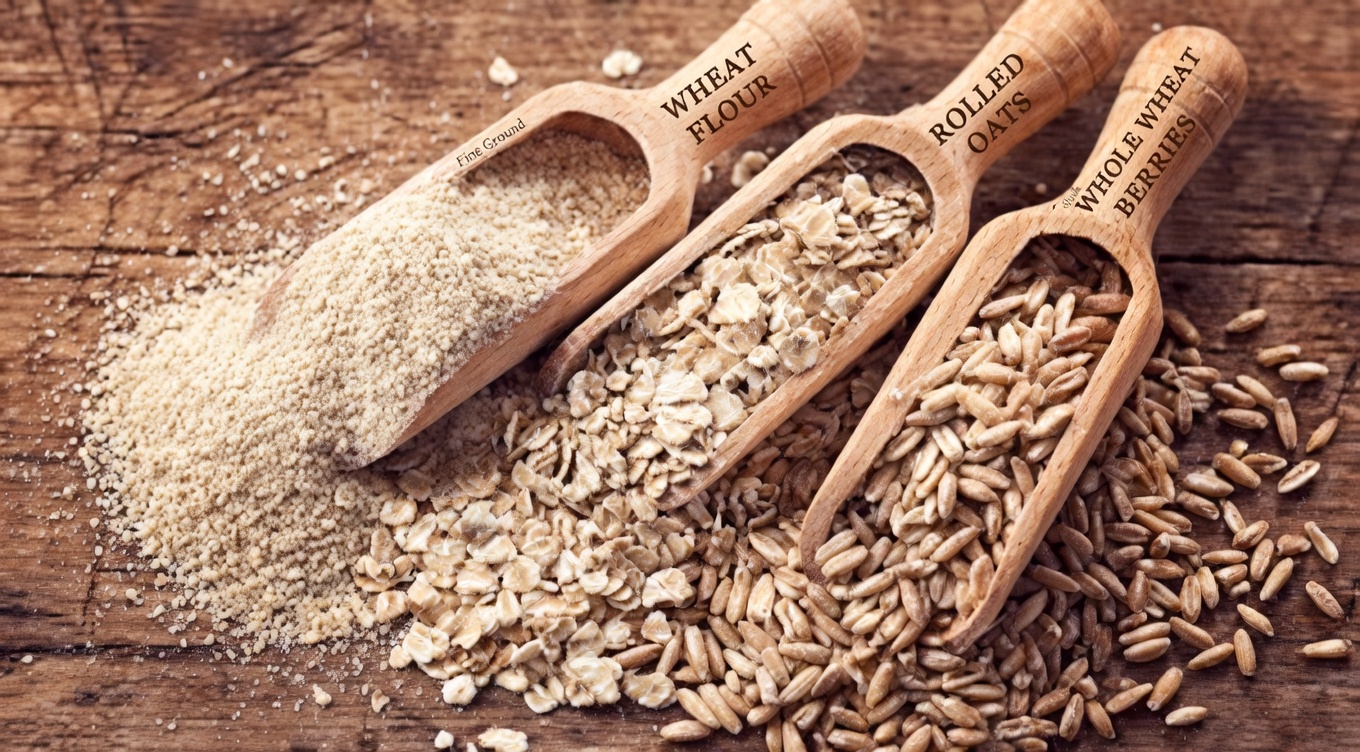
9. Whole Grains Instead of Refined Carbs
Oats, brown rice, and other whole grains help support stable blood sugar and may be a better choice than refined carbohydrates when aiming for healthy uric acid levels.
Starting the day with oatmeal is a simple and practical option.
10. Legumes for Plant-Based Protein
Lentils and beans provide protein and fiber in a form that may be more supportive than many animal-based proteins. For people trying to manage gout risk, legumes can be a helpful part of a balanced meal plan.
11. Leafy Greens and Most Vegetables
Vegetables such as spinach, broccoli, and other greens are rich in nutrients that may support kidney health and uric acid clearance. Most vegetables are low-purine or neutral and should be included regularly.
Filling half your plate with vegetables is a strong everyday strategy.
12. Kiwi for a Vitamin C Boost
Kiwi is another fruit rich in vitamin C, which may help the body eliminate excess uric acid. Eating one or two kiwis a day can be an easy addition to your routine.
13. Pineapple for Inflammation Support
Pineapple contains bromelain, an enzyme known for its anti-inflammatory properties. While it is not a cure, it may help ease some discomfort linked to gout while also supporting overall wellness.
14. Eggs as a Low-Purine Protein Choice
Eggs provide high-quality protein without the heavy purine burden found in red meat. This makes them a practical option for people seeking protein sources that are more gout-friendly.
15. Tofu and Soy Foods
Tofu and other soy-based foods can offer plant protein that does not appear to raise uric acid the same way certain meats can. In some cases, they may even support healthier uric acid patterns when eaten regularly as part of a balanced diet.
Superfoods for Uric Acid vs. Common Everyday Choices
Here is a quick comparison of helpful foods and easy ways to use them:
-
Cherries
- Possible benefit: May reduce gout flare risk and support lower uric acid
- Easy swap: Eat 10 to 12 fresh cherries or choose unsweetened tart cherry juice
-
Low-fat dairy
- Possible benefit: May help remove excess uric acid
- Easy swap: Add yogurt or skim milk daily
-
Coffee
- Possible benefit: May support uric acid excretion
- Easy swap: Drink 2 to 3 cups plain or with a little milk
-
Olive oil
- Possible benefit: Supports inflammation control
- Easy swap: Use 2 to 4 tablespoons in cooking
-
Nuts
- Possible benefit: Associated with healthier uric acid levels in some studies
- Easy swap: Enjoy a handful as a snack
-
Whole grains
- Possible benefit: Better choice than refined carbohydrates
- Easy swap: Choose oatmeal or brown rice
-
Vegetables
- Possible benefit: May support kidney clearance of uric acid
- Easy swap: Include leafy greens at every meal

A Simple Weekly Plan to Support Healthy Uric Acid Levels
You do not need a complicated diet to get started. A basic weekly structure can make healthy choices easier.
Monday to Friday
- Add cherries or berries
- Pair them with low-fat yogurt at breakfast
Tuesday and Friday
- Include olive oil, vegetables, and nuts at lunch or dinner
Wednesday and Saturday
- Enjoy coffee
- Pair meals with whole grains or tofu
Sunday
- Prepare a large batch of beans or lentils
- Slice citrus fruit or prepare citrus-infused water for the week
This kind of planning can take only about 10 minutes, yet it turns regular meals into daily support for healthier uric acid balance.
What Many Adults Over 60 May Notice Within a Few Weeks
With consistent habits, some people report gradual improvements such as:
- Fewer gout flare-ups
- Less intense swelling and joint pain
- Better movement and flexibility
- Improved digestion from higher fiber intake
- More stable weight, which also supports uric acid balance
These changes are often not dramatic overnight, but steady food choices may help the body manage uric acid more effectively over time.
Important Safety Notes
To support healthy uric acid levels, daily habits matter beyond food alone.
Make sure to:
- Drink 8 to 10 glasses of water per day
- Limit alcohol
- Cut back on sugary drinks
- Reduce high-purine foods such as red meat and shellfish
If you have kidney disease, take gout medication, or have another medical condition, speak with your doctor before making major dietary changes.
Tonight’s 2-Minute Action Step
Open your refrigerator tonight and place a bag of frozen cherries or a container of fresh berries on the top shelf. Set low-fat yogurt beside them so they are the first foods you see tomorrow morning.
That one small action can make it much easier to begin supporting healthier uric acid levels right away.
Frequently Asked Questions
Can these foods replace gout medication?
No. These superfoods may help support healthy uric acid levels, but they should be used to complement, not replace, treatment prescribed by your doctor or rheumatologist.
How soon might I notice a difference?
Many adults say they notice fewer flare-ups or milder symptoms within 4 to 8 weeks, especially when these foods are combined with good hydration and healthy weight management.
Are there still foods I should avoid?
Yes. It is wise to limit:
- Organ meats
- Shellfish
- Beer
- Sugary sodas
These can significantly raise uric acid levels in some people.
Final Note
This article is for informational purposes only and should not be considered medical advice. Always consult your healthcare provider or rheumatologist before changing your diet, especially if you have gout, kidney disease, or take prescription medications.