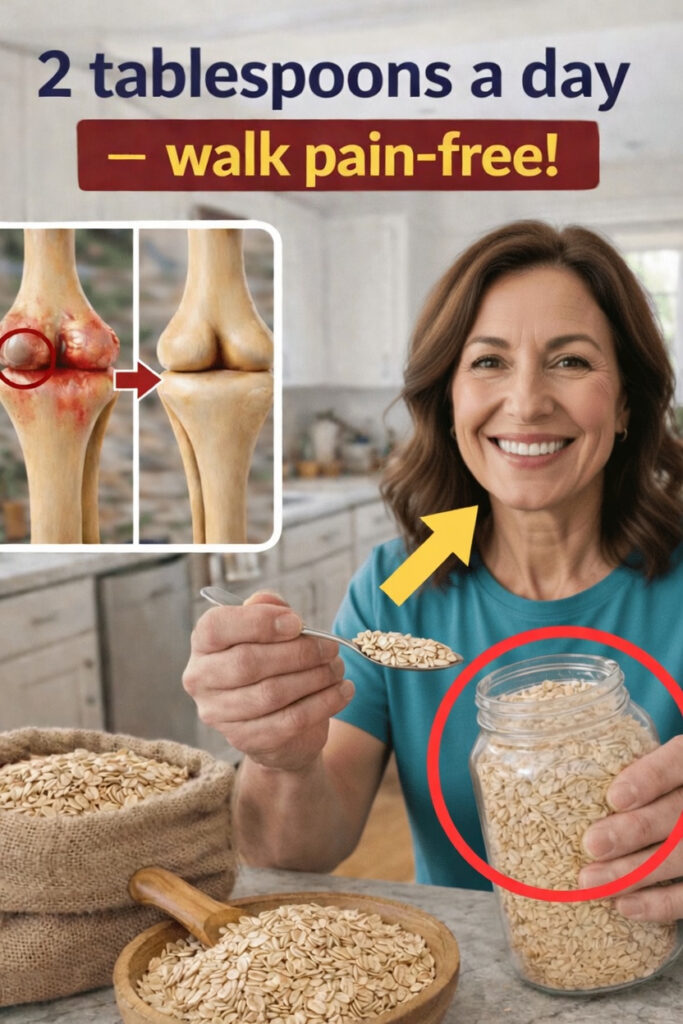
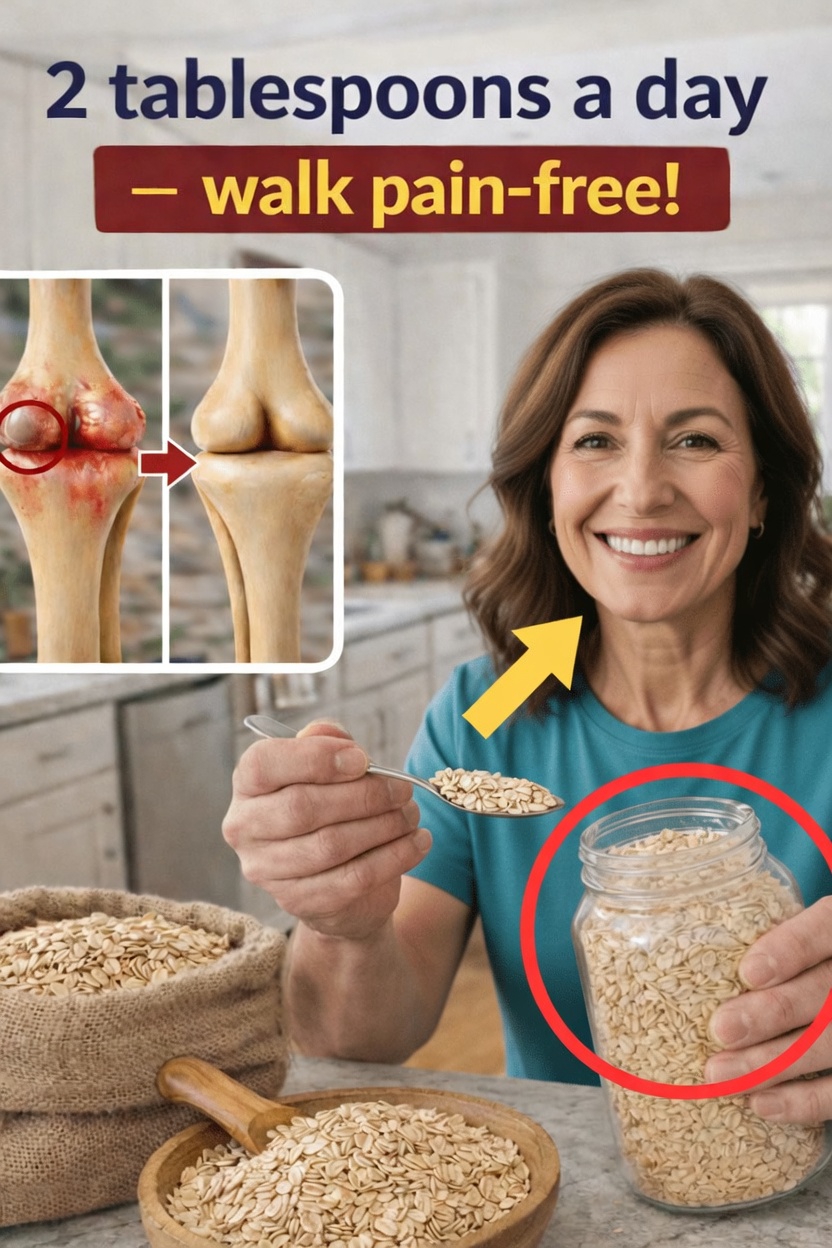
Could 2 Tablespoons of Oats a Day Help Support Knee Comfort?
As people get older, it is common for the knees to feel tighter, weaker, or less dependable. Simple daily actions—walking up stairs, getting off the sofa, or standing for long periods—can slowly become more uncomfortable. That kind of stiffness may seem minor at first, but over time it can affect confidence, reduce mobility, and make favorite activities feel harder than they used to.
The encouraging part is that daily habits can make a difference. Along with movement, hydration, and weight management, food choices may help support joint wellness. One surprisingly helpful option may already be in your kitchen: oats. This everyday grain offers more than basic nutrition, and its potential role in joint comfort is gaining attention.
Joint Stiffness, Aging, and Everyday Inflammation
Knee discomfort often develops gradually. Age-related wear, carrying extra body weight, repetitive movement, and long-term strain can all contribute to stiff or achy joints. Even when the pain is not severe, it can still interfere with mobility and make routine tasks feel more difficult.
A key factor in this process is everyday inflammation. While inflammation is part of the body’s natural response system, ongoing low-level inflammation may make joint discomfort feel worse. This is one reason anti-inflammatory eating patterns are often recommended for overall wellness.
Some foods contain natural compounds that may help the body regulate inflammatory activity more effectively. Oats are among those foods, thanks to several nutrients and plant compounds that researchers have been studying closely.

What Makes Oats So Valuable for Joint Wellness?
Oats are far more than a quick breakfast ingredient. They contain a combination of fiber, antioxidants, and essential minerals that may help support the body in several ways, including joint health.
Two oat components stand out in particular:
- Beta-glucan: This soluble fiber is widely known for supporting heart health and digestion. Research also suggests it may help reduce certain markers linked to inflammation.
- Avenanthramides: These are distinctive antioxidants found mainly in oats. Scientists have explored their ability to help calm inflammatory pathways, setting oats apart from many other grains.
Oats also provide several minerals that support musculoskeletal health:
- Manganese, which plays a role in the maintenance of cartilage and bone tissue
- Magnesium, which may help muscles relax and reduce tension around joints
- Zinc, important for tissue recovery and repair
Because of this nutrient profile, even a small daily serving—such as two tablespoons—can be an easy way to bring supportive nutrition into your routine without making major dietary changes.
What Research Says About Oats and Joint Comfort
Online health advice often includes exaggerated promises, so it is important to look at what the evidence actually shows. Current research does not suggest that oats are a cure, but findings do indicate they may be a useful part of a broader anti-inflammatory lifestyle.
A 2021 randomized controlled trial published in Nutrients reported that people who consumed oat beta-glucan experienced lower levels of limb and joint discomfort within two weeks compared with those who did not.
Additional studies have found that avenanthramides may help reduce exercise-related inflammatory markers, including IL-6 and other cytokines. This matters because inflammation linked to physical stress can contribute to feelings of soreness and stiffness.
A broader systematic review also suggested that oat intake may lower C-reactive protein (CRP) levels in people with metabolic issues. Since elevated CRP is often associated with inflammation, this finding adds to the idea that oats may support better joint comfort over time.
The most important takeaway is this: oats seem to work best as part of a healthy pattern of living. They are not a stand-alone solution, but they may fit well into an eating style similar to the Mediterranean diet, which emphasizes whole grains, produce, and other anti-inflammatory foods.
Easy Ways to Add 2 Tablespoons of Oats Each Day
One of the biggest advantages of oats is how easy they are to use. Two tablespoons—roughly 20 grams—may not sound like much, but it is enough to become a practical daily habit.
Here are simple ways to include them:
- Stir them into yogurt for extra texture and fiber
- Blend them into a morning smoothie
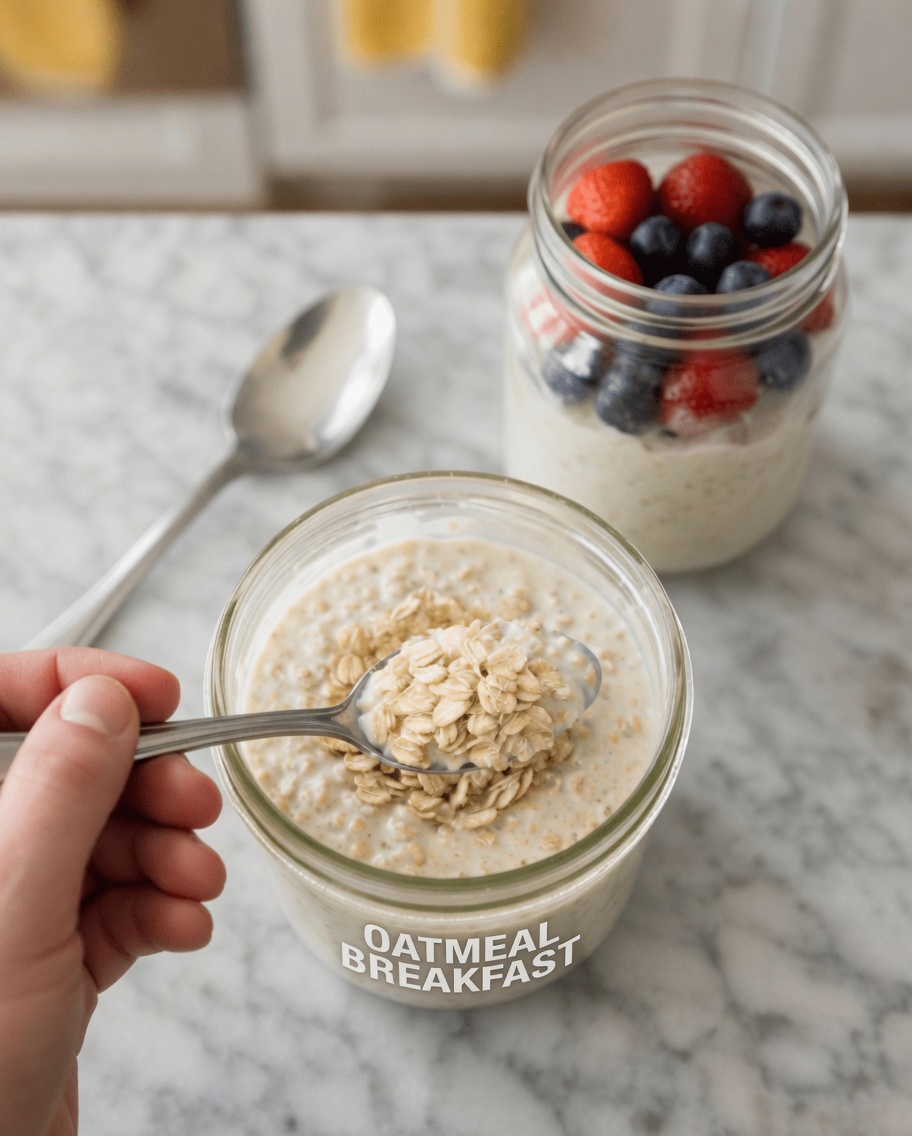
- Prepare overnight oats with milk or a plant-based alternative and fruit
- Sprinkle them over salads or even soups for a light crunch
- Mix them into homemade energy bites with nuts and a little honey
- Use them to thicken soups or stews instead of flour
For best results, choose plain oats without added sugar or flavoring. If you are sensitive to gluten, look for certified gluten-free oats.
Habits That Can Boost the Benefits of Oats
Oats may be helpful on their own, but they tend to be most effective when combined with other healthy choices. If your goal is better knee comfort and easier movement, these habits can support that effort:
- Drink enough water: Dehydration can make stiffness feel more noticeable.
- Eat more colorful fruits and vegetables: Their antioxidants may work alongside the beneficial compounds in oats.
- Keep moving: Gentle activities such as walking, stretching, or swimming help keep joints mobile.
- Manage body weight: Even modest weight loss can reduce pressure on the knees and improve comfort.
When these steps are combined, they create a more realistic and sustainable approach to supporting joint health.
What People Often Notice in Real Life
Many people who eat oats regularly describe feeling less stiff in the morning or more comfortable after a long day on their feet. Others notice that they move a little more freely after making oats part of a consistent routine.
Results are not the same for everyone. Age, activity level, overall diet, health conditions, and body weight all play a role. Still, this is one reason oats are worth considering: the change is simple, low-cost, and easy to maintain.
Sometimes small habits lead to meaningful improvements over time.
Final Thoughts: A Small Daily Step That May Help
Adding just 2 tablespoons of oats a day is one of the simplest and most affordable ways to support joint comfort naturally. With beta-glucan, avenanthramides, and helpful minerals such as magnesium, manganese, and zinc, oats offer gentle nutritional support that may benefit the body from the inside out.
This is not about instant results. It is about building a steady habit that may contribute to better movement and less stiffness over time.
Try it consistently for a few weeks and notice how your knees and joints feel. You may find that something as humble as oats can become a smart part of your wellness routine.
Frequently Asked Questions
How soon might I notice benefits from eating oats daily?
Some research has shown changes in discomfort levels in as little as two weeks. For many people, however, any improvement is more gradual and may become noticeable over 4 to 8 weeks of regular use.
Are rolled oats or steel-cut oats better for joint support?
Both are good options because they contain the beneficial compounds found naturally in oats, including beta-glucan and avenanthramides. Rolled oats cook faster, while steel-cut oats have a firmer texture. The best choice is the one you can use consistently.
Can I eat more than 2 tablespoons if I want quicker results?
Yes, you can eat more than that as part of a balanced diet. However, consistency matters more than quantity. Two tablespoons is often highlighted because it is easy to add daily without changing your meals too much.
Disclaimer
This article is provided for informational purposes only and is not intended to diagnose, treat, cure, or prevent any disease. Always speak with your healthcare provider before making major dietary changes, especially if you have existing health conditions or take medication. Individual outcomes may vary.