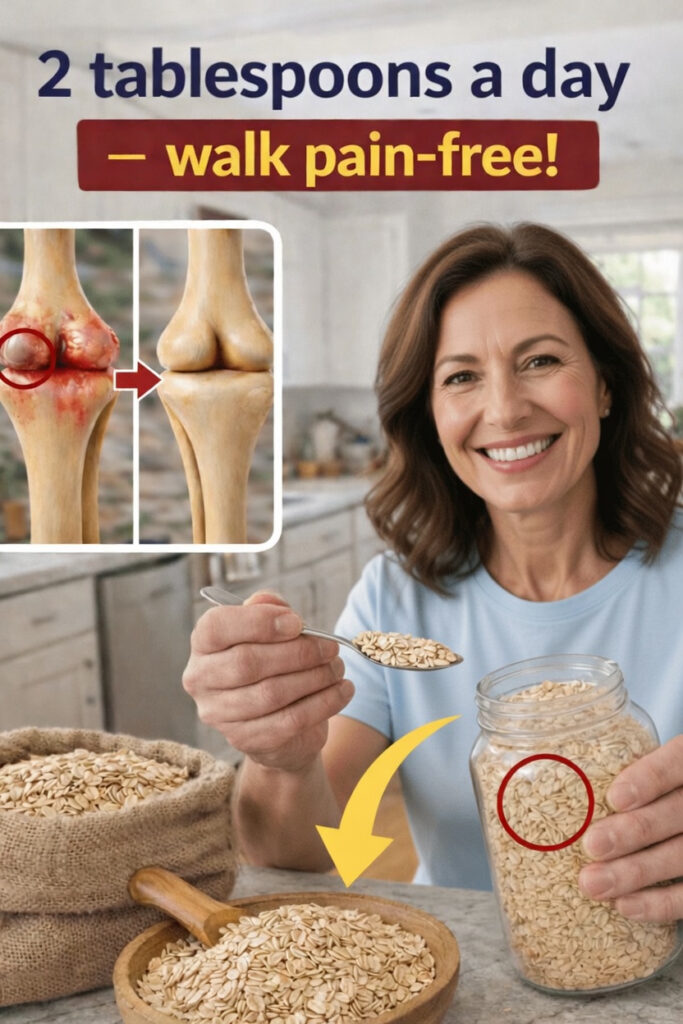
Could 2 Tablespoons of Oats a Day Help Support Knee and Joint Comfort?
As the years pass, many people begin to notice that their knees do not feel as smooth or dependable as they once did. Simple daily actions—walking up stairs, rising from a chair, or getting off the sofa—can start to feel harder than they should. That slow-building stiffness can affect confidence, reduce mobility, and make favorite activities feel less enjoyable.
The encouraging news is that everyday habits may help. One surprisingly useful food is oats, a basic pantry staple that many people already have at home. While often seen as just a breakfast grain, oats contain several nutrients and plant compounds that may support joint wellness as part of a healthy lifestyle.
Joint Stiffness, Aging, and Everyday Inflammation
Joint discomfort often develops gradually. It may be linked to aging, carrying extra body weight, repetitive movement, or the normal wear and tear of everyday life. Even when the discomfort is mild, it can still affect how freely and comfortably you move.
One important factor behind this issue is inflammation. The body naturally uses inflammatory responses to protect and repair itself, but when these responses become more frequent or prolonged, stiffness and soreness may feel more noticeable. Diet can play a role here, which is why anti-inflammatory foods have received growing attention.
Oats are one of those foods. Researchers have studied them for their fiber, antioxidants, and mineral content, all of which may contribute to better overall health and potentially more comfortable joints.
What Makes Oats So Beneficial?
Oats offer much more than convenience. They provide a combination of nutrients that may support the body in several ways, including how it responds to inflammation and tissue repair.
Two components are especially noteworthy:
- Beta-glucan: A type of soluble fiber widely recognized for supporting heart health and digestion. Newer findings also suggest it may help lower certain inflammation-related markers.
- Avenanthramides: Special antioxidants found almost exclusively in oats. These compounds have been studied for their potential to help regulate inflammatory pathways in the body.
In addition, oats naturally contain several minerals that matter for joint and muscle function:
- Manganese for cartilage and bone support
- Magnesium to help muscles relax and function properly around joints
- Zinc to assist with tissue maintenance and repair
Even a small daily serving, such as two tablespoons, can be an easy way to include these nutrients without overhauling your meals.

What Research Says About Oats and Joint Support
Online wellness advice often exaggerates what foods can do, so it is worth focusing on what actual studies suggest. Research on oats does not claim they are a cure, but the findings are promising.
A 2021 randomized controlled trial published in Nutrients reported that people who consumed oat beta-glucan experienced lower levels of limb and joint discomfort within two weeks compared with those who did not consume it. This does not prove oats solve joint issues on their own, but it does point to a possible supportive effect.
Other studies have examined avenanthramides, showing that they may help reduce markers associated with exercise-related inflammation, including IL-6 and other cytokines. These markers are often involved in the body’s inflammatory response.
A broader systematic review also found that eating oats may help reduce C-reactive protein (CRP) in people with metabolic health concerns. Since elevated CRP is often linked with inflammation, this is another reason oats may be helpful in a joint-friendly eating pattern.
Still, one point is important: oats appear to work best as part of a balanced lifestyle. Their benefits are more likely to show up when they are included alongside healthy eating, movement, hydration, and weight management—not treated as a quick fix.
Why Just 2 Tablespoons Can Be a Smart Start
Two tablespoons of rolled or steel-cut oats, roughly 20 grams, may seem like a small amount, but that is exactly what makes the habit sustainable. It is simple, inexpensive, and easy to repeat every day.
If you are trying to support knee comfort or reduce daily stiffness, consistency matters more than eating large amounts all at once. A small serving you actually stick with can be more useful than a bigger plan you abandon after a few days.
Easy Ways to Add Oats to Your Day
You do not need to eat a full bowl of oatmeal every morning to get more oats into your routine. A modest amount can fit into many meals and snacks.
Try these simple ideas:
- Stir two tablespoons of oats into yogurt for extra texture and fiber.
- Blend them into a smoothie to make it creamier and more filling.
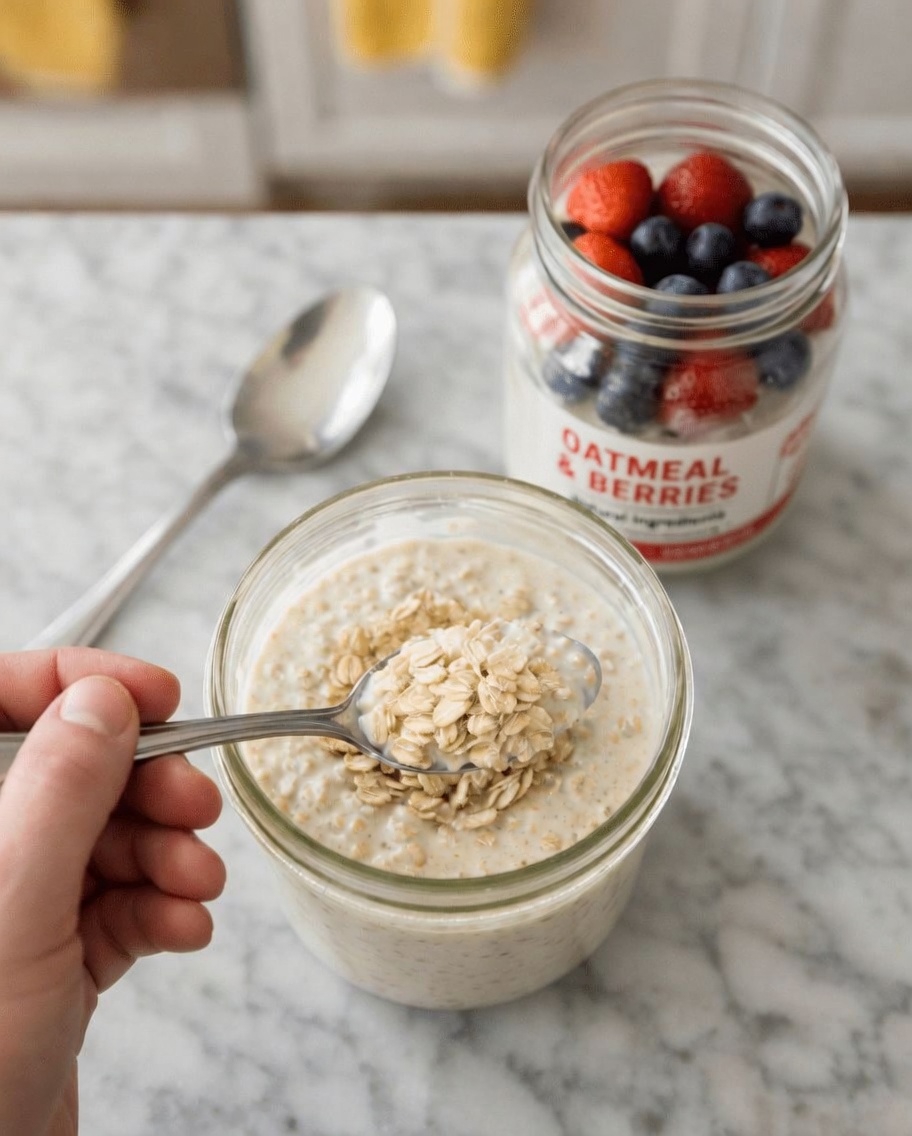
- Add them to overnight oats with milk or a plant-based alternative and berries.
- Sprinkle a small amount over soup or salad for a subtle crunch.
- Mix them into homemade energy bites with nuts and a little honey.
- Use oats to thicken soups or stews instead of refined flour.
For the best nutritional value, choose plain, unsweetened oats whenever possible. Flavored varieties often contain added sugar, which may work against an anti-inflammatory eating approach. If needed, gluten-free oats are also widely available.
Habits That May Enhance the Benefits of Oats
Oats can be a helpful addition, but they work best when combined with other supportive daily choices. If your goal is better joint comfort, these habits may also help:
- Drink enough water throughout the day, since dehydration can make stiffness feel worse.
- Eat more colorful fruits and vegetables, which provide antioxidants that complement the compounds found in oats.
- Stay active with low-impact movement such as walking, stretching, or swimming to help keep joints mobile.
- Aim for a healthy body weight, because even modest weight loss can reduce pressure on the knees.
This kind of overall approach is often more effective than relying on any one food alone. The goal is not perfection—it is building routines that are realistic and easy to maintain.
What People Often Notice in Everyday Life
People who begin eating oats regularly sometimes report subtle but meaningful improvements. They may feel a little looser in the morning, notice less stiffness after standing for long periods, or simply feel better supported by their overall routine.
Of course, results differ from person to person. Age, activity level, body weight, current diet, and the underlying reason for joint discomfort all make a difference. Still, oats are affordable, familiar, and easy to add, which makes them a practical option to explore.
Sometimes a small daily habit can lead to broader improvements in how you feel and move.
Final Thoughts: A Simple, Low-Cost Step for Joint Wellness
Adding two tablespoons of oats a day is one of the easiest natural strategies to consider for supporting joint comfort. Oats provide beta-glucan, avenanthramides, manganese, magnesium, and zinc, making them a valuable part of an anti-inflammatory diet.
They are not a miracle solution, and they are not meant to replace medical care. But as part of a healthy lifestyle, they may offer gentle support over time. Rather than expecting instant results, think of oats as a small daily investment in how your body feels.
Try them consistently for a few weeks and pay attention to any changes in stiffness, flexibility, or comfort. You may find that this humble grain offers more benefits than expected.
Frequently Asked Questions
How soon might I notice benefits from eating oats every day?
Some research has shown changes in discomfort levels after about two weeks, but many people may need 4 to 8 weeks of regular use before noticing a gradual difference.
Are rolled oats or steel-cut oats better for joints?
Both can be good choices because they retain the key compounds linked to potential benefits, including beta-glucan and avenanthramides. Rolled oats are faster to prepare, while steel-cut oats have a firmer texture. The best option is the one you will eat consistently.
Can I eat more than 2 tablespoons for faster results?
You can certainly eat more oats as part of a balanced diet, but more is not always better. The key is daily consistency, not a large amount. Two tablespoons is a practical amount that is easy for most people to maintain.
Disclaimer
This article is for informational purposes only and does not diagnose, treat, cure, or prevent any disease. Always speak with a qualified healthcare professional before making major dietary changes, especially if you have a medical condition or take medication. Individual responses may vary.