
A Simple 3-Leaf Tea for Gentle Liver and Digestion Support
Modern life can be tough on the body. Busy routines, packaged foods, sugary snacks, and ongoing stress may leave your liver working harder than usual. You might feel tired in the afternoon, notice bloating after meals, or deal with a heavy, sluggish sensation that seems to linger. These small discomforts can build over time and affect how you feel every day.
The good news is that three familiar leaves, often found in the kitchen, may offer mild daily support for healthy liver function and bile flow.
What makes this especially interesting is how easy they are to turn into a simple habit you may genuinely enjoy.
Why Liver and Bile Support Deserve More Attention
The liver is constantly at work, helping process the foods and drinks you consume. Bile plays an equally important role by helping the body break down fats and absorb key nutrients. When both systems function well, digestion tends to feel easier, energy levels may improve, and meals can feel less heavy.
Common lifestyle habits, such as eating too much sugar or spending long hours sitting, may place extra pressure on this natural balance. That is why traditional plant ingredients remain so valuable. They are not magic solutions, but growing research suggests they may help support the body’s normal processes.
Oregano Leaves: A Small Herb with Big Antioxidant Potential
Many people use oregano regularly on pasta, roasted vegetables, or pizza without realizing it offers more than flavor. This everyday herb contains natural compounds such as carvacrol and rosmarinic acid, both known for antioxidant activity.
Animal research suggests oregano extract may help shield liver cells from oxidative stress and support healthy enzyme balance. In some study models involving liver stress, its effects were even compared to other recognized liver-support compounds.
Why oregano is worth noticing
- Rich in antioxidants that help combat free radicals
- Traditionally valued for digestive comfort
- May gently support bile production in herbal traditions
- Easy to find fresh or dried throughout the year
Oregano alone is impressive, but it is only one part of the blend.

Guava Leaves: An Overlooked Traditional Remedy
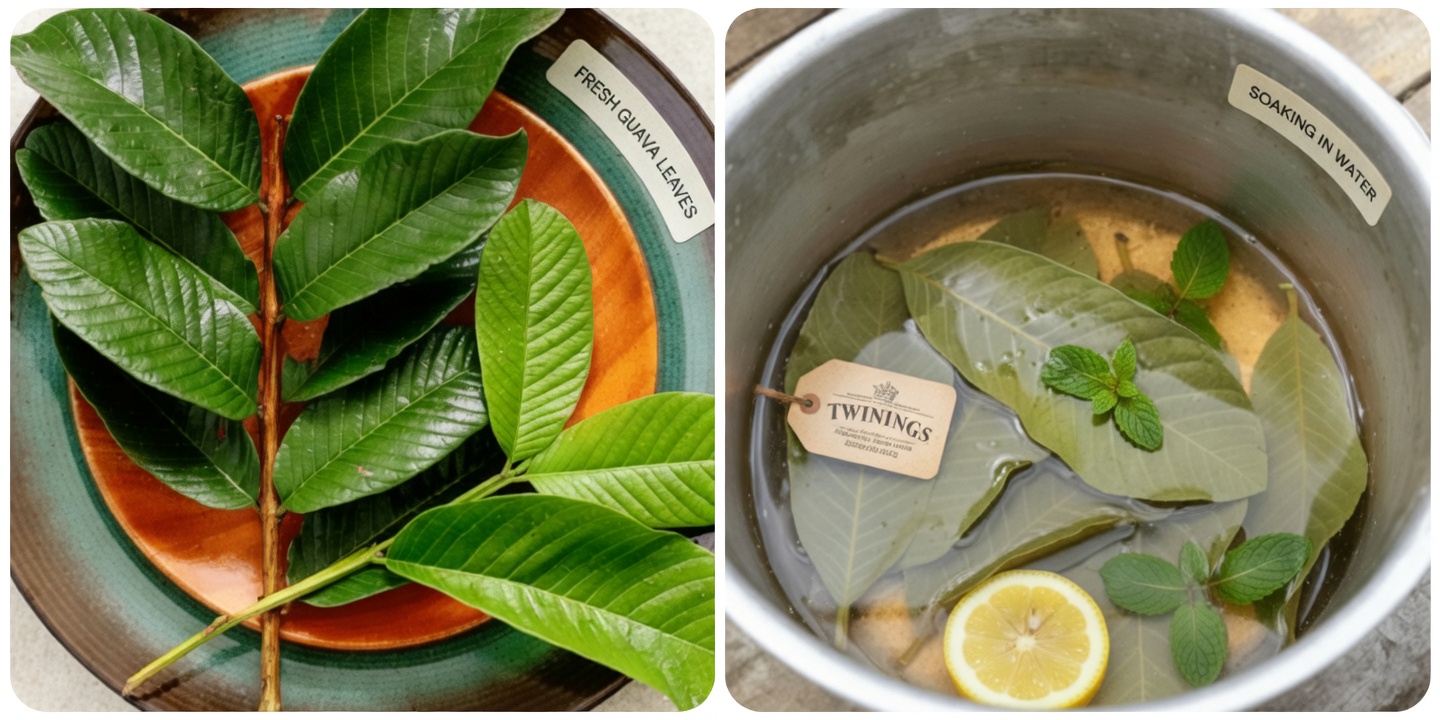
When people enjoy guava fruit, the leaves are often ignored. Yet in many parts of the world, guava leaves have been used for generations in wellness teas and home remedies. More recent animal studies have explored their role in supporting metabolism and liver health.
Research has linked guava leaf extract with healthier fat handling in the liver and improved insulin sensitivity in certain metabolic models. These findings help explain why guava leaves remain popular in traditional practices.
What current research suggests about guava leaves
- May help reduce excess fat buildup in liver tissue
- Can support healthy blood sugar already within a normal range
- Provide polyphenols that may help calm everyday inflammation
- Offer gentle digestive support
Their flavor is mild, slightly herbal, and faintly sweet, making them a pleasant addition to tea.
Laurel (Bay) Leaves: More Than a Soup Ingredient
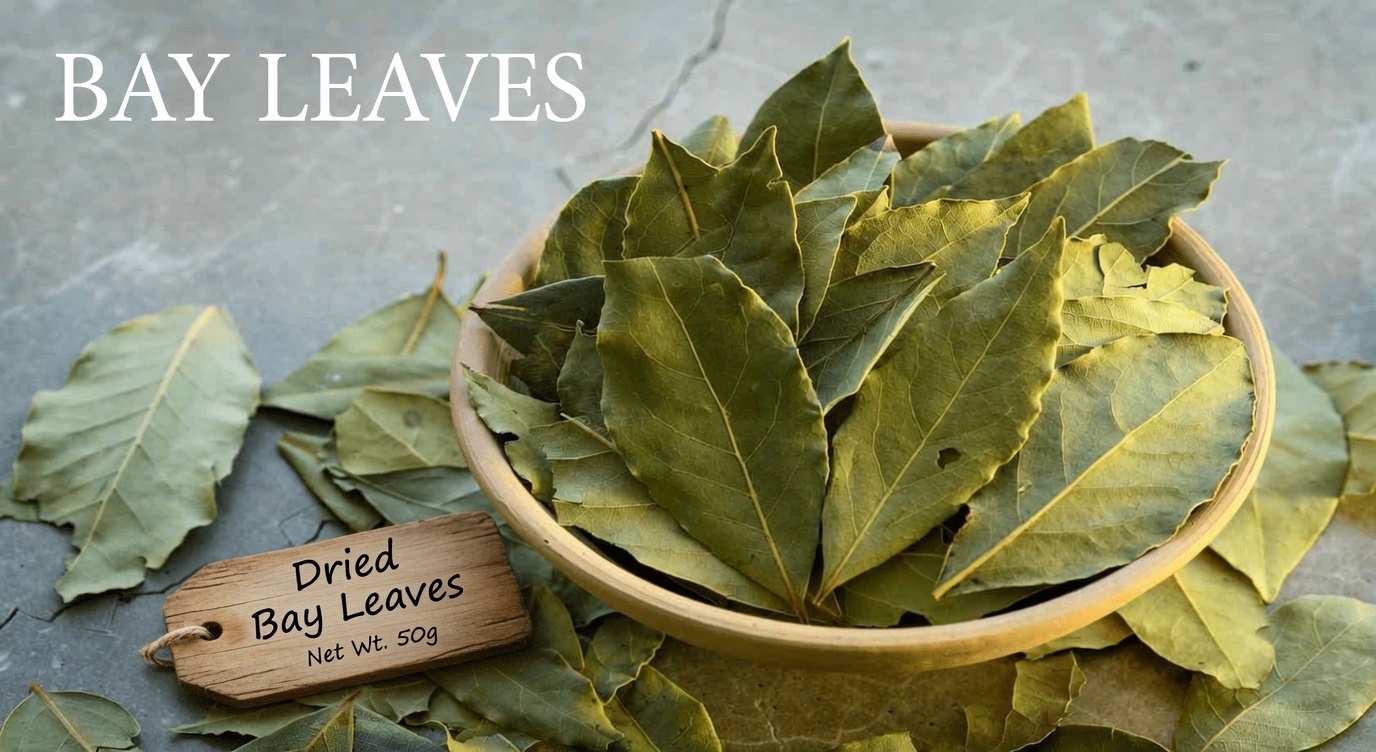
Bay leaves, also known as laurel leaves, are usually added to soups, stews, and broths for aroma. However, they may also provide useful support beyond taste. Studies on bay leaf water extracts have shown promising effects related to lipid balance and oxidative stress in liver tissue.
Laurel leaves have also been used traditionally to encourage comfortable digestion and a sense of ease after meals.
Research-backed highlights of bay leaves
- May help maintain healthy cholesterol and triglyceride levels already in range
- Support normal bile flow and fat digestion
- Contain compounds that may help soothe the digestive system
- Add a warm, aromatic note to herbal infusions
When these three leaves are combined, the result becomes even more appealing.
The 10-Minute Tea Recipe You Can Make at Home
This easy herbal infusion transforms ordinary kitchen leaves into a calming daily ritual. Traditional use and modern curiosity both point to this combination as a gentle way to support the liver and digestion.
Ingredients for 2 to 3 servings
- 4 to 6 fresh or dried guava leaves, or 1 teaspoon crushed dried leaves
- 4 fresh or dried oregano leaves, or 1/2 teaspoon dried oregano
- 2 to 3 bay leaves
- 4 cups filtered water
- Optional: fresh lemon slice or a little honey for flavor
How to prepare it
- Rinse the leaves gently with cool water.
- Add all the leaves to a small pot with the water.
- Bring the mixture to a light boil.
- Lower the heat and let it simmer for 8 to 10 minutes.
- Remove from heat and allow it to steep for another 5 minutes.
- Strain into a mug and drink while warm.
Many people prefer to enjoy 1 to 2 cups per day, especially after meals or in the evening. It is best to begin with one cup and observe how your body responds. The flavor is earthy, herbal, and comforting.
Easy Ways to Turn This Tea into a Daily Habit
Building a routine does not have to be complicated. A few simple strategies can make consistency easier.
- Brew a batch in the morning and sip it during the day
- Replace your afternoon coffee with this tea a couple of times each week
- Store dried leaves in a clearly labeled jar for quick use
- Pair your tea with a short walk after dinner to support digestion naturally
With regular use, some people report feeling lighter and more comfortable within a few weeks. As always, results differ from person to person, and this tea works best alongside good hydration, vegetables, and regular movement.
What the Studies Actually Show
Several animal studies published in respected scientific journals, including Scientific Reports and others, have examined these leaves individually.
- Oregano showed liver-protective potential in models exposed to toxins
- Guava leaf extract supported fat metabolism and helped maintain healthy liver enzyme balance
- Bay leaf water extract demonstrated encouraging results related to fat accumulation and oxidative stress
Human clinical research is still limited, so these herbs should not be viewed as a cure or treatment. Still, the combination of traditional use across cultures and promising preclinical findings makes them worth considering as part of a healthy lifestyle.
Frequently Asked Questions
How often can this tea be consumed?
Many people drink 1 to 2 cups daily without problems. Start slowly and pay attention to how you feel. If you are pregnant, breastfeeding, or taking medication, speak with your doctor first.
Can dried leaves be used instead of fresh ones?
Yes. Dried leaves are often more practical and work very well. Because they are more concentrated, slightly smaller amounts are usually enough.
Could this tea affect medications?
Although these are common culinary herbs, it is still wise to consult a healthcare provider if you take prescription medicines, especially for blood sugar or blood pressure, since some herbs may gently influence these systems.
Final Thoughts
Supporting your liver does not always require expensive supplements or complicated wellness routines. Sometimes helpful options are already sitting in your kitchen. Oregano, guava leaves, and bay leaves can be brewed into a simple herbal tea that may gently support digestion and healthy liver function.
Make it part of your daily rhythm, drink it mindfully, and pay attention to how your body feels.
Your body already has its own systems of care and balance. These three leaves may simply offer a gentle way to support what it is already designed to do.
Disclaimer
This article is provided for informational and educational purposes only. It is not intended to diagnose, treat, cure, or prevent any disease. The content should not replace professional medical advice, diagnosis, or treatment. Always consult a qualified healthcare provider before starting any new herbal routine, especially if you have a medical condition or use medications. Individual responses may vary.