
Support Aging Eyes with 3 Simple Seeds
As the years go by, many people begin to notice that tasks like reading a menu, driving at night, or enjoying a favorite book feel more demanding on the eyes. Dryness, irritation, or slowly changing vision can chip away at confidence and independence. The good news: you may already have a gentle, food-based tool for eye support sitting in your pantry.
Three common seeds—easy to find and simple to use—provide nutrients linked with eye and retinal health. By working them into your daily meals, you can create a small, sustainable habit that may support long-term comfort and visual wellness.

How Nutrition Influences Senior Eye Health
After age 60, many adults experience subtle shifts in vision. While regular eye exams are essential, what you eat also quietly affects how well your eyes cope with aging.
Research from organizations such as the American Academy of Ophthalmology points to specific nutrients that help support eye function, including:
- Omega-3 fatty acids
- Zinc
- Vitamin E
- Antioxidants
These nutrients are not quick cures, but steady intake over time may help maintain retinal health and ease occasional dryness or discomfort. That’s where three humble seeds—flax, chia, and sunflower—offer a practical, budget-friendly way to nourish your eyes every day.
Why These Seeds Are Especially Helpful for Older Eyes
The retina—the thin, light-sensitive tissue at the back of the eye—relies on a steady supply of vitamins, minerals, and healthy fats to function well. Large studies, including the Age-Related Eye Disease Study (AREDS), have highlighted the importance of zinc and antioxidants for maintaining retinal health as we age. Omega-3 fats are frequently mentioned in research for their possible role in supporting tear quality and eye surface comfort.
Seeds stand out because they:
- Provide these nutrients in a whole-food, easily digestible form
- Are affordable and widely available
- Store well in the pantry
- Blend into everyday meals with almost no effort
Let’s look at how each seed can fit into an eye-supportive routine.
Seed #1: Flaxseeds – A Plant-Based Omega-3 Boost
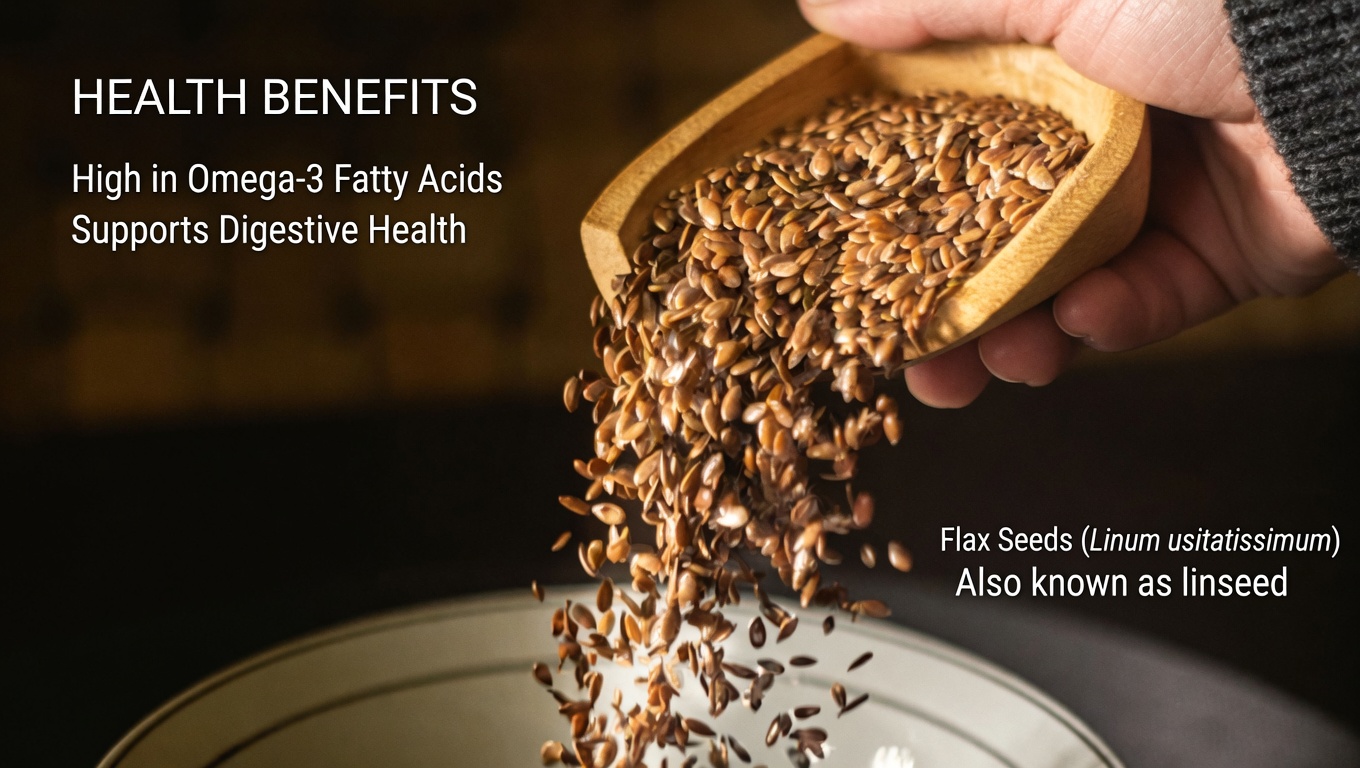
Flaxseeds may be tiny, but they are one of the richest plant sources of ALA (alpha-linolenic acid), a type of omega-3 fatty acid. Research suggests that omega-3s may help support a healthy tear film and ease occasional eye dryness—issues many older adults experience.
Flaxseeds also contain lignans, natural compounds with antioxidant properties that have been studied for their role in calming inflammation, which can indirectly benefit overall eye comfort.
Ground flaxseeds are best for absorption, especially for older adults, as whole seeds often pass through the digestive system without being fully broken down.
Why flaxseeds deserve a place in a senior eye-health routine:
- High in ALA omega-3s, associated with eye surface comfort
- Provide gentle fiber that supports digestion
- Inexpensive and easy to find in most grocery stores
- Simple to add to foods you already enjoy
Step-by-Step: How to Start Using Flaxseeds
- Begin with a small amount, such as 1 teaspoon of freshly ground flaxseed per day, to let your digestion adjust.
- Sprinkle over oatmeal, yogurt, or cereal at breakfast.
- Blend into smoothies for a subtle nutty taste.
- Mix 1–2 tablespoons into muffin, pancake, or bread batter—most people barely notice a change in flavor.
- Store ground flaxseeds in the refrigerator and grind whole seeds just before use to keep nutrients fresh.
Aim for consistent use; many people find that once flax becomes part of their breakfast routine, it feels effortless to maintain.
Seed #2: Chia Seeds – Tiny Seeds, Big Hydration and Antioxidant Support
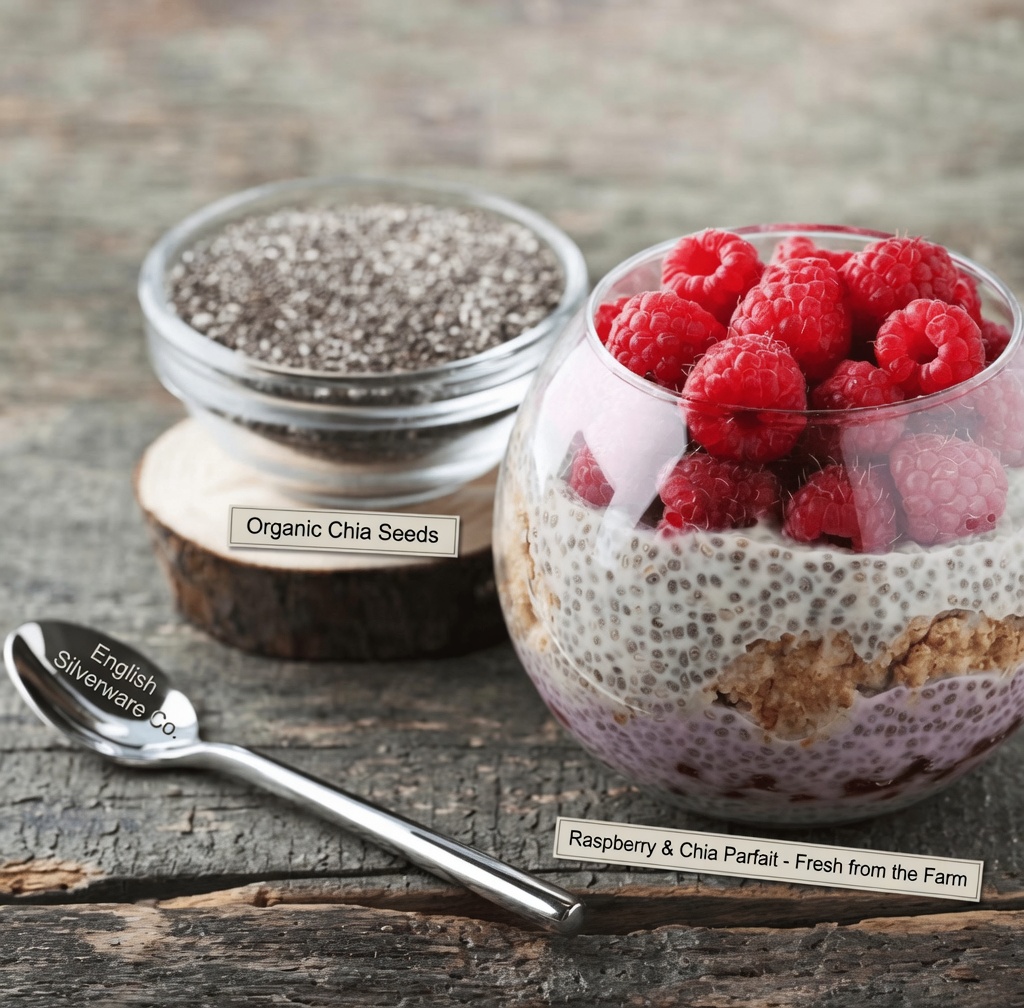
Chia seeds may look simple, but when soaked in liquid they form a gel-like texture. This gel-forming fiber is associated with improved moisture retention and steadier hydration—helpful qualities for older adults who sometimes notice their eyes feel drier with age.
Chia seeds provide:
- Plant-based omega-3 fats
- Antioxidants
- Minerals like calcium and magnesium
- Fiber that supports overall health
Some emerging research suggests chia may help support balanced inflammation in the body, which can indirectly support eye comfort over time.
A major advantage of chia seeds is how easy they are to use. Their mild taste allows them to blend into both sweet and savory dishes without changing your favorite flavors.
Easy Ways to Add Chia Seeds to Your Meals
- Stir 1 tablespoon into overnight oats and let it soak in milk or yogurt for a ready-made breakfast.
- Sprinkle dry chia seeds on salads, soups, or stir-fries for a light crunch.
- Mix into applesauce, yogurt, or pudding for a simple afternoon snack.
- Combine with dates, oats, and nuts to make homemade energy balls.
Because chia absorbs liquid, be sure to drink water throughout the day, especially if you eat them dry.
Seed #3: Sunflower Seeds – Vitamin E and Zinc in a Crunchy Snack
Sunflower seeds stand out for their impressive vitamin E content. Vitamin E is a powerful antioxidant that eye health experts, including the American Academy of Ophthalmology, note as important for protecting eye cells from oxidative stress—the gradual wear and tear that increases with age.
Just one small handful (about 1 ounce) of sunflower seeds can provide close to half of the recommended daily intake of vitamin E.
In addition, sunflower seeds contain:
- A modest amount of zinc, a mineral linked to retinal health in large-scale studies
- Healthy fats that support overall wellness
Selecting roasted, unsalted sunflower seeds can make them a heart-friendly, blood-pressure-conscious choice for seniors.
Simple Ideas for Enjoying Sunflower Seeds Every Day
- Add about ¼ cup to homemade trail mix with dried fruit and a few nuts.
- Scatter over green salads, grain bowls, or roasted vegetables for extra flavor and texture.
- Blend into hummus or savory spreads for a creamier consistency and nutrient boost.
- Use as a topping on cottage cheese or Greek yogurt to pair healthy fats with protein.
Quick Comparison: How Each Seed Supports Eye Health
| Seed | Key Eye-Support Nutrients | Easy Daily Amount | Simple Time to Use |
|---|---|---|---|
| Flaxseeds | Omega-3 (ALA), antioxidants | 1–2 teaspoons, ground | Best with breakfast |
| Chia seeds | Omega-3, gel-forming fiber, antioxidants | 1 tablespoon | Any time, soaked or dry |
| Sunflower seeds | Vitamin E, a bit of zinc | About ¼ cup | Ideal as a snack or topping |
Together, these three seeds offer complementary nutrients connected with eye and retinal support, with minimal overlap and no complicated planning.
A Gentle 7-Day Starter Plan
If you’d like to ease into this habit, here’s a simple one-week approach that takes just a few minutes a day:
- Days 1–2: Add ground flaxseed to your breakfast (oats, yogurt, or smoothie).
- Days 3–4: Keep the flax and introduce chia seeds into an afternoon snack.
- Days 5–7: Continue flax and chia, then add a small handful of sunflower seeds with lunch, dinner, or as a mid-day snack.
You can also combine them:
- Flax–chia pudding topped with sunflower seeds
- Mixed seed sprinkle for salads or soups
- Breakfast bowls featuring all three
After a couple of weeks, pay attention to how your eyes feel during reading, screen time, or driving. Some seniors report more consistent comfort and less dryness when they make this a regular part of their diet.
FAQs About Seeds and Senior Eye Health
How long might it take to notice any difference?
Everyone is unique, but many people say they feel more comfortable within 4–6 weeks of daily use. Results depend on your overall diet, hydration, and general health, so think of this as one supportive piece of a larger wellness picture.
Are these seeds safe if I’m taking medication?
Flax, chia, and sunflower seeds are whole foods, not drugs. However, if you take blood thinners, have digestive issues, or manage chronic conditions, talk with your healthcare provider before significantly increasing your intake of high-fiber or omega-3-rich foods.
What about allergies or sensitivities?
Most people tolerate these seeds well, but if you have a history of nut or seed allergies, introduce them very slowly and watch for any reactions. Choose plain, unsalted varieties without added flavors or coatings.
Putting It All Together
Caring for your vision doesn’t have to involve complicated routines or expensive supplements. By weaving flaxseeds, chia seeds, and sunflower seeds into your daily meals, you give your eyes steady access to nutrients linked with comfort and retinal support.
For the best results, pair these seeds with:
- Regular eye exams
- Adequate hydration
- Protection from bright sunlight (such as sunglasses and hats)
- A generally balanced, nutrient-rich diet
Small, consistent choices build powerful habits. Many seniors find that adding these simple foods helps them feel more proactive and in control of their eye health—a feeling that can be just as valuable as the physical benefits.
Disclaimer: This article is for informational and educational purposes only and does not replace professional medical advice, diagnosis, or treatment. Always consult your eye doctor or healthcare provider before making significant changes to your diet or routine, especially if you have existing eye conditions or take prescription medications.