4 Morning Signs Your Liver May Need More Support
A lot of people wake up feeling unusually tired, notice an odd taste in their mouth, or deal with slight nausea and brush it off as normal stress or a packed schedule. But when these mild symptoms keep showing up in the morning, they can affect your mood, focus, and energy before the day even begins.
Your liver is constantly at work, processing nutrients, filtering waste, and helping your body handle toxins. When that system is under extra pressure, some of the earliest clues may appear right after you wake up.
The good news is that paying attention to these patterns can help you make smarter daily wellness choices. Even better, there are simple lifestyle habits that may support healthy liver function and help reduce those frustrating morning sensations.
Why Liver Health Can Affect How You Feel in the Morning
The liver is one of the body’s busiest organs. It performs more than 500 essential tasks, from cleaning the blood to breaking down nutrients and removing waste products. While you sleep, it keeps working without pause.
Health authorities such as the Mayo Clinic note that when the liver is placed under ongoing strain from poor diet, alcohol use, medications, or other lifestyle factors, it can influence how rested and balanced you feel the next morning.
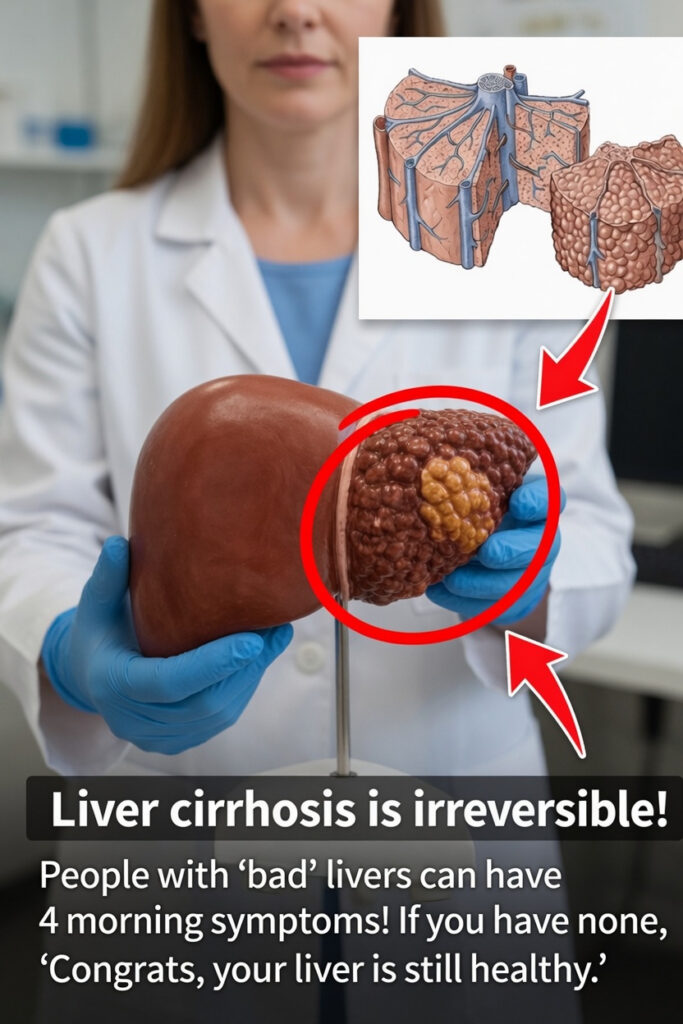
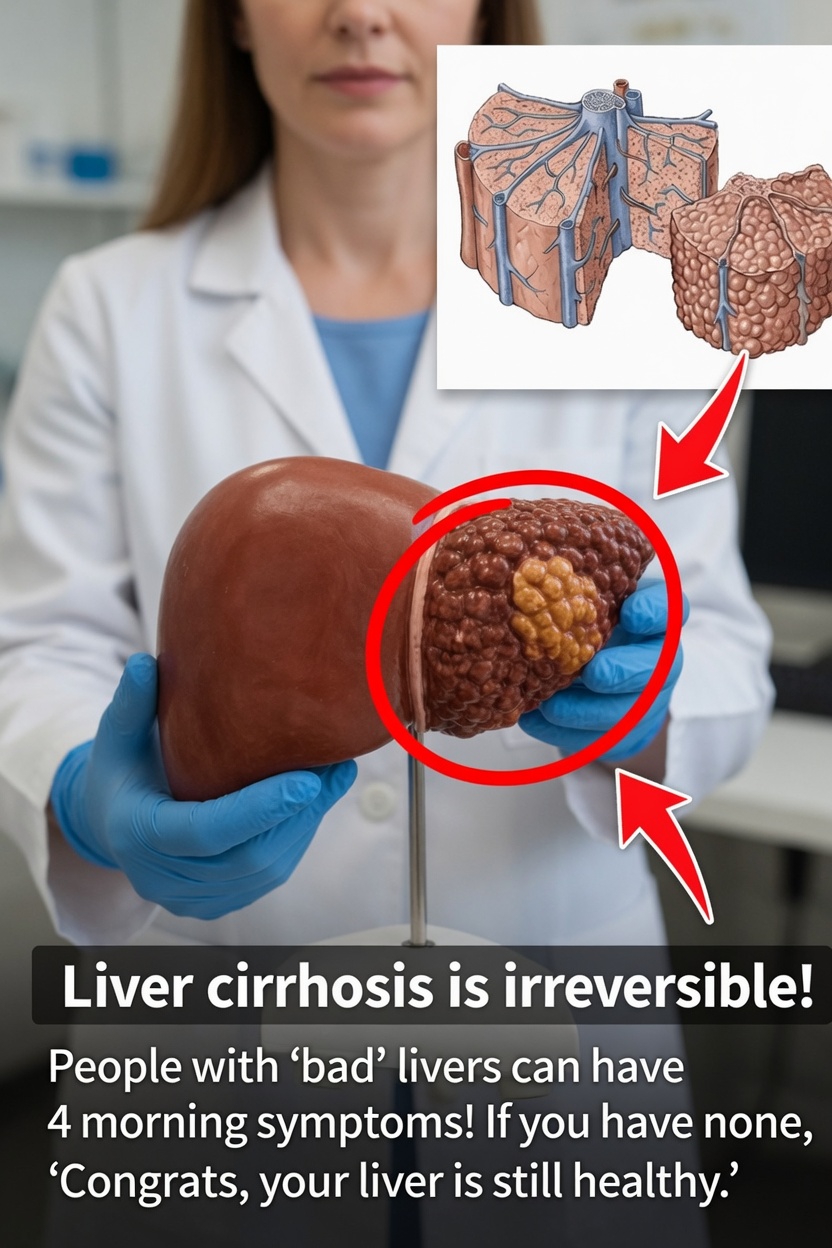
This is not a reason to panic. It is simply a reminder that your body often gives small signals before bigger issues develop. Recognizing those patterns early can encourage healthier habits sooner. That matters because severe liver conditions, including advanced cirrhosis, cannot be reversed once they are established.
4 Common Morning Symptoms People Often Ignore
Many morning symptoms seem harmless at first. People may assume they are just part of aging, stress, or lack of sleep. However, if these experiences happen often, they are worth noticing.
1. You Wake Up Tired Even After a Full Night of Sleep
You may get seven or eight hours of rest and still feel completely drained when you open your eyes. Persistent fatigue is often reported when the liver has a harder time processing toxins efficiently overnight.
2. You Notice a Bitter or Metallic Taste in Your Mouth
An unpleasant taste first thing in the morning, sometimes paired with bad breath, may be linked to digestive changes and bile-related issues. Because the liver plays a key role in digestion, these shifts can sometimes show up as changes in taste.

3. You Feel Nauseous or Have No Appetite at All
Some people sit up in bed and immediately feel queasy. Others find the idea of breakfast completely unappealing. Morning nausea can be connected to how the body processes fats and waste products during the night.
4. You Experience Brain Fog or a Mild Headache
If your thoughts feel slow or you wake with a dull headache despite drinking enough water, it may be another subtle sign that your body is under strain. When the liver is working harder than usual, mental clarity can feel reduced during the first part of the day.
It is important to remember that these symptoms do not automatically mean you have liver disease. They are simply signs that your body may need more support and that your habits may deserve a closer look.
Why These Morning Symptoms Happen
The liver follows the body’s natural internal clock, or circadian rhythm. Its detoxification activity is especially active between late night and early morning. If the liver is overloaded, waste products may linger longer than usual, which can contribute to symptoms such as fatigue, digestive discomfort, taste changes, or low mental sharpness upon waking.
Experts from institutions like the Cleveland Clinic have pointed out that changes in energy, digestion, and taste can appear early because the liver is still processing what you ate and drank the previous day while you sleep.
The encouraging part is that small improvements in your routine can create noticeable changes in how you feel each morning. You do not need a dramatic health reset. Consistent, realistic habits often make the biggest difference.
Daily Habits That Can Help Support Liver Wellness
If you want to support your liver naturally, start with basic wellness habits that work with your body instead of against it. These steps are simple, practical, and easy to begin today.
1. Drink Water Right After Waking Up
Start the morning with a full glass of room-temperature water. This can help your body rehydrate after sleep and support natural elimination processes.
2. Eat More Liver-Friendly Foods
Choose whole, nutrient-dense foods throughout the day, especially:
- Leafy greens
- Beets
- Broccoli and other cruciferous vegetables
- Lean proteins
- High-fiber foods
These foods contain compounds that may support the body’s natural detox pathways.
3. Cut Back on Alcohol and Ultra-Processed Foods at Night
Even moderate alcohol intake in the evening can increase the liver’s workload while you sleep. Replacing nighttime drinks with herbal tea or water may help you feel lighter and more refreshed in the morning.
4. Move Your Body Every Day
A short walk after dinner, light stretching, or any gentle daily movement can improve circulation and help the body handle fats more efficiently. You do not need intense exercise to see benefits. Regular movement matters more than intensity.
5. Protect Your Sleep and Lower Stress
Try to keep a consistent bedtime and build in simple stress-management habits such as deep breathing, meditation, or quiet screen-free time before bed. Chronic stress can affect the body in ways that place additional strain on overall wellness, including liver function.

Foods That May Offer Extra Liver Support
Adding certain foods more often can be a smart way to support your daily routine. Consider including:
- Avocados and olive oil for healthy fats
- Garlic and turmeric for antioxidant compounds
- Citrus fruits for vitamin C
- Green tea for hydration and beneficial plant nutrients
These foods are not miracle cures, but they can be part of a balanced diet that supports long-term liver health.
Start Small for Better Morning Energy
One of the biggest mistakes people make is trying to change everything at once. A better approach is to choose one or two habits and stick with them consistently.
For example, you might:
- Drink water immediately after waking
- Replace evening alcohol with herbal tea
- Add greens to lunch or dinner
- Take a 20-minute walk after meals
- Go to bed at the same time each night
Small steps, repeated daily, often lead to the most noticeable changes in how you feel in the morning.
When You Should Talk to a Doctor
If these morning symptoms continue for more than a few weeks, or if they begin to interfere with daily life, schedule a medical check-up. Basic blood tests can measure liver enzyme levels and provide clearer answers.
Early conversations with a healthcare professional are often the best way to rule out serious issues and get personalized advice.
Final Thoughts: Support Your Liver, Improve Your Mornings
Your day does not have to begin with fatigue, nausea, brain fog, or that unpleasant off feeling. By noticing these four commonly overlooked morning symptoms and making a few supportive lifestyle changes, you can give your liver the care it needs every day.
Serious liver conditions such as advanced cirrhosis are not reversible once they progress, which is why early awareness matters. The sooner you tune in to your body and make healthy adjustments, the better your chances of protecting long-term wellness.
Choose one habit from this article and begin tomorrow morning. Your body may thank you sooner than you expect.
FAQ
Are these morning symptoms always related to liver problems?
No. They can also be caused by dehydration, poor sleep, stress, digestive issues, diet, or other everyday factors. They are simply signs to pay attention to your overall health and seek medical guidance if needed.
What is the easiest way to support liver health through food?
Start by eating more whole foods such as vegetables, lean protein, fruit, and fiber-rich meals while reducing processed snacks, sugary foods, and alcohol. Consistent changes usually work better than extreme diets.
How often should liver function be checked?
For most healthy adults, liver function is commonly reviewed during routine annual blood work. If you have symptoms, a family history of liver disease, or take medications that affect the liver, your doctor may suggest more frequent testing.
Disclaimer
This article is for informational purposes only and does not provide medical advice, diagnosis, or treatment. Always speak with a qualified healthcare professional about symptoms, health concerns, or major lifestyle changes. Individual results may vary.