
Everyday Foods That Help Support Muscle Health in Seniors
Many older adults notice that tasks like climbing stairs, rising from a low chair, or walking longer distances start to feel harder than they used to. Over time, this gradual loss of strength can affect confidence, balance, and independence.
Alongside regular movement, choosing the right foods for muscle health in seniors can provide natural nutritional support. You do not need exotic ingredients or complicated recipes—four simple grocery staples may make a meaningful difference when included in a balanced eating pattern.

Why Foods for Muscle Health in Seniors Matter
If you feel more tired after short walks or find your legs less steady, it may be worth paying closer attention to nutrition that supports muscles and nerves. Research suggests that certain nutrients found in everyday foods can help maintain muscle function as we age, especially when combined with light physical activity.
These foods for muscle health in seniors typically offer:
- High-quality protein to help maintain and repair muscle tissue
- Key minerals such as magnesium, calcium, and iron for muscle and nerve function
- Healthy fats, including omega‑3s, that may support joint comfort and reduce inflammation
Food is only one part of the picture, but it can be a practical and enjoyable way to support strength and mobility over time.

Chickpeas: A Plant-Based Powerhouse for Older Muscles
Feeling a bit unsteady or weaker in the legs can be unsettling. Among plant-based foods for muscle health in seniors, chickpeas are a standout option. They provide:
- Plant protein, which contributes to muscle maintenance
- Iron, involved in oxygen transport to working muscles
- Magnesium, important for normal muscle and nerve function
Some studies suggest that these nutrients, when consumed regularly as part of a balanced diet, may assist with muscle repair and overall neuromuscular health.
How to enjoy chickpeas:
- Toss into salads or grain bowls
- Blend into hummus for a spread or dip
- Add to soups or stews several times a week
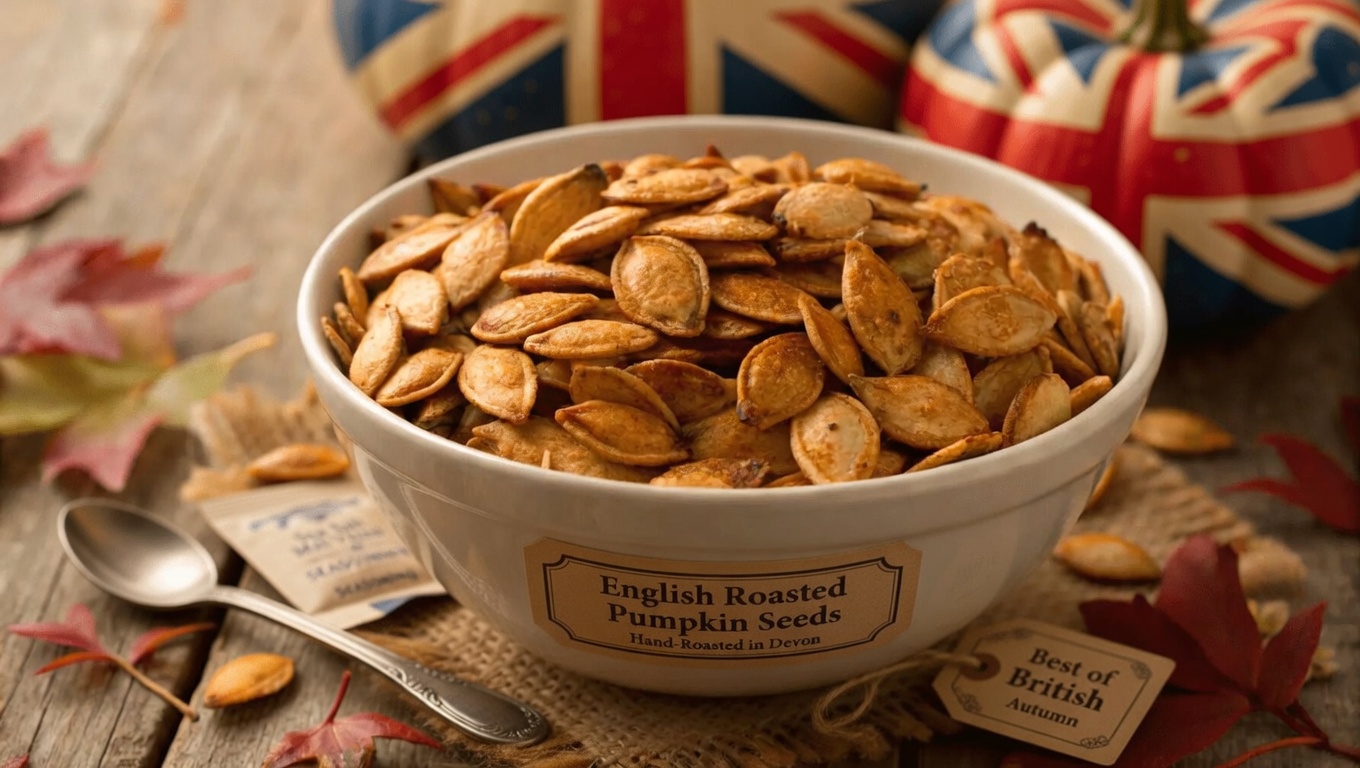
Pumpkin Seeds: A Magnesium-Rich Snack for Muscle Relaxation
Nighttime leg cramps and muscle tightness are common complaints in later life. Pumpkin seeds are a convenient snack and are often highlighted among foods for muscle health in seniors because they contain:
- Magnesium, which plays a role in muscle relaxation and normal nerve signaling
- Healthy fats and protein, which support general wellness
Research links adequate magnesium intake with normal muscle and nerve activity, which may help reduce occasional cramping or discomfort.
Simple ways to use pumpkin seeds:
- Eat a small handful in the evening as a snack
- Sprinkle over yogurt, salads, or oatmeal
- Mix into homemade trail mix with nuts and dried fruit
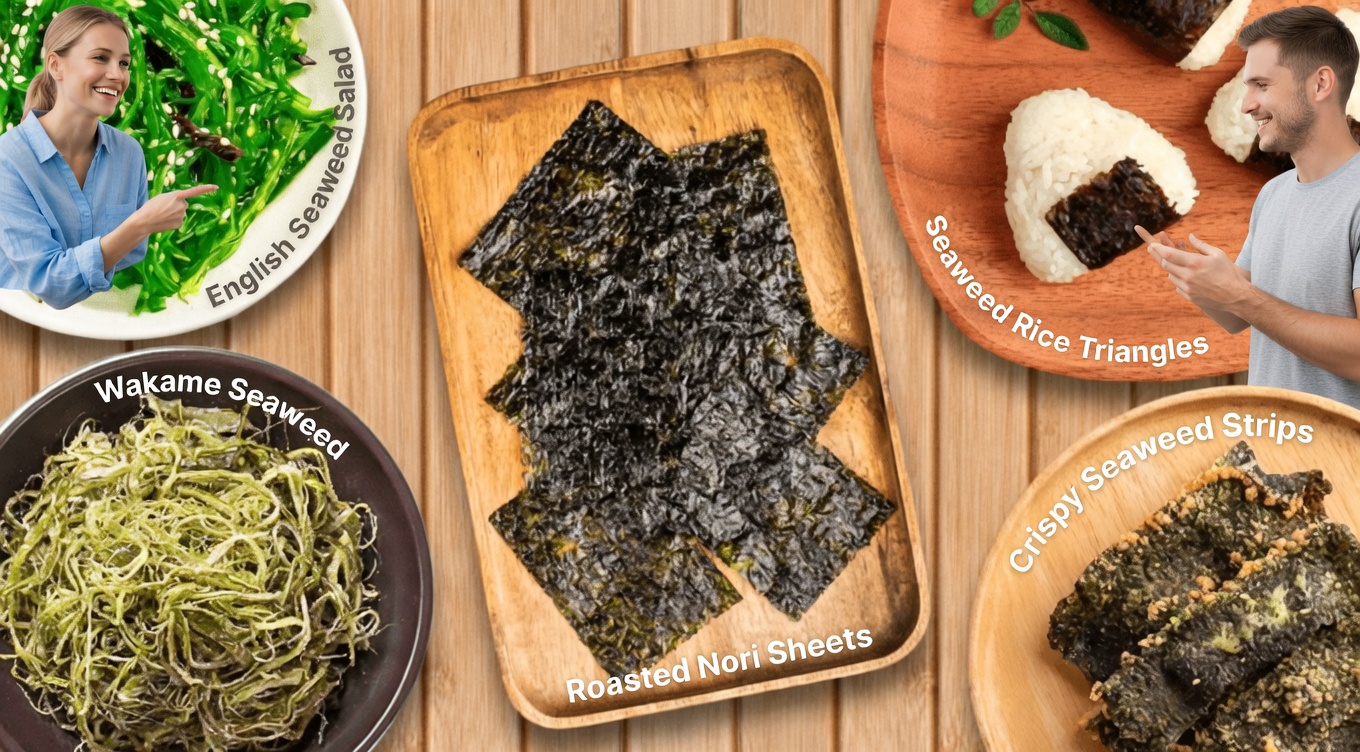
Seaweed: Mineral Support for Muscles, Joints, and Bones
As the years go by, joint comfort, balance, and bone strength become increasingly important. Seaweed offers a unique mineral profile that can complement other foods for muscle health in seniors, including:
- Calcium, essential for bones and muscle contraction
- Magnesium, supporting muscle and nerve function
- Iodine, needed for normal thyroid function, which influences energy and metabolism
Studies associate these minerals with the maintenance of healthy tissues and stable movement patterns.
Ideas for adding seaweed:
- Crumble dried seaweed into broths or soups
- Use as a topping for rice, vegetables, or salads
- Incorporate small amounts into wraps or sushi-style dishes
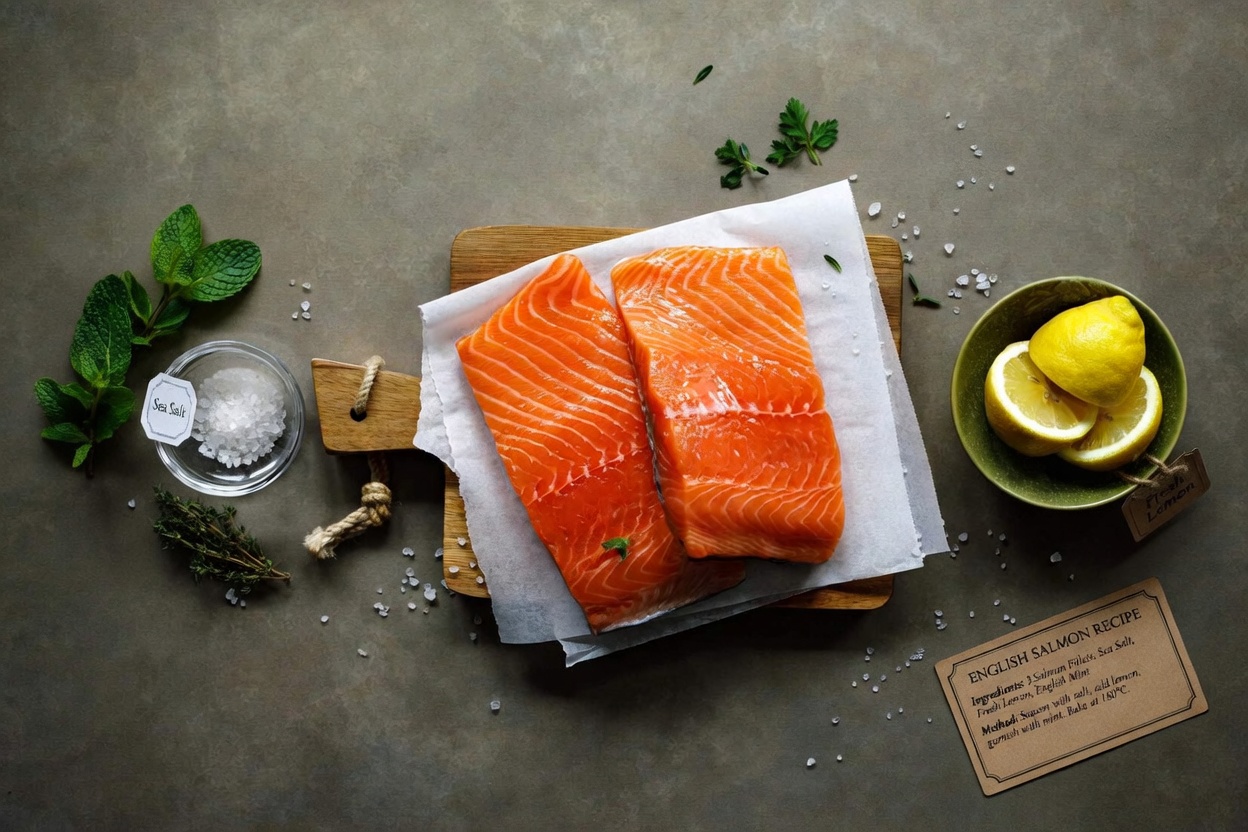
Salmon: Protein and Omega‑3s for Aging Muscles
Feeling drained during daily chores or walks can make activities less enjoyable. Salmon is frequently recommended among foods for muscle health in seniors because it combines:
- High-quality, easily absorbed protein for muscle maintenance
- Omega‑3 fatty acids, which research suggests may help reduce inflammation and support muscle and joint health
Regularly eating oily fish like salmon, as part of an overall balanced diet, has been linked in nutrition studies to better physical function in older adults.
Easy ways to include salmon:
- Grill or bake fillets with herbs and lemon
- Use canned salmon in salads or sandwiches
- Add to omelettes or grain bowls a couple of times per week
Simple Daily Ideas Using Foods for Muscle Health in Seniors
Here are a few easy ways to bring these supportive foods into everyday meals:
- Breakfast: Add a spoonful of chickpeas to scrambled eggs or a breakfast bowl
- Snack: Enjoy a handful of pumpkin seeds between meals
- Lunch: Stir a bit of seaweed into a light vegetable or miso soup
- Dinner: Serve grilled or baked salmon with steamed vegetables and whole grains
30-Day Gentle Plan to Include Foods for Muscle Health in Seniors
Use this sample four-week outline as a flexible guide. Adjust portions and choices according to your preferences and your healthcare provider’s advice.
| Week | Breakfast Idea | Lunch Idea | Dinner Idea | What to Notice |
|---|---|---|---|---|
| 1 | Toast with mashed chickpeas & herbs | Salad with pumpkin seed topping | Salmon salad or salmon bowl | Track energy levels |
| 2 | Yogurt with pumpkin seeds | Light seaweed and vegetable soup | Chickpea and vegetable stir-fry | Notice balance and steadiness |
| 3 | Salmon and vegetable omelette | Warm chickpea and grain bowl | Seaweed added to a rice wrap | Observe how stable you feel |
| 4 | Mixed seeds (incl. pumpkin) on oatmeal | Salmon and seaweed soup | Meal featuring all four foods | Reflect on overall progress |
You do not have to follow this plan perfectly. Even small, consistent changes can be helpful over time.
Everyday Swaps to Support Muscle Health
Consider these simple substitutions to integrate more foods for muscle health in seniors into your routine:
| Usual Choice | Supportive Alternative |
|---|---|
| Processed snack foods | Handful of pumpkin seeds or roasted chickpeas |
| Large portions of heavy meats | Moderate serving of baked or grilled salmon |
| Plain, low-nutrient soup | Broth enriched with seaweed and vegetables |
Your Next Steps
To get started without feeling overwhelmed:
- Pick one of these foods for muscle health in seniors to add this week.
- Stay consistent for at least two weeks, including it in meals several times.
- Pay attention to how your movement, balance, and energy feel over time.
- Share ideas with a friend or family member so you can encourage each other.
Frequently Asked Questions
Can these foods replace exercise or medical treatment?
No. These foods for muscle health in seniors are meant as general nutrition ideas only. They work best when combined with appropriate physical activity. Always consult your doctor or healthcare team for diagnosis, treatment, and personalized guidance.
How long does it take to notice any changes?
Experiences differ from person to person. Some may feel subtle changes in energy or comfort after a few weeks, while for others it may take longer. Consistency, regular check-ups, and following your healthcare provider’s advice are key.
Are there any risks or concerns with these foods?
Yes, there can be considerations:
- Some foods contain higher levels of protein, minerals, or iodine.
- Individuals with kidney issues, thyroid conditions, or other medical concerns may need to limit or monitor these nutrients.
- If you have sarcopenia, take medications, or follow a special diet, speak with your doctor or a registered dietitian before making changes.
One Extra Tip to Get More from These Foods
Chew slowly, eat mindfully, and pair these foods for muscle health in seniors with gentle movement such as walking or light stretching. This may support better digestion and help your body use the nutrients more effectively.
Important Disclaimer
This content is for informational purposes only and does not provide medical advice. It is not intended to diagnose, treat, cure, or prevent any disease. Information about foods for muscle health in seniors should never replace professional medical guidance.
Always consult your doctor or a registered dietitian before changing your diet, especially if you:
- Have sarcopenia or other muscle-related conditions
- Take prescription medications
- Live with kidney disease or other health issues that affect what you can safely eat
Monitor your health closely and seek professional support if you notice any concerning symptoms.
Imagine waking up with a little more strength and confidence after regularly including these supportive foods in your meals. Building that feeling can start with one small change today.
Your strength, balance, and independence are important—and the choices you make at the grocery store can be one of the tools that help you protect them.