Kidney-Friendly Protein Choices: What to Eat More Often and What to Limit
Living with kidney issues can make mealtime feel complicated, especially when protein is involved. Eating too much of the wrong protein may place added pressure on the kidneys, while eating too little can leave you drained and weak. The good news is that the right protein choices can help support energy, protect muscle mass, and make daily eating feel much less stressful.
Even better, a few simple food swaps can turn ordinary meals into more kidney-friendly options without giving up flavor or fullness.
Why Protein Is Important for Kidney Health
Your kidneys help remove waste created as your body breaks down food, including protein. Because protein naturally produces waste byproducts, the amount and type you eat matters. According to the National Kidney Foundation, choosing protein wisely can help support muscle strength and steady energy while reducing the burden on the kidneys.
The focus should be on quality, not just quantity. High-quality proteins provide essential amino acids your body needs, but with fewer unwanted extras such as excess phosphorus, sodium, or acid-forming compounds. When kidney function is reduced, these substances can build up more easily.
Research also suggests that in early to moderate stages of kidney disease, smarter protein choices—combined with overall healthy habits—may help support kidney function over time.
What often catches people off guard is that many common protein foods come with hidden downsides. Learning which options are more kidney-friendly and which ones deserve caution can make a major difference in how you feel each day.
4 Protein Sources That May Be Better for Kidney Health
Not all proteins affect the body in the same way. The four options below are often recommended because they offer good nutritional value in forms that are generally easier to manage when kidney health is a concern.
1. Egg Whites
Egg whites are one of the best-known protein choices for people with kidney concerns. They provide high-quality protein with very little phosphorus, making them especially useful in many kidney-friendly meal plans.
- One large egg white contains about 3.6 grams of protein
- They are low in phosphorus
- They create less waste for the kidneys to process than many other protein sources
Egg whites may help support stable albumin levels and are easy to include in everyday meals. You can enjoy them:
- Scrambled
- In a vegetable omelet
- Baked into a light frittata

2. Skinless Chicken or Turkey Breast
Lean poultry is another strong choice because it offers complete protein without the higher saturated fat often found in fattier meats.
- A 3-ounce cooked serving provides roughly 20 to 25 grams of protein
- Fresh, unprocessed cuts are lower in sodium and phosphorus than deli-style or packaged meats
- They fit well into a balanced kidney-conscious eating plan when portions are moderate
Simple preparation works best. Try:
- Grilling with herbs
- Baking with garlic and lemon
- Slicing into salads, rice bowls, or wraps
3. Fresh Fish
Fresh fish such as cod, tilapia, and even salmon in moderation can be excellent additions to a kidney-friendly diet. These choices offer high-quality protein and may also provide heart-supporting omega-3 fats.
- A 3-ounce serving usually contains 15 to 20 grams of protein
- Many fresh fish options are lower in phosphorus than red meat
- Plain preparation helps avoid unnecessary sodium and additives
Fish can be prepared in ways that keep it light and flavorful, such as:
- Baking with lemon
- Poaching with herbs
- Serving alongside rice and vegetables
4. Tofu and Certain Plant Proteins
Plant-based proteins can be gentler on the kidneys because they tend to produce less acid in the body. Many also contain fiber, which supports digestion and overall balance in the diet.
- A 3-ounce serving of firm tofu offers about 6 to 8 grams of protein
- Tofu is often lower in phosphorus than many animal proteins
- It adds variety for people looking to reduce animal-based foods
Kidney specialists often encourage including more plant proteins where appropriate. Easy ways to use tofu include:
- Stir-frying with low-potassium vegetables
- Baking it with mild seasonings
- Adding cubes to grain bowls or soups
These four protein sources offer flexibility, nutrition, and practical meal options without making you feel deprived.
6 Protein Sources to Limit or Avoid
Protein is necessary, but some forms can be harder on the kidneys. Based on guidance commonly shared by sources such as DaVita and the NIDDK, the following protein foods are often best limited, especially when phosphorus, sodium, and acid load need closer attention.
1. Red Meat
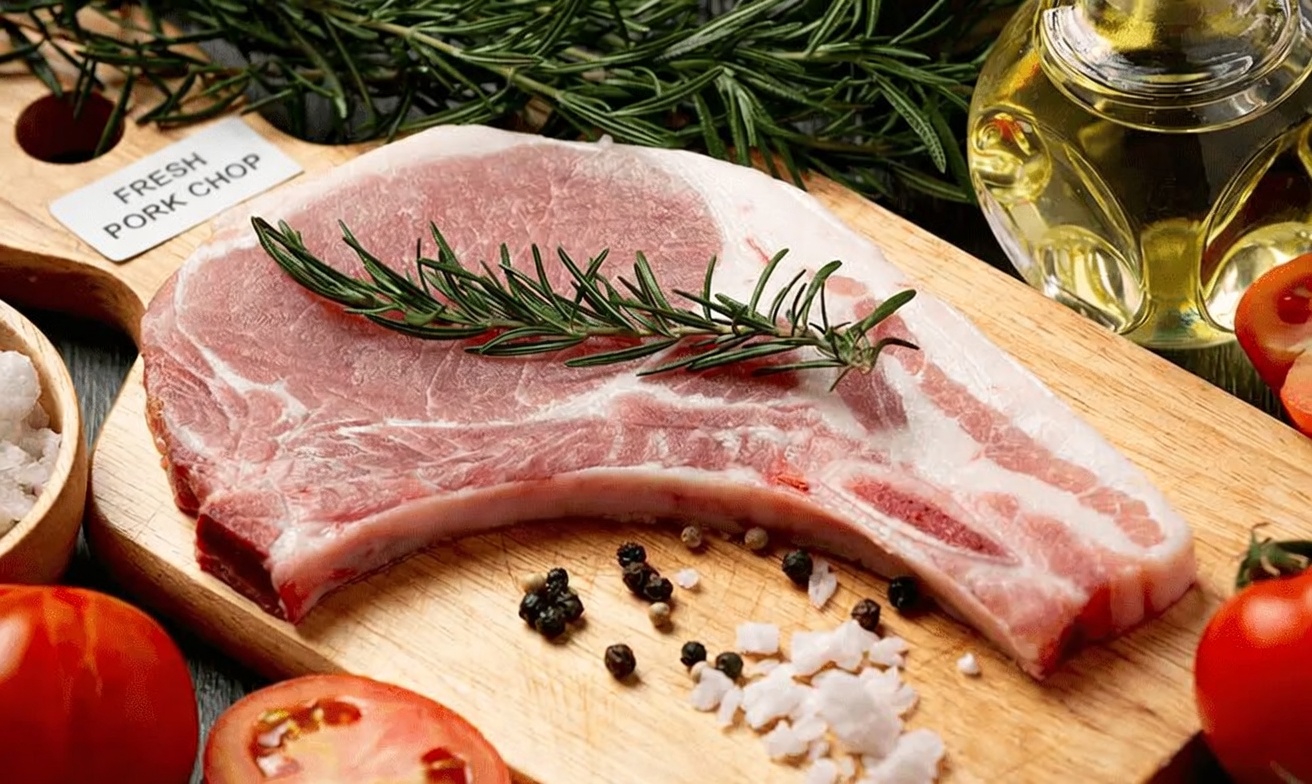
Beef and pork can be more demanding on the body because they often contribute a higher acid load and contain more phosphorus than some other protein choices.
- Large or frequent servings may make the kidneys work harder
- Smaller portions are generally preferred
- Many people benefit from choosing alternatives more often
2. Processed Meats
Foods like bacon, sausage, hot dogs, and deli meats are common trouble spots.
- They are often very high in sodium
- Many contain preservatives and phosphorus additives
- Even small portions can raise fluid retention and blood pressure risk
These are among the least kidney-friendly protein choices because they combine multiple concerns in one food.
3. High-Phosphorus Dairy Products
Cheese, whole milk, and regular yogurt contain protein, but they can also be rich in phosphorus.
- Kidneys may struggle to remove extra phosphorus effectively
- Larger servings can add up quickly
- Lower-phosphorus alternatives or smaller amounts may be better choices
4. Organ Meats
Liver, heart, and kidneys are extremely concentrated sources of protein and minerals.
- They are typically high in phosphorus
- They can rapidly increase waste products in the body
- Most kidney-focused nutrition plans recommend avoiding them
5. Nuts, Seeds, and Nut Butters
These foods are nutritious in many settings, but they are also dense in phosphorus.
- A small handful can contribute a significant amount
- Portion sizes are easy to underestimate
- Many people with kidney concerns eat them only occasionally and in very limited amounts
6. Fried or Highly Processed Protein Foods
Breaded chicken, fast-food meats, and packaged fried protein items can be especially difficult for kidney health.
- They often contain excess fat
- Sodium levels are usually high
- Phosphate additives are common in processed foods
This combination can put unnecessary strain on the body, especially when eaten regularly.
Understanding these higher-burden protein sources can make shopping and dining out much easier.
Simple Ways to Build Kidney-Friendly Meals
Putting this into practice does not have to be difficult. For many people who are not on dialysis, a moderate portion of protein at each meal—often around 2 to 3 ounces—can be a helpful starting point. Individual needs vary, but a few simple strategies can make planning easier.
Build Your Plate Wisely
A practical meal structure is:
- Half the plate: low-potassium vegetables
- One quarter: a kidney-friendlier protein choice
- One quarter: a small serving of rice, pasta, or another suitable starch
Read Labels Carefully
Packaged foods often contain hidden phosphorus and sodium.
Look for:
- Low-sodium options
- Plain fresh or frozen proteins
- Products without added phosphates or phosphorus additives
Prepare Protein in Advance
Meal prep can make better choices much easier during a busy week.
Try:
- Grilling extra chicken ahead of time
- Baking tofu in batches
- Portioning proteins into single-meal containers
This helps with convenience and portion control at the same time.
Add Flavor Without Extra Salt
Kidney-friendly meals do not need to be bland. Instead of relying on salty sauces or packaged seasonings, use:
- Fresh herbs
- Garlic
- Lemon juice
- Vinegar
- Black pepper
- Paprika
These ingredients can make simple foods taste much more satisfying.
Pay Attention to How You Feel
Keeping a short food journal for a few days can be useful. Note what you eat and how your energy feels afterward. Many people find that consistent, smart protein choices help them feel more stable and less sluggish.
Sometimes the smallest change makes the biggest difference. Replacing processed lunch meat with grilled turkey breast, for example, may help improve both confidence and daily energy.
The Bottom Line
Supporting kidney health does not mean giving up enjoyable food. It means choosing proteins that work better for your body. Egg whites, lean chicken or turkey, fresh fish, and tofu are all smart options to consider more often. At the same time, cutting back on red meat, processed meats, high-phosphorus dairy, organ meats, nuts and seeds, and fried or heavily processed protein foods can reduce unnecessary strain.
When these choices become part of your routine, eating well feels simpler—and your kidneys get the support they need.
Frequently Asked Questions
Can I still eat animal protein if I prefer it?
Yes. Many people do well with a combination of animal and plant proteins. The key is to choose fresher, leaner options and keep portions moderate. Your doctor or renal dietitian can help determine the right balance for your individual needs.
How much protein should I eat each day?
Protein needs vary depending on kidney function, body size, activity level, and whether you are on dialysis. Many people with kidney concerns are advised to eat moderate amounts rather than large portions. A healthcare professional can give you a target that matches your stage and health needs.
Is plant protein always better for the kidneys?
Not always, but many plant-based proteins can be easier on the kidneys because they tend to produce less acid and may contain helpful fiber. Still, portion size and the specific food matter, so it is best to choose carefully and review your plan with a renal dietitian if possible.