Best Protein Choices for Kidney Health: 4 Smart Options and 6 to Limit
For many people trying to support kidney health, choosing what protein to eat can feel confusing. A simple meal can suddenly turn into a source of stress, especially when you are unsure whether your choice will help or hurt your routine. The good news is that protein decisions do not have to be overwhelming. When you understand which options are generally easier to fit into a kidney-conscious eating plan, daily meal planning becomes much simpler.
The important point is not to avoid protein completely. Instead, it helps to know which sources may work better and which ones deserve closer attention. Below, you will find 4 protein options often considered more kidney-friendly, followed by 6 protein sources many experts suggest watching more carefully.
Why Protein Selection Matters for Kidney Health
Protein plays a major role in maintaining muscle mass, supporting energy, and helping the body function properly every day. However, when the kidneys need extra care, both the quantity and quality of protein can affect how the body manages waste products as well as minerals such as phosphorus, potassium, and sodium.
According to the National Kidney Foundation, people who are not on dialysis often benefit from moderate portions of high-quality protein while also paying attention to how well certain minerals are absorbed by the body. That detail matters more than many people realize.
Research shared by sources such as the Mayo Clinic and DaVita Kidney Care suggests that phosphorus found in plant foods is often absorbed less efficiently than phosphorus from animal foods or heavily processed products. That difference can make protein planning feel more practical and less restrictive.
Sodium is another factor worth considering. Many packaged or processed protein foods contain added sodium and phosphate ingredients, while some legumes naturally carry more potassium. That does not mean these foods must be eliminated entirely. The goal is balance, portion awareness, and choosing the right foods more often.
4 Protein Foods Often Recommended for Kidney-Friendly Eating
These four protein choices appear often in kidney-friendly meal plans because they provide good nutrition and are usually easier for dietitians to work into balanced menus.
1. Egg Whites: High-Quality Protein With Very Low Phosphorus
Egg whites are one of the most commonly recommended protein choices for kidney-conscious diets. They provide complete protein and contain very little phosphorus compared with many animal proteins. Four egg whites have only about 10 mg of phosphorus, while many meats can contain 200 mg or more.
They also have a perfect biological value score of 100, meaning the body can use this protein very efficiently. Because they are light and versatile, egg whites work well for breakfast, snacks, or even lunch.
Why they stand out:
- Complete, high-quality protein
- Very low phosphorus
- Easy to digest for many people
- Simple to add to different meals
2. Firm Tofu: A Flexible Plant-Based Protein
Firm tofu is another strong option for people looking for kidney-friendly protein ideas. It delivers satisfying protein, and the phosphorus it contains is usually less absorbable than the phosphorus in meat. In general, plant phosphorus may be absorbed at rates closer to 30% to 40%, compared with around 80% from many animal foods.
Its mild taste also makes tofu easy to season. You can use it in stir-fries, scrambles, bowls, or baked dishes without much effort. Studies on plant-based proteins suggest they may help create a more balanced mineral intake for some people managing kidney health.
Benefits of firm tofu:
- Good plant-based protein source
- Lower phosphorus absorption than meat
- Versatile and easy to flavor
- Useful for meal variety
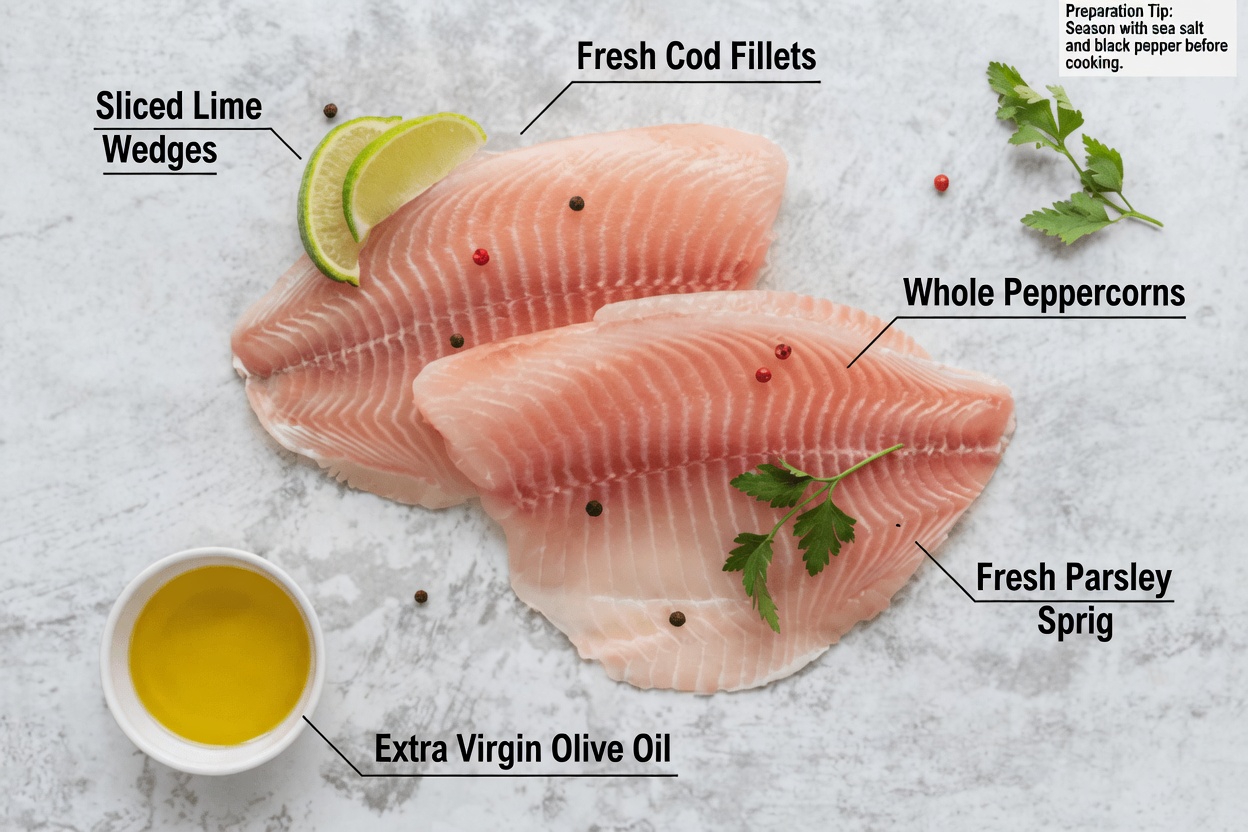
3. Tilapia: A Lean White Fish Option
Tilapia is a mild white fish that provides roughly 22 grams of protein per 100-gram serving. It contains about 170 mg of phosphorus, which is lower than many richer fish options such as salmon. When prepared fresh, it is also naturally low in sodium.
In addition, tilapia contains selenium, a mineral connected with antioxidant support in broader nutrition research. Its neutral flavor makes it easy to pair with vegetables, rice, or salads.
Why tilapia is worth considering:
- Lean, high-protein fish
- Lower phosphorus than some other seafood choices
- Naturally low in sodium when fresh
- Mild taste that works in many recipes

4. Quinoa: A Grain With Complete Protein
The fourth option surprises many people because it is not meat, fish, or soy. Quinoa is a grain-like seed that offers complete protein, making it a valuable addition to kidney-friendly meal planning. One cooked cup contains about 8 grams of protein along with fiber, which may help bind certain compounds in the digestive tract.
When rinsed well, quinoa often contains less potassium and phosphorus than many beans. Rinsing under cold water for around two minutes can reduce bitterness and may also lower mineral content by up to 20%.
Reasons quinoa can be useful:
- Complete protein from a grain source
- Adds fiber to meals
- Often lower in potassium and phosphorus than many legumes
- Easy to use in bowls, salads, or side dishes
6 Protein Sources to Watch More Carefully
Some protein foods seem healthy at first glance but may contain high amounts of sodium, potassium, phosphorus additives, or a stronger acid load. These options may require portion control, label reading, or occasional substitutions.
1. Turkey Bacon
Turkey bacon is often viewed as a lighter alternative to regular bacon, but many brands contain large amounts of sodium and added phosphates even in small servings.
2. Red Lentils
Red lentils offer plant protein, but one cooked cup can also bring a considerable amount of potassium and phosphorus. They may still fit into some plans, but portions often need attention.
3. Hot Dogs and Other Processed Meats
Processed meats are among the most important foods to monitor. They are commonly high in sodium, nitrates, and phosphate additives, and these added phosphates are absorbed very efficiently by the body.
4. Whey Protein Isolate Supplements
Protein powders may seem convenient, but whey isolate can deliver a concentrated protein load that may quickly raise nitrogen waste. For some people, whole-food protein sources are the safer first choice.
5. Canned Black Beans
Black beans contain beneficial nutrients, but canned versions often come with extra sodium from processing in addition to naturally occurring potassium. Rinsing helps, but they may still require moderation.
6. Red Meat or Beef Steak
Red meat is a dense source of protein, but it also tends to come with a higher acid load and phosphorus that is readily absorbed. Depending on kidney health needs, it may be better reserved for smaller portions or less frequent meals.
Quick Protein Comparison Chart
| Protein to Monitor | Main Concern | Better Swap |
|---|---|---|
| Turkey bacon or hot dogs | High sodium and phosphate additives | Egg whites |
| Red lentils or canned beans | Higher potassium and phosphorus | Quinoa or rinsed white rice |
| Whey protein isolate | Concentrated nitrogen load | Firm tofu |
| Red meat steak | Higher acid load and absorbable phosphorus | Tilapia or egg whites |
Knowing which foods to limit is helpful, but turning that knowledge into daily habits is what makes the biggest difference.
Practical Tips for Choosing Protein More Wisely
You do not need to completely rebuild your kitchen to make better protein choices for kidney health. A few small habits can go a long way.
- Read ingredient labels and look for words like phosphate or phos
- Rinse grains and canned foods thoroughly before cooking or eating
- Choose fresh, minimally processed protein foods most of the time
- Keep portions moderate, often around 2 to 3 ounces per meal for many people in earlier stages of kidney concerns
- Pair protein with low-potassium vegetables to create a more balanced plate
- Notice how you feel after meals for a week or two, especially when rotating among egg whites, tofu, tilapia, and quinoa
Even modest changes can become meaningful when repeated consistently.
A Simple 30-Day Protein Plan to Get Started
Use this flexible guide as a basic framework. Your own lab work and dietitian's advice should always come first.
| Week | Daily Protein Focus | Possible Benefit |
|---|---|---|
| 1 | Egg white breakfast and tofu lunch | Easy routine with familiar textures |
| 2 | Add tilapia twice during the week | More variety without major changes |
| 3 | Swap some beans or rice meals for quinoa | Extra fiber and complete protein |
| 4 | Review portion sizes and check in with your care team | Better understanding of what works for you |
The goal is not perfection. It is building a routine you can realistically follow.
One Small Habit That May Help
Some renal nutrition professionals suggest adding a little lemon juice or vinegar to protein-based meals. In some cases, these natural acids may help the body process protein waste more comfortably. It is a simple, low-cost change that can also improve flavor.
Frequently Asked Questions About Protein and Kidney Health
Is protein always bad for people with kidney concerns?
No. Protein is still essential for overall health. The key is choosing the right amount and the right sources for your specific stage of kidney health and your lab results.
Can I still use protein supplements?
Some people can, but many dietitians prefer a food-first approach using options like egg whites or tofu before adding powders. Always speak with your healthcare provider before starting protein supplements.
How can I know exactly how much protein I need?
The safest approach is personalized guidance. A nephrologist or registered renal dietitian can calculate your ideal intake based on your body weight, kidney condition, and blood test results.
Final Thoughts
Choosing protein carefully is one of the most practical ways to support a kidney-friendly lifestyle. By focusing on four commonly recommended options, such as egg whites, firm tofu, tilapia, and quinoa, and by keeping an eye on six protein sources that may be harder on the body, you create a clearer and more manageable plan for everyday eating.
Small, steady adjustments are often the easiest to maintain over time. Starting with just one smart swap this week can make meals feel less stressful and more confident moving forward.
This article is for informational purposes only and is not a substitute for professional medical advice. Always consult your nephrologist or registered dietitian for recommendations based on your kidney health stage, lab values, and overall treatment plan. Individual needs can vary significantly, and what works for one person may need to be adjusted for another.