Creatinine at 7.1 mg/dL: Why It Feels Scary and What Kidney-Friendly Fat Choices Can Do
Seeing a creatinine result rise to 7.1 mg/dL can be deeply unsettling. Numbers that high often suggest the kidneys are having trouble filtering waste effectively, which may come with symptoms like fatigue, fluid retention, and other health issues that affect everyday life. Still, in some situations, creatinine can fall quickly once the underlying problem is treated, showing how much kidney function can improve when the cause is reversible.
There is also a positive takeaway: daily food choices can help support both kidney and heart health. That connection matters because the heart and kidneys work closely together. In this article, you’ll learn about four fats commonly considered better options in kidney-friendly eating plans, along with four fats that are best limited. At the end, you’ll also find one easy food swap that is simple, flavorful, and practical.
When Creatinine Falls Fast: The Larger Kidney Health Story
A rapid drop in creatinine, such as from 7.1 to 0.9 mg/dL within a few days, is usually seen in acute medical conditions. One common example is a temporary urinary blockage caused by kidney stones or an enlarged prostate. When urine flow is blocked, waste products build up quickly. After doctors remove or treat the obstruction, the kidneys may begin clearing toxins normally again, and creatinine can return to a much safer range.
This type of improvement shows how resilient the kidneys can be when the issue is temporary and treatable. However, it also underscores the need for prompt medical evaluation. Chronic kidney disease follows a different pattern and usually requires long-term management through diet, lifestyle, and medical care. No single fat or food can suddenly correct creatinine levels, but choosing healthier fats may help reduce inflammation and support circulation, both of which are important for long-term kidney and cardiovascular health.
4 Better Fat Choices for a Kidney-Friendly Diet
These fats are generally rich in unsaturated fats, which are often linked with healthier cholesterol levels and reduced inflammation.
1. Olive Oil: A Reliable Everyday Option
Extra virgin olive oil adds depth and flavor to meals, whether used in salad dressings, drizzled over vegetables, or added to light sautéing. For many people with kidney concerns, it becomes a staple in the kitchen.
Its main advantage is its high monounsaturated fat content, which supports blood vessel health and helps maintain a healthier cholesterol profile. It is frequently included in kidney-conscious, heart-supportive meal patterns for its anti-inflammatory benefits.
2. Canola Oil: Mild, Flexible, and Cooking-Friendly
Canola oil has a neutral taste and handles higher cooking temperatures well, making it useful for roasting, baking, and stir-frying. Because it does not overpower food, it fits easily into many everyday meals.
It contains both monounsaturated and polyunsaturated fats, making it a practical choice for supporting heart health while keeping meals balanced. It is also commonly considered appropriate for a wide range of kidney-friendly eating plans.
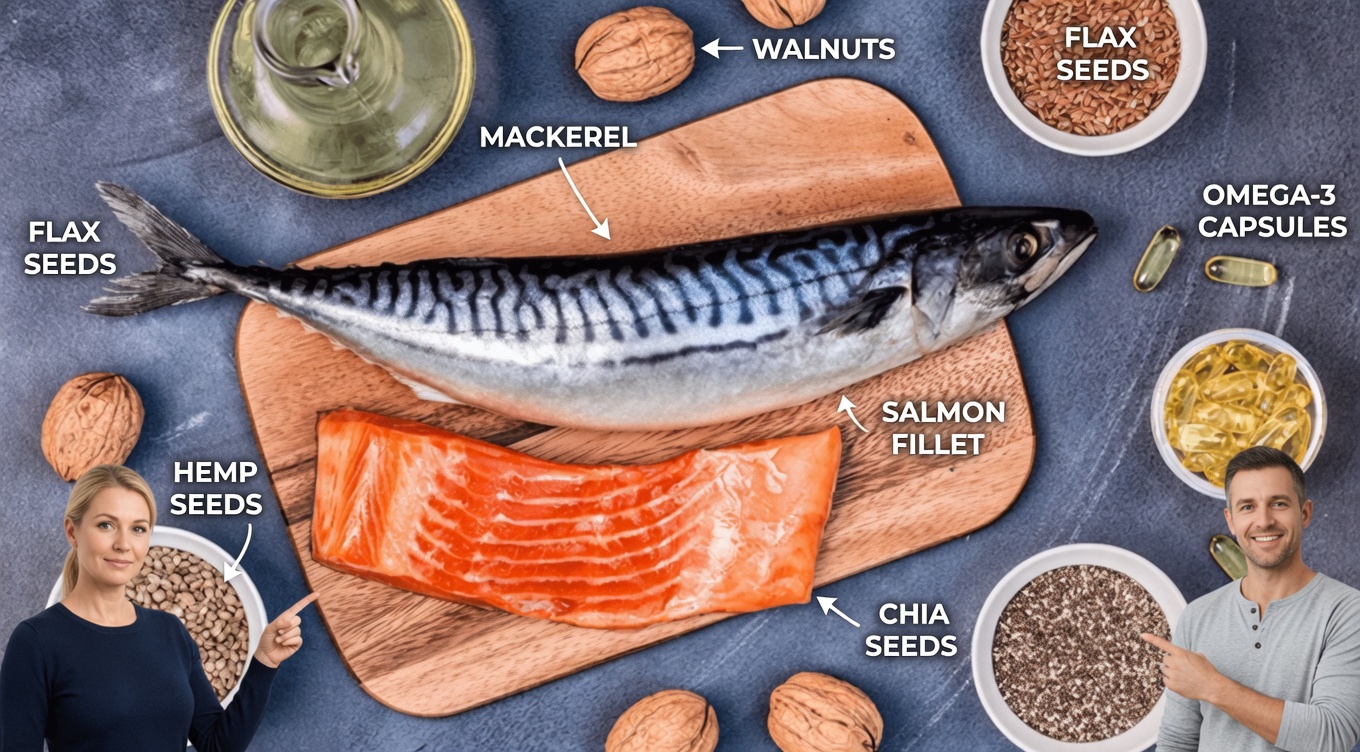
3. Omega-3 Fats from Fish Like Salmon or Mackerel
Fatty fish provide omega-3 fatty acids, which are well known for their role in lowering inflammation. Since kidney problems often occur alongside cardiovascular concerns, these fats can be especially valuable.
Including fish such as salmon or mackerel once or twice per week may be helpful, as long as it aligns with your phosphorus and potassium goals. Grilled, baked, or broiled fish is usually a better option than frying.
4. Avocado: Rich Texture in Moderate Portions
Avocado offers a creamy texture that can replace less healthy spreads or toppings. A few slices in a salad or a thin layer on whole-grain toast can add satisfaction without relying on dairy-based fats.
The monounsaturated fats in avocado may help with cholesterol management, making it a smarter alternative to many saturated fat sources. Portion size still matters, especially for people monitoring potassium intake.
4 Fats to Limit for Better Kidney and Heart Support
Some fats can worsen cholesterol levels, increase inflammation, or add to the body’s overall strain when kidney function is already compromised.
1. Saturated Fats in Butter and Full-Fat Dairy
Butter, cream, full-fat cheese, and similar foods are high in saturated fat. Over time, these fats can raise LDL cholesterol and contribute to blood vessel problems. Because kidney health is so closely tied to heart health, reducing these foods is often recommended.
2. Trans Fats in Fried and Processed Foods
Packaged baked goods, fried fast foods, and some snack products may contain trans fats or partially hydrogenated oils. These fats are among the least healthy because they can damage cholesterol balance and promote inflammation.
Reading ingredient labels is important. If you see “partially hydrogenated oil,” it is best to avoid that product.
3. Saturated Fats in Red Meat and Processed Meat
Foods like bacon, sausage, and fatty cuts of beef may be high in saturated fat, sodium, and sometimes phosphorus. Eating them too often can increase cardiovascular burden and make kidney-friendly meal planning more difficult.
Cutting back on these meats can support better overall health and reduce unnecessary dietary stress.
4. Coconut Oil and Palm Oil in Large Amounts
Coconut oil and palm oil are often marketed as natural options, but they are still high in saturated fat. Although some opinions differ, most kidney-supportive nutrition guidance suggests using them sparingly and favoring unsaturated oils more often.
Safe Fats vs. Fats to Limit: A Quick Overview
Here is a simple comparison to make shopping and meal planning easier.
Better Choices
- Monounsaturated fats: olive oil, canola oil, avocado
- Help support blood vessels
- May lower LDL cholesterol
- Polyunsaturated fats and omega-3s: salmon, mackerel, other fatty fish
- Help reduce inflammation
- Support heart health
Fats to Limit
- Saturated fats: butter, full-fat dairy, red meat
- Can raise LDL cholesterol
- May contribute to artery buildup
- Trans fats: fried foods, processed snacks, some baked goods
- Harm cholesterol levels
- Increase inflammation
Easy Ways to Start Choosing Healthier Fats
You do not need to change everything at once. A few small steps can make a meaningful difference.
- Use olive oil instead of butter for cooking vegetables or dressing salads.
- Bake, roast, or grill foods rather than frying them.
- Check packaged foods for partially hydrogenated oils.
- Ask a renal dietitian for guidance based on your lab results and kidney needs.
These changes are manageable, and they can improve both flavor and overall nutrition.
Final Thoughts: Small Fat Choices Can Support Long-Term Kidney Health
A dramatic improvement in creatinine can be a reminder that kidneys sometimes recover well when the right medical treatment is given. At the same time, long-term kidney support depends on consistent habits. While fats alone do not determine kidney function, choosing more unsaturated fats can help protect the heart-kidney connection, reduce inflammation, and support better overall health.
One easy place to start is replacing butter with olive oil. Adding fresh lemon juice to olive oil can create a simple, flavorful dressing without extra sodium.
Frequently Asked Questions
What makes some fats better for kidney health?
Unsaturated fats, such as those found in olive oil, canola oil, avocado, and fatty fish, are generally preferred because they support healthier cholesterol levels and may reduce inflammation. This makes them a better fit for heart- and kidney-conscious eating plans.
Can I still eat fats if I have kidney problems?
Yes. Fat is still part of a balanced diet. The key is choosing healthier sources and keeping portions appropriate. Unsaturated fats are usually the better option, while saturated and trans fats should be limited.
How can I know which fats are right for me?
Your ideal diet depends on factors like kidney function, lab values, medications, and other health conditions. A doctor or renal dietitian can help create a personalized plan that matches your specific situation.
Disclaimer
This article is for general informational purposes only and is not medical advice. Always speak with your doctor or qualified healthcare provider before making changes to your diet or treatment plan.