
Everyday Medications: What to Know Before You Reach for the Usual Options
Many people rely on familiar medicines to manage day‑to‑day issues like headaches, heartburn, or stress—often without thinking much about it. Over weeks, months, or years, those “simple fixes” can become a routine that quietly shapes your health, especially if they aren’t reviewed regularly with a healthcare professional.
Even the most commonly used treatments have benefits and risks that can look very different from one person to another. Understanding how they work, and how they might affect you over time, can change the way you approach your entire health plan.
Stay with this guide to the end to discover practical steps that can help you feel more prepared and confident when talking about medications with your doctor.

Acetaminophen: A Common Choice for Pain and Fever
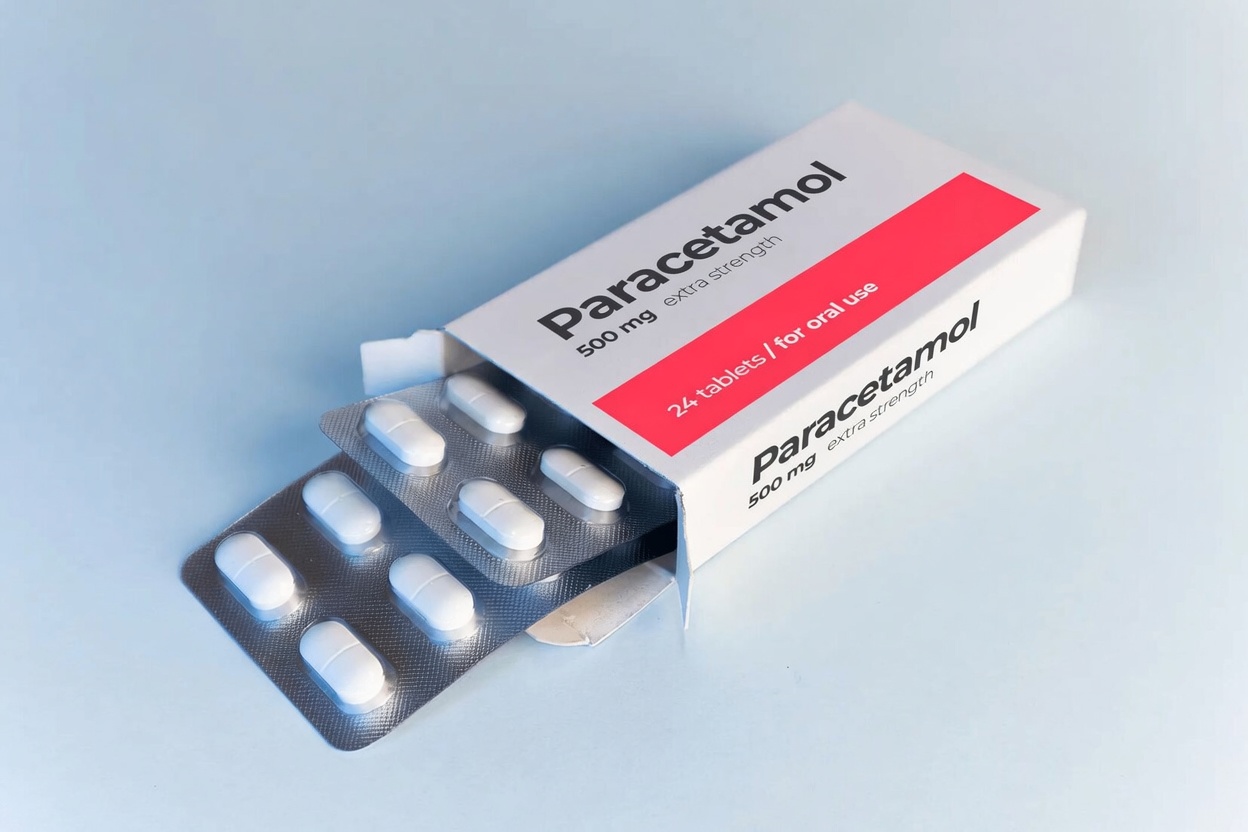
Acetaminophen is one of the most frequently used over‑the‑counter remedies worldwide. It’s often chosen to:
- Ease mild to moderate pain
- Reduce fever
- Provide relief without upsetting the stomach as much as some other options
However, acetaminophen is processed mainly through the liver. Clinical research has shown that:
- Taking more than the recommended dose
- Using several products that contain acetaminophen at the same time
can increase stress on the liver and may lead to liver damage in some people.
This is especially important if you drink alcohol, even socially, or take other prescription or nonprescription medications that also affect the liver.
Smart Habits for Using Acetaminophen
- Read every label carefully. Cold and flu remedies, headache products, and sleep aids may all contain acetaminophen.
- Use the lowest dose that works. Don’t assume more will work better or faster.
- Follow the daily maximum set by your doctor or pharmacist. Never exceed their guidance.
One key takeaway: it’s surprisingly easy to go over the safe daily limit without realizing it when you use multiple products.
NSAIDs (Like Ibuprofen and Naproxen): Targeting Pain and Inflammation
Nonsteroidal anti‑inflammatory drugs (NSAIDs), such as ibuprofen and naproxen, are widely used to manage:
- Muscle and joint pain
- Headaches and migraines
- Menstrual cramps
- Minor injuries or inflammation
They often work quickly and effectively for many people. However, research has linked long‑term or high‑dose use in some individuals to:
- Irritation or damage to the stomach lining
- Increased risk of stomach ulcers or bleeding
- Potential effects on kidney function
Older adults, people with kidney or heart conditions, or those taking blood thinners are often given extra precautions when using NSAIDs.
Many people take these medications almost daily without realizing how hydration, diet, and existing medical conditions can influence their safety.
Practical Tips for NSAID Use
- Take with food or milk to help protect the stomach.
- Stay well‑hydrated throughout the day to support kidney function.
- Avoid ongoing daily use unless your provider specifically recommends it. Use them for the shortest duration needed.
Remember, these steps are only part of the picture when it comes to overall digestive and kidney health.
Proton Pump Inhibitors (PPIs): Long-Term Heartburn and Reflux Relief
Proton pump inhibitors (PPIs), such as omeprazole, are commonly used to manage:
- Frequent heartburn
- Chronic acid reflux (GERD)
- Certain stomach and esophageal conditions related to acid
They work by significantly reducing stomach acid production, which can bring powerful and often rapid relief.
However, studies suggest that staying on PPIs for many months or years without medical review may be associated with:
- Changes in the absorption of certain nutrients (like magnesium or vitamin B12)
- A higher risk of some gastrointestinal infections in certain people
Because they are so effective, many people continue them far longer than originally intended.
Questions to Discuss With Your Provider About PPIs
- Could lifestyle or diet changes help? For example, adjusting meal timing, avoiding trigger foods, or elevating the head of the bed.
- Is my current dose still appropriate? Sometimes a lower dose is enough once symptoms stabilize.
- When should we reassess my treatment? Ask about a timeline for reviewing whether tapering or discontinuation makes sense.
Simple shifts in daily habits, combined with medical guidance, may reduce the need for long‑term medication in some cases.
Statins: Supporting Cholesterol and Heart Health
Statins are among the most commonly prescribed drugs for managing:
- High cholesterol levels
- Cardiovascular risk in people with existing heart disease or at higher risk of developing it
Extensive research has demonstrated that statins can be very effective in lowering certain types of cholesterol and supporting long‑term heart health for appropriate patients.
At the same time, clinical reports show that some individuals experience:
- Muscle aches or weakness
- Mild changes in liver enzymes
- Other less common side effects
Because of this, regular follow‑up appointments and lab tests are typically recommended.
The encouraging news: lifestyle changes—such as improved nutrition, increased physical activity, and weight management—often work hand‑in‑hand with statins to support better overall cardiovascular health.
Benzodiazepines: Short-Term Help for Anxiety and Sleep
Benzodiazepines are medications sometimes prescribed for:
- Short‑term anxiety relief
- Acute stress reactions
- Occasional, short‑term sleep difficulties
They can offer rapid calming effects and may be helpful during brief, particularly challenging periods.
However, long‑term use has been associated with:
- Dependence and withdrawal symptoms when stopping
- Possible effects on memory and concentration
- Increased risk of falls, especially in older adults
Because of these concerns, most healthcare professionals recommend benzodiazepines:
- At the lowest effective dose
- For the shortest duration possible
- With regular monitoring and a clear plan for reassessment
Lifestyle Approaches That May Complement Treatment
Non‑medication strategies can be powerful helpers alongside, or sometimes instead of, benzodiazepines:
- Establish a consistent bedtime routine, limiting screens and stimulating activities before sleep.
- Use relaxation techniques, such as deep breathing, mindfulness, or gentle stretching.
- Stay active during the day, which can support both mood and sleep.
- Schedule regular check‑ins with your provider to reassess whether medication is still needed.
Action Steps: Using Any Medication More Mindfully
Understanding your medicines is only the first step—how you use that knowledge in daily life is what truly matters. Here are simple practices you can start right away:
- Maintain a complete medication list. Include prescriptions, over‑the‑counter products, vitamins, and supplements, and bring it to every medical visit.
- Plan a yearly medication review. Set a reminder to go through all your medicines with your doctor or pharmacist at least once a year—or more often if your health changes.
- Track new or unusual symptoms. Use a notebook or app to record when symptoms appear, how long they last, and which medications you’re taking.
- Explore non‑drug strategies. Balanced nutrition, regular movement, stress management, and good sleep habits can all reduce your reliance on medications in some situations.
These small habits help you stay informed, engaged, and better equipped to partner with your healthcare team.
Learning how these common medications work—and what to watch for—enables you to make choices that better match your body, your lifestyle, and your long‑term goals. Often, modest adjustments and regular check‑ins with professionals can make a meaningful difference in your daily comfort and peace of mind.
FAQ
1. Can I stop taking one of these medications on my own if I’m worried?
No. Do not stop, start, or change the dose of any medication without medical advice. Suddenly stopping some drugs can cause withdrawal symptoms or other complications. Your doctor can help you decide whether a change is needed and plan a safe way to adjust.
2. Are there lifestyle changes that might reduce my need for these medications?
Yes. Many people benefit from tailored changes in diet, physical activity, weight management, sleep habits, and stress reduction. Talk with your healthcare provider about what might be realistic and helpful for your specific situation.
3. How do I know if a medication is still the right choice after I’ve been on it for months?
Book a dedicated appointment to review your medications. Your provider may:
- Ask about symptom changes
- Check vital signs or lab results
- Reevaluate doses
- Suggest alternatives or adjustments if needed
Regular reassessment ensures your treatment plan continues to match your current health needs.
Disclaimer: This article is for informational purposes only and does not replace professional medical advice, diagnosis, or treatment. Always consult your doctor or another qualified healthcare provider before starting, stopping, or changing any medication. Individual needs vary, and personalized guidance is essential.