Chia Seeds: 5 Soaking Mistakes That May Be Causing Bloating
Chia seeds are widely praised for their strong nutritional value. They offer fiber, omega-3 fatty acids, and plant-based protein, which is why they appear in so many wellness-focused diets. Even so, many people notice bloating, heaviness, or digestive discomfort after adding them to their routine. In many cases, the issue is not the chia seeds themselves, but the way they are prepared—especially how they are soaked.
A few small changes can have a big impact on how comfortably your body handles chia seeds. Below are five common soaking mistakes people make, along with simple fixes. At the end, you will also find a practical tip that can completely improve the way you use chia seeds.
Why Properly Soaking Chia Seeds Matters
Chia seeds can absorb a large amount of liquid and develop a gel-like texture. That quality makes them useful in puddings, drinks, smoothies, and other recipes. But if they expand after you eat them rather than before, some people may experience fullness or digestive discomfort.
Studies on fiber-rich foods suggest that introducing them slowly and preparing them correctly can help the digestive system adjust more easily. That is why soaking is so important. The problem is that many people make preparation mistakes without knowing it.

Mistake #1: Soaking for Too Little Time or Eating Them Dry
One of the most common mistakes is cutting the soaking time short—or skipping it entirely. Chia seeds can grow to around 10 to 12 times their original size when they absorb liquid. If that swelling happens in your digestive tract instead of in a container, it may lead to an uncomfortable heavy sensation.
Many nutrition experts warn that eating dry chia seeds may increase the chance of this kind of expansion happening after consumption.
How to fix it
- Soak chia seeds for at least 15 to 30 minutes.
- For better texture and hydration, leave them for 2 hours or overnight in the refrigerator.
This step alone can make a noticeable difference. But soaking time is only part of the equation.
Mistake #2: Using the Wrong Chia-to-Liquid Ratio
If you use too many seeds and not enough liquid, the mixture becomes overly thick and may not hydrate evenly. If you add too much liquid, the result can feel thin and unappealing.
A common guideline is about 1 tablespoon of chia seeds per 1 cup of liquid for a drinkable texture. In general, a 1:10 ratio works well for proper hydration and gel formation.
Recommended ratios
- For chia pudding: 1 part chia seeds to 4 to 6 parts liquid
- For chia water: 1 to 2 tablespoons of seeds per 8 to 12 ounces of liquid
Using the right ratio helps ensure the seeds fully absorb moisture before you consume them.
Mistake #3: Not Stirring While They Soak
If you have ever found a thick clump of chia at the bottom of a glass or jar, poor mixing is likely the reason. Chia seeds naturally stick together when they first meet liquid. Without stirring, some remain dry while others absorb too much.
This leads to an uneven texture and a less enjoyable result overall.
Easy fix
- Stir well immediately after combining the seeds and liquid.
- Stir again every 5 minutes during the first 15 to 20 minutes.
- Use a fork or whisk to break up clumps more effectively.
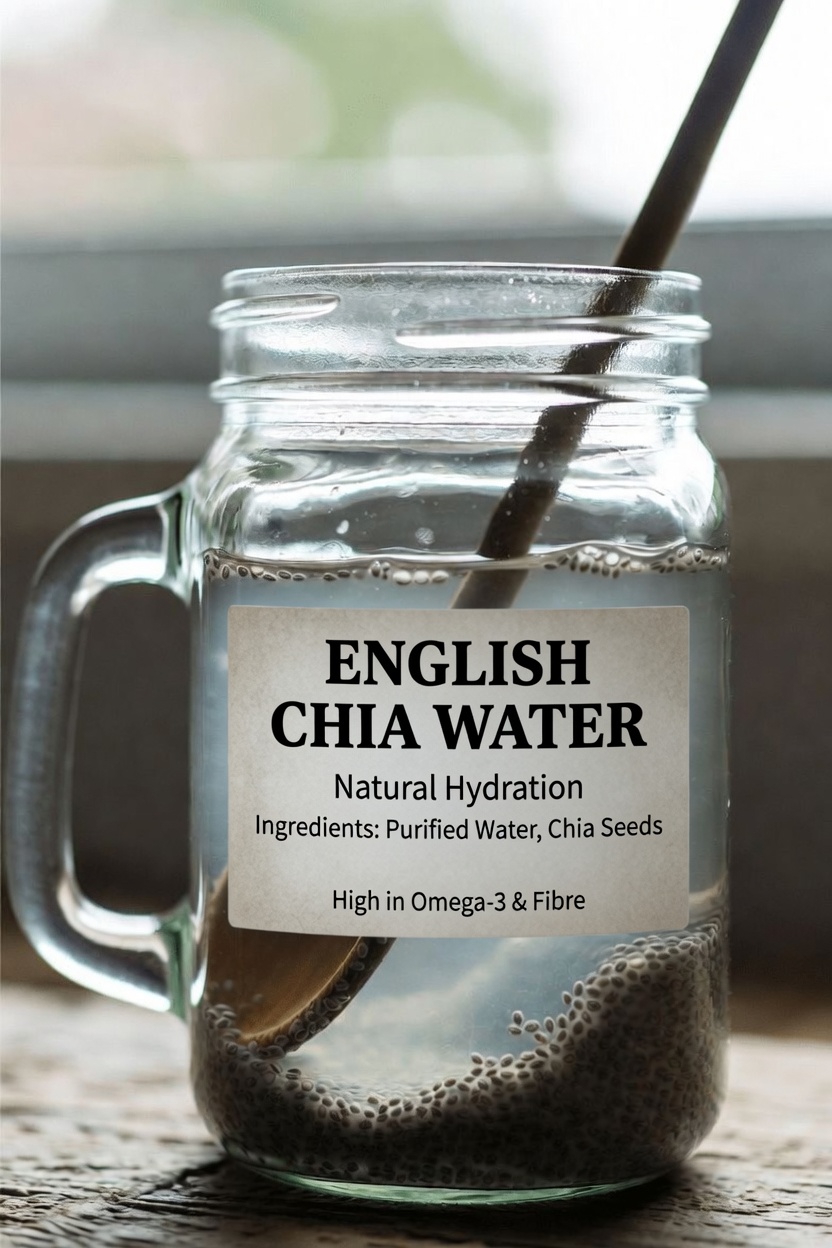
Mistake #4: Picking the Wrong Liquid or Using the Wrong Temperature
The liquid you choose can affect how well chia seeds soak. Very cold water may slow down the absorption process, while extremely hot liquids may interfere with some of the more delicate nutrients.
Room-temperature or slightly warm liquid usually helps the seeds expand more evenly. Good options include plain water, almond milk, coconut water, or fruit juice if you want extra flavor.
Tips for choosing the best liquid
- Use filtered water if you want a neutral base.
- Try plant-based milk for a creamier consistency.
- Avoid very hot liquids if you want to maintain nutritional quality.
Even after the seeds are soaked, storage habits still matter.
Mistake #5: Ignoring Portion Size, Hydration, and Timing
Another frequent mistake is starting with too much chia too quickly or forgetting to increase water intake during the day. Because chia seeds contain a high amount of fiber, your body needs enough fluids to process them comfortably.
Nutrition professionals often recommend beginning with just 1 teaspoon per day, then increasing gradually as your body adjusts.
Better daily habits
- Start with a small amount and monitor how you feel.
- Make sure you drink enough water throughout the day.
- Eat your soaked chia within a reasonable period after preparing it.
These simple habits can help reduce discomfort and make chia seeds easier to enjoy regularly.
The Real Benefit of Soaking Chia Seeds the Right Way
When prepared properly, chia seeds are often much easier to include in a daily routine. Their gel texture can make them more satisfying and more versatile in foods like smoothies, overnight oats, puddings, and flavored drinks.
Some research on soluble fiber suggests that pre-hydrated fiber sources may support a more comfortable digestive experience for many people. In other words, the effort you put into soaking can directly affect how enjoyable chia seeds feel to eat.
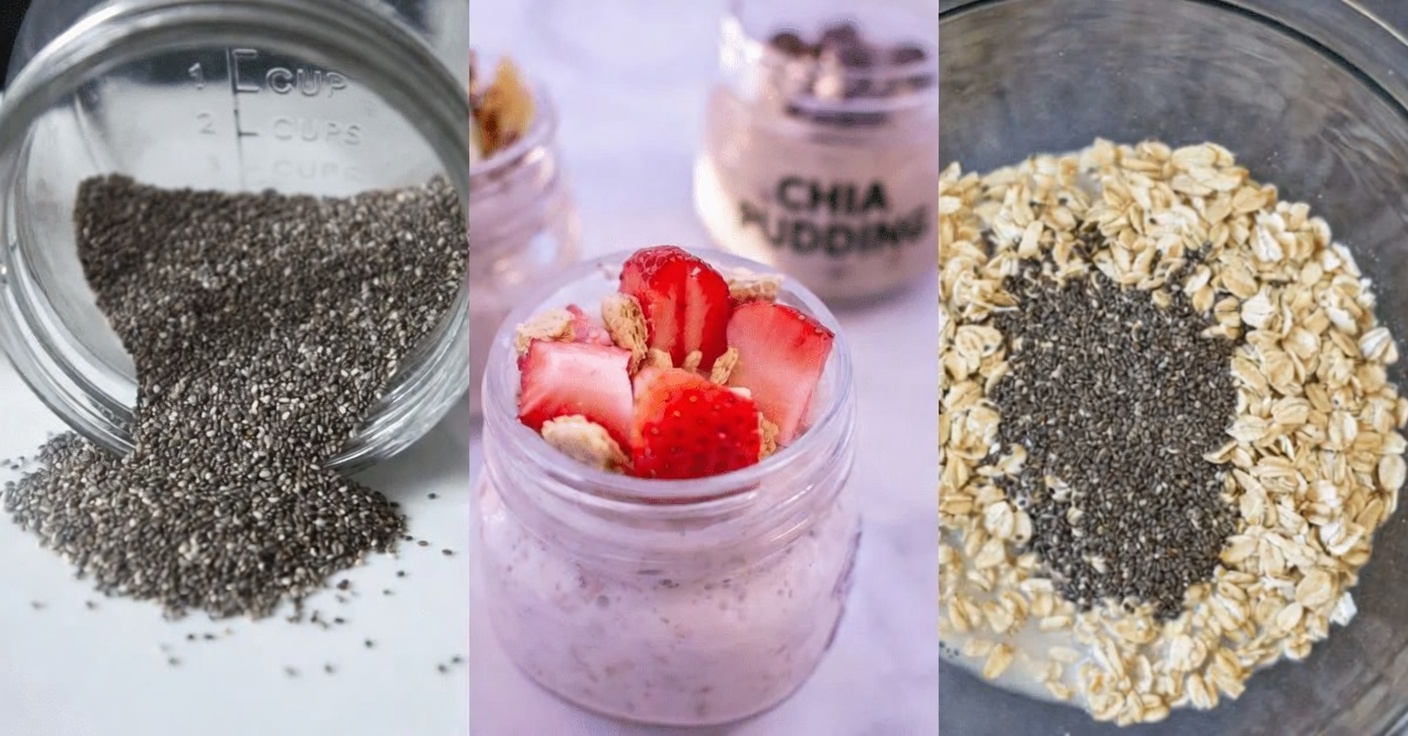
Step-by-Step: How to Soak Chia Seeds Correctly
If you want consistent results, follow this simple method:
- Measure your chia seeds and liquid using an appropriate ratio.
- Add both to a bowl, cup, or jar.
- Stir thoroughly for 1 to 2 minutes.
- Let the mixture rest for at least 15 minutes, stirring occasionally.
- Refrigerate it if you plan to soak it for more than 30 minutes.
- Eat within 24 hours for the freshest taste and texture.
Many people find that preparing chia in advance makes it easier to stay consistent and saves time during the week.
Frequently Asked Questions About Soaked Chia Seeds
How long do soaked chia seeds last?
Soaked chia seeds usually keep well in an airtight container in the refrigerator for up to 5 days. Before eating, check for any unusual smell or change in quality.
Can everyone eat chia seeds?
Many people tolerate chia seeds well, but it is best to introduce them gradually. If you have specific medical conditions, digestive concerns, or dietary restrictions, speak with a qualified healthcare professional first.
What if I do not like the texture?
You can blend soaked chia into smoothies or mix it into baked recipes. Even if you do not enjoy the gel consistency on its own, soaking still helps with preparation and digestion.
Final Thoughts
Avoiding these five common chia seed soaking mistakes can greatly improve your overall experience. A few small adjustments in preparation—such as soaking long enough, using the right ratio, stirring properly, choosing the best liquid, and managing portions—can make chia seeds much easier to enjoy.
Disclaimer
This article is intended for informational and educational purposes only and should not be considered medical advice. Always consult a healthcare professional before making major dietary changes, especially if you have existing health conditions or take medication.