
Japanese Foods for Lasting Energy After 60
Many people over 60 notice a drop in energy and mobility. Everyday activities—climbing stairs, walking to the store, or playing with grandchildren—can start to feel demanding. This gradual loss of ease often brings frustration and a sense of reduced independence.
Yet Japan’s oldest active fitness instructor, Mika Takishima, is still teaching group classes and living energetically in her 90s. One of her key strategies is a simple, consistent eating pattern centered on specific Japanese foods.
What if incorporating these same Japanese foods into your routine could help you feel more steady, mobile, and vibrant? Below you’ll find the five Japanese foods Mika relies on every day, plus straightforward ideas to try them yourself.

How Mika Takishima Uses Japanese Foods to Stay Vibrant
Mika Takishima did not grow up as an athlete. She began exercising in her 60s and has since become a global inspiration as Japan’s oldest fitness instructor. She walks several kilometers each morning and leads fitness classes while many her age struggle with stiffness, fatigue, or joint discomfort.
Her approach is surprisingly down to earth. Rather than exotic superfoods or complicated diets, she builds her routine around everyday Japanese foods:
- Fermented foods that supply probiotics
- Fresh and seasonal vegetables
- Balanced sources of plant and animal protein
Patterns like these traditional Japanese foods are often associated in research with better gut health, more stable energy, and overall well-being.
Let’s look at the five Japanese foods she includes every single day—starting with the one many people overlook.

The 5 Japanese Foods Mika Eats Daily
Food #5: Natto – Fermented Soybeans for Gut and Circulation Support
Natto, a traditional fermented soybean dish, appears on Mika’s breakfast table every day. Its sticky texture and strong aroma can be surprising at first, but it’s a nutritional powerhouse.
- Natto contains probiotics and natural enzymes that may support digestion and healthy circulation.
- It provides minerals such as manganese and is one of the richest food sources of vitamin K2, often studied for its role in bone and heart health.
Many adults feel heavy or tired after breakfast. A small serving of natto over warm rice can be a light, satisfying alternative.
How Mika uses it:
- Mixed with rice for a quick, simple breakfast
- Combined with condiments such as mustard or soy sauce
- Topped with chopped green onions to soften the flavor
If you’re new to natto, start with a small portion and experiment with toppings until your taste buds adjust.

Food #4: Yogurt – Creamy Probiotic Support
Yogurt also plays a central role in Mika’s mornings. While yogurt isn’t unique to Japan, it fits seamlessly into her Japanese-style routine.
- Plain or lightly sweetened yogurt supplies calcium to support bones.
- Live cultures in yogurt may help maintain a healthy gut microbiome, which is linked to steadier energy and mood.
- B vitamins in yogurt are involved in energy metabolism and brain function.
Afternoon crashes are common, especially in older adults. A serving of yogurt at breakfast or as a snack can offer gentle, sustained support without the jitters of extra coffee.
How Mika uses it:
- Eaten alongside other breakfast items for a balanced meal
- Sometimes combined with fruit or a drizzle of honey
- Kept simple and minimally processed
For your own routine, choose plain yogurt with live cultures and adjust sweetness with fruit or a small amount of honey if needed.
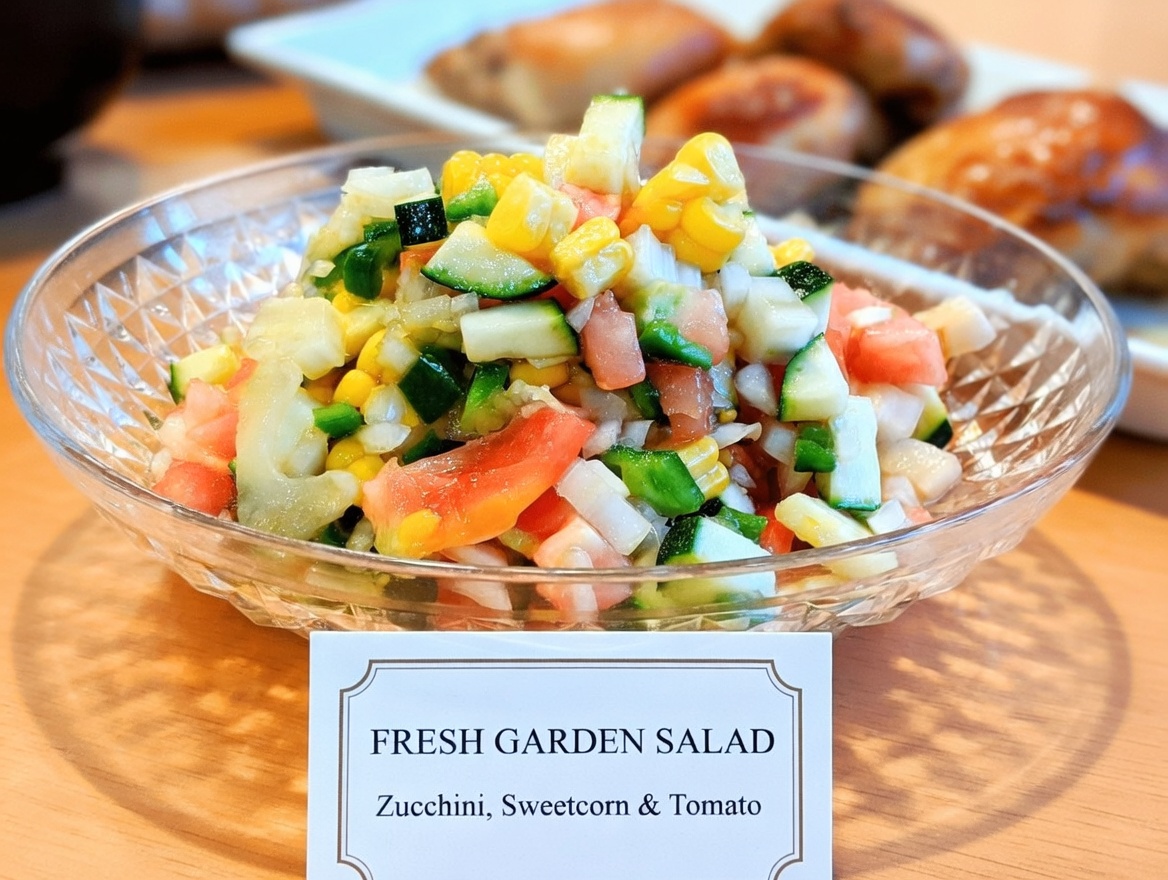
Food #3: Seasonal Vegetables – Color, Fiber, and Antioxidants
Seasonal vegetables are a non‑negotiable part of Mika’s daily Japanese foods. She focuses on variety and freshness rather than complex recipes.
Colorful vegetables such as:
- Broccoli
- Tomatoes
- Cucumbers
- Pickled vegetables (tsukemono)
provide fiber, vitamins, minerals, and antioxidants. Research suggests that diets rich in diverse vegetables may support:
- Digestive regularity
- Healthy weight maintenance
- Cellular health and mobility
Limited vegetable intake often leads to sluggish digestion and a general feeling of heaviness, especially with age.
How Mika uses them:
- A mix of raw, lightly cooked, and fermented vegetables at breakfast
- Pickled vegetables for crunch and probiotics
- Seasonal choices to keep meals interesting and nutrient‑dense
Aim to include several different vegetables each day, focusing on color variety for broader nutritional coverage.

Food #2: Banana with Yakult – A Light, Probiotic Midday Combo
For lunch or a midday snack, Mika often reaches for a banana paired with a small probiotic drink such as Yakult.
This simple pairing provides:
- Potassium from the banana, which can help support normal fluid balance and blood pressure comfort
- Carbohydrates for quick, gentle energy
- Probiotic cultures from Yakult that may benefit digestion and immune function
Many people notice rising blood pressure concerns and strong afternoon energy dips as they age. This light combination is easy to digest and can feel refreshing instead of heavy.
How Mika uses it:
- A banana plus one probiotic drink as a simple lunch or snack
- Easy to carry and consume on busy days
- A convenient option when she doesn’t want a large meal
You can adapt this by using any reliable probiotic drink and ripe banana for a quick boost.
Food #1: A Balanced Dinner Plate – The Heart of Her Japanese Foods Routine
Mika’s evening meal is the cornerstone of her Japanese foods pattern. Her typical dinner plate is built from several key components:
- Grilled fish or chicken – for high-quality protein and, in the case of fatty fish, omega‑3 fatty acids
- Tofu – a versatile plant protein made from soybeans
- Fermented vegetables such as kimchi or Japanese pickles – for probiotics and flavor
- Miso soup – a traditional fermented soybean paste soup that adds warmth, hydration, and additional probiotics
This combination is satisfying yet not overly heavy, making it easier to wind down and sleep comfortably.
Research on similar Japanese‑style eating patterns suggests possible support for:
- Heart and metabolic health
- Joint and muscle comfort
- Overall longevity
How Mika uses it:
- Moderate portions of each item rather than one oversized dish
- A balance of animal and plant proteins
- Regular use of fermented foods in the evening
For your own dinner, aim for a mix of lean protein, tofu or beans, plenty of vegetables, and a fermented side or soup.
Western Habits vs. These Japanese Foods
The choices below illustrate how a Japanese‑style approach can complement or replace common Western habits.
| Aging Concern | Typical Western Option | Japanese Foods Approach | Potential Support Mentioned in Research |
|---|---|---|---|
| Muscle maintenance | Protein shakes | Natto and tofu | Protein plus vitamin K2 and fermentation synergy |
| Daily energy levels | Extra coffee or stimulants | Yogurt, banana, and probiotic drinks | More stable energy and gut-brain balance |
| Bone and joint health | Calcium-only supplements | Yogurt, natto, and a variety of vegetables | Broader mineral intake and supportive fermented foods |
These examples show how traditional Japanese foods can be woven into everyday routines without extreme dieting.
15 Ways These Japanese Foods May Support Daily Comfort
When combined, these Japanese foods create a pattern rich in probiotics, fiber, minerals, and antioxidants. Research on similar dietary styles suggests they may:
- Support smoother digestion and regularity
- Help maintain a healthier balance of gut bacteria
- Contribute to more stable daily energy levels
- Provide nutrients linked to bone and joint support
- Supply protein that helps preserve muscle as you age
- Offer omega‑3s that may benefit heart and brain health (from fish)
- Deliver antioxidants that help protect cells from everyday stress
- Support circulation comfort through fermented foods like natto
- Help manage post‑meal blood sugar responses when paired with fiber
- Encourage healthier body weight when combined with activity
- Support mood and mental clarity via the gut–brain connection
- Reduce feelings of heaviness after meals by emphasizing lighter dishes
- Promote better hydration when soups like miso are included
- Provide variety that keeps healthy eating enjoyable and sustainable
- Encourage consistent habits, which are key for long‑term vitality
The effectiveness of this pattern comes from how these foods work together in Mika’s daily life, not from any single “magic” item.
A Simple 7‑Day Starter Plan Inspired by Japanese Foods
You don’t need to copy Mika’s routine perfectly. Start small and build consistency. Many people notice digestive changes within a few weeks when adopting similar habits.
Sample Daily Menu Using These Japanese Foods
Morning
- A glass of water
- Light movement such as walking or gentle stretching
- Breakfast plate with:
- Natto over rice or with another grain
- A serving of plain yogurt
- One or two types of seasonal vegetables (fresh or pickled)
Midday
- Banana
- Probiotic drink such as Yakult (or a similar product available locally)
Evening
- Grilled fish or chicken
- Tofu (e.g., in a stir-fry or chilled with sauce)
- Kimchi or pickled vegetables
- Miso soup
- A side of leafy greens or mixed vegetables
Week 1 Shopping List for These Japanese Foods
- Natto (small packs)
- Plain yogurt with live cultures
- Fresh seasonal vegetables (broccoli, tomatoes, leafy greens, etc.)
- Bananas
- Probiotic drinks (Yakult or similar)
- Tofu
- Fish (such as salmon or mackerel) or chicken
- Kimchi or Japanese pickles
- Miso paste for soup
Most of these items are available at regular supermarkets, international aisles, or Asian grocery stores.

Check In: How Could These Japanese Foods Fit Your Life?
On a scale of 1–10, how would you rate your current daily energy and comfort?
After one week of incorporating even one or two of these Japanese foods, many people report feeling a bit more steady and less weighed down after meals.
Ask yourself:
- Which of these foods feels easiest to start with—natto, yogurt, vegetables, or the banana‑plus‑probiotic combo?
- What is one small change you can commit to this week?
Choose one habit, keep it simple, and give your body time to respond.
FAQ About These Japanese Foods
Where can I find these Japanese foods locally?
Natto, Yakult, miso, and Japanese pickles are often sold in Asian supermarkets or the international section of larger grocery stores. Yogurt, vegetables, tofu, and fish are widely available in most regions.
Can beginners start eating these Japanese foods at any age?
Yes. You can begin at any age. Start with small portions, especially of fermented foods, and increase gradually as your digestion and taste adjust.
Do these Japanese foods replace medical advice or treatment?
No. These foods provide general nutritional ideas and may support overall wellness, but they are not a substitute for medical care. Always consult your healthcare provider before making major diet or lifestyle changes, especially if you have existing conditions or take medications.
Ready to Experiment with Japanese Foods?
Mika Takishima’s experience shows that simple, consistent habits—especially around food—can support an active, engaged life well into your later years.
You don’t need to overhaul your entire diet at once. Begin with one or two of these Japanese foods, such as adding yogurt and vegetables to breakfast or enjoying a banana with a probiotic drink at midday. Over time, layering in more of these habits may help you feel lighter, more energized, and more confident in your daily movements.