5 Everyday Foods Experts Recommend Limiting to Help Lower Cancer Risk
Many people move through the day choosing quick meals and convenient snacks without thinking much about the long-term impact of those choices. Over time, certain dietary patterns may promote inflammation, weight gain, and other conditions that research has associated with a higher risk of serious diseases, including cancers.
The good news is that you do not need a perfect diet to support better health. Small, informed adjustments can have a meaningful effect on overall wellness and may help lower avoidable risk over time.
In this article, we’ll review five common foods and drinks that research has linked to increased cancer risk, along with simple, realistic alternatives you can start using right away. At the end, you’ll also find one easy daily habit that works especially well alongside these changes.
Understanding the Connection Between Diet and Cancer Risk
Studies from leading health organizations, including the International Agency for Research on Cancer (IARC), the American Cancer Society, and MD Anderson, show that diet plays an important role in long-term health. No single food directly causes cancer by itself, but regularly eating certain foods may raise risk when they become a major part of your routine.
This can happen in several ways, such as:
- Increasing chronic inflammation
- Contributing to excess body weight
- Exposing the body to potentially harmful compounds formed during processing or cooking
- Reducing intake of protective, nutrient-dense foods
The encouraging part is that healthier choices do not have to be bland, expensive, or complicated. With a few practical swaps, you can make your meals more supportive of your health without sacrificing flavor or convenience.
5 Foods Worth Limiting, According to Research
Below are five foods and beverages that stand out in the scientific literature. Here’s why experts pay attention to them and what you can choose instead.
1. Processed Meats
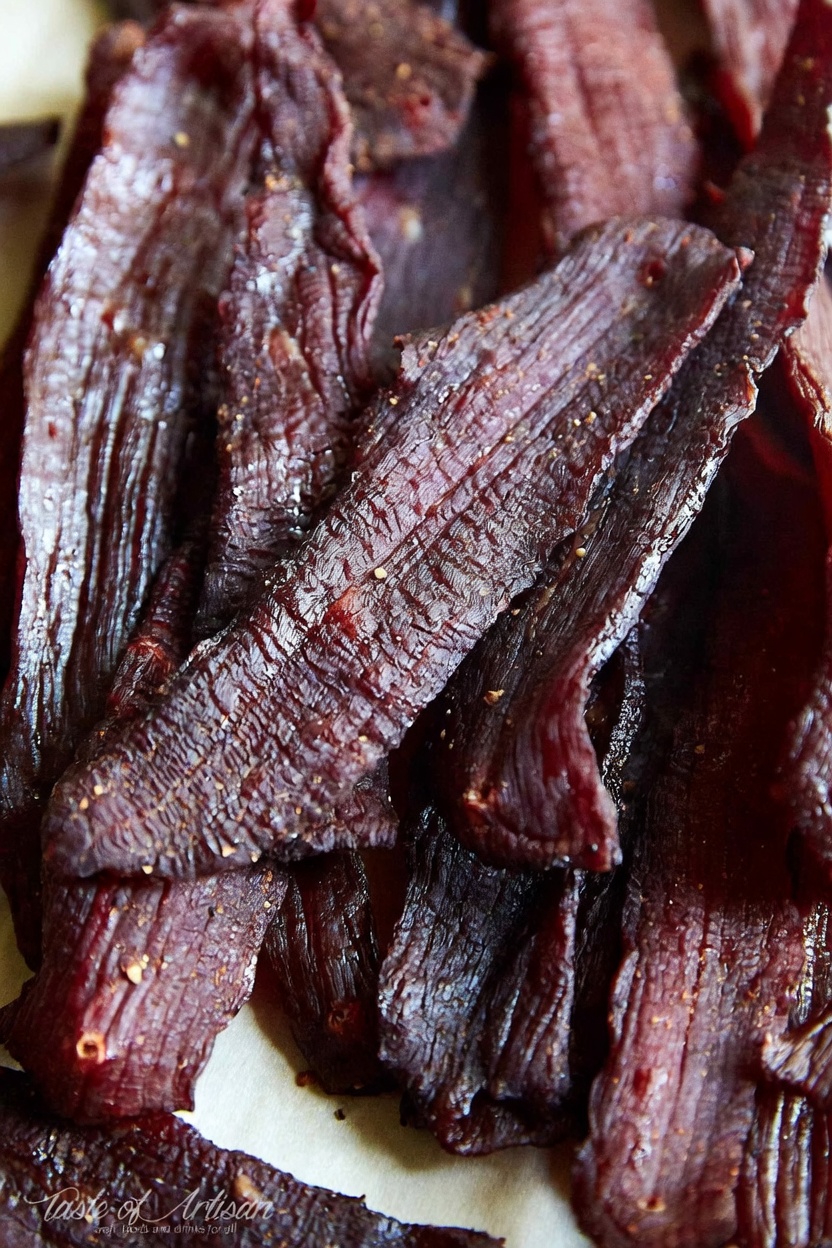
Processed meats are among the most researched foods in relation to cancer risk. This category includes:
- Bacon
- Sausages
- Hot dogs
- Pepperoni
- Ham
- Salami
- Smoked or canned meats
- Deli slices such as turkey or other lunch meats
The IARC classifies processed meat as a Group 1 carcinogen, meaning there is strong evidence linking regular consumption to a higher risk of colorectal cancer.
Why it matters
These products often contain:
- Nitrates and nitrites used for preservation
- High amounts of sodium
- Various additives and preservatives
Major reviews tied to the World Health Organization suggest that even relatively small amounts eaten daily are associated with about a 20% higher risk of colorectal cancer.
Better choices to try
- Use fresh poultry, fish, beans, or lentils as your main protein
- Season meals with herbs, spices, garlic, and homemade marinades
- If you eat processed meat occasionally, choose smaller portions and look for minimally processed or nitrate-free options
2. Sugary Drinks and Sweetened Beverages
Sugar-sweetened drinks can add a large amount of extra sugar without making you feel full. Common examples include:
- Regular soda
- Sweetened iced tea
- Energy drinks
- Sugary coffee beverages
- Flavored waters with added sugar
- Packaged fruit juices
- Sports drinks used outside intense exercise
Why it matters
These drinks are often high in calories but low in nutrition. Over time, frequent intake can contribute to:
- Weight gain
- Insulin resistance
- Obesity
Obesity is a well-established risk factor for several cancers, including breast, colon, and endometrial cancer. Research highlighted by the American Cancer Society shows that sugar-sweetened beverages may raise cancer risk indirectly through these effects.
Smarter swaps
- Replace soda with sparkling water plus lemon, lime, or berries
- Make herbal tea at home and drink it unsweetened
- Infuse plain water overnight with fruit or cucumber
- Choose unsweetened coffee or green tea and add cinnamon for flavor
3. Red Meat
Red meat includes:
- Beef
- Pork
- Lamb
The IARC classifies red meat as probably carcinogenic to humans, especially in relation to colorectal cancer.
Why it matters
Researchers believe several factors may be involved, including:
- Heme iron, which occurs naturally in red meat
- Compounds formed when meat is cooked at high temperatures
- Frequent intake over time
The American Cancer Society recommends limiting red meat intake to no more than 18 ounces per week, which is roughly three small servings.
Practical ways to cut back
- Use smaller amounts of red meat in vegetable-heavy stir-fries, soups, or casseroles
- Plan several dinners each week around fish, eggs, tofu, beans, or lentils
- When you do eat red meat, choose leaner cuts and pair them with high-fiber foods
4. Fried Foods and Heavily Processed Snacks
Highly processed snack foods and fried items are another category worth watching. Common examples include:
- French fries
- Potato chips
- Fast-food fried items
- Packaged cookies
- Cakes and pastries
- Frozen ready meals
- Sugary flavored breakfast cereals
Why it matters
When starchy foods are cooked at very high temperatures, they can form acrylamide, a compound that has raised concern in cancer research. In addition, ultra-processed foods are typically:
- High in unhealthy fats
- Loaded with salt
- Rich in additives
- Low in fiber and protective nutrients
Recent international studies have also linked higher intake of ultra-processed foods with increased cancer and cardiometabolic risk.
Healthier alternatives
- Air-popped popcorn with herbs and spices
- Oven-baked sweet potato wedges
- Fresh fruit with nuts
- Greek yogurt
- Homemade baked vegetable chips

5. Alcohol
Alcohol is also classified by the IARC as a Group 1 carcinogen. It has been linked to a higher risk of several cancers, including:
- Breast cancer
- Liver cancer
- Colon cancer
- Esophageal cancer
Why it matters
When the body breaks down alcohol, it produces acetaldehyde, a substance that can damage DNA. Large studies from the American Cancer Society and the World Health Organization show that risk increases with both the amount consumed and how often a person drinks.
There is no completely risk-free level of alcohol intake.
Ways to reduce intake
- Keep drinking occasional and moderate if you choose to drink
- General guidelines suggest up to one drink per day for women and up to two for men
- Try alcohol-free beer, wine, or mocktails
- Alternate each alcoholic drink with a full glass of water
Simple Food Swaps You Can Start Today
Making healthier choices does not have to feel restrictive. These easy substitutions can help you improve your diet without turning your routine upside down.
Foods to limit and smarter alternatives
-
Processed meats
- Swap for beans, lentils, fish, or grilled chicken
- Benefit: lowers exposure to nitrates and adds fiber
-
Sugary drinks
- Swap for infused water, sparkling water, or herbal tea
- Benefit: reduces empty calories and helps with weight control
-
Red meat
- Swap for fish, tofu, eggs, or plant-based proteins
- Benefit: lowers exposure to heme iron and harmful cooking byproducts
-
Fried and processed snacks
- Swap for baked vegetables, fruit, nuts, or air-popped popcorn
- Benefit: cuts down on acrylamide, unhealthy fats, and additives
-
Alcohol
- Swap for sparkling water with fruit or alcohol-free alternatives
- Benefit: avoids acetaldehyde exposure
One More Powerful Daily Habit
If you want to strengthen the benefits of these changes, focus on adding more whole plant foods to your plate every day.
A simple strategy is to:
- Fill at least half your plate with colorful vegetables and fruits
- Choose whole grains instead of refined grains
- Stay physically active to support a healthy body weight
One especially effective habit is eating more cruciferous vegetables, such as:
- Broccoli
- Cauliflower
- Brussels sprouts
These vegetables are widely valued in nutrition research because they provide beneficial plant compounds that support the body’s natural defense systems.
Final Takeaway
You do not need to overhaul your entire diet overnight. A more realistic and lasting approach is to gradually limit foods that research has linked to higher cancer risk and replace them with whole, nutrient-rich options.
Start with one or two changes:
- Cut back on processed meat
- Drink less soda
- Reduce fried snacks
- Eat red meat less often
- Limit alcohol
Over time, these choices can add up and support better long-term health in a way that feels manageable, practical, and sustainable.