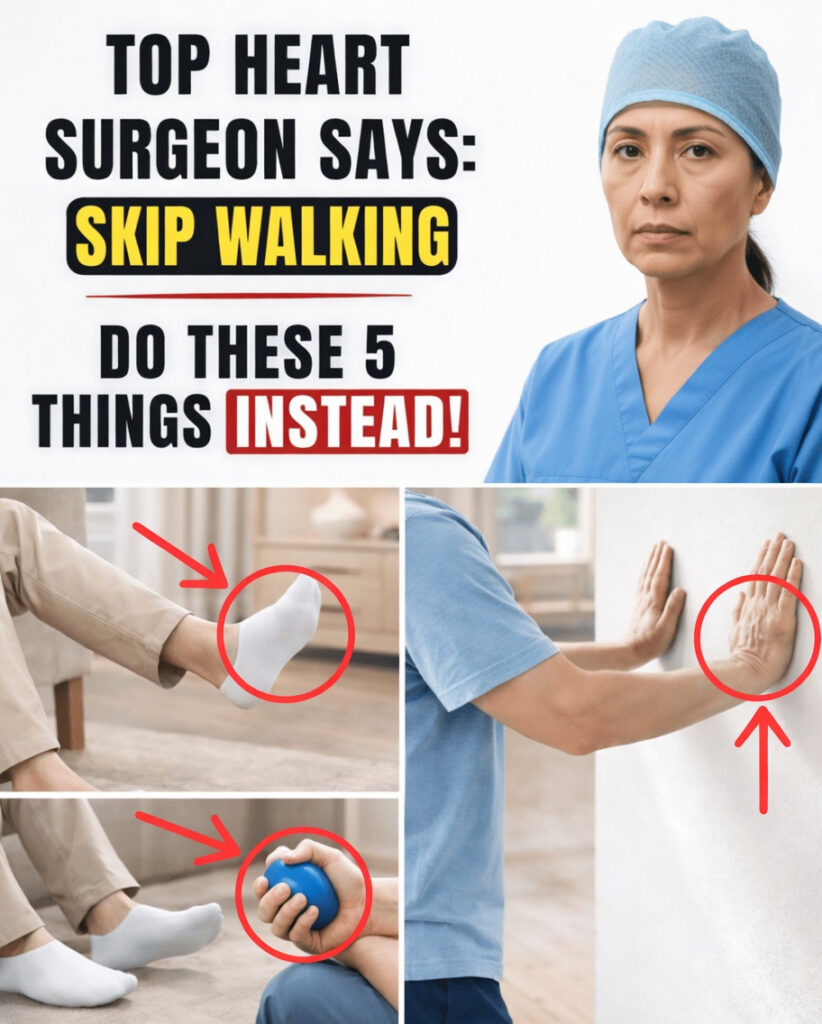
Low-Impact Exercises After 60: Gentle Ways to Stay Active, Strong, and Confident
For many adults over 60, walking is no longer as easy as it once was. What used to feel simple and refreshing may now lead to sore joints, stiffness, or concerns about balance. As a result, everyday activities like going to the store, taking a stroll, or working in the garden can start to feel more stressful than enjoyable.
That change can be discouraging. When movement feels uncertain, it may slowly affect your confidence, comfort, and sense of independence. The good news is that low-impact exercises after 60 can offer a more joint-friendly and supportive way to stay active. Many orthopedic specialists recommend these types of movements because they help protect mobility while placing less stress on the body.
Even better, these exercises can be easier to fit into daily life than many people expect.
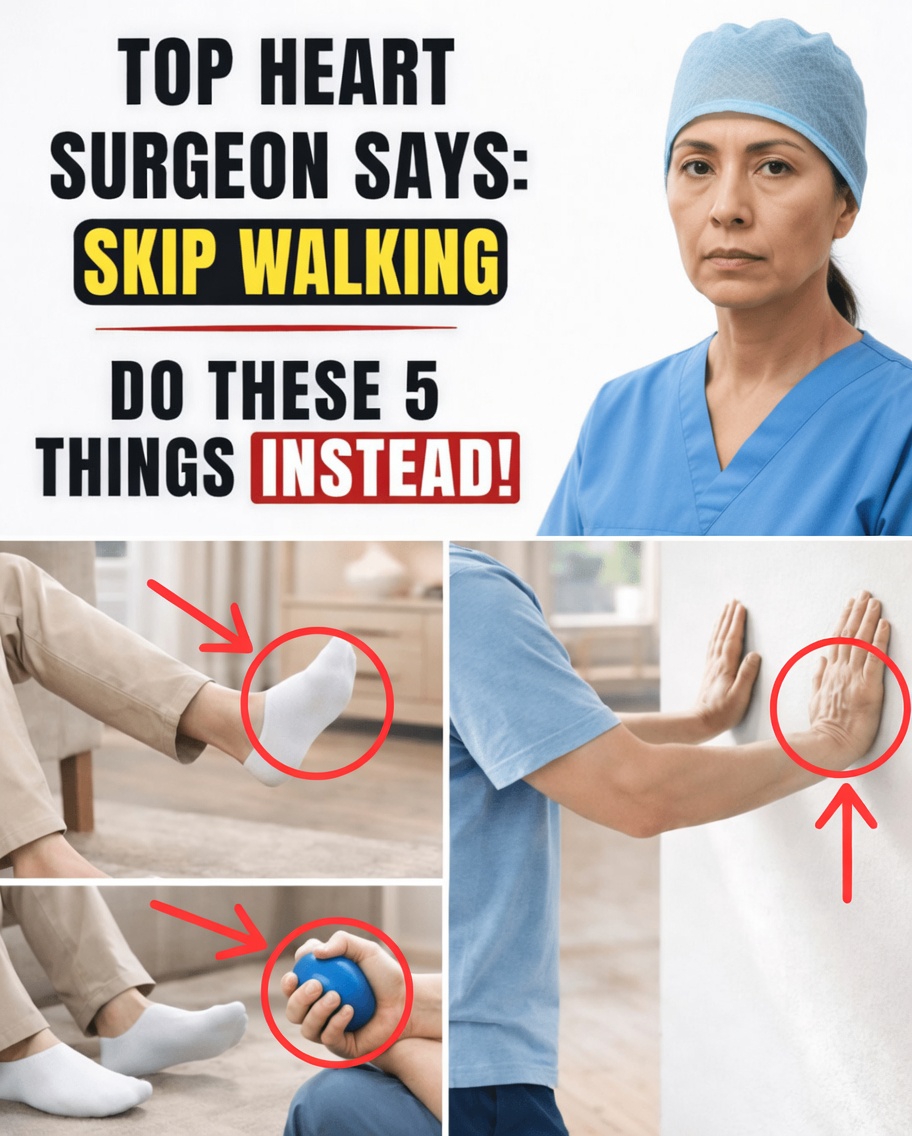
Why Walking Can Become More Difficult After 60
Walking is often seen as one of the simplest forms of exercise, but it is not always the most comfortable option as the body ages. Repeated impact from sidewalks, pavement, or other hard surfaces can increase discomfort in the knees, hips, and lower back. For people already dealing with stiffness or mild instability, that repetitive strain may turn a healthy habit into a frustrating experience.
This is one reason low-impact exercises after 60 are gaining more attention. They provide movement without the same pounding effect, which may help people stay consistent without dreading the aches that can follow activity. Health research also suggests that combining different kinds of movement may help preserve physical function while reducing unnecessary stress on the joints.
Benefits of Low-Impact Exercises After 60
Low-impact exercise focuses on controlled, supportive movement. That makes it especially appealing for older adults who want to stay active but feel cautious about falling, overexertion, or worsening joint discomfort.
Compared with walking alone, these activities may offer broader support in several areas:
- Reduced stress on joints, especially the knees and hips
- Better muscle engagement for overall stability
- Improved balance through targeted practice
- Greater flexibility with gentle stretching and range-of-motion work
- Safer cardiovascular support without intense impact
- More options indoors, regardless of weather
- Support for daily independence, such as standing, bending, and carrying items
- Better motivation, especially when done in a class or calm group setting
- Help with age-related muscle loss through light strength-building
For many people, the physical benefits are only part of the story. Feeling steadier and more capable can also make daily life feel less limiting.
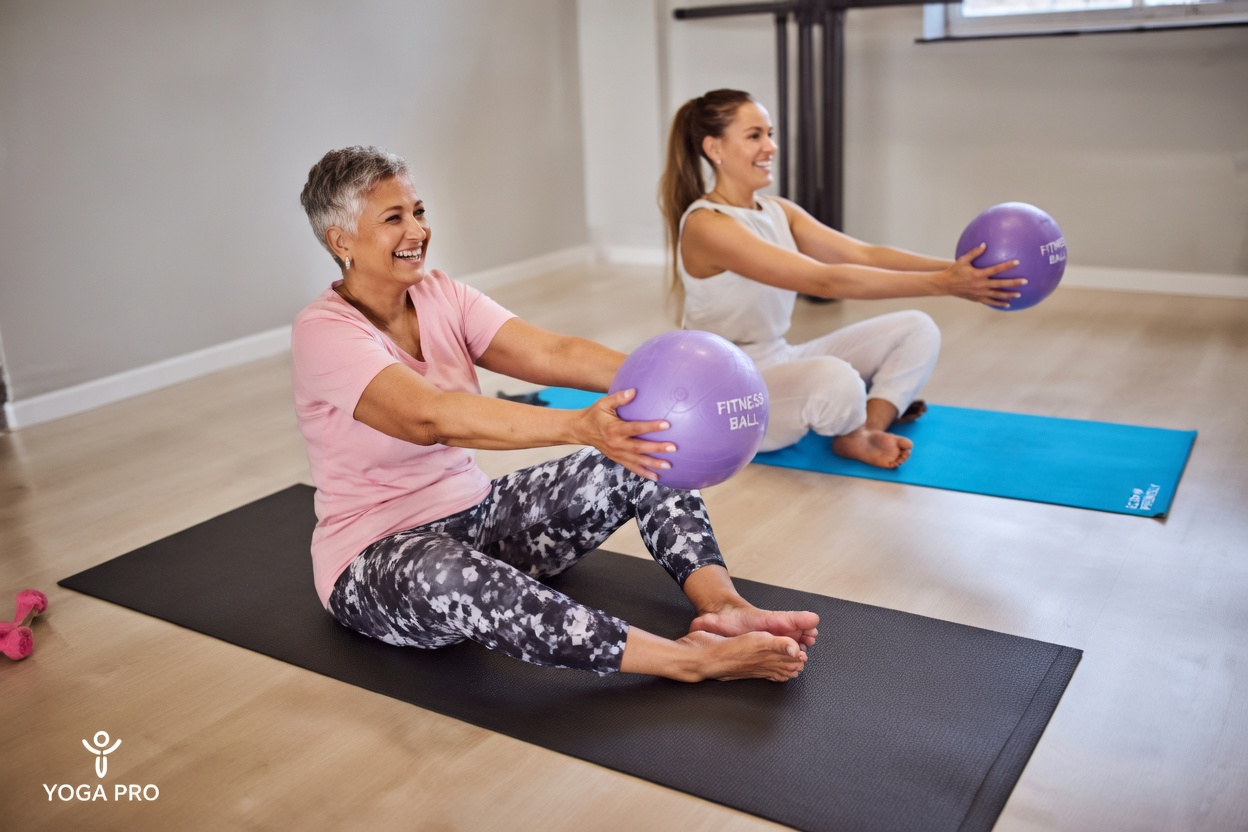
Low-Impact Exercises After 60 vs. Traditional Walking
Here is a quick comparison between these two approaches:
Quick Comparison
-
Joint Load
- Low-impact exercise: Usually gentler and more supported
- Walking: Moderate impact, especially on hard surfaces
-
Strength Development
- Low-impact exercise: Often includes resistance and muscle-building movements
- Walking: More focused on stamina than strength
-
Balance Training
- Low-impact exercise: Often specifically designed to improve stability
- Walking: Provides some balance challenge, but less directly
-
Flexibility
- Low-impact exercise: Frequently includes stretching and controlled motion
- Walking: Limited direct flexibility benefit
-
Accessibility
- Low-impact exercise: Can be done at home, in a pool, or in a class
- Walking: Often depends on outdoor conditions and safe terrain
Health organizations continue to highlight movement variety as an important part of active aging, especially for adults looking for sustainable exercise options.
1. Swimming and Water Aerobics
Among the best low-impact exercises after 60, swimming and water aerobics stand out for their joint-friendly nature. Water supports body weight, which reduces pressure on painful or stiff joints. This buoyancy allows many people to move more freely than they can on land.
These activities can also improve endurance and mobility without causing the same post-exercise discomfort that sometimes follows walking. For older adults who avoid activity because of pain or fatigue, water-based exercise may feel far more manageable and enjoyable.
2. Chair Yoga
Chair yoga is another excellent option because it offers stability while still promoting movement. Since many exercises are done seated, it can be a reassuring choice for anyone who feels nervous about standing routines or balance problems.
Gentle stretching through chair yoga may help relieve tightness that makes it harder to rise from a chair, reach overhead, or bend comfortably. In addition to physical benefits, this form of exercise can encourage calm breathing and relaxation, which is especially helpful when mobility concerns create anxiety.
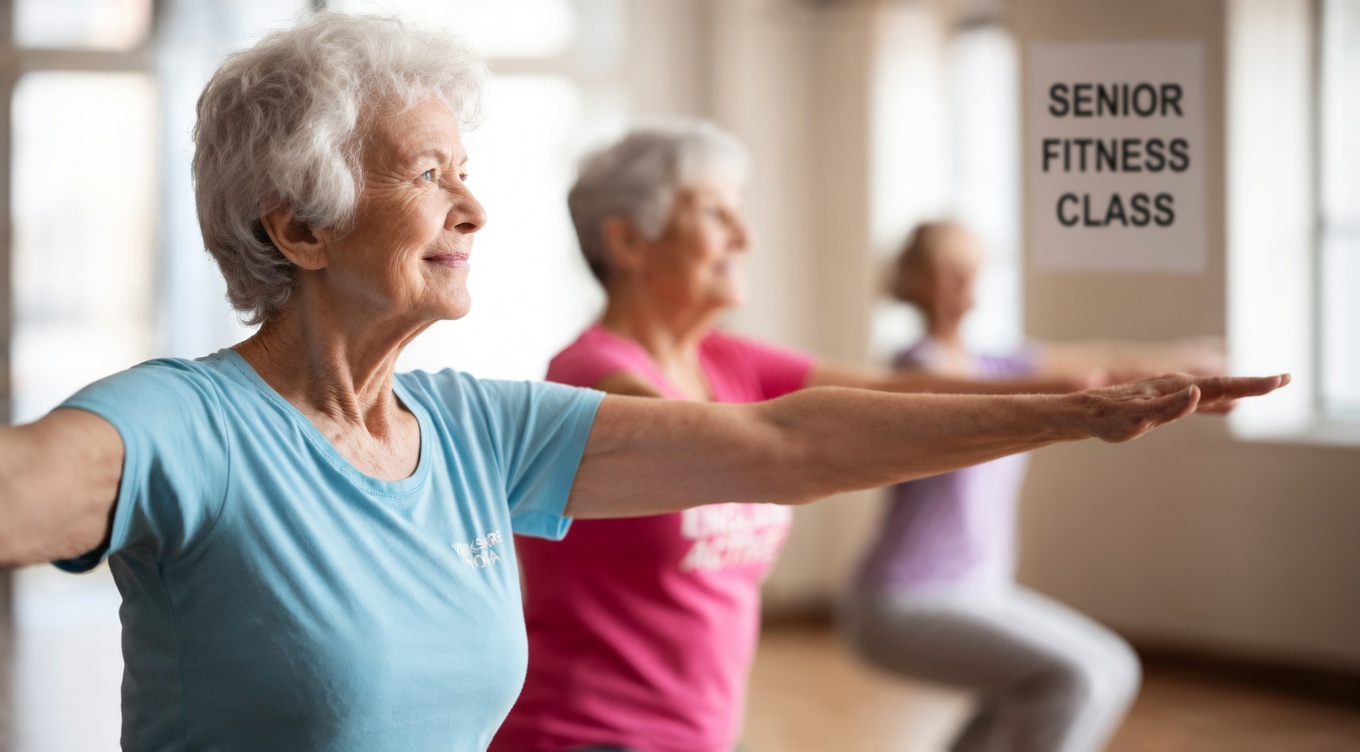
3. Tai Chi
Tai chi is well known for its slow, flowing movements and strong focus on balance and body awareness. For older adults who feel unsteady during walks, this can be a valuable practice.
Research on older populations suggests tai chi may help improve coordination, posture, and stability. Its deliberate pace also makes it approachable for beginners. Beyond the physical benefits, tai chi can reduce mental tension by helping people feel more centered and in control of their movements.
4. Wall Push-Ups
Wall push-ups are a simple strength exercise that can be done without getting down on the floor. That makes them practical for people who already feel tired or uncomfortable with more demanding movement.
This exercise works the upper body and core, both of which are important for posture and everyday function. Stronger arms, shoulders, and trunk muscles can help with tasks like carrying groceries, pushing doors, and maintaining better alignment throughout the day.
5. Seated Leg Lifts
Seated leg lifts are a helpful lower-body exercise that supports strength without requiring standing balance. They can be especially useful for people who feel weak or fatigued during longer walks.
By strengthening the legs in a controlled seated position, this movement may help make standing, stepping, and walking short distances feel easier. Since it can be done at home with minimal setup, it is also one of the most convenient low-impact exercises after 60.
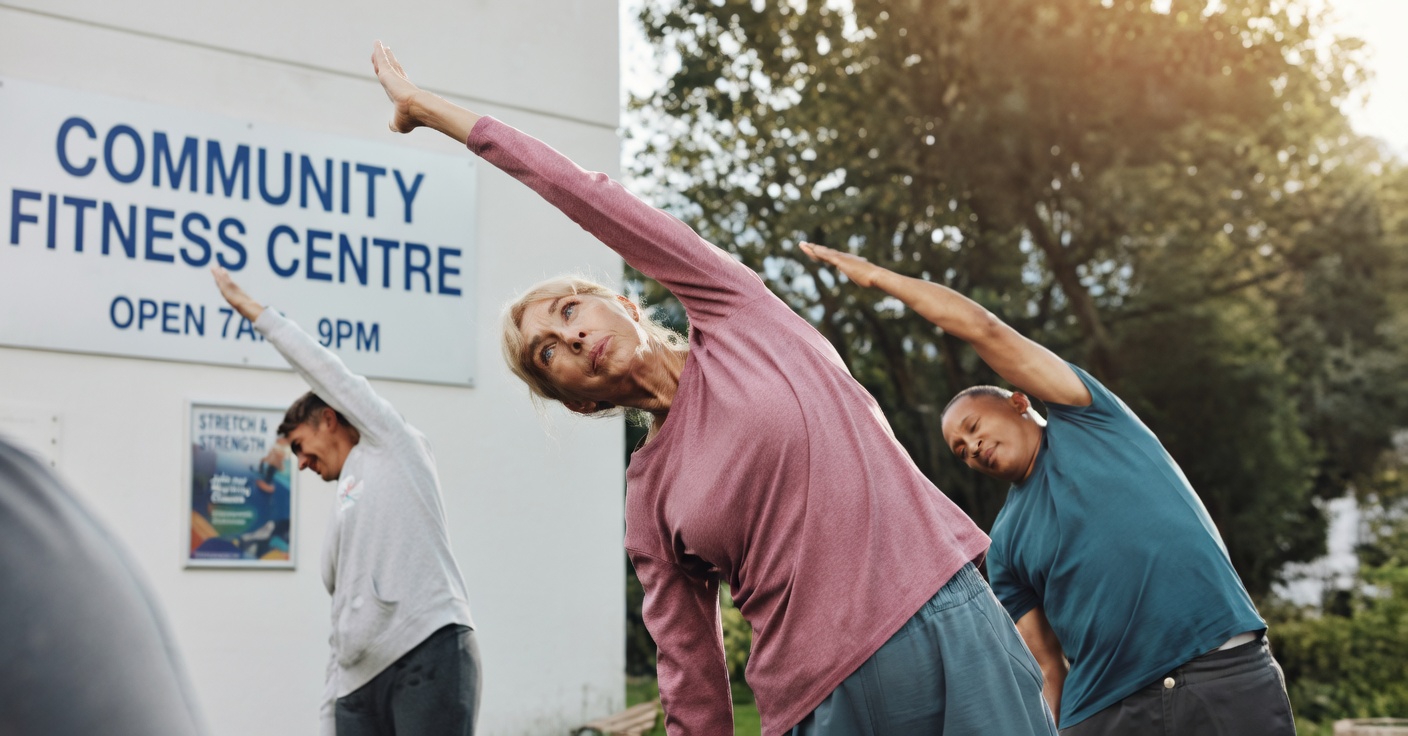
How to Begin Safely
Starting a new routine does not need to feel overwhelming. If movement has become frustrating, the best approach is to begin small and focus on consistency.
A practical starting point is:
- 10 to 15 minutes per session
- 3 times per week
- Prioritize good form over intensity
- Add a short warm-up before each session
Simple warm-up ideas include:
- Gentle arm circles
- Ankle rotations
- Easy shoulder rolls
- Slow breathing with light stretching
Pay attention to how your body feels. If any movement causes sharp pain or unusual discomfort, stop and reassess. Over time, regular practice may help support strength, mobility, and confidence.
Simple Starter Routine
You can begin with a schedule like this:
- Monday: 15 minutes of swimming or water aerobics, if available
- Wednesday: A chair yoga or tai chi session
- Friday: Wall push-ups combined with seated leg lifts
- Any day: Finish with 5 minutes of light stretching or relaxed breathing
This kind of structure keeps things manageable while introducing different types of movement.
Safety Tips for Low-Impact Exercises After 60
To make your routine safer and more effective, keep these guidelines in mind:
- Speak with your healthcare provider before starting a new exercise program
- Use a sturdy chair or wall when extra support is needed
- Keep breathing steady throughout each movement
- Increase time and effort gradually
- Drink enough water
- Wear comfortable clothing and supportive footwear when appropriate
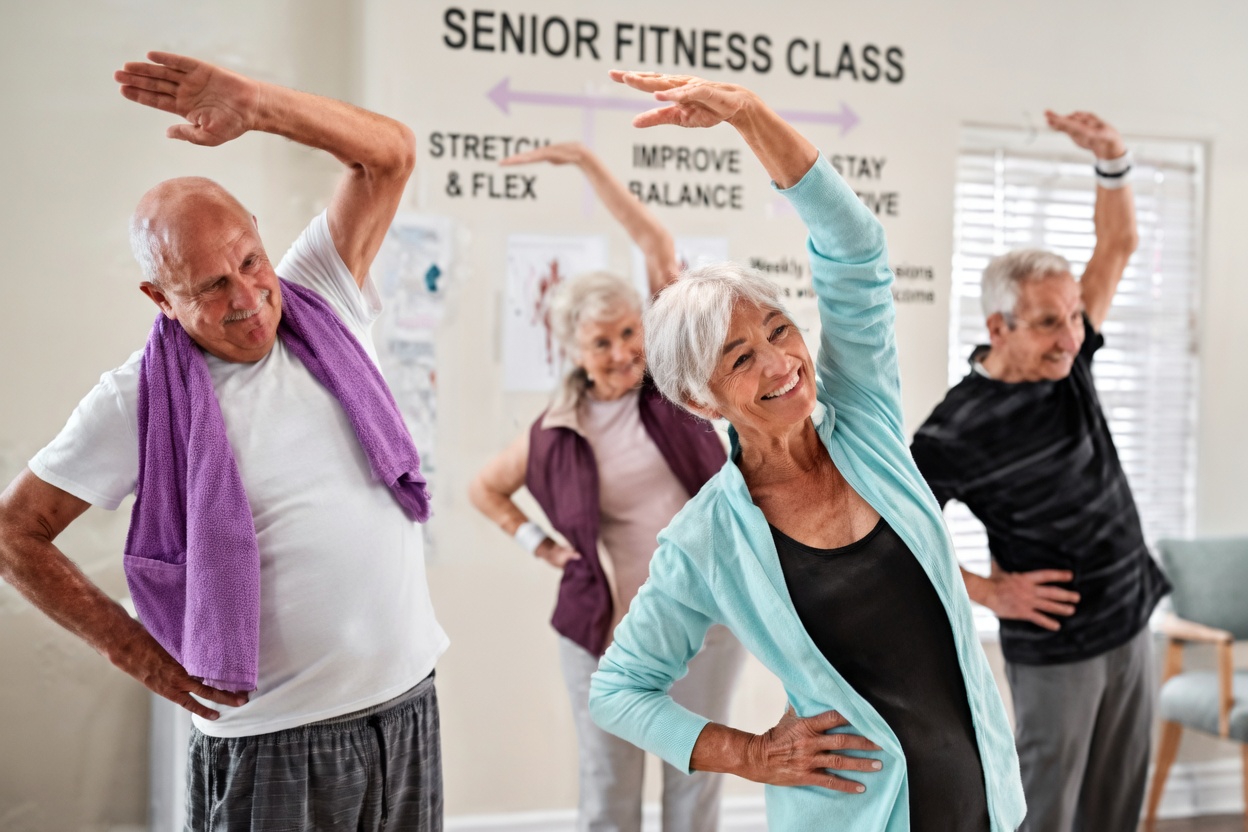
Real-Life Experiences and Everyday Confidence
Many older adults who add low-impact exercises after 60 to their routine say they feel more stable and less anxious about daily movement. While results differ from person to person, people often report that these exercises feel more comfortable and sustainable than relying on walking alone.
A common theme is renewed confidence. When movement feels safer and less tiring, activities like getting around the house, shopping, or doing light chores can become less stressful. That can make a meaningful difference in quality of life.
And if you still enjoy walking from time to time, that is perfectly fine. Low-impact exercise does not have to replace walking completely. It can simply complement it and make your overall routine more balanced.
Final Thoughts on Low-Impact Exercises After 60
If traditional walking has started to feel uncomfortable, low-impact exercises after 60 can offer practical alternatives that support mobility without the same level of strain. Options like swimming, chair yoga, tai chi, wall push-ups, and seated leg lifts may help improve strength, flexibility, balance, and day-to-day function.
The most important step is choosing movements that feel safe, realistic, and enjoyable for your body. With the right approach, staying active after 60 can still feel empowering, manageable, and rewarding.
Frequently Asked Questions About Low-Impact Exercises After 60
Q1: Are low-impact exercises after 60 better than walking?
Not necessarily better for everyone, but they may be more comfortable and sustainable for people who experience joint pain, stiffness, or balance concerns. In many cases, they work well alongside walking rather than replacing it entirely.
Q2: How often should older adults do low-impact exercise?
A good beginner goal is 3 sessions per week, starting with 10 to 15 minutes each time. As strength and confidence improve, duration and frequency can gradually increase.
Q3: Can I do these exercises at home?
Yes. Chair yoga, wall push-ups, seated leg lifts, and even some tai chi movements can be done safely at home with enough space and proper support.
Q4: What should I do if I feel pain?
Stop the exercise if you feel sharp or unusual pain. Mild effort is normal, but pain is a sign to pause. If discomfort continues, consult a healthcare professional before continuing.
Q5: Is it okay to combine walking with low-impact exercises?
Absolutely. Many people benefit from using both. Walking can support endurance, while low-impact exercises can help with balance, flexibility, and strength.