Walking May Not Be Enough After 60
Many older adults believe that a daily walk is all they need to stay healthy and active. Walking is certainly valuable, but orthopedic specialists note that it does not fully train every muscle group needed for strength, stability, and joint support. If walking is your only form of exercise, some important muscles may gradually weaken over time.
That is why many doctors now encourage adults over 60 to add a few simple exercises to their routine. Just five easy movements can help support your knees, hips, balance, and overall muscle strength. If you are looking for a practical way to feel steadier and more capable in daily life, this may be the missing piece.
Why Walking Alone May Fall Short
Walking is excellent for cardiovascular health and helps keep the body in motion. However, it mostly trains movement in a forward direction. Everyday life asks much more from the body than that alone.
As we age, it is normal to experience:
- Loss of muscle mass
- Reduced balance and coordination
- Less support around the knees and hips
- More stiffness during routine activities
- A higher risk of small slips or missteps
The good news is that you do not need to give up walking. In fact, walking remains an important habit. The key is to combine it with targeted movements that strengthen the muscles and balance systems walking may not fully address.
5 Expert-Recommended Movements to Add Today
These five exercises are gentle, low-impact, and easy to do at home. They are designed to work alongside your walking routine, not replace it. Health organizations such as the Centers for Disease Control and Prevention have long emphasized that older adults benefit most from combining aerobic activity with strength and balance training.
Before starting, move at your own pace, pay attention to your body, and speak with your healthcare provider if you have any medical concerns.
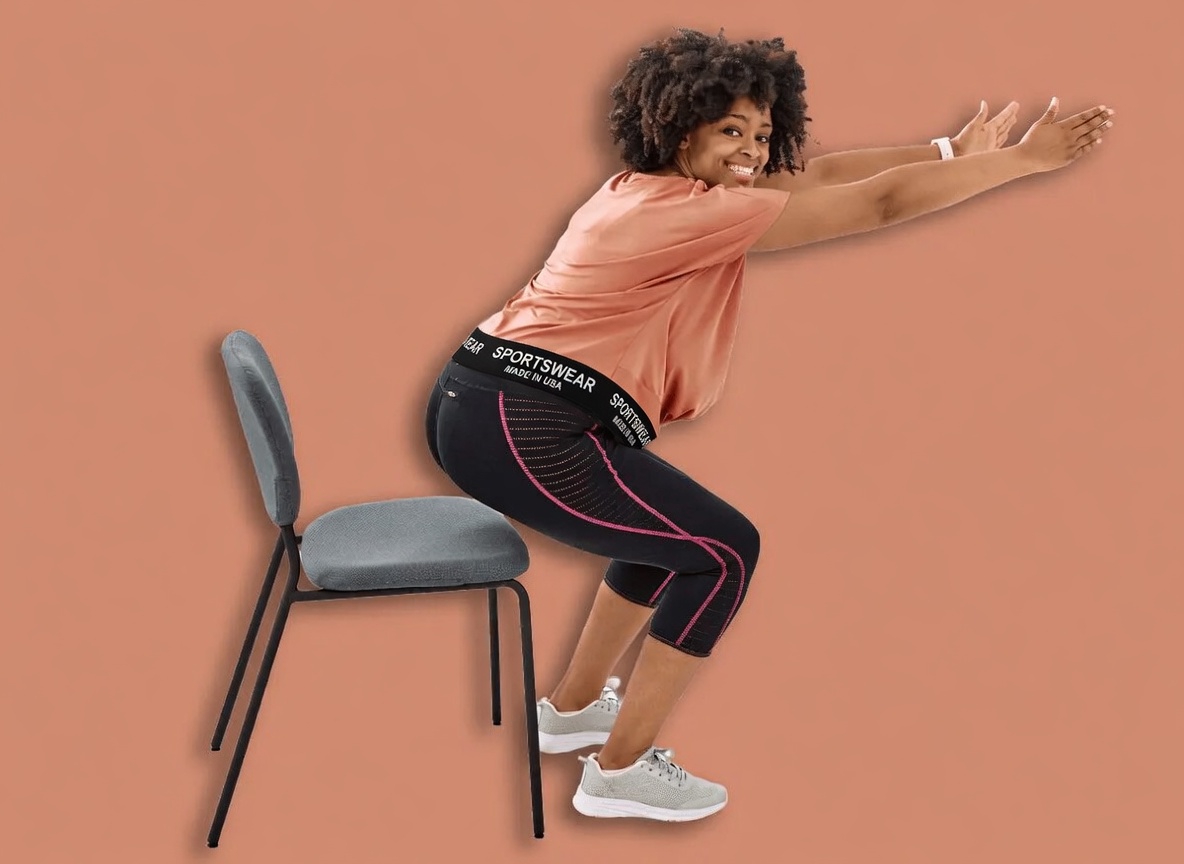
1. Sit-to-Stand
This simple movement helps strengthen the muscles around the hips and knees. It also improves one of the most common daily actions: getting up from a chair with less effort.
How to do it
- Sit near the edge of a sturdy chair.
- Place your feet flat on the floor, about hip-width apart.
- Lean your torso slightly forward.
- Press through your heels and stand up.
- Pause briefly at the top.
- Lower yourself back down slowly and with control.
Suggested amount
- Aim for 8 to 10 repetitions
- Stop earlier if needed and build up gradually
Many people find that this exercise helps them feel more stable within a few weeks because it directly mirrors real-life movement.
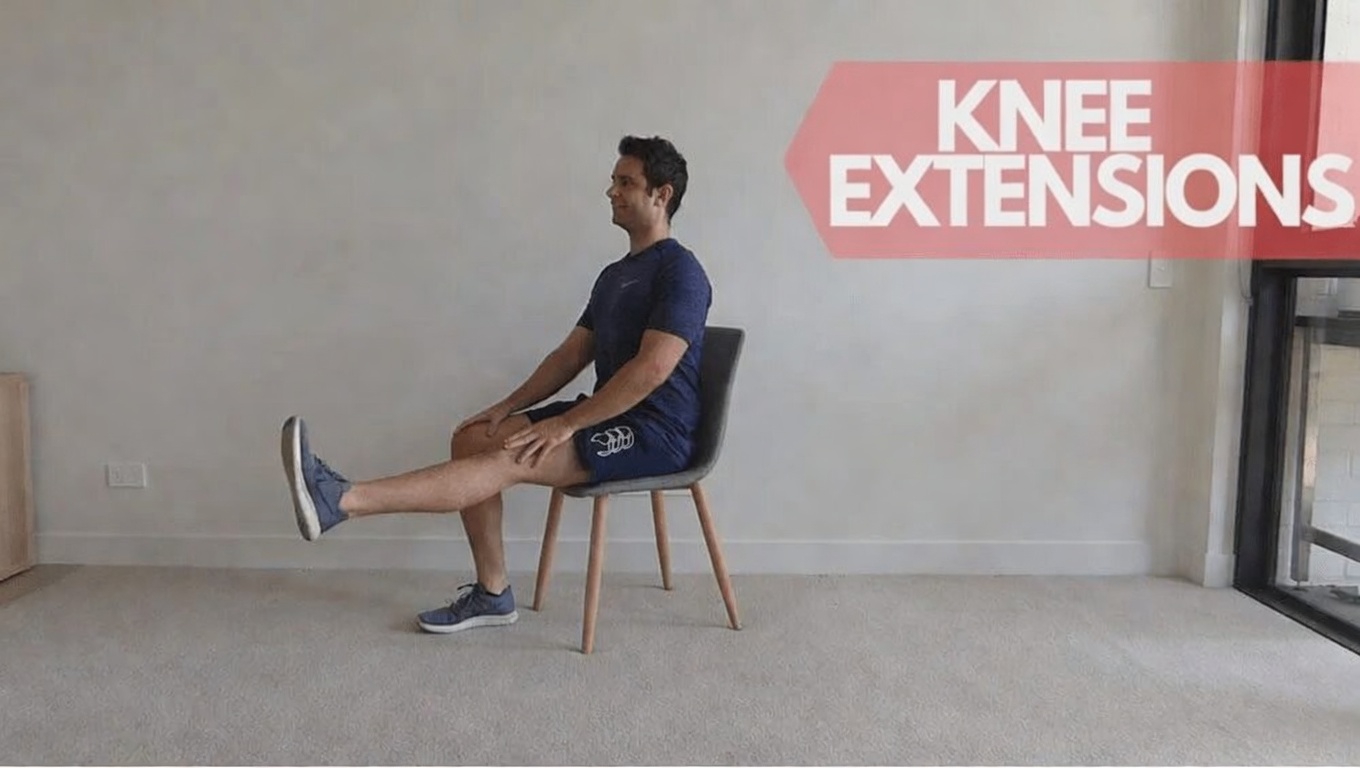
2. Seated Knee Extensions
This exercise targets the front thigh muscles, which help support the knees. It is especially useful for those who want to strengthen their legs without adding pressure from standing exercises.
How to do it
- Sit upright in a chair with your back supported.
- Keep both feet flat on the floor.
- Slowly lift one leg and extend it straight in front of you.
- Keep the knee soft rather than locked.
- Hold for 2 to 3 seconds.
- Lower the foot back down gently.
- Repeat on the other leg.
Suggested amount
- Do 10 repetitions per leg
This is an easy movement to fit into a quiet moment, such as during breakfast or while having coffee.
3. Calf Raises
Strong calf muscles support balance and lower-leg function. They can also encourage healthy circulation, which many regular walkers appreciate.
How to do it
- Stand behind a sturdy chair or near a counter.
- Hold on lightly if you need support.
- Slowly lift your heels off the floor and rise onto your toes.
- Pause for a moment at the top.
- Lower your heels back down slowly.
Suggested amount
- Try 10 to 15 repetitions
This movement is easy to add to your day while doing simple tasks like brushing your teeth or waiting in the kitchen.
4. Standing Side Leg Lifts
This exercise works the outer hip muscles, which are important for pelvic stability and knee alignment during movement.
How to do it
- Stand beside a chair and hold it lightly for support.
- Keep your feet together.
- Slowly lift one leg out to the side.
- Keep your toes facing forward.
- Raise the leg only as high as feels comfortable.
- Lower it back down with control.
- Repeat on the other side.
Suggested amount
- Perform 8 to 10 repetitions on each side
Walking does not strongly challenge these side hip muscles, so this exercise fills an important gap.
5. Supported Single-Leg Balance
Balance training helps improve confidence and may reduce the risk of falling. Even a short daily practice can make a noticeable difference.
How to do it
- Stand next to a chair or wall for safety.
- Shift your weight onto one leg.
- Lift the other foot slightly off the floor.
- Stand tall with good posture.
- Hold the position for 10 to 20 seconds, or as long as feels comfortable.
- Switch sides.
Suggested amount
- Repeat 2 to 3 times per leg
Start with very short holds if necessary. Over time, your balance and confidence may improve more than you expect.
Easy Ways to Make These Exercises a Habit
Adding these movements does not require a major lifestyle change. A few small adjustments can make them easy to maintain.
- Start with fewer repetitions and shorter holds
- Practice 2 to 3 times per week
- Do them on days when your walk is shorter or less demanding
- Use a chair or wall whenever you want extra support
- Breathe normally during each movement
- Notice how your body feels after a few weeks
Many older adults say their steps begin to feel lighter and more secure once they stay consistent.
How These Movements Support the Body
Here is a simple overview of what each exercise helps with:
| Movement | Main Area Supported | Time Needed | Equipment Needed |
|---|---|---|---|
| Sit-to-Stand | Hips and knees | 2 minutes | Chair |
| Seated Knee Extensions | Knee support | 2 minutes | Chair |
| Calf Raises | Calves and balance | 1 minute | Optional chair |
| Standing Side Leg Lifts | Outer hips | 2 minutes | Optional chair |
| Supported Single-Leg Balance | Overall stability | 2 minutes | Optional support |
What Research Shows
Studies in aging and physical therapy research consistently suggest that older adults who combine walking with strength and balance exercises often experience better mobility and greater comfort in daily life. Senior health experts also emphasize that these types of exercises can support independence without requiring high-impact workouts.
Results differ from person to person, but the overall message remains clear: small, regular additions to your routine can lead to meaningful long-term benefits.
A Simple Routine With Long-Term Value
You do not need to completely change your day to see results. These five movements usually take only 10 to 15 minutes in total, making them easy to add before or after your regular walk.
People who stick with them often report benefits such as:
- Feeling more stable on stairs
- Standing longer with less fatigue
- Greater confidence during social activities
- Easier movement during everyday tasks
The most important factor is not intensity. It is consistency. Over time, these short sessions can help you stay active and enjoy daily life with more comfort and confidence.
FAQ
How quickly might I feel a difference?
Some people notice improved steadiness within a few weeks. For others, progress takes longer. The key is to practice regularly.
Can I try these if I have mild knee or hip discomfort?
These exercises are generally gentle, but it is best to check with your doctor or healthcare provider if you have pain or ongoing joint concerns.
Do I need a gym or special equipment?
No. Most of these movements only require a sturdy chair, and they can all be done at home.
Can I continue walking while doing these exercises?
Yes. In fact, walking and these movements work very well together. Walking supports endurance and heart health, while these exercises help with strength, balance, and joint support.
Final Thoughts
Staying active after 60 is not just about doing more. It is about choosing the right kinds of movement. Walking remains a great habit, but adding these five simple exercises can better support the strength, balance, and mobility you need for everyday life.
A few minutes of focused movement each week may help you stay more independent, more stable, and more confident for years to come.
Disclaimer
This article is for educational purposes only and does not replace professional medical advice. Always consult your doctor or a qualified healthcare provider before starting any new exercise program, especially if you have existing health conditions, pain, or other medical concerns.