5 Everyday Foods Studies Associate With Higher Cancer Risk
Millions of people rely on quick, flavorful foods every day, often without realizing that some familiar choices have been linked in research to a greater cancer risk over time. That can feel alarming, especially because these foods commonly appear in family dinners, lunchboxes, and fast-paced routines. Scientists continue to study how certain eating patterns may influence inflammation, weight gain, hormone balance, and the formation of harmful compounds in the body.
The positive takeaway is simple: once you understand the connection, making smarter food choices becomes much easier. And the most surprising item on this list is number five—a food category many people eat regularly without ever questioning it. Learning more about it could completely reshape the way you shop, snack, and prepare meals.
Why These Foods Deserve Your Attention
Leading health authorities, including the International Agency for Research on Cancer (IARC), part of the World Health Organization, and the American Cancer Society, have published evidence showing that diet plays an important role in long-term health. No single food acts alone, but repeated consumption of certain products may raise the risk of specific cancers.
Researchers point to several possible reasons, such as:
- Chronic inflammation
- Increased body weight
- Hormonal disruption
- DNA damage
- Harmful compounds formed during processing or cooking
The encouraging news is that you do not need an extreme diet reset. Small, steady improvements can make a meaningful difference over time.
5 Common Foods Linked in Research to Increased Cancer Risk
1. Processed Meats
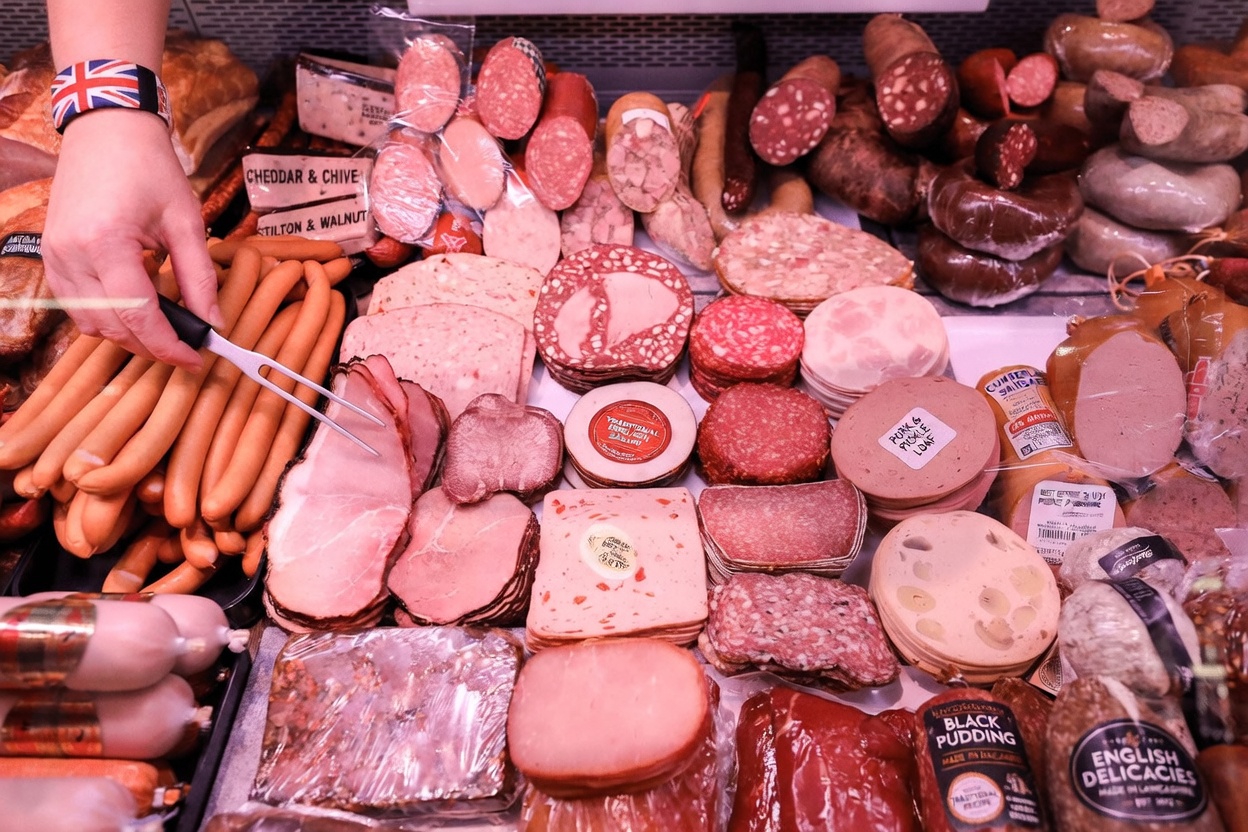
Processed meats such as bacon, hot dogs, sausage, deli ham, salami, and pepperoni are classified by the IARC as Group 1 carcinogens. This means there is strong scientific evidence connecting regular intake with a higher risk of colorectal cancer.
Much of the concern comes from:
- Nitrates and nitrites used in preservation
- High sodium content
- Compounds that may form during digestion
- Smoking, curing, or other preservation methods
Common processed meats include:
- Bacon
- Smoked sausage
- Hot dogs
- Packaged lunch meat
- Canned corned beef
- Salami and pepperoni
Studies reviewed by major cancer organizations suggest that eating even small daily amounts—around 50 grams—has been associated with about an 18% higher colorectal cancer risk in population research.
That does not mean these foods must disappear forever. A more realistic approach is to eat them less often and choose fresh proteins most of the time.
2. Red Meat
Beef, pork, and lamb are placed in the IARC’s Group 2A category, meaning they are considered probably carcinogenic to humans. The strongest evidence links frequent or high intake to colorectal cancer.
Researchers often focus on:
- Heme iron found in red meat
- Byproducts created during high-temperature cooking
- Grilling or charring methods that may produce harmful chemicals
Red meats most often discussed include:
- Steak
- Burgers
- Pork chops
- Lamb roasts
- Other large or frequent servings of beef and pork
Large cohort studies have found stronger associations when intake rises above roughly 500 grams of cooked red meat per week.
The good news is that moderation matters. You can still enjoy red meat occasionally, especially if you choose leaner cuts, watch portion sizes, and balance the meal with vegetables, beans, or whole grains.
3. Alcohol
Alcoholic beverages—including beer, wine, and spirits—are also classified as Group 1 carcinogens. Extensive research connects alcohol use with cancers of the:
- Mouth
- Throat
- Esophagus
- Liver
- Breast
- Colon
Even light or moderate drinking has shown links in meta-analyses. Experts believe alcohol may increase risk by:
- Damaging DNA
- Affecting hormone levels
- Increasing inflammation
- Stressing the liver and other organs
Drinks worth reducing include:
- Beer
- Wine
- Cocktails
- Spirits
- Hard seltzers
According to reviews cited by the American Cancer Society, risk rises with regular consumption, even at lower levels.
A practical alternative is to replace alcoholic drinks with:
- Sparkling water with citrus
- Herbal tea
- Unsweetened iced tea
- Alcohol-free mocktails
4. Sugary Foods and Drinks
Sodas, candy, pastries, sweetened cereals, and other foods high in added sugar do not directly cause cancer on their own. However, they can contribute to excess body weight, and obesity is a recognized risk factor for at least 13 types of cancer.
Experts are concerned because these products often lead to:
- Weight gain
- Insulin spikes
- Increased inflammation
- Higher calorie intake with low nutritional value
Common sources of added sugar include:
- Soft drinks
- Energy drinks
- Packaged cookies
- Ice cream
- Sweet pastries
- Flavored yogurts
- Sugary breakfast cereals
Long-term population studies have consistently shown that obesity-related cancer risk is significant, which is why major health guidelines recommend limiting added sugars.
Fortunately, satisfying sweet cravings does not have to be difficult. Better options can include:
- Fresh fruit
- Plain yogurt with berries
- Water infused with fruit
- Unsweetened tea
5. Ultra-Processed Foods
This may be the most eye-opening category of all. Ultra-processed foods include many packaged snacks, instant noodles, frozen ready meals, sweetened breakfast cereals, and a wide range of fast-food products. A growing body of research has linked higher intake of these foods to an increased overall cancer risk.
Scientists are studying several possible reasons, including:
- Food additives
- Artificial flavorings and preservatives
- Poor nutritional quality
- Low fiber content
- High salt, sugar, and unhealthy fats
- Displacement of whole, nutrient-rich foods
Examples commonly found in homes include:
- Chips
- Packaged cookies
- Microwave dinners
- Instant noodles
- Sugary cereals
- Flavored instant coffee mixes
- Many fast-food items
Recent large-scale analyses, including multinational research published as recently as 2025, have reported associations between higher consumption of ultra-processed foods and elevated risks for colorectal, breast, and other cancers.
The key takeaway is not fear—it is awareness. Once you start recognizing ultra-processed foods, it becomes much easier to fill your cart with fresher and less processed options.

Quick Comparison Table for Smarter Food Choices
| Food Category | Main Concern in Research | Simple Better Swap |
|---|---|---|
| Processed meats | Nitrates, nitrites, and colorectal cancer risk | Fresh chicken, turkey, tofu, or beans |
| Red meat | Heme iron and high-heat cooking byproducts | Fish, eggs, lentils, or plant-based patties |
| Alcohol | DNA damage and hormone disruption | Sparkling water, herbal tea, or mocktails |
| Sugary foods and drinks | Weight gain, inflammation, and insulin spikes | Fruit, unsweetened tea, or plain water |
| Ultra-processed foods | Additives and poor nutrient density | Nuts, seeds, fruit, or vegetables with hummus |
This side-by-side comparison can make grocery shopping and meal planning much more manageable.
Simple Steps You Can Start Today
If you want to improve your eating habits without feeling restricted, begin with a few realistic changes:
-
Read ingredient labels carefully
Choose foods with shorter ingredient lists and avoid products with added nitrates or high-fructose corn syrup when possible. -
Center meals around whole foods
Try to fill half your plate with vegetables and fruit at meals. -
Make one swap at a time
Replace one risky food category for a full week before moving on to the next. -
Cook at home more often
Preparing meals yourself helps reduce hidden sugars, sodium, and additives. -
Choose drinks wisely
Keep water, fruit-infused sparkling water, or unsweetened tea available so sugary beverages are easier to skip.
These habits may seem small, but they can support better energy, weight management, and peace of mind over time.
Small Changes Can Have a Big Effect
Knowing which foods research has linked to increased cancer risk gives you more control over your daily routine. By choosing fresh, minimally processed foods more often, you can enjoy satisfying meals while staying aligned with current scientific evidence on nutrition and health.
The most important thing to remember is this: consistency matters more than perfection. You do not need to completely transform your kitchen overnight. A few thoughtful swaps and some simple planning can go a long way.
Frequently Asked Questions
Is it okay to eat these foods once in a while?
Yes. Most experts agree that occasional intake as part of an otherwise balanced diet is unlikely to create major problems for most healthy adults. The concern is regular, frequent consumption—not rare treats.
Are there foods that may help support a lower cancer risk?
Yes. Research consistently links diets rich in the following foods with better overall health outcomes:
- Fruits
- Vegetables
- Whole grains
- Legumes
- Nuts and seeds
Aim for a colorful plate and a wide variety of minimally processed foods.
Do I need to eliminate red meat completely?
Not necessarily. Many health guidelines focus on limiting portions and frequency rather than total avoidance. Eating smaller amounts less often is a practical step for many people.
What is the easiest first change to make?
For many people, the simplest starting point is replacing sugary drinks or processed snacks. Swapping soda for water, or chips for nuts and fruit, can have a fast and noticeable impact on overall diet quality.
Why are ultra-processed foods getting so much attention?
Because they are now a major part of many modern diets. They are convenient, heavily marketed, and often designed to be highly appealing, but they also tend to be low in fiber and nutrients while being high in salt, sugar, fats, and additives. Research is increasingly examining how that combination may affect long-term health.