Surprising Aspirin Uses Beyond Pain Relief
Many women keep aspirin on hand for headaches, muscle soreness, or minor everyday pain. However, this familiar medicine is also often mentioned in home-care and beauty routines for completely different purposes. From simple skin treatments to laundry care, aspirin has become part of many popular household hacks.
These ideas come from widely shared home remedies and general knowledge about aspirin’s active compound. They should not replace professional medical, skincare, or cleaning advice.
And there’s more—one of the most unexpected aspirin uses appears near the end, and it may be the one that surprises you most.
Aspirin in Skincare Routines
Aspirin contains acetylsalicylic acid, which is related to salicylic acid, a well-known ingredient in many non-prescription skincare products. Salicylic acid is commonly used to help exfoliate the skin and improve texture, which is why some people experiment with aspirin in homemade beauty treatments.
Homemade Aspirin Paste for Brighter-Looking Skin
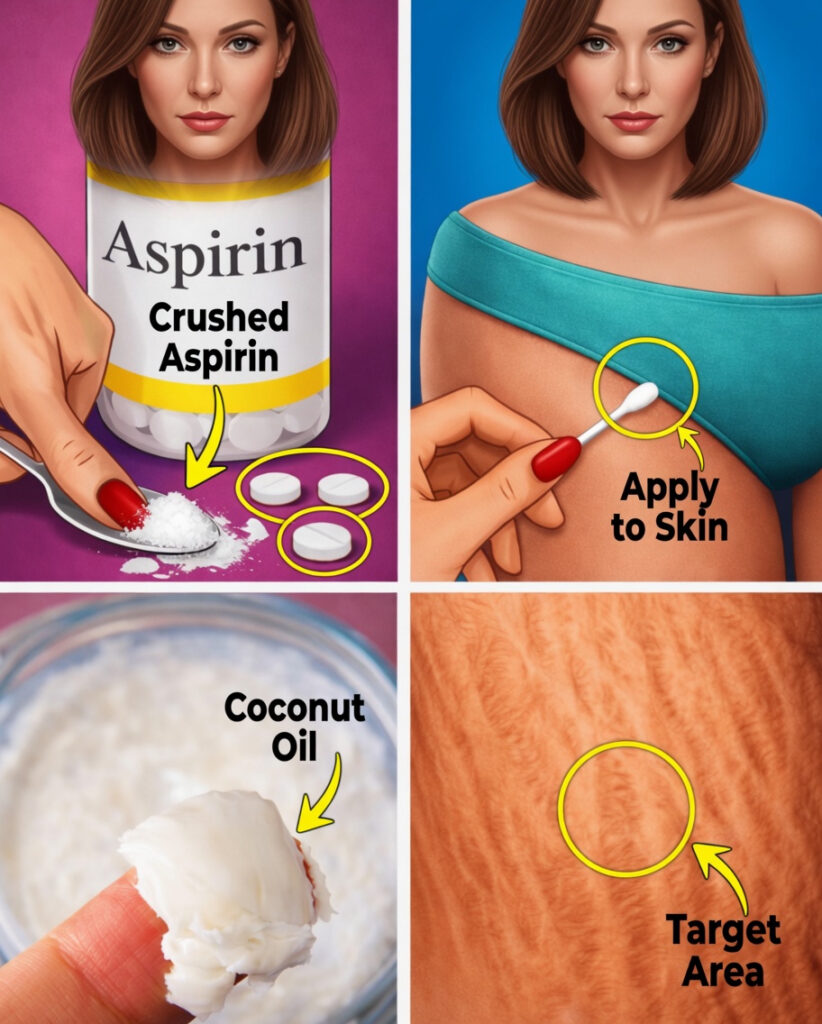
One popular method involves crushing plain, uncoated aspirin tablets into powder and blending them with a small amount of water, honey, or yogurt to create a paste. This mixture is then applied to the face for a short period before being rinsed away.
The idea comes from the exfoliating nature associated with salicylic-acid-based products, which may help the skin appear smoother. Still, this is not the same as using a professionally formulated skincare treatment, and results can differ from person to person.
How to Make It
- Take 3 to 5 uncoated aspirin tablets.
- Crush them into a fine powder.
- Add 1 teaspoon of water or plain yogurt for a gentler texture.
- Apply to freshly cleansed skin.
- Avoid the eyes and other sensitive areas.
- Leave it on for 10 to 15 minutes maximum.
- Rinse with lukewarm water and pat dry.
Although many people report positive results, it is best to do a patch test first to check for irritation.
Using Aspirin for a Cleaner, Fresher Scalp
Scalp buildup can leave hair looking flat, dull, or flaky. For that reason, some women crush aspirin and mix it into their regular shampoo.
This approach is based on the fact that salicylic acid is often found in clarifying shampoos designed to remove excess oil and product residue. A common tip is to add 2 to 3 crushed tablets to shampoo, massage the mixture into the scalp for a few minutes, and then rinse thoroughly.
Why Some People Use It
- May help loosen scalp buildup
- Can leave hair feeling lighter and cleaner
- Supports a fresher-looking scalp between washes
Common Scalp Clarifying Methods
-
Aspirin mixed with shampoo
- Key compound: acetylsalicylic acid
- Suggested use: about once a week
-
Commercial clarifying shampoo
- Key compound: salicylic acid or similar cleansing agents
- Suggested use: 1 to 2 times per week
-
Apple cider vinegar rinse
- Key compound: acetic acid
- Suggested use: occasionally
Too much exfoliation, whether on the scalp or skin, can lead to dryness, so moderation is important.
Aspirin for Post-Shaving or Post-Waxing Redness
Small red bumps and irritation after shaving or waxing are common complaints. To help calm the area, some people use a diluted aspirin mixture.
Because aspirin is associated with anti-inflammatory effects, some believe it may temporarily reduce the appearance of redness. A light paste can be applied carefully to irritated spots and then rinsed off after a few minutes.
Simple Method to Try
- Crush 2 to 3 aspirin tablets
- Mix with a little water
- For extra comfort, combine with a small amount of aloe vera gel
- Apply only to the affected area
- Leave on for about 10 minutes
- Rinse gently
This is especially common for the legs and bikini line, where irritation after hair removal can be more noticeable. Be gentle, and avoid using it on broken or highly sensitive skin.
Softening Rough Feet with an Aspirin Soak
Dry heels and rough feet are another area where aspirin is often used in home remedies. Many people soak their feet in warm water with crushed aspirin before exfoliating with a pumice stone.
The purpose is to soften hardened skin so that it can be removed more easily. Salicylic-acid-based products are sometimes used for thickened skin, which is why this remedy remains popular.
How to Make an Aspirin Foot Soak
- Crush 5 to 6 aspirin tablets
- Add them to a basin of warm water
- If desired, mix in a small splash of lemon juice
- Soak feet for 10 to 15 minutes
- Use a pumice stone or foot file gently
- Finish with a rich moisturizer
This method may help improve the feel of rough feet, especially when followed by regular moisturizing.
The Unexpected Laundry Hack: Aspirin for Brighter Whites
Here is the surprising aspirin use that many women say works well around the house: brightening white clothes and helping reduce dullness.
A common trick is to dissolve 4 to 5 uncoated aspirin tablets in warm water, then soak white garments for several hours. For more stubborn graying, some people leave the items overnight before washing them as usual.
Why People Try It
- May help reduce dinginess from everyday buildup
- Often seen as a gentler option than bleach
- Useful for basic white fabrics such as T-shirts, pillowcases, and sheets
Tips for Better Results
- Choose uncoated aspirin tablets
- Use it mainly on white cotton fabrics
- Soak longer for heavily dulled items
- Let clothes air dry in sunlight for added brightness
Some people also use aspirin as a mild pre-treatment for small stains, though results can vary depending on the fabric and the type of stain.
Final Thoughts on These Everyday Aspirin Uses
From homemade facial pastes to scalp care, post-shaving relief, foot soaks, and even laundry brightening, aspirin is often repurposed in surprisingly versatile ways. Many of these ideas are inspired by the properties of its active ingredient and by years of shared household experience.
If you decide to try any of these aspirin home remedies, start with small amounts and pay attention to how your skin, scalp, or fabrics respond. Pair these methods with good habits such as moisturizing, gentle exfoliation, and proper garment care for the best results.
Frequently Asked Questions
Is it safe to use aspirin on the skin often?
Most home-remedy users limit it to once or twice a week at most. Always patch test first, and stop immediately if irritation develops.
Can aspirin replace regular skincare products?
No. These are only supplemental home ideas. Professionally made skincare products are usually more reliable because they contain measured, tested ingredients.
Should people with sensitive skin or allergies avoid this?
Yes, caution is important. If you are sensitive to salicylates or NSAIDs, it is better to avoid these remedies. If you are unsure, speak with a qualified healthcare professional.
Disclaimer
These aspirin uses are based on common home remedies and general information about aspirin-related compounds. They are not medical advice and are not intended to diagnose, treat, cure, or prevent any condition. Always consult a healthcare professional before trying new remedies, especially if you are pregnant, have allergies, take medication, or have sensitive skin. Perform a patch test before topical use, and discontinue immediately if any unwanted reaction occurs.