Understanding Garlic Side Effects in Adults Over 50
Noticing stomach discomfort, unexplained bruising, or skin irritation after eating garlic can be unsettling—especially when you’re trying to support your health through natural foods. These “small” symptoms can disrupt daily comfort and confidence, and they may feel more intense after 50 due to changes like a thinner digestive lining, more sensitive skin, and the higher likelihood of taking multiple medications. Learning the most common garlic mistakes seniors over 50 make can help you keep garlic in your routine more safely and comfortably.
Why Garlic Mistakes Can Feel Stronger After Age 50
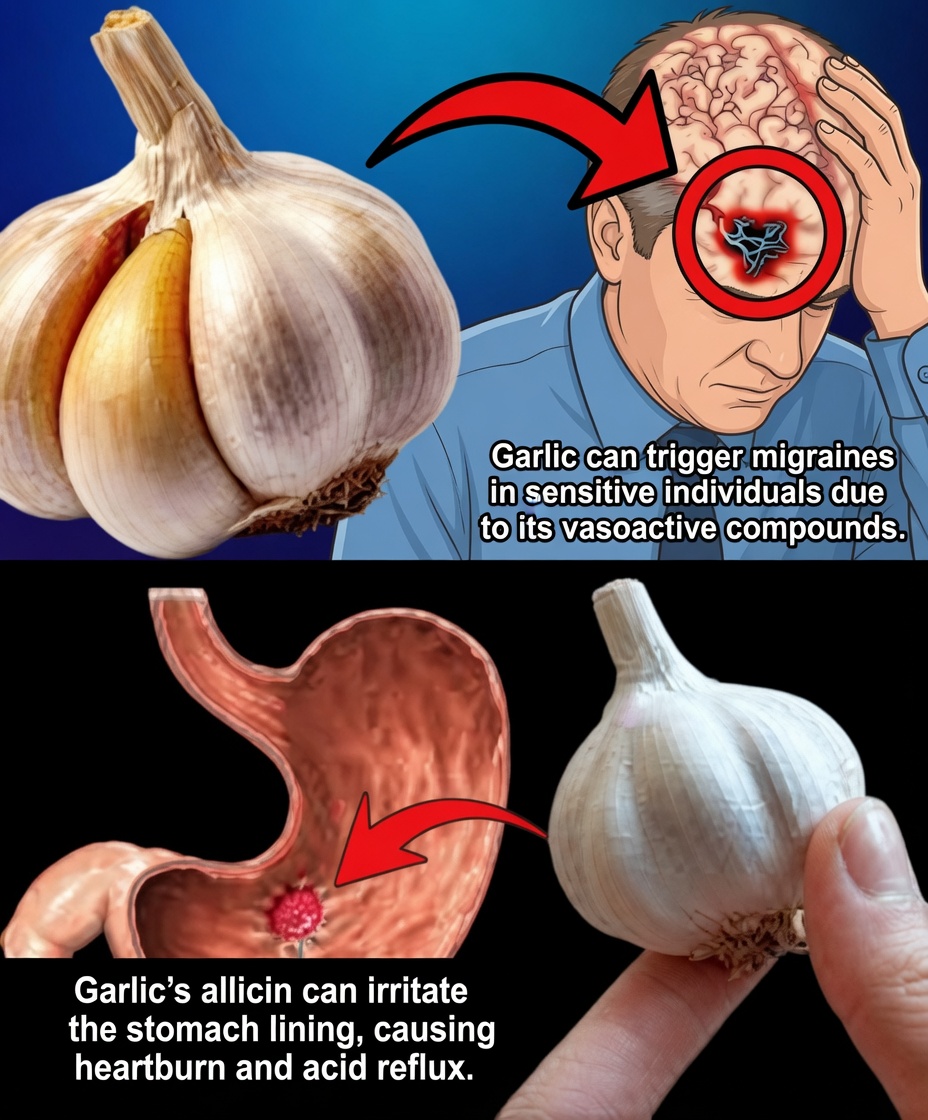
Garlic is widely used for potential heart health and immune support, so experiencing heartburn or other side effects can be frustrating. The reason is often garlic’s potent bioactive compounds—especially allicin—which may irritate the stomach or interact with medications more easily as the body ages.
Health sources such as Mayo Clinic and WebMD commonly caution that garlic can be helpful in moderation, but high doses, raw use, or concentrated supplements may increase the risk of digestive upset, bleeding concerns, or drug interactions—particularly for older adults.
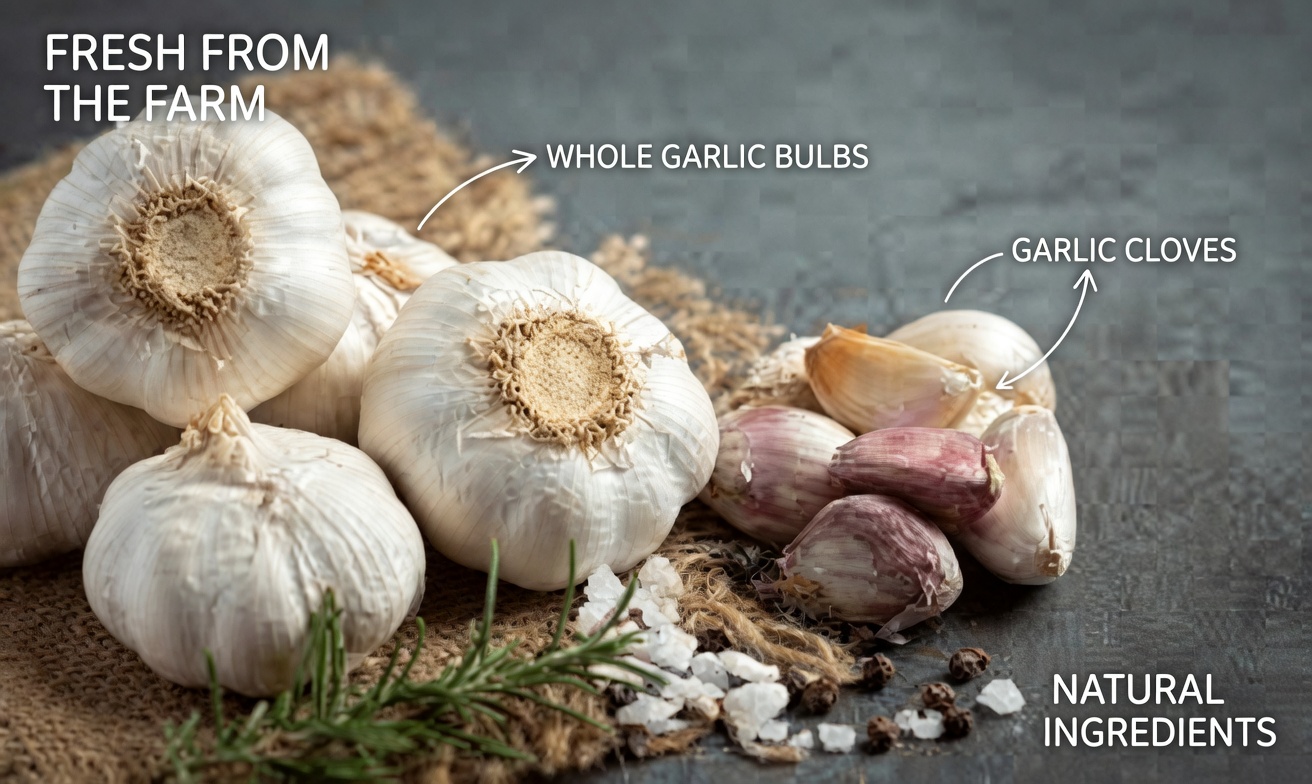
Mistake 1: Eating Raw Garlic on an Empty Stomach
A popular “natural health” habit is starting the morning with raw garlic. For many people over 50, this can lead to burning pain, nausea, or lingering heartburn that affects the rest of the day. With age, the stomach’s protective mechanisms may be less resilient, making irritation more likely.
Safer approach
- Crush 1 clove and let it rest for 10 minutes
- Mix it into food (for example, yogurt) or eat it as part of a meal rather than on an empty stomach
Mistake 2: Combining Garlic With Blood-Thinning Medications
If you notice easier bruising or longer bleeding from minor cuts, garlic may be contributing—especially if you take common blood-thinning medications such as aspirin or warfarin. Garlic has natural antiplatelet properties, and in some cases it can amplify the effects of blood thinners.
Safer approach
- Tell your healthcare provider if you use garlic frequently (especially supplements)
- Ask for guidance before increasing garlic intake or starting a concentrated product
Mistake 3: Putting Raw Garlic Directly on the Skin
Using crushed raw garlic on warts, moles, or skin spots can backfire. Garlic’s strong compounds can cause redness, blistering, or chemical-like burns, and older skin tends to heal more slowly—making the damage more noticeable and longer-lasting. Dermatology guidance commonly advises avoiding direct raw garlic application.
Safer approach
- Choose clinician-recommended wart/spot treatments
- If using a garlic-based topical product, use only properly formulated and diluted options
Mistake 4: Ignoring Early Signs of a Garlic Allergy or Sensitivity
A mild rash, tingling, or itching after eating garlic may seem minor—until it worsens over time. While uncommon, garlic allergy and garlic sensitivity are real, and repeated exposure can increase the chance of stronger reactions. Symptoms like hives, swelling, or breathing difficulty require urgent attention.
Safer approach
- Stop garlic if you suspect a reaction
- Keep notes on symptoms and discuss testing with a clinician if needed
Mistake 5: Eating Too Much Garlic With GERD or Digestive Conditions
If reflux worsens after garlic-heavy meals, you’re not imagining it. Garlic can contribute to reflux by affecting the lower esophageal sphincter, which may trigger GERD flare-ups. People with ulcers, gastritis, or sensitive digestion may also feel more irritation from raw garlic or large servings.
Safer approach
- Choose cooked garlic rather than raw
- Use small amounts and track symptoms, especially at dinner

Mistake 6: Taking Garlic Supplements Without Medical Guidance
Garlic supplements are often assumed to be “safe because they’re natural,” but concentrated products can behave more like a drug than a food. This is one of the most subtle garlic mistakes seniors over 50 make, because supplements may:
- Increase bleeding risk when combined with blood thinners
- Interact with medications for blood pressure or blood sugar
- Vary widely in quality and dosage
Safer approach
- Ask your healthcare provider before taking garlic capsules, extracts, or high-dose formulas
Mistake 7: Overdoing Garlic Overall
More garlic is not always better. Excess intake can lead to bad breath, body odor, bloating, and digestive discomfort—especially when used daily in large quantities.
Safer approach
- Aim for 1–2 cloves per day, preferably cooked, unless your clinician advises otherwise
Safer Ways to Use Garlic for Seniors Over 50
Avoiding garlic mistakes seniors over 50 make doesn’t mean you need to eliminate garlic entirely. Use it strategically:
- Crush or chop garlic and let it sit for 10 minutes before cooking
- Combine garlic with foods containing healthy fats (such as olive oil or avocado) to reduce irritation and support nutrient absorption
- Roast whole bulbs for a milder flavor and gentler digestion
- Start with small amounts and increase slowly only if you tolerate it well
- Inform your doctor if garlic is a regular part of your routine—especially if you take prescription medications
Common Garlic Mistakes and Safer Alternatives
-
Raw garlic on an empty stomach
- Potential issue: stomach irritation
- Safer alternative: eat with food, limit to 1 clove
-
Garlic with blood thinners
- Potential issue: increased bleeding risk
- Safer alternative: consult your clinician; pause if advised
-
Direct raw garlic on skin
- Potential issue: burns or dermatitis
- Safer alternative: avoid raw application; use medical options
-
Ignoring early allergy signs
- Potential issue: escalating reactions
- Safer alternative: stop use and test if needed
-
High intake with GERD
- Potential issue: reflux flare-ups
- Safer alternative: cooked garlic in small amounts
Key Safety Tips to Prevent Garlic Side Effects After 50
If you feel uncertain about a reaction, prioritize caution:
- Start with a small serving size
- Prefer fresh garlic in food over supplements unless medically recommended
- Stay hydrated and eat balanced meals
- Watch for bruising, stomach pain, reflux, or skin irritation
- Seek urgent care for severe symptoms (swelling, breathing trouble, heavy bleeding)
Final Thoughts on Avoiding Garlic Mistakes Seniors Over 50 Make
If garlic has been quietly causing discomfort, identifying these garlic mistakes seniors over 50 make can help you regain comfort and confidence. Garlic can still fit into a healthy lifestyle—when used in moderation, prepared thoughtfully, and matched to your medical situation.
Frequently Asked Questions
Is garlic unsafe for everyone over 50?
No. Many adults over 50 tolerate moderate amounts of cooked garlic well. Problems most often come from raw garlic, excessive intake, or unmonitored supplement use.
How much garlic is typically safe per day?
Many people do well with 1–2 cloves daily, preferably cooked. Your best amount depends on GERD, digestive sensitivity, and medications—check with your clinician.
Can garlic-related problems be reversed?
Often, yes. Stopping the trigger and using safer habits may resolve mild issues. Ongoing or severe symptoms should be evaluated by a healthcare professional.